scan QR code


Navigating shared spaces can be challenging, but mastering community fridge etiquette is vital for fostering a respectful and inclusive environment. Community fridges serve as invaluable resources, promoting collective well-being through shared responsibility. Adhering to established guidelines is essential for maintaining hygiene and order. This article delves into the core principles of community fridge etiquette, emphasizing how respectful sharing and adherence to basic rules ensure a safe, organized, and welcoming space. With insights on proper food labeling, portion control, and respect for others’ contributions, readers will gain a comprehensive understanding of how to effectively collaborate in a communal setting. This foundation sets the stage for sustainable practices and enhanced community trust, empowering individuals to contribute positively and meaningfully to their shared resources.
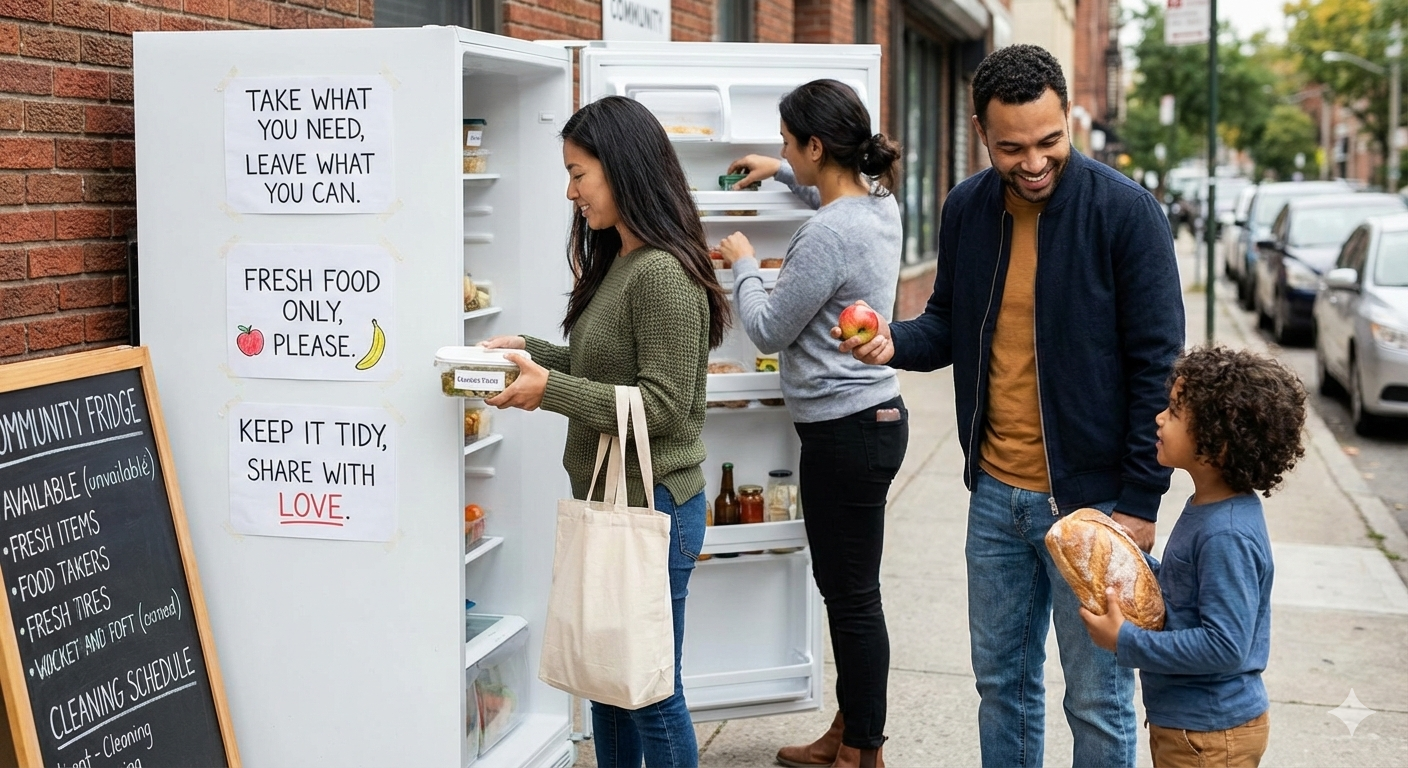
Community fridge etiquette is central to creating a safe, welcoming shared space where everyone benefits. Proper etiquette ensures hygiene, food safety, and mutual respect, which are crucial for sustaining these valuable community resources. By following basic rules, users uphold the integrity of the fridge and foster a culture of care and responsibility. Shared space responsibility means each individual acts with awareness of others, maintaining cleanliness and respecting the needs of the entire community. This ethos helps transform a simple fridge into a vibrant hub of support and connection. Key ethical rules include:

Clear donation and labeling guidelines form the backbone of a well-functioning community fridge. Proper practices ensure food safety, reduce waste, and foster trust among users. Establishing and communicating these standards is crucial for a safe, inclusive shared resource. To begin, all donated items must be labeled with essential details, including the production date and expiration date. This transparency helps users make informed choices and maintains high hygiene standards. Sealed packaged foods are preferred, as they guarantee freshness and prevent contamination. Avoid donating raw meat, opened containers, or any questionable items that may compromise the fridge’s safety. Accurate labeling involves a step-by-step approach:

Maintaining stringent cleanliness standards is crucial to ensuring community fridges remain safe, trustworthy hubs for everyone. Proper hygiene protects against food contamination and fosters a respectful environment that encourages continued participation. Adhering to a regular fridge cleaning schedule is essential. This not only safeguards health but also reinforces community trust by demonstrating care for shared resources. Users should practice good personal hygiene, such as washing hands and wearing masks when handling food, to further reduce the risk of contamination. Key cleaning tasks include:

Respectful sharing is the essence of maintaining a safe and trustworthy community fridge. Adhering to agreed rules ensures the fridge remains a well-maintained hub where all users feel valued and supported. Clear communication and thoughtful actions foster mutual trust and encourage ongoing participation. Key communal fridge dos and don’ts include:

Disagreements over food allocation or cleaning duties often emerge in shared community fridge settings. These challenges, if left unaddressed, can undermine the fridge’s purpose and the sense of belonging among users. Open and respectful communication is crucial to navigate these situations, ensuring each voice is heard and collective solutions are found. Establishing clear, agreed-upon cleaning schedules and food-sharing protocols helps prevent misunderstandings and fosters a harmonious environment. Building community trust relies on transparent rules and consistent, respectful interactions. When members feel their concerns are acknowledged and addressed fairly, mutual trust deepens, encouraging ongoing participation and stewardship of the shared space. This foundation of trust transforms the fridge from a simple resource into a vibrant hub of communal support. Key conflict resolution strategies include:

Effective fridge inventory management is crucial for minimizing waste and ensuring fair access to shared resources. Organizing items based on perishability and clear labeling supports a smooth food rotation system, which prioritizes using older items first. Without a systematic approach, space allocation challenges can arise, leading to clutter and disputes among users. Prioritizing orderliness creates a trustworthy environment where everyone feels respected and cared for. Space allocation rules should be transparent and consistently applied. Assign specific areas for perishables, ready-to-eat items, and non-perishables to maintain balance. Regular inventory checks help identify items nearing expiration and allow timely removal, preserving hygiene and reducing spoilage. These practices safeguard the community fridge as a well-maintained hub that efficiently serves diverse needs.
Implementing these inventory and space management strategies enriches the community fridge’s reliability and accessibility. They reduce waste, prevent conflicts, and create a harmonious environment where all members can participate effectively and confidently.
Practicing Community Fridge Etiquette ensures these shared spaces remain clean, accessible, and inclusive for all. By embracing guidelines like proper food labeling, regular cleaning schedules, and respectful sharing, users contribute to a healthier, more trusting community atmosphere. Effective inventory and space management further boost this trust by reducing waste and ensuring fair access to resources. These practices not only maintain the integrity of community fridges but strengthen the bonds within the community. Engaging wholeheartedly in shared food spaces brings everyone closer to a more sustainable and supportive network.
A community fridge is a shared public resource providing free access to food. It's managed collaboratively to ensure that individuals in need can access essentials while minimizing food waste.
The community fridge operates on donations. Individuals can leave food items, and those in need can take what they require. It's crucial to follow hygiene and etiquette guidelines to maintain this shared resource.
Yes, community fridges are generally legal. However, local regulations vary, so it's advisable to check local laws and health codes before setting one up or donating.
Refrigerator etiquette at work includes labeling food, keeping the fridge clean, respecting others' items, and removing expired goods promptly. It's key to maintain a pleasant shared environment.
Bring non-perishable, sealed, and labeled food items with clear expiration dates. Avoid raw meat and outdated products to ensure safety and benefit for all users.
Search online for community fridge maps or inquire within local resources like community centers or social media to locate nearby fridges.
Community fridge rules include proper food labeling, maintaining cleanliness, respecting others' items, following donation guidelines, and practicing portion control to ensure fair access and hygiene.