
scan QR code


Disabled community sports policies are reshaping the landscape of athletic participation by driving connection and growth. These initiatives, designed to foster inclusive environments, are crucial in reducing barriers faced by over half of disabled individuals who encounter accessibility challenges in sports. By examining international and national efforts, this article delves into the comprehensive strategies that aim to create welcoming spaces for all. With evidence urging systemic change in public policies, it becomes clear that accessibility in sports is not just a goal but a necessity. Alongside policy analysis, discover how tools like the Journey app are instrumental in facilitating communication and organizing community sports events, ensuring that every participant has the opportunity to thrive in a supportive, inclusive network.
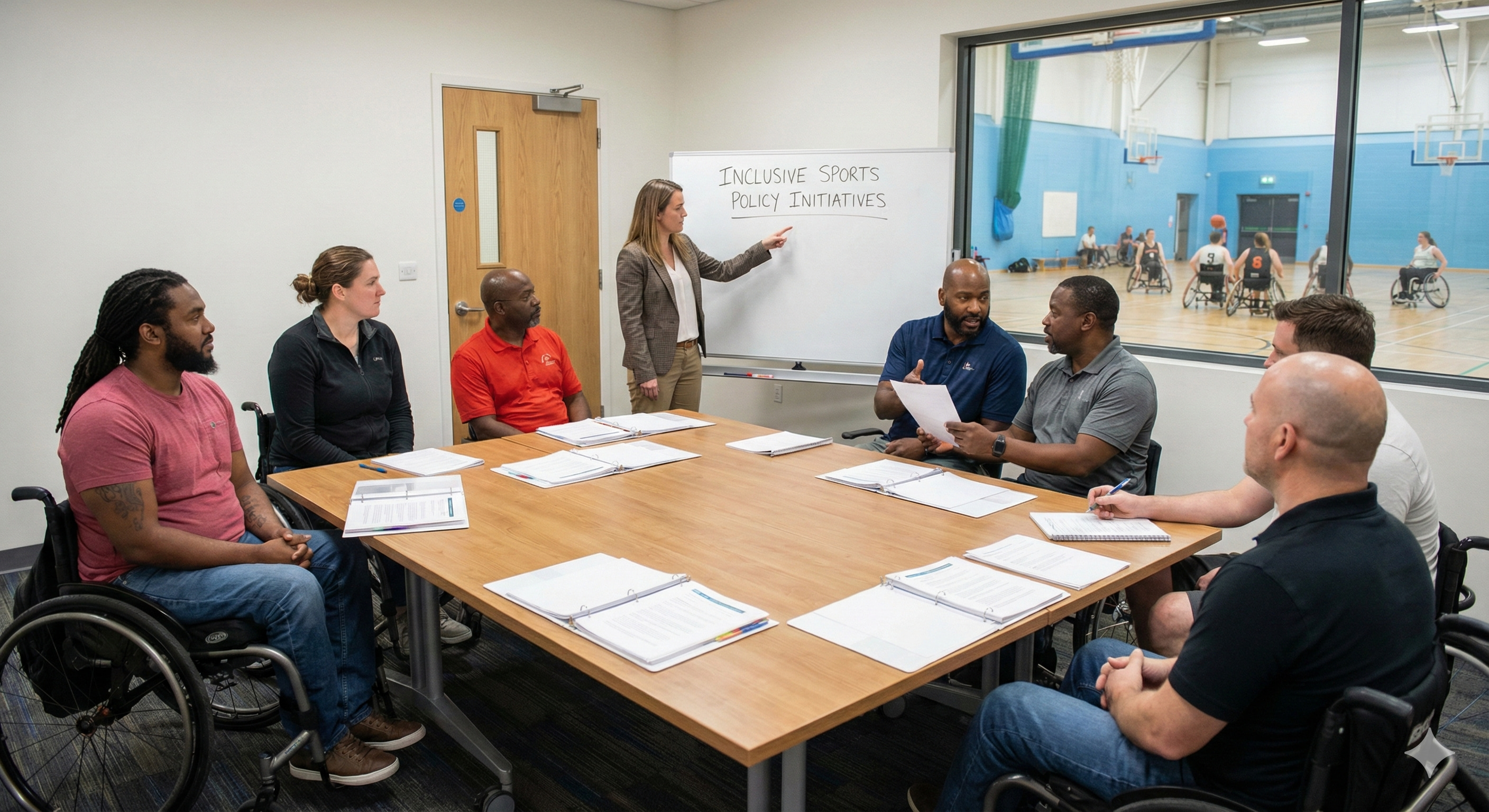
Disabled community sports policies worldwide focus on creating inclusive sports programs that reduce barriers and enhance accessibility in sports environments. Recent studies highlight that over 52% of disabled individuals face challenges accessing sports venues, including stadiums and local community centers. These findings emphasize the critical need for systemic change in public policies to foster enabling environments where disabled athletes and spectators can participate fully and confidently. International and national initiatives now prioritize accessibility in sports, promoting legal rights that guarantee equal opportunities. These policies aim to build community sports access by ensuring venues, equipment, and programs accommodate diverse needs. Furthermore, they encourage collaboration between government bodies, sports organizations, and advocacy groups to implement long-term strategies that sustain inclusivity. Platforms like Journey serve as a vibrant hub for disabled sports communities by facilitating transparent communication and seamless organization of local events. Journey’s customizable community creation tools and robust engagement features empower users to connect with like-minded individuals, share relevant resources, and participate in enriching discussions. By hosting accessible and well-maintained online spaces, Journey supports the growth of inclusive sports programs and helps retain members through meaningful interaction and shared experiences. This integrated approach enhances discoverability and fosters a trustworthy environment where disabled sports participants can thrive together.

Legal frameworks form the backbone of adaptive sports regulations and disability inclusion policies, ensuring disabled individuals receive equal opportunities and protections in sports. Government regulations mandate accessibility standards in sports venues and programs, safeguarding the legal rights of disabled athletes and participants. These policies require organizations to remove physical and systemic barriers, creating an enabling environment where everyone can engage fully and fairly. Disability Confidence training, often led by disabled individuals themselves, equips sports organizations with the knowledge and skills to implement these regulations effectively. This training fosters a culture of respect and understanding, reinforcing compliance with legal frameworks while promoting meaningful inclusion. Robust legal support also underpins disability sports leagues and public policies that encourage participation at all levels. Such policies emphasize fairness in competition, accessibility of facilities, and reasonable accommodations, reflecting a long-term commitment to diversity in sports. Platforms like Journey enhance the practical application of these legal frameworks by serving as a vibrant hub for disabled sports communities. Journey’s customizable privacy settings, member roles, and seamless communication tools ensure compliance with regulations around privacy and accessibility. The AI-powered moderation and personalized onboarding foster a safe, trustworthy environment where members can interact confidently, share resources, and participate in discussions about policy updates and inclusion strategies. Journey’s integrated approach supports community owners in implementing adaptive sports regulations while enriching member engagement. By leveraging Journey’s analytics and event management features, communities can track compliance, organize inclusive events, and continuously adapt to evolving legal standards, driving sustainable growth and connection.

Effective implementation of disabled community sports policies requires a multi-layered approach. Central to this endeavor is infrastructure evaluation, ensuring venues and equipment meet accessibility standards that cater to diverse needs. Staff training initiatives, such as free co-production programs and inclusive coaching workshops, build seasoned understanding among personnel, fostering environments where disabled athletes feel supported and empowered. Adaptive sports programming is another crucial strategy. Drawing on evidence-based resources like Move United’s adaptive sports guides, organizations can design recreational sports guidelines that integrate flexibility and inclusivity. These programs emphasize collaboration with disabled individuals themselves, using co-production models to align sports activities with real community needs, enhancing participation and belonging. Journey acts as a vibrant hub for these interconnected efforts. Its community creation and customization tools allow stakeholders to build well-maintained, safe, and trustworthy online spaces tailored to disabled sports programs. Journey’s event management features enable organizers to seamlessly coordinate workshops, training sessions, and adaptive sports meetups, boosting discoverability and participation. The platform’s communication tools—group chats, direct messaging, and a dynamic community feed—encourage rich interaction and continuous sharing of best practices, resources, and policy updates. Journey’s AI Sidekick enhances community growth by personalizing onboarding, facilitating member connections, and moderating content to safeguard trust and credibility. By leveraging Journey’s integrated features, disabled community sports initiatives can organically expand, retain engaged members, and witness long-term growth rooted in mutual support and shared passion for inclusive sports.

Move United stands as a beacon of success in disability advocacy in sports, demonstrating how supportive policies and adaptive sports resources can transform communities. Their initiatives have notably doubled participation rates among disabled athletes by improving accessibility and fostering inclusive sports culture. For example, adaptive sports leagues organized by Move United have revamped local sports venues, making them more welcoming and fully accessible, which has significantly increased engagement and belonging. Another success story comes from grassroots inclusive sports programs that implemented community engagement strategies centered on collaboration with disabled individuals. These programs prioritize co-production, ensuring that the voices and needs of disabled athletes shape recreational opportunities. The result has been vibrant, well-maintained environments where participants not only access sports but also contribute their expertise and experiences, enriching the community fabric. Platforms like Journey play a crucial role in amplifying these success stories by offering a safe, trustworthy hub for disabled sports communities. Journey’s customizable community creation tools allow organizers to build tailored spaces that showcase adaptive sports resources and facilitate ongoing discussions about advocacy and policy updates. Its event management features enable seamless coordination of workshops, training, and competitions that drive participation and growth. Through vibrant community feeds, group chats, and direct messaging, Journey encourages mutual support and continuous interaction among members. The AI Sidekick further enriches these communities by providing personalized onboarding, content recommendations, and moderation, safeguarding trust and credibility. Together, these tools empower disabled sports advocates and participants to connect authentically, share knowledge, and organically expand their impact.
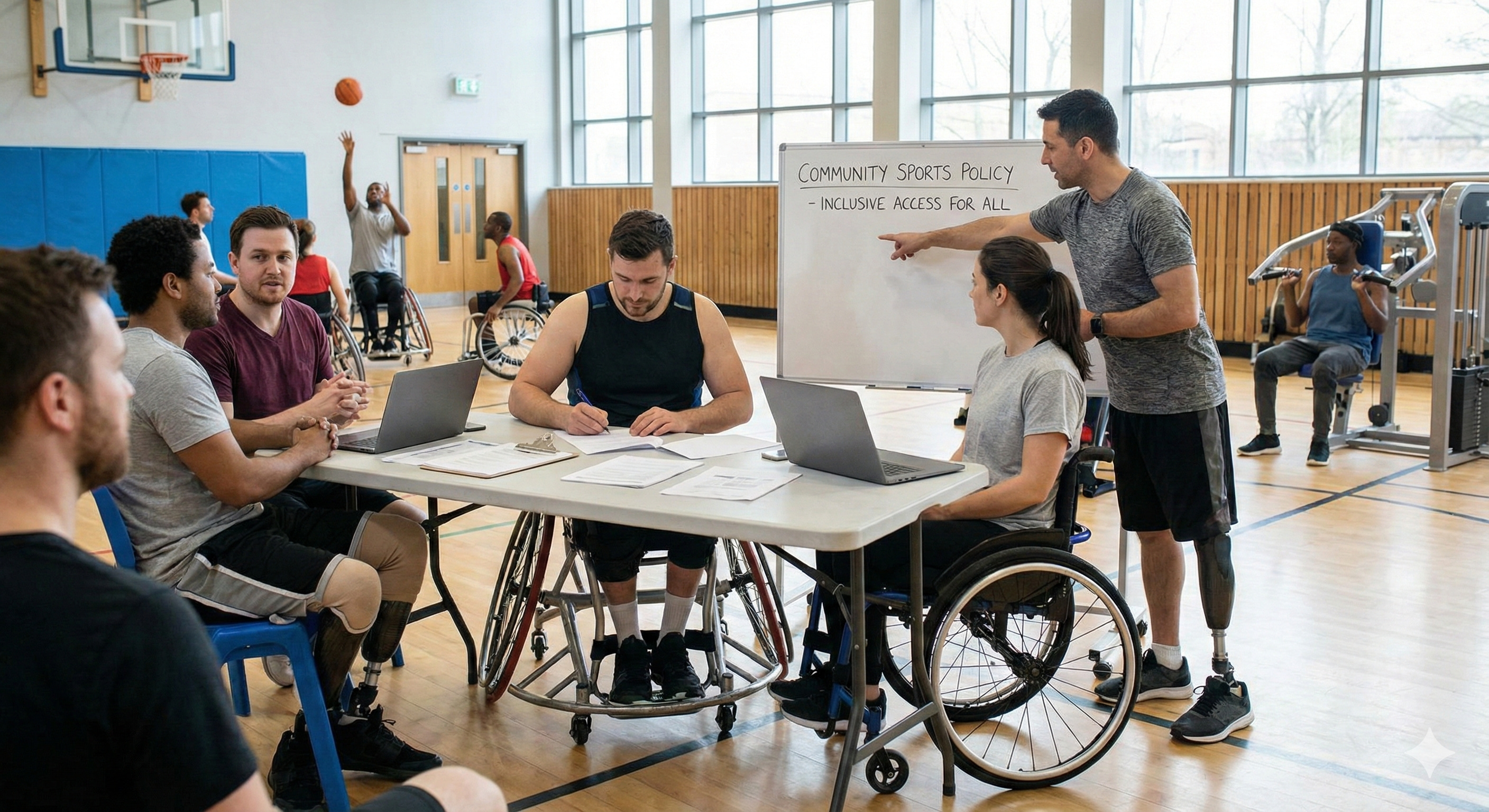
Securing robust funding is central to expanding access and equity in disabled community sports. Grants like the Together Fund play a crucial role by providing targeted financial support to Disabled People’s User Led Organisations (DPULOs) and local initiatives. These resources enable adaptive sports programs to acquire specialized equipment, improve accessible infrastructure, and deliver inclusive training. Federal and local funding streams complement these efforts, ensuring sustained investment in community sports outreach that reaches diverse disabled populations. Community outreach programs form the backbone of effective policy implementation. Mobilizing partnerships between government agencies, nonprofits, and grassroots organizations creates a collaborative network that fosters participation and nurtures belonging. Strategic outreach efforts focus on engaging disabled individuals in their local environments through awareness campaigns, accessible events, and co-designed recreational opportunities. These initiatives not only build trust but also promote mutual learning and resource sharing, enriching the adaptive sports ecosystem. Journey supports these endeavors by acting as a vibrant hub for connection and collaboration. Its community creation tools allow organizers to build customized, safe, and trustworthy spaces tailored to disabled sports groups. Journey’s event management features streamline organizing workshops, fundraisers, and meetups, enhancing discoverability and participation. The AI Sidekick further enriches outreach by suggesting relevant funding opportunities and local programs to community members, fostering organic growth and sustained engagement. Through Journey’s integrated platform, disabled sports communities gain access to vital resources and meaningful interactions. This blend of funding support and community outreach, amplified by Journey’s tools, drives long-term growth and equity in adaptive sports participation.

Over half of disabled individuals face significant barriers in accessing sports due to inadequate infrastructure and social stigmas. These challenges range from physical obstacles in venues to a lack of awareness about the needs of disabled athletes. Addressing these barriers requires focused inclusivity initiatives and awareness campaigns that educate communities and shift cultural perceptions. Training programs and workshops play a crucial role in this endeavor, equipping staff and volunteers with seasoned understanding and practical skills to support disabled participants effectively. Policy adaptations that enforce stringent accessibility standards and promote barrier-free sports environments are central to fostering lasting change. Such measures ensure that disabled individuals can engage fully and confidently in community sports. Platforms like Journey serve as a vibrant hub for promoting inclusivity and awareness within disabled sports communities. Journey’s customizable communities provide safe, trustworthy spaces where members share experiences, resources, and updates about overcoming sports barriers. Its seamless communication tools—group chats, direct messaging, and community feeds—encourage rich interaction and mutual support among like-minded individuals. Journey’s AI Sidekick enhances these efforts by curating relevant content, facilitating personalized onboarding, and moderating discussions to safeguard trust and credibility. Event management features enable organizers to host training sessions and awareness workshops, boosting discoverability and participation. By leveraging Journey’s integrated tools, disabled sports communities can expand organically, retain engaged members, and witness long-term growth rooted in inclusivity and shared purpose.

Future directions in disabled community sports policy emphasize the integration of technology and innovative strategies to improve participation and accessibility. Adaptive sports resources and accessible sports equipment are evolving rapidly, supported by digital platforms that enable seamless community-building and event coordination. These technological advancements contribute to a whole-system approach, aligning policy reform with real-world community feedback to foster long-term growth and inclusion. Central to this evolution is the role of platforms like Journey, which serve as vibrant hubs for disabled sports communities. Journey’s community creation and customization tools empower organizers to build safe, trustworthy, and well-maintained spaces tailored to diverse needs. Members can showcase their interests and contributions through customizable profiles, enhancing a sense of belonging and mutual support. Journey’s event management features streamline organizing adaptive sports activities and workshops, boosting discoverability and participation. The AI-powered Sidekick enriches community engagement by personalizing onboarding, recommending relevant resources, and moderating content to safeguard trust and credibility. Group chats and direct messaging foster rich, focused interaction, enabling like-minded individuals to connect, share experiences, and collaborate effectively. By leveraging Journey’s integrated tools, disabled community sports initiatives can expand organically and retain engaged members. This blend of technology, innovation, and community-centered strategies drives fulfilling connections, enriches participation, and supports continuous growth in adaptive sports environments.
Exploring Disabled Community Sports Policy reveals a powerful framework for inclusion. Current initiatives highlight crucial strategies for reducing barriers in sports, backed by international and national efforts. Legal frameworks provide a solid foundation by ensuring equal rights for sports participation. Implementing these policies involves strategic approaches, enhanced by tools like the Journey app, which fosters community connections. Real-life case studies underline successful policy impacts, while funding and outreach amplify access and equity. By addressing challenges, we promote a barrier-free environment. Embracing technology, these strategies chart a promising course for disabled community sports policy.
The disability act for sports requires organizations to ensure equal access and opportunities for individuals with disabilities in sports programs. This includes providing necessary accommodations and modifications in accordance with legal regulations.
To make sports more accessible for disabled individuals, organizations should implement inclusive training, modify facilities, and use adaptive equipment. Systematic policy changes and awareness campaigns can also help reduce barriers and increase participation.
Yes, the 504 plan applies to sports by requiring schools to accommodate students with disabilities. This ensures these students have equal access to athletic programs and activities, just like their peers.
The Americans with Disabilities Act mandates that sport programs provide equal access, reasonable accommodations, and modifications to ensure that individuals with disabilities can participate fully and effectively in sports activities.


.jpg)