
scan QR code


As the population ages, thoughtful planning for elderly public recreation becomes crucial for community growth and sustainability. Recreational spaces tailored specifically for seniors play a vital role in enhancing their quality of life. These environments support older adults in maintaining their health and well-being, offering essential mental and physical health benefits. Recreation planning for the elderly is not just about crafting beautiful spaces but ensuring these spaces meet their physical, social, and safety needs.
Creating age-friendly environments involves more than just practical design features like smooth pathways and accessible seating. It's about incorporating community input to truly reflect the desires and needs of the elderly. Well-planned recreational areas provide numerous benefits to seniors, including improved mental health, increased social engagement, better physical well-being, reduction in feelings of isolation, and the promotion of a sense of community. When planners utilize tools like the Journey app, they can effectively connect with local senior groups, gather valuable feedback, and ensure programs align with community aspirations.
As society strives for inclusivity, designing accessible and engaging recreational spaces for seniors presents significant opportunities. These planning efforts not only empower older adults but also foster interconnected communities that thrive together. By addressing the diverse requirements of the elderly, public recreation planning contributes to the holistic development of communities and enriches the lives of all members.
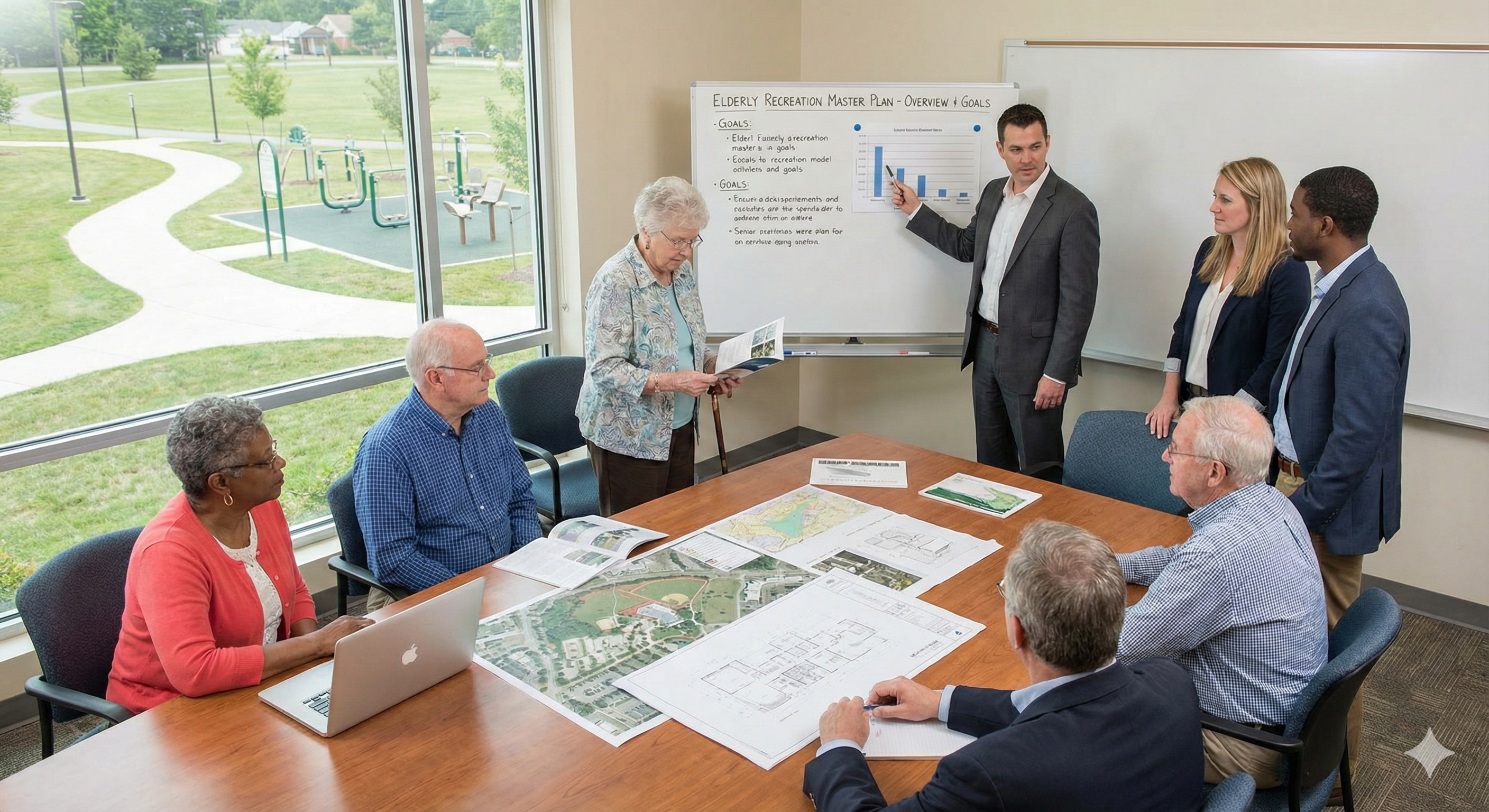
Elderly public recreation planning is a crucial endeavor that supports the physical, mental, and social well-being of older adults. Tailored recreational spaces provide seasoned individuals with safe, accessible environments where they can enjoy nature, engage in physical activity, and connect with like-minded peers. As aging and recreation intersect, planners must consider smooth walking paths, shaded seating, and accessible equipment to create age-friendly environments that foster both independence and community interaction. Recreation for elderly populations offers myriad benefits that extend beyond simple enjoyment. Well-planned spaces encourage mobility, reduce feelings of isolation, and enhance cognitive function. They also serve as hubs for social engagement, which is central to long-term mental health and a sense of belonging. Importantly, safety and comfort are paramount, ensuring that seniors feel secure and supported while participating in outdoor activities. Key benefits of well-planned recreational spaces for seniors include:
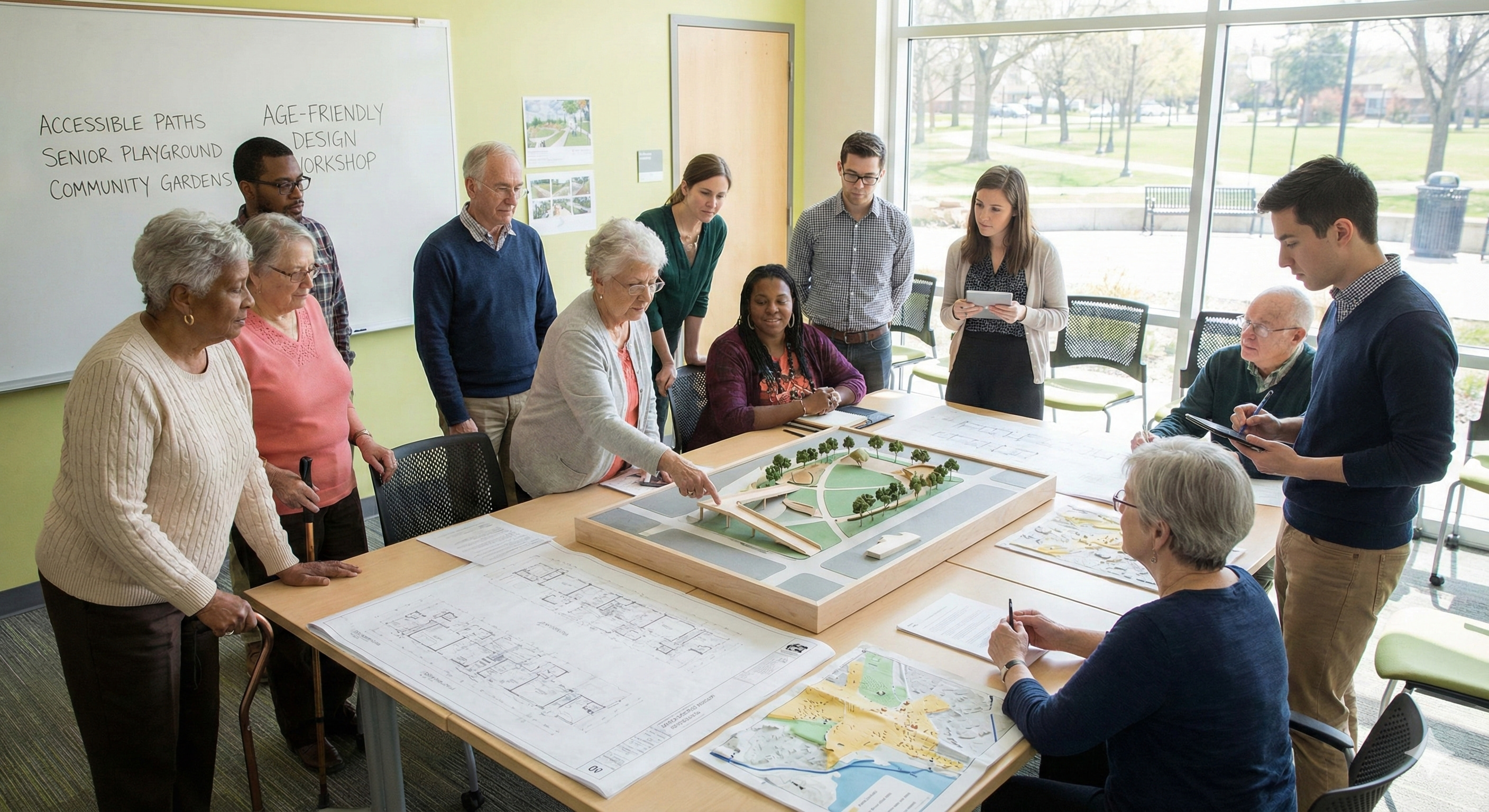
Creating public spaces that truly serve the elderly requires a focused approach that blends ergonomic design with a deep understanding of seniors’ diverse needs. Age-friendly spaces emphasize smooth, even surfaces and wide pathways that accommodate walkers, canes, and wheelchairs, enabling safe and effortless movement. Fitness equipment tailored for functional mobility supports physical health, while clear, legible signage guides visitors and enhances accessibility. Providing shaded rest areas and secure environments fosters comfort and security, encouraging seniors to participate actively and confidently. Incorporating expert guidance from healthcare professionals is critical for designing spaces that promote safe exercise and activity. Physiotherapists and fitness instructors can advise on appropriate equipment and layout, ensuring that parks and recreational areas cater to varying levels of mobility and health conditions. This professional input helps reduce injury risks and enhances the usability of public spaces for elderly visitors. Engaging older adults directly in the design process enriches outcomes and fosters a sense of belonging. Tools like the Journey app empower community planners to build vibrant, trustworthy spaces by connecting with seniors in real-time. Journey’s platform supports seamless communication, enabling planners to gather granular feedback on design elements and implement changes that align with seniors’ preferences and needs. This continuous interaction ensures that recreational spaces remain relevant, safe, and fulfilling. Key design elements for age-friendly public spaces include:

Accessible parks designed for seniors are foundational to fostering community growth and enhancing the quality of life for older adults. These parks should feature smooth, even walking paths that accommodate walkers, canes, and wheelchairs, ensuring mobility without barriers. Proper lighting is essential to create a safe and welcoming environment, particularly in the early morning or late afternoon hours. Supportive seating placed at regular intervals offers rest opportunities, enabling longer visits and encouraging social interaction. These elements combined create a vibrant space where seniors feel secure and motivated to participate. Regular maintenance and safety checks are critical to safeguarding seniors against falls and injuries. Well-maintained grounds free of obstacles and debris reduce risks and boost confidence in using the park’s facilities. Equipment selection must cater to a diverse range of physical abilities, offering options that promote both therapeutic exercise and social engagement. Amenities such as low-impact fitness stations and interactive activity panels invite seniors to stay active while connecting with peers. This blend of accessibility and inclusivity supports holistic well-being and community belonging. The Journey app plays a pivotal role in supporting accessible park initiatives by enabling community organizers to engage directly with local seniors. Through Journey’s seamless communication tools, planners can gather granular feedback on park features, accessibility concerns, and safety improvements. The platform’s event management and group chat functions help promote senior-friendly fitness programs and social activities, encouraging sustained participation. By leveraging Journey’s trustworthy, vibrant environment, communities can organically align resources and ideas, continuously enriching public spaces for older adults. Key accessibility features for senior parks include:

Engaging older adults in the planning and maintenance of public recreational spaces is crucial for creating environments that truly reflect their needs and aspirations. Effective community engagement centers on incorporating seniors’ feedback throughout the process, ensuring that spaces support their physical, social, and emotional well-being. When seniors participate in decision-making, the resulting recreational areas become meaningful hubs where they feel a genuine sense of belonging and empowerment. Programs that blend recreation with social interaction are vital for enhancing mental health and reducing isolation among elderly populations. Organizing group activities, intergenerational events, and collaborative projects fosters rich, fulfilling experiences that connect diverse community members. These opportunities not only promote physical activity but also nurture long-term friendships and mutual support networks, reinforcing the social fabric of the neighborhood. The Journey app offers a vibrant, trustworthy platform that enhances community engagement by enabling seniors and local planners to interact seamlessly. Through Journey, older adults can share ideas, provide granular feedback, and co-create programs in a safe, supportive environment. This robust communication backbone encourages continuous dialogue and collaboration, helping communities organize relevant, fulfilling activities that cater to the evolving interests and needs of seniors. Key strategies for effective community engagement include:
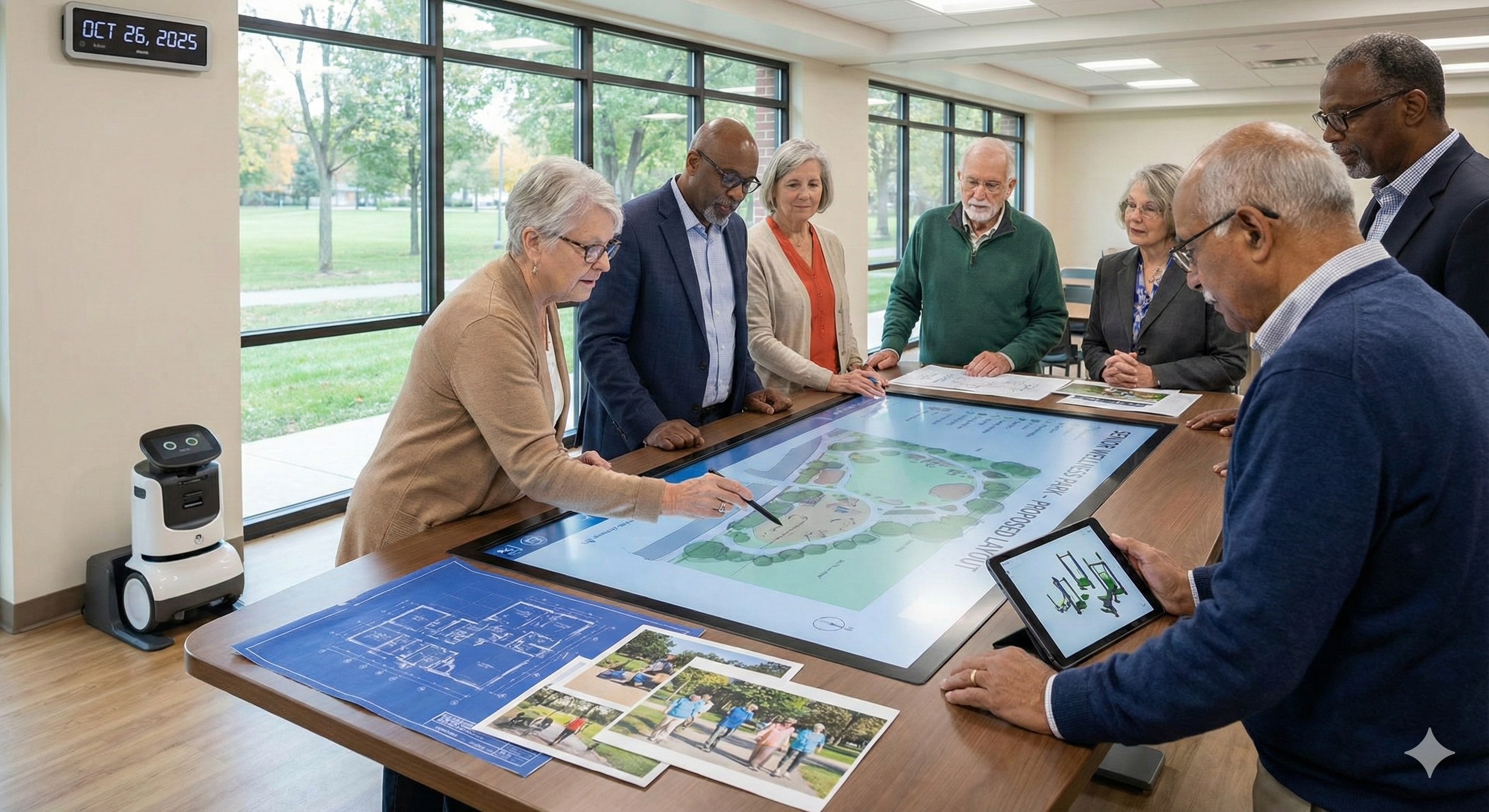
Policy development plays a critical role in ensuring that recreational projects for the aging population are sustainable and effective over the long term. Clear guidelines and standards help align urban planning with the needs of older adults, safeguarding that these spaces remain accessible, safe, and well-maintained. Policies must address not only the initial design and construction phases but also long-term maintenance and programming to keep parks vibrant and relevant for seniors. Securing diverse funding sources is essential to support the creation and ongoing operation of elderly public recreation facilities. Local governments often provide foundational support, but grants and community partnerships can expand available resources. Collaborations with nonprofits, healthcare organizations, and private entities also enrich funding streams, fostering community ownership and shared responsibility. Thoughtful budget planning ensures that funds cover maintenance, staffing, and inclusive programs that encourage participation. Effective budget planning must consider both immediate and future needs to sustain community engagement and park usability. Investments in durable equipment, regular safety inspections, and adaptive program development help retain users and meet evolving demands. Integrating community input during planning phases enhances relevance and optimizes resource allocation, ensuring that investments produce meaningful returns in health and social well-being. Potential funding sources include:
-4%20(1).png)
The Centers for Disease Control and Prevention highlight the importance of at least 150 minutes of moderate physical activity weekly for seniors to maintain optimal health. Integrating health and wellness initiatives into public recreation planning is essential to foster physical, mental, and social well-being among older adults. Recreational spaces designed with seniors in mind can offer diverse, adaptable programs that cater to different mobility levels and health conditions, ensuring everyone can participate safely and meaningfully. Physical activity through recreation not only supports cardiovascular health and mobility but also enhances mental clarity and emotional balance. Social engagement within these activities reduces feelings of isolation and promotes a sense of belonging, which is central to long-term well-being. Wellness programs that combine movement with social interaction create rich opportunities for older adults to connect with like-minded individuals, share experiences, and build lasting friendships in a safe, supportive environment. The Journey app serves as a vital tool in this endeavor by connecting seniors to localized wellness activities and community events. Its seamless platform enables older adults to discover and join walking groups, fitness classes, and other senior-friendly programs that align with their interests and abilities. Journey’s community features encourage ongoing participation and support, making it easier for seniors to maintain an active lifestyle enriched by social interaction and personal growth. Key wellness activities for seniors include:

Technology serves as a crucial backbone in enhancing elderly public recreation planning by expanding accessibility and fostering continuous community connections. Digital tools provide virtual storytelling, digital signposting, and real-time updates that enrich seniors’ engagement with recreational spaces. Integrating these innovations ensures that recreational therapy adapts to modern needs, enabling older adults to remain active and socially connected even when physical barriers arise. The Journey app plays a pivotal role in this evolving landscape by offering a vibrant, trustworthy environment where seniors and planners can interact seamlessly. Journey supports community creation with customizable features that cater to various privacy needs and member roles, ensuring safe and relevant participation. Its intuitive content management and communication tools enable seniors to share experiences, access resources, and organize events, enriching the collective recreational journey. This seamless integration of technology encourages ongoing dialogue and active involvement, which are essential for retaining community vitality and relevance. Technological tools also assist planners in monitoring usage patterns and safety concerns, guiding timely modifications to public spaces. Journey’s AI-powered insights provide granular data on member engagement and content effectiveness, allowing for data-driven enhancements. The platform’s real-time alerts and communication features bolster safety by enabling swift responses to emerging issues. This robust ecosystem supports a continuous feedback loop, empowering communities to adapt and thrive while safeguarding seniors’ well-being. Key technological features supporting elderly recreation planning include:
Digital platforms like Journey foster vibrant participation by enabling seniors to interact, share ideas, and provide immediate feedback. This active engagement creates a sense of belonging and mutual support, vital for sustained community growth. Journey’s customizable member profiles and group chats help individuals connect based on shared interests, enhancing the richness of recreational experiences. By facilitating authentic social interactions, the app guides users toward fulfilling activities and strengthens the collective spirit within elderly communities.
Safety is central to successful elderly public recreation, and technology is indispensable in this regard. Journey’s AI Sidekick and analytics tools offer continuous monitoring of community activity, identifying potential risks and helping administrators respond promptly. Digital alerts and streamlined communication channels ensure that safety concerns are addressed efficiently, fostering a secure environment. These capabilities blend technology and human oversight to safeguard seniors, allowing them to enjoy public spaces with confidence and peace of mind.
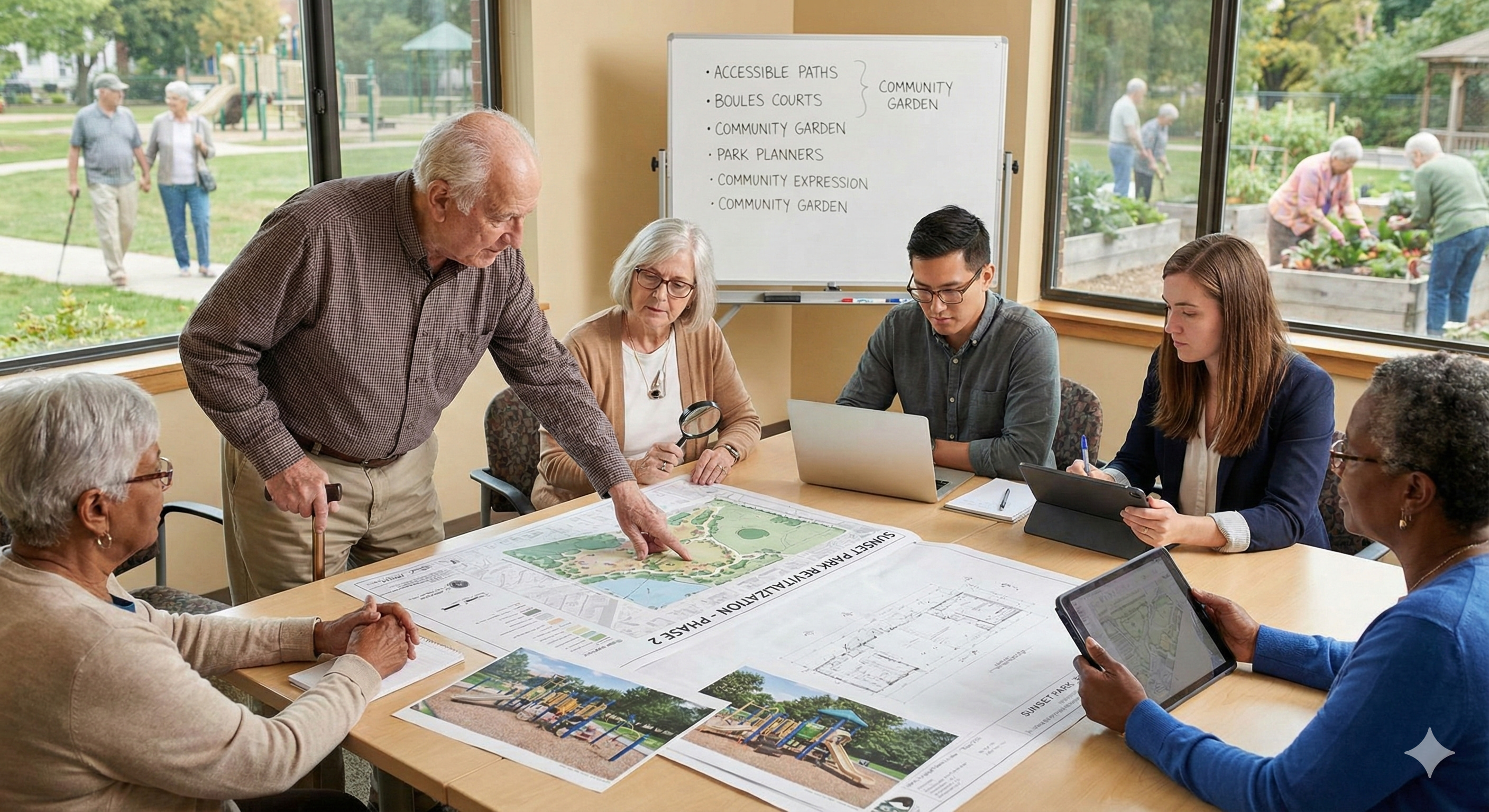
Regular evaluation is crucial to understanding how effectively recreational spaces serve seniors’ diverse needs. These assessments guide planners in making data-driven improvements that enhance user experience and community growth over time. Evaluations focus on multiple dimensions, including participation rates, satisfaction levels, health benefits, and social engagement, providing a comprehensive picture of a space’s impact on elderly well-being. Tracking key metrics enables planners to identify strengths and areas requiring adjustment. Monitoring participation rates reveals how many seniors actively use the facilities, while safety incident reports highlight potential hazards that need addressing. Health outcome data, such as improvements in mobility or mental health, showcase the tangible benefits of programming. Feedback surveys gather rich, qualitative insights about user experiences, and community engagement levels reflect how well the space fosters social interaction and belonging among older adults. The Journey app supports these ongoing evaluation efforts by offering robust analytics tools that capture granular data on member activity and program success. Its platform facilitates continuous feedback collection through integrated surveys and discussion forums, enabling planners to adapt recreational offerings responsively. Journey’s trustworthy environment encourages seniors to share authentic input, while its activity tracking and reporting features help communities witness measurable growth and improved outcomes over time. Evaluation metrics to consider include:
Creating enriching, accessible environments for seniors transforms community spaces. Elderly Public Recreation Planning emphasizes the blend of tailored design, inclusive participation, and effective policy frameworks. Balancing physical, social, and technological dimensions ensures these spaces serve diverse aging populations. Integrating tools like the Journey app can facilitate deeper connections among elders, enriching recreational experiences. Continued engagement and innovation affirm a future where seniors thrive in thoughtfully crafted environments. By prioritizing these principles, society fosters a supportive and vibrant atmosphere for all older adults.
Elderly public recreation planning involves creating spaces and activities tailored to older adults, focusing on enhancing physical health, safety, and social engagement. These spaces promote mental and physical well-being.
Examples include designing parks with smooth paths, shaded seating, accessible equipment, and spaces that foster community input. Programs often incorporate intergenerational and social activities to boost engagement.
Planners should include features like smooth walking paths, handrails, shaded areas, and accessible facilities. Input from healthcare professionals ensures safety and usability for seniors, enhancing their recreational experience.
Technology enhances recreation planning by providing real-time updates, community polls, and digital maps. These tools facilitate immediate feedback and participation, ensuring spaces meet seniors' evolving needs.
Community engagement ensures recreational spaces reflect seniors' needs through surveys, public meetings, and collaborative design sessions. These strategies enhance physical, social, and emotional well-being for older adults.
Funding from municipal sources, grants, and partnerships is vital for sustainable projects. Policies ensure continuous support and development, while budgeting should cover maintenance and program operations.
Key considerations include accessible walking paths, adequate lighting, safe seating, and equipment for varying abilities. Regular maintenance and safety checks are key to reducing risks of falls and injuries.
Health initiatives provide seniors with fitness programs supporting physical, mental, and social health. Activities like walking groups, yoga, and fitness classes cater to different mobility levels and promote healthy lifestyles.
Regular evaluations assess program effectiveness using metrics like participation rates, health improvements, and satisfaction. Data-driven changes optimize public recreational offerings for the aging community.



.jpg)