
scan QR code


Gated communities often promise security, privacy, and exclusivity. But beneath the surface, significant challenges can impact the quality of life and morale among residents. While offering a semblance of safety and solidarity, these communities struggle with high maintenance costs that can range into the thousands, breeding financial strain and dissatisfaction. Homeowner associations, tasked with enforcing community regulations, frequently become hotbeds of tension as disputes over decisions and fees arise. Beyond the walls, security concerns persist with issues in visitor management and emergency access, casting doubt on the efficiency of the protective measures in place. As physical barriers inadvertently foster social isolation, they hinder the genuine connections that community living ideals promote. Amidst these complex dynamics, the Journey app emerges as a tool to bridge gaps, enhancing transparency and fostering engagement through improved communication—championing a connected and supportive community atmosphere.
Gated communities often struggle with fostering authentic social bonds despite their promise of safe, well-maintained environments. The very physical barriers designed to safeguard residents can unintentionally create social isolation, limiting spontaneous neighborly interactions and reducing opportunities for meaningful engagement. Strict community regulations and homeowner association conflicts further complicate relationships, as disputes over rules and fees may breed tension rather than trust. These dynamics hinder the sense of belonging essential for vibrant, sustaining communities. Several key challenges impact genuine connections within gated communities:
.png)
Gated communities often face a persistent challenge: a false sense of security. Despite the presence of gates and guards, determined intruders can bypass these measures, exposing vulnerabilities that residents may overlook. This misplaced confidence can reduce vigilance, making it crucial for communities to maintain robust and continuously updated security systems. Key components like CCTV cameras, gate controls, and lighting require regular maintenance and risk assessments to identify emerging threats and prevent lapses. Security challenges in gated communities include:
.png)
Gated communities often create physical barriers that limit interaction with the surrounding neighborhood. This isolation reduces opportunities for spontaneous social engagement and can weaken social cohesion among residents. Despite the promise of exclusivity and safety, the bubble-like environment may inadvertently foster a sense of detachment from broader community life. Factors contributing to social isolation in gated communities include:
.png)
Property values in gated communities often show volatility, attracting buyers drawn to exclusivity while deterring others concerned about high costs and restrictions. This fluctuation reflects the balance between the allure of privacy and the financial burdens that come with it. High maintenance fees represent a significant challenge. These fees usually cover the upkeep of shared amenities such as pools, parks, landscaping, and roads. Costs can escalate quickly, placing pressure on residents and sometimes leading to disputes over fee increases. Economic impacts extend beyond fees. Residents may face tensions as they weigh the benefits of well-maintained amenities against escalating expenses, causing friction that can affect both satisfaction and the real estate market dynamics within the community. Key economic challenges include:
.png)
Homeowner associations (HOAs) in gated communities often face persistent conflicts rooted in enforcing stringent community regulations and adjusting fees. These disputes can strain neighbor relationships and spark legal entanglements. Residents may feel frustrated when rules appear rigid or inconsistently applied, leading to dissatisfaction and a breakdown in trust. Additionally, fee increases needed to cover rising maintenance and security costs can become flashpoints for tension, especially if communication lacks transparency. HOAs must balance diverse resident expectations while maintaining operational efficiency. This challenge becomes critical when community regulations clash with individual preferences or when legal responsibilities and zoning laws add complexity. Ineffective communication or opaque decision-making only fuels disputes, reducing cohesion and impairing long-term community well-being. As a result, homeowner conflicts can escalate into costly legal battles or prolonged interpersonal friction. Key challenges in HOA governance include:
Addressing these conflicts requires robust strategies that foster collaboration and trust. Transparent decision-making is essential to ensure residents understand the rationale behind rules and fees. Regular community meetings provide a platform for open dialogue, allowing residents to voice concerns and participate in shaping policies. Digital communication platforms improve information flow and engagement, making it easier to address issues proactively. Journey’s platform supports these efforts by offering a seamless hub for community engagement and management. With customizable community creation tools, HOA boards can establish clear roles, permissions, and communication channels. Journey’s AI Sidekick enhances transparency by automating onboarding, moderating discussions, and providing personalized updates. These features help build a collaborative atmosphere where residents feel heard and aligned around shared goals, reducing conflicts and enriching community life. Key steps to resolve HOA conflicts:
.png)
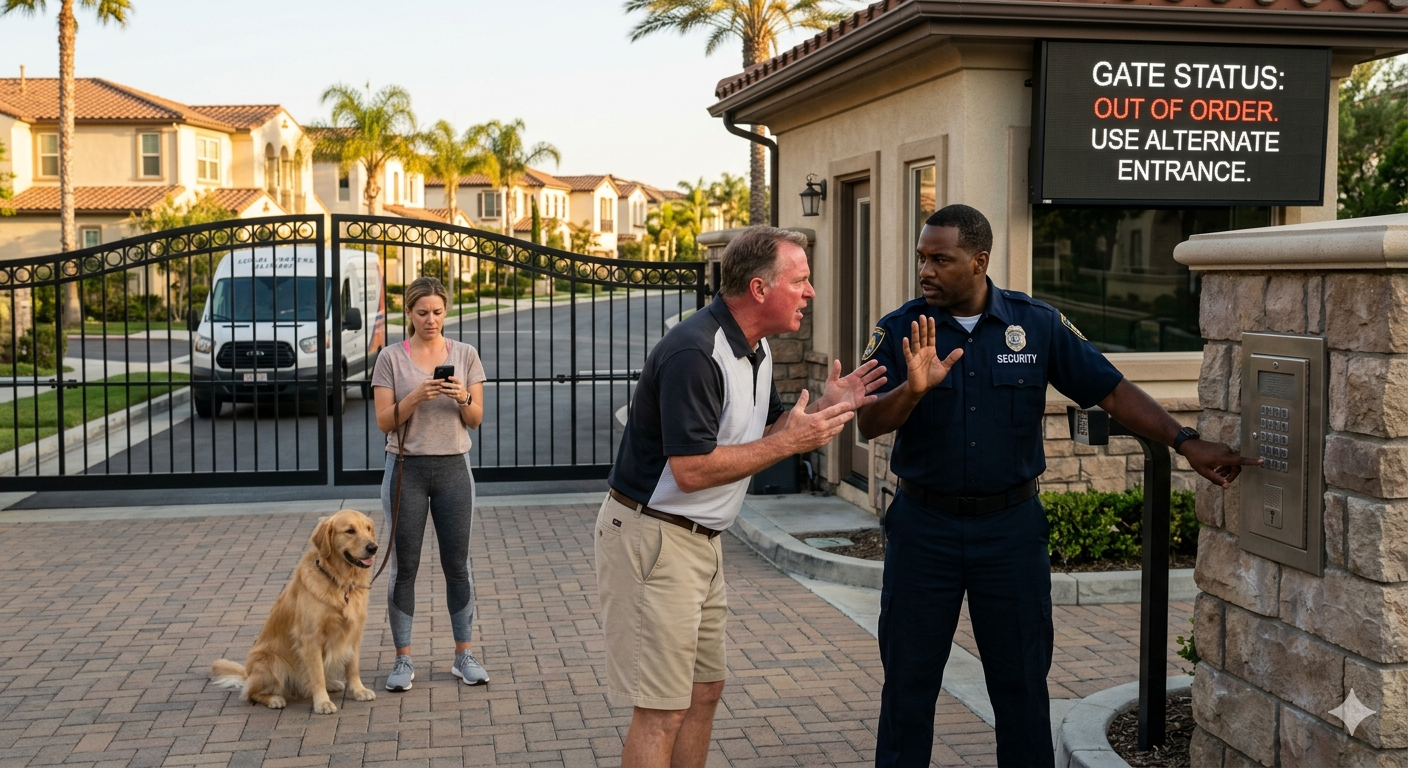
Restricted access in gated communities often creates significant infrastructure limitations. Physical barriers designed to safeguard residents can unintentionally complicate emergency response efforts and routine traffic flow. Emergency vehicles may face delays navigating gates or security checks, potentially putting lives at risk. Likewise, visitor restrictions and controlled entry points can cause congestion and frustration for both residents and service providers, impacting overall accessibility and convenience.
Managing these challenges requires a robust blend of technology and thoughtful urban design. Community managers must continuously monitor access points and infrastructure to ensure smooth operations. Leveraging tools that provide real-time updates can guide residents and emergency personnel efficiently through access protocols. Platforms like Journey offer a seamless communication hub that enhances infrastructure and accessibility management. By enabling instant alerts, traffic updates, and emergency notifications, Journey empowers community managers to coordinate responses swiftly and keep residents informed. This integrated approach fosters a safer, more accessible, and well-maintained environment where residents feel supported and secure.
Living in a gated community offers privacy and security but poses significant challenges. From steep maintenance fees to homeowner association disputes, these issues can test resident satisfaction. Managing security concerns and fostering community engagement require proactive approaches.
Recognizing and addressing these problems, such as Gated Community Problems, can improve living conditions. Embracing technology and open communication can streamline operations and enhance community interactions. With the right strategies, residents can enjoy the benefits of a gated community while minimizing its drawbacks, paving the way for a cohesive and supportive living environment.
Gated communities often face challenges such as high maintenance fees, homeowner association conflicts, and security concerns. Residents may also deal with privacy limitations and restrictions on property modifications.
Although gated communities offer enhanced security, they can create a false sense of security. Determined intruders may still bypass gates, and visitor management can be difficult.
Gated communities may temporarily boost property value due to perceived exclusivity, but factors like high maintenance fees and restrictions can deter buyers, making values volatile.
High maintenance fees, often ranging from $2,000 to $3,000, are needed for amenities and security, contributing to significant resident expenses and potential disputes over increases.
Advantages include privacy and amenities, while disadvantages involve high costs, regulation conflicts, and potential for social isolation. Barriers may limit interaction with broader neighborhoods.
Living in a gated community often incurs higher costs due to maintenance fees and shared amenities. These added expenses can affect property affordability.
HOAs can lead to disputes over community regulations and fee adjustments. Maintaining transparency and managing diverse expectations are crucial to preventing conflicts.
Restricted access can delay emergency responses and affect routine traffic. Infrastructure limitations necessitate continuous monitoring and innovative solutions.


