scan QR code


Imagine a world where the wonders of the night sky become your newest travel aspiration. Noctourism is gaining ground as a unique way to explore the world, focusing on captivating experiences after the sun goes down. From stargazing sessions that transport you to galaxies far beyond our own to night markets buzzing with activity and cultural richness, noctourism allows travelers to savor the mysteries of night-specific adventures in awe-inspiring settings. A pivotal part of this trend are Dark Sky Reserves, where the reduction of artificial light pollution reveals the celestial beauty of the universe. These protected areas not only serve as sanctuaries for stargazers but also hold significant environmental and educational value. As more travelers seek to uncover the breathtaking horizons above them, noctourism is thriving, inviting adventurers to indulge in the serenity and inspiration offered by nighttime wonders.
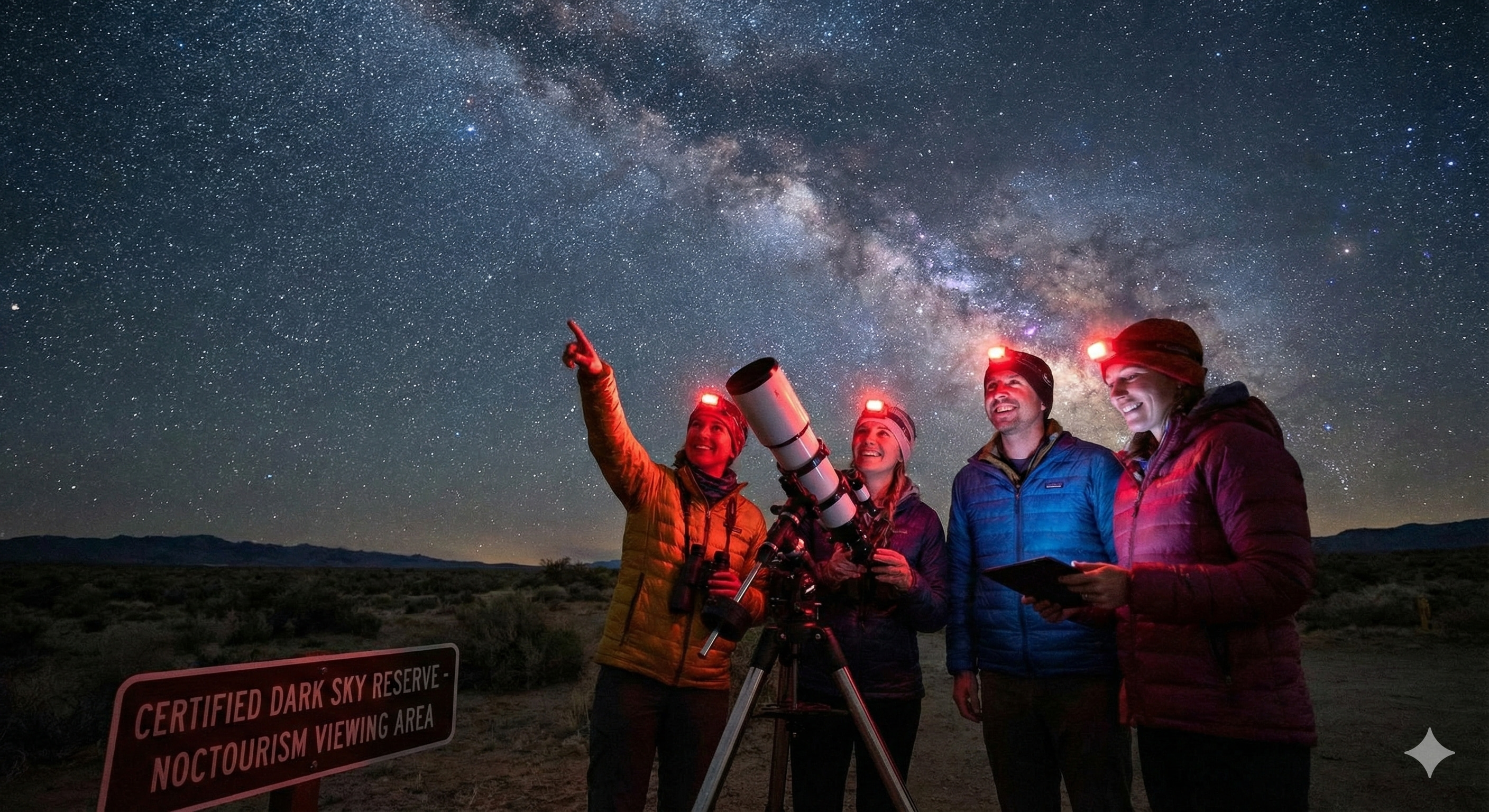
Noctourism is a growing travel trend centered on exploring destinations through nighttime experiences. It invites individuals to engage in activities that can only be fully appreciated after dark—stargazing, night safaris, and cultural events under the stars. This focus on the night offers a fresh perspective on familiar places, enriching the traveler’s journey with the magic and mystery of darkness. Dark Sky Reserves are critical hubs for noctourism, designated areas that maintain exceptionally low levels of light pollution. These reserves protect the natural night environment, preserving the clarity of the night sky and enabling spectacular views of stars, planets, and the Milky Way. Beyond their environmental value, they serve as educational spaces offering rich learning opportunities about astronomy and the importance of preserving natural darkness. The increasing popularity of noctourism reflects a wider desire among travelers to connect with nature and communities in meaningful ways. Seeking destinations like New Zealand’s Aoraki Mackenzie Dark Sky Reserve or other globally recognized stargazing locations, individuals find fulfilling experiences that blend adventure, learning, and community engagement under the night sky. Platforms such as Journey support this movement by fostering vibrant, like-minded communities where individuals can share resources, plan nocturnal endeavors, and deepen their understanding of noctourism together.
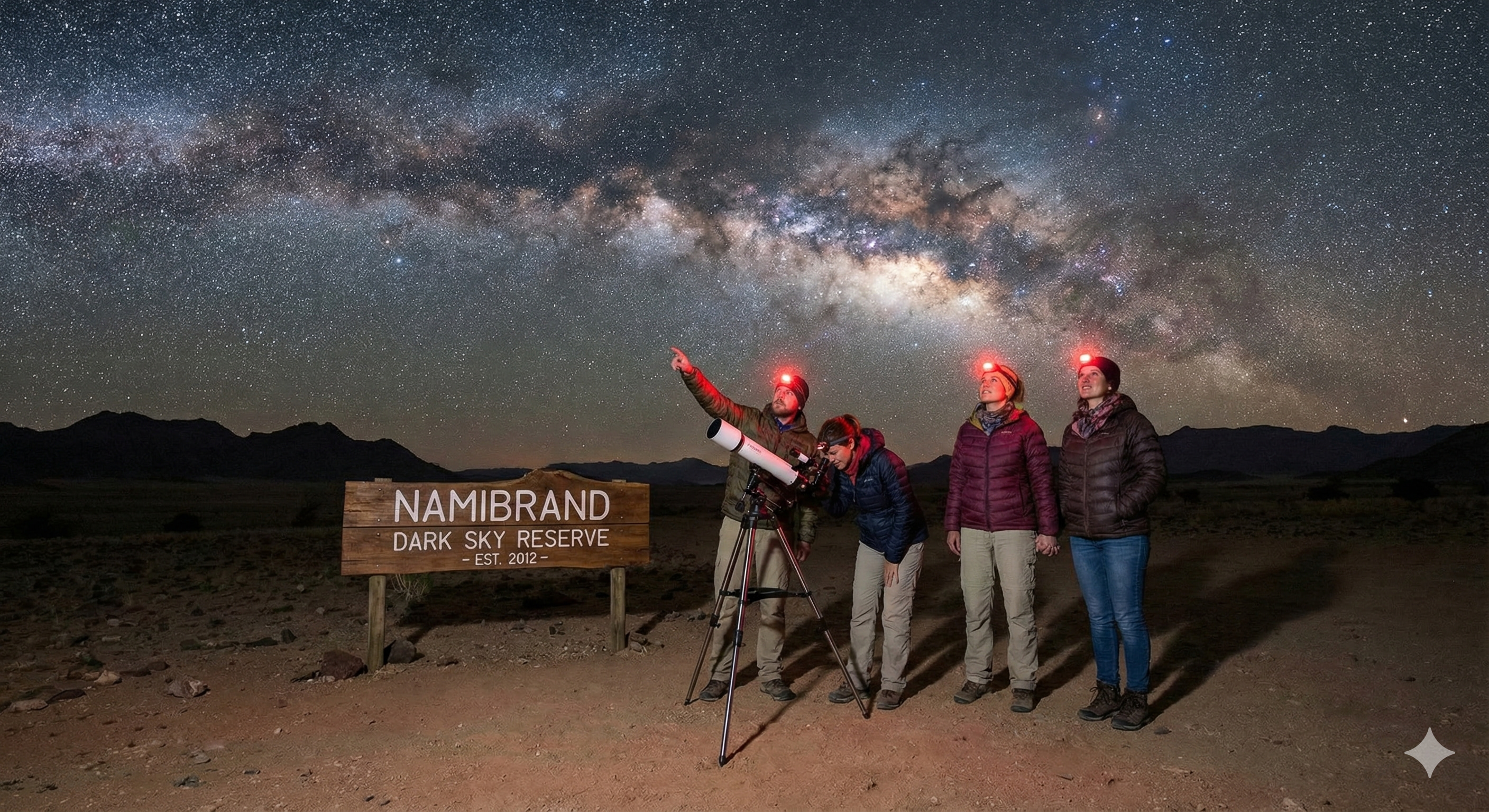
Noctourism continues to captivate travelers by offering enriching nighttime experiences that showcase the world’s celestial wonders. Across continents, destinations with well-maintained dark sky reserves and unique nighttime activities draw individuals eager to witness stargazing locations and partake in astronomy tourism. From the southern hemisphere to the Arctic Circle, these places are critical hubs for connecting with the cosmos in ways not possible in urban environments. Regions like New Zealand and Namibia stand out for their pristine dark sky reserves, where light pollution is minimal, providing rich views of the Milky Way and constellations. Meanwhile, alpine destinations such as Switzerland blend traditional outdoor sports with nocturnal adventures like night skiing. In Asia, Nepal’s high-altitude sites offer unparalleled stargazing experiences, while in Scandinavia, Norway’s Tromsø serves as a popular spot for witnessing the northern lights. These diverse locations highlight the myriad ways noctourism invites travelers to explore the night’s essence. The global rise of astronomy tourism also aligns with increased awareness of environmental preservation and cultural experiences. Many destinations have integrated dark sky protection strategies, promoting sustainable travel that safeguards natural darkness. This growing trend encourages travelers to discover hidden gems and participate in vibrant communities focused on nocturnal exploration.
Travelers seeking to deepen their understanding and participation in noctourism can benefit from platforms like Journey. By creating and joining like-minded communities on Journey, individuals access a vibrant environment where they can share resources, organize group stargazing events, and exchange insights about the best global nocturnal destinations. This community-driven approach enhances the overall noctourism experience, fostering authentic connections and continuous learning among enthusiasts worldwide.
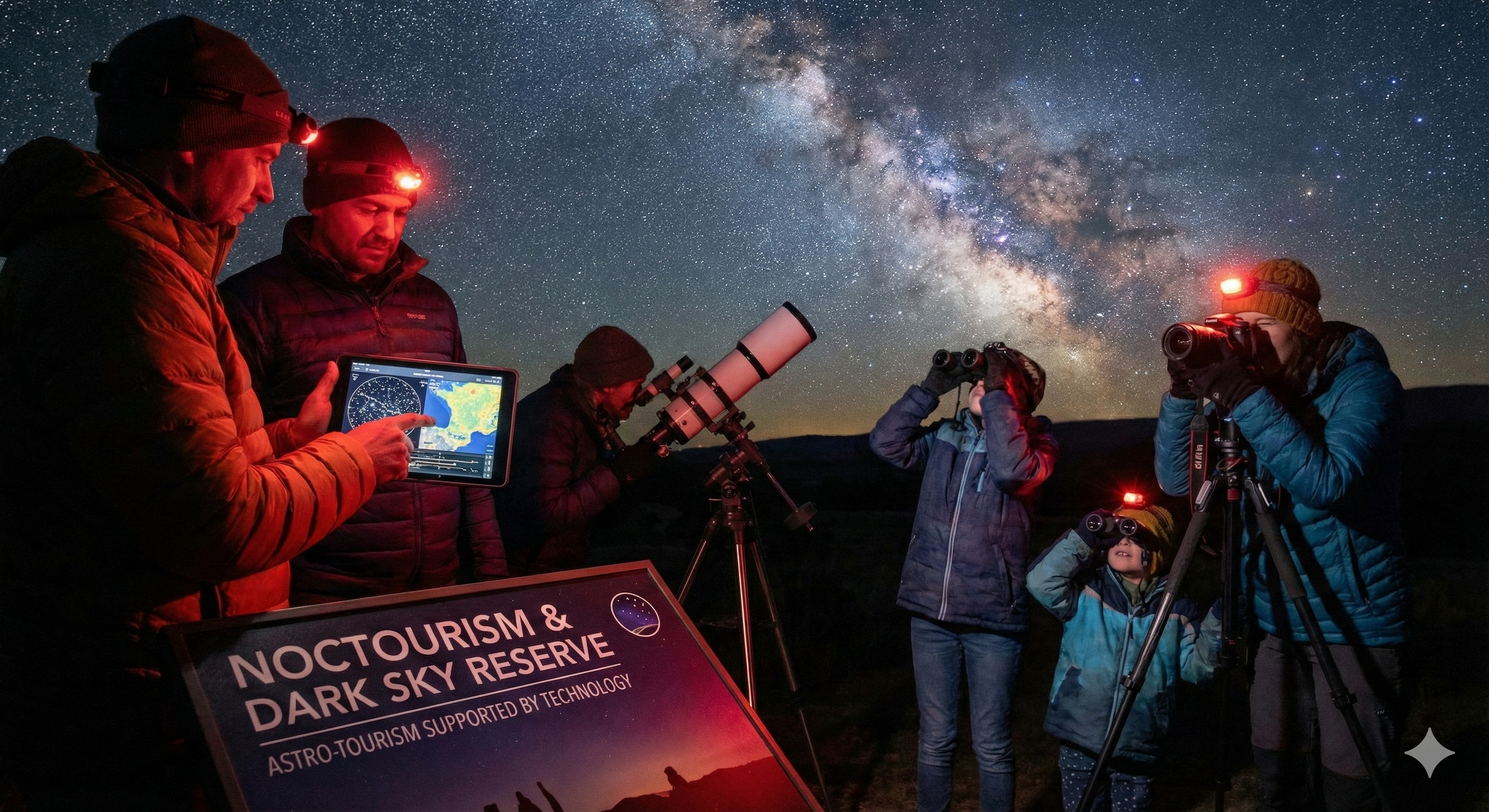
Stargazing in dark sky reserves delivers more than just stunning views of the Milky Way and shimmering constellations. These environments offer a rich educational experience, where individuals can deepen their understanding of astronomy and the natural world. The clarity of the night sky in these protected areas provides a rare opportunity to witness celestial phenomena without the interference of light pollution. This visual connection to the cosmos can also inspire curiosity, reflection, and a profound sense of wonder.

Sustainable travel is central to the future of noctourism, ensuring that the magic of the night sky remains accessible for generations. Eco-friendly tourism supports preserving natural darkness by minimizing light pollution, which disrupts ecosystems and obscures celestial views. Travelers and communities alike share the responsibility to protect these environments through thoughtful practices that respect local wildlife and habitats. Creating and maintaining light-free zones within dark sky reserves plays a critical role in reducing environmental impact. These designated areas safeguard nocturnal animals’ natural behaviors and preserve the integrity of starry skies. Conservation initiatives are vital, often involving local stakeholders and experts working together to implement effective light pollution controls and raise public awareness about night sky protection. Community-driven preservation efforts also highlight the importance of balancing tourism growth with environmental responsibility. Platforms like Journey empower individuals and groups to share resources, organize eco-conscious noctourism activities, and foster mutual respect for these fragile night environments. By engaging in sustainable travel, travelers become active participants in protecting the essence of noctourism.

Careful travel planning is crucial for a fulfilling noctourism adventure. Success depends on considering factors like weather conditions, moon phases, local regulations, and selecting the right astronomy equipment. These details ensure optimal viewing conditions and a seamless nighttime experience in dark sky reserves or other nocturnal destinations.
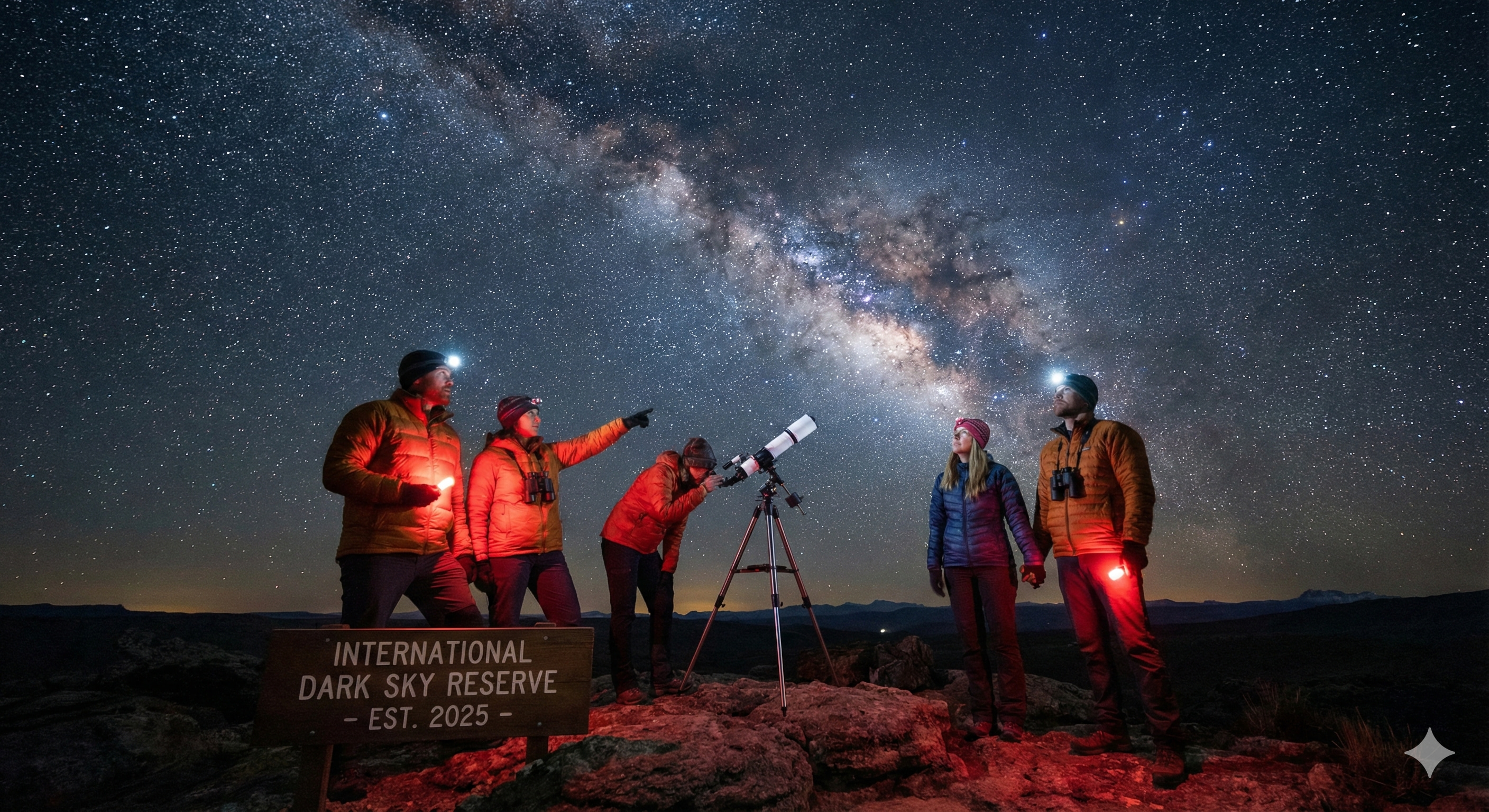
Noctourism offers a diverse array of nighttime experiences that extend beyond traditional stargazing. These activities provide travelers with unique opportunities to connect with nocturnal wildlife and immerse themselves in culturally rich outdoor adventures. From observing elusive animals active only after dark to participating in vibrant local events, the night reveals a world brimming with life and wonder. Dark sky reserves serve as crucial hubs for these nocturnal activities, where natural darkness creates ideal conditions for wildlife observation and night photography. Family-friendly destinations often feature guided experiences that balance adventure with education, fostering a deeper appreciation of the night’s essence. Whether paddling through glowing waters or exploring local markets, these experiences blend excitement with the tranquility of the dark.

Local regulations play a crucial role in maintaining the pristine conditions of dark sky reserves. Governments implement stringent policies to control artificial lighting, ensuring minimal light pollution that preserves the night sky’s natural beauty. These regulations not only safeguard the environment but also respect the cultural significance many communities attach to the night and the stars. Community initiatives are equally vital in dark sky preservation. Local groups often spearhead conservation strategies, promoting environmental responsibility and raising public awareness about the importance of protecting natural darkness. These initiatives foster a sense of belonging and collective stewardship, encouraging residents and visitors alike to participate actively in safeguarding the night sky. Cultural values reinforce conservation efforts by linking night sky protection to heritage and identity. Many dark sky reserves highlight indigenous and local traditions that celebrate celestial phenomena, emphasizing the need for long-term preservation. Such narratives enrich the noctourism experience, blending environmental care with cultural understanding.

Traveling as part of a community of nocturnal explorers enriches the experience by fostering a sense of belonging and shared purpose. Engaging with like-minded individuals who appreciate the essence of night sky wonders creates opportunities for authentic social interactions that go beyond casual tourism. The emotional benefits of traveling together include mutual support, shared discoveries, and collective learning, which deepen the connection to both the environment and each other. Social engagement during noctourism also motivates sustainable travel practices. When travelers connect around common goals, they become more conscious of preserving dark skies and respecting local ecosystems. Platforms that facilitate genuine community engagement are crucial to retaining these values and enhancing the overall nocturnal adventure.
Exploring noctourism unveils a realm of night-specific adventures and educational opportunities. From enchanting stargazing in designated dark sky reserves to engaging with nocturnal wildlife, these experiences invite travelers into a mindful journey.
Dark sky reserves offer a presence where stars shine bright, untainted by artificial light, encouraging sustainable travel and community engagement.
Planning with precision and technology adds to the allure. With the Journey app, travelers find community support and shared inspiration. Embrace noctourism and dark sky reserves to discover a universe of wonder after dusk.
A Dark Sky Reserve is an area with minimal light pollution. These areas allow exceptional stargazing and often offer educational and environmental value. They are ideal for travelers seeking unique nighttime experiences.
Noctourism is a travel trend focused on night-specific experiences. It involves exploring activities like stargazing, night markets, and nocturnal wildlife observation, providing a unique way to experience destinations after dark.
Dark Sky Parks and Reserves can be found worldwide. Popular locations include those in Central Idaho, New Zealand, and Texas. They offer ideal conditions for stargazing and nighttime activities.
Noctourism is pronounced as ""nok-too-rih-zum."" The term combines ""nocturnal"" and ""tourism,"" reflecting travel experiences primarily during nighttime hours.
Popular noctourism destinations include New Zealand, Switzerland, Nepal, Norway, and Namibia, among others. These locations offer unique experiences like night skiing, stargazing at high altitudes, and viewing the Northern Lights.
Dark sky sites are vital for protecting natural night skies from light pollution. They enable stargazing, support wildlife habitats, and contribute to environmental conservation efforts, preserving the sky for future generations.
Astro-tourism offers increased natural awareness, mental relaxation, improved astrophotography skills, better understanding of constellations, and community bonding through shared stargazing experiences. It enhances both personal and educational perspectives.
Successful noctourism trips require careful planning. Consider weather conditions, moon phases, and local regulations. Use the right astronomy equipment, plan for optimal celestial events, and connect with experienced travelers via community platforms.
Sustainable travel in noctourism involves reducing light pollution and supporting conservation efforts. Practices like using low-glare lighting and respecting local wildlife play a crucial role in maintaining natural night skies.
In Dark Sky Reserves, travelers can enjoy night safaris, bioluminescence kayaking, star-themed photography, and local night market visits. These activities offer rich cultural and adventurous experiences under starry skies.