scan QR code


North Korea's social media landscape is cloaked in secrecy and state control, yet it plays a pivotal role in projecting government-approved narratives beyond its borders. Platforms like “Uriminzok” and “Uriminzokkiri” offer a glimpse into this tightly orchestrated digital presence, albeit partnered with heavy restrictions on domestic online access. The dichotomy between North Korea's international digital diplomacy and the sparse reality for its citizens sets the stage for intriguing discussions on its social media community. Despite these challenges, international platforms provide alternative views and support, with defectors and interest groups crafting discussions around culture and politics. Such digital dynamics contrast sharply with global counterparts where platforms foster genuine communities through open dialogue. Journey, a platform prioritizing true connections, exemplifies how digital spaces can serve as forums for authentic interaction, counterbalancing the carefully curated narratives of a controlled environment.
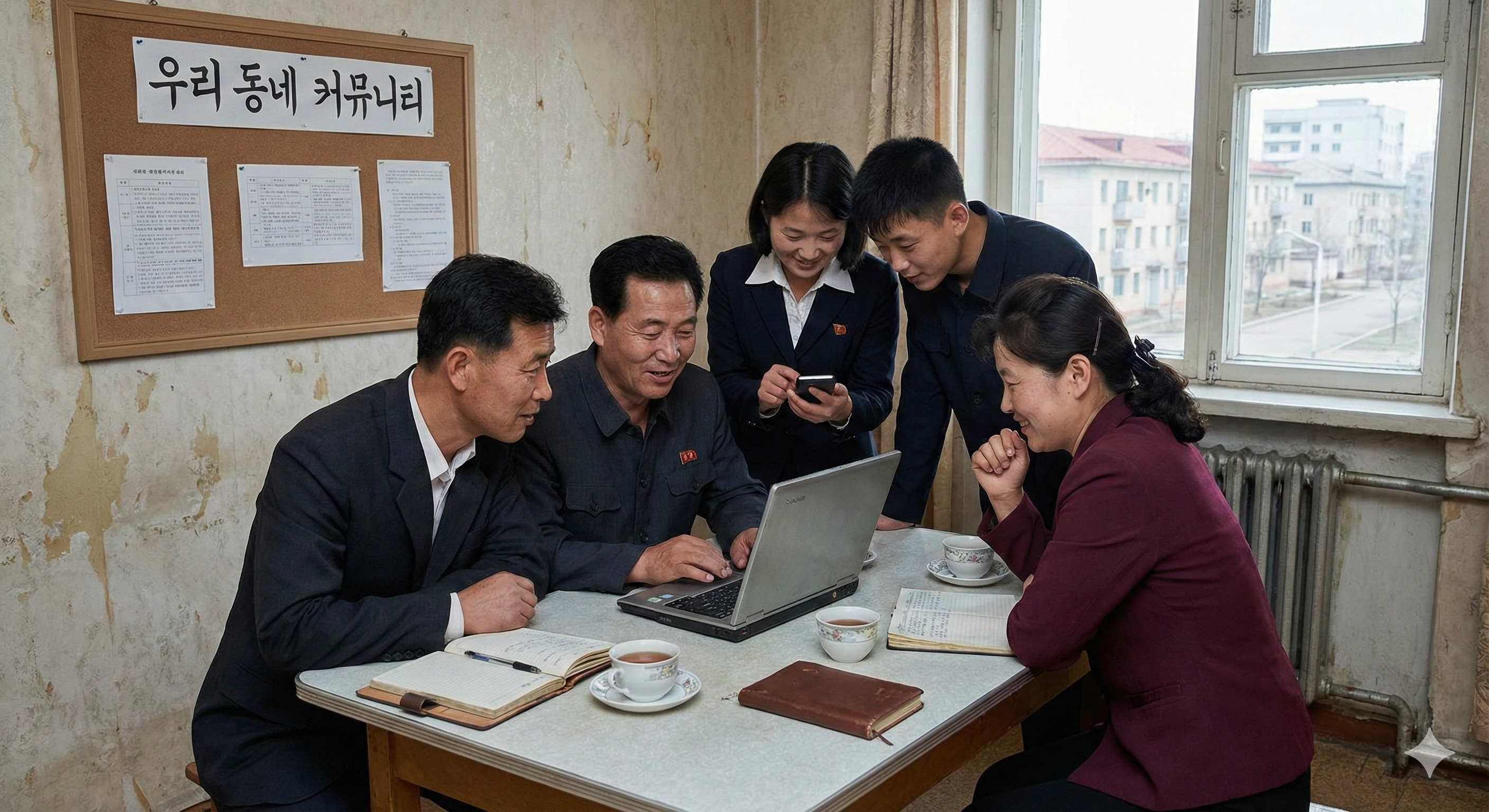
North Korea’s social media landscape remains a complex blend of strategic state messaging and tightly controlled digital engagement. While the government deploys platforms like Twitter and YouTube to project carefully curated narratives internationally, the reality of digital connectivity within the country is far more restricted. Official accounts such as “Uriminzok” and “Uriminzokkiri” illustrate the regime’s efforts to maintain an online presence despite heavy censorship and limited internet access for most citizens. The North Korean social media community functions primarily as a tool for propaganda dissemination rather than open interaction. The government’s control over content and access creates a significant gap between the public’s actual digital experience and the polished international image it seeks to convey. This digital ecosystem is characterized by selective exposure, where state-approved content dominates, and genuine user engagement is minimal or heavily moderated. Understanding this context reveals several crucial aspects of North Korea’s digital environment:
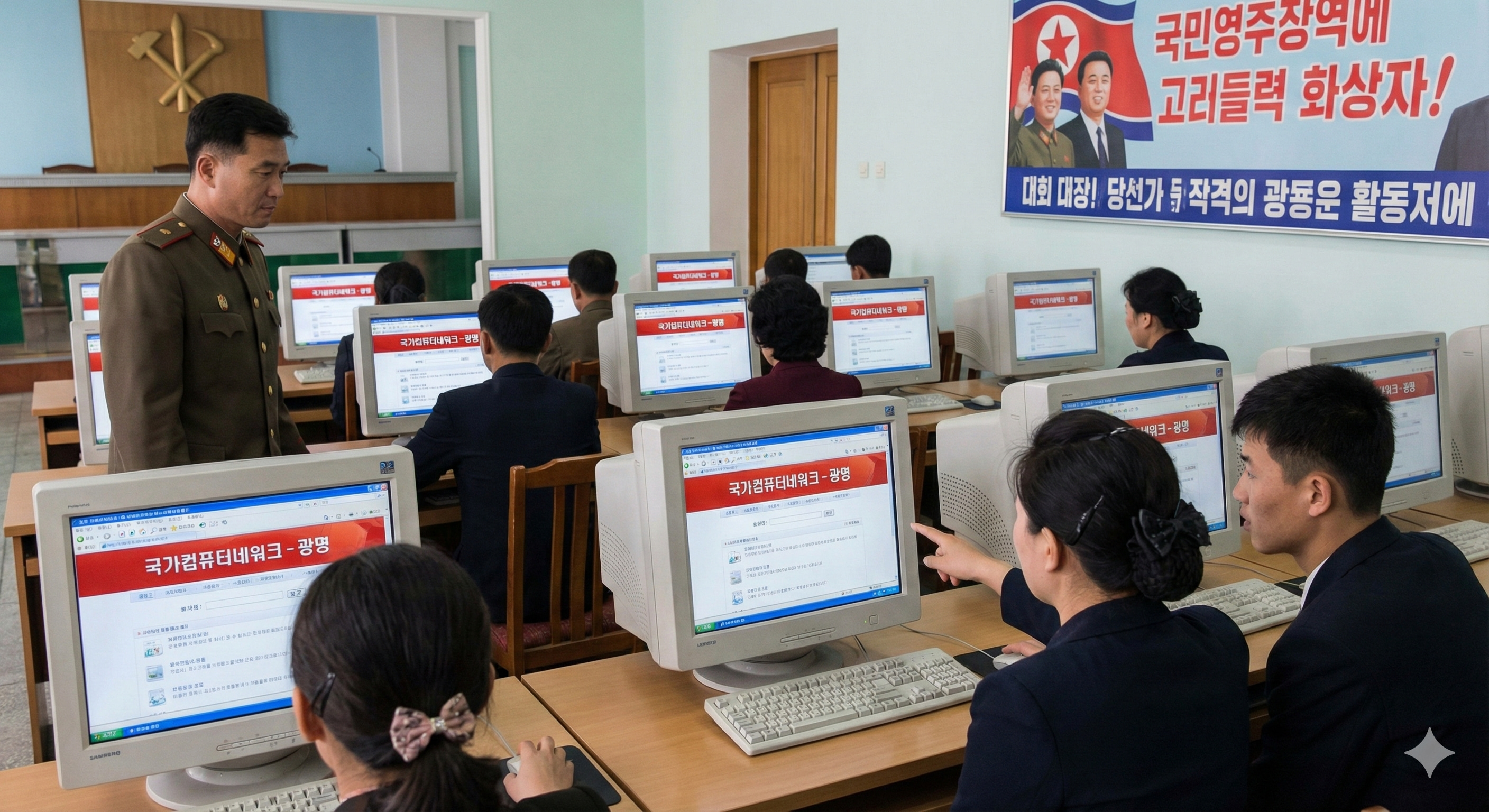
North Korea’s digital communication operates under stringent government control, shaping every online message to align with state propaganda. Social media platforms become tools for the regime’s political agenda, carefully filtering content to maintain a consistent narrative. Despite the global reach of platforms like Twitter, access and interaction remain heavily regulated, reflecting the regime’s prioritization of control over genuine digital engagement. The government maintains official accounts, such as the regime’s Twitter handle with about 16,000 followers, which serve as curated outlets for spreading approved content. These accounts exemplify controlled digital communication, offering limited interaction opportunities while broadcasting carefully crafted messages. This controlled environment starkly contrasts with the openness typically seen in global digital communities. Several features highlight North Korea’s approach:
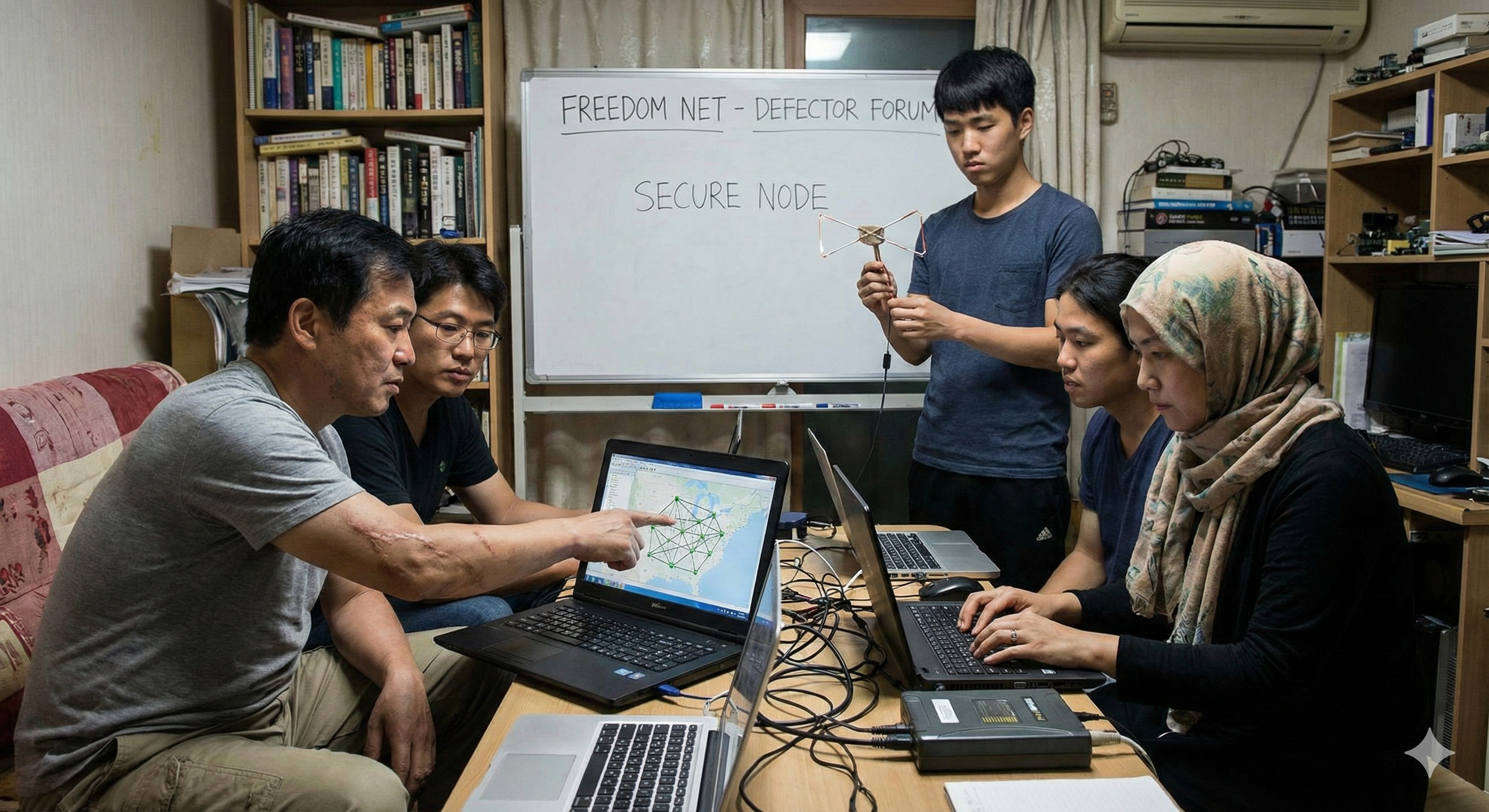
Numerous digital networks, led primarily by defectors and foreign interest groups, have emerged as vital virtual communities offering alternative perspectives on life inside North Korea. These independent online forums provide a rare window into the country’s culture, politics, and everyday experiences—narratives often absent from state-controlled media. Satellite communication and external digital platforms serve as crucial conduits, enabling these communities to flourish despite North Korea’s stringent restrictions on internet access. These virtual communities play a crucial role in expanding digital connectivity among North Korean netizens and those interested in authentic insights. They foster a safe and trustworthy environment where members can share stories, discuss political realities, and exchange cultural knowledge without the filters imposed by the regime. The growth of such spaces highlights the importance of grassroots efforts in creating genuine digital engagement beyond propaganda. Key benefits of these alternative networks include:
-4%20(1).png)
North Korea strategically leverages social media platforms like YouTube and Twitter to shape its image on the global stage. These platforms serve as vital outlets for the regime’s propaganda efforts, aiming to present a controlled, positive narrative that counters widespread negative perceptions. The government’s digital campaign focuses on amplifying state-approved content, targeting international audiences to influence global discourse. This digital endeavor is met with a mix of skepticism and resistance from international media and online activists. Many observers critically analyze the regime’s messaging, highlighting discrepancies between official narratives and realities reported by defectors and foreign media. Online activism plays a central role in challenging North Korea’s portrayal, using social platforms to share authentic stories and counter misinformation. Despite these tensions, North Korea’s social media influence persists as a noteworthy example of how authoritarian regimes attempt to utilize global digital tools for political purposes. The international landscape reveals a complex interplay between propaganda outreach and digital activism, underscoring the importance of critical engagement in global interactions. Key aspects of North Korea’s social media influence include:

North Korea’s digital storytelling serves as a crucial tool for crafting and disseminating cultural narratives that project a positive image of the country to the world. The regime’s media strategy centers on sharing videos and social media posts that emphasize cultural pride, national achievements, and the resilience of its people. This curated content aims to build a sympathetic and relatable image abroad, countering negative global perceptions. The backbone of this digital storytelling lies in several key techniques:

North Korea’s regime employs a highly controlled social media strategy designed to promote its ideology with precision. Official channels meticulously curate content, aiming to engage international audiences while maintaining strict oversight. This carefully crafted approach prioritizes projecting a consistent, positive image of the state, often at the expense of genuine user interaction or organic engagement. In stark contrast, defector-led and third-party networks operate with a more organic and grassroots style of digital engagement. These communities prioritize authentic communication and personal storytelling, fostering trust and meaningful connections that challenge official narratives. Their interactions are less about control and more about sharing real experiences, creating a richer and more diverse digital ecosystem beyond state propaganda. Key strategic approaches employed by the North Korean regime include:
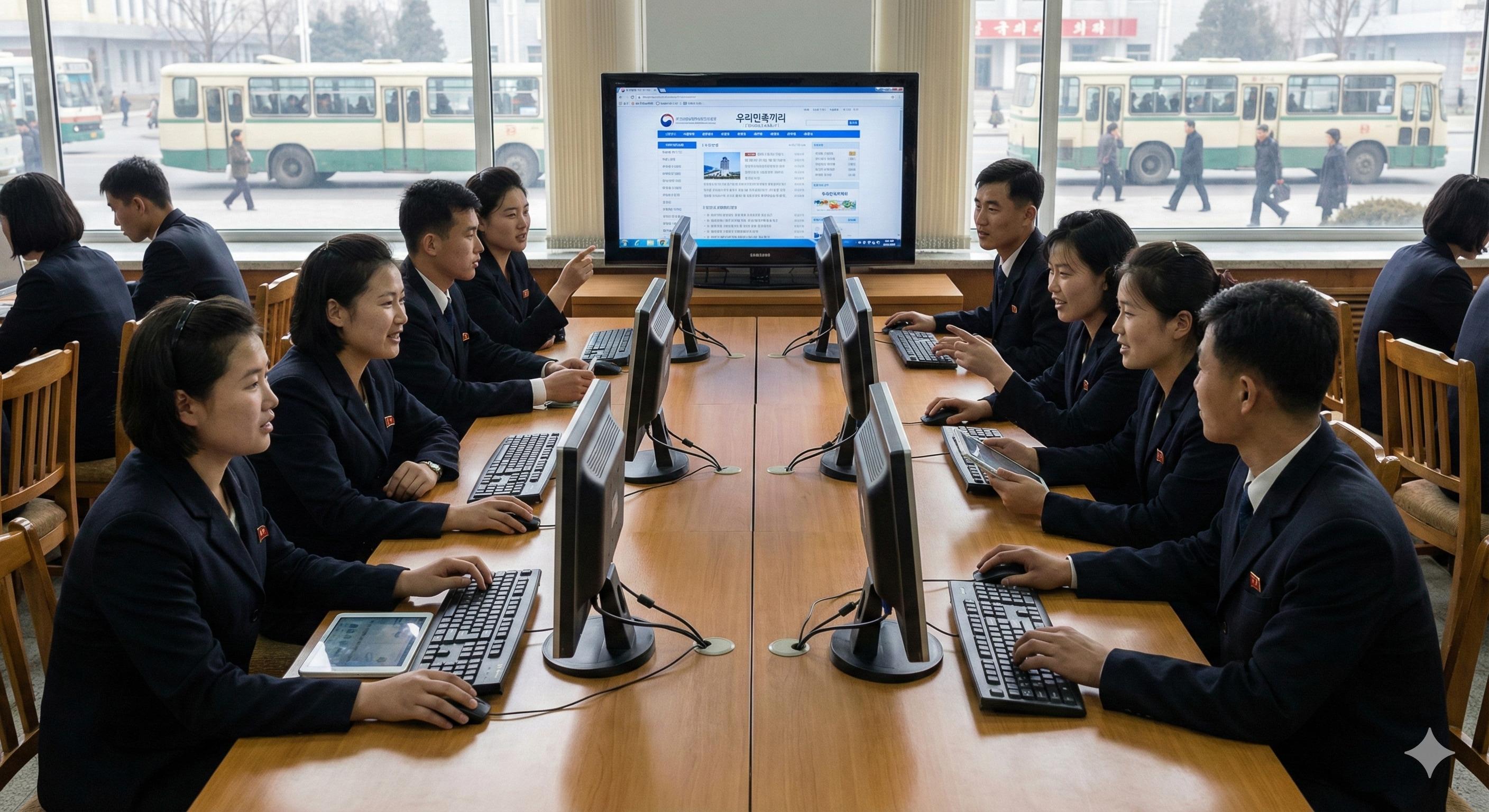
North Korea enforces some of the most stringent internet restrictions globally, confining its population to a tightly controlled intranet system. This isolation severely limits digital access, preventing most citizens from freely exploring global content or engaging with international social platforms. The regime’s media regulations serve as a backbone for extensive online censorship, shaping and restricting the flow of information both within and beyond its borders. This environment creates significant challenges for the formation and sustainability of virtual communities. With user-generated content tightly monitored or outright suppressed, genuine interaction and diverse discussion struggle to take root. However, innovation emerges in response to these constraints. Some individuals and groups rely on satellite communication and external networks to bypass filters, enabling alternative digital channels where uncensored information about culture and politics can be exchanged. These efforts highlight a crucial blend of resilience and creativity amid severe limitations. Key effects of internet restrictions and censorship in North Korea include:

North Korea’s digital space is a stark contrast to the vibrant, open ecosystems seen on global social media platforms. The country’s intranet is an isolated network, heavily controlled by the government, offering limited access to content and interaction. In comparison, platforms like Facebook, Twitter, and YouTube provide free and expansive access to diverse user-generated content, enabling rich online collaboration and global interactions. This openness fosters a dynamic environment where individuals connect across borders, share ideas, and participate in discussions without stringent restrictions. While North Korea’s digital ecosystem is characterized by rigid control and limited connectivity, global platforms thrive on inclusivity and user empowerment. They support myriad communities built around shared interests, passions, and goals, encouraging continuous participation and growth. This blend of free access and diverse voices creates a trustworthy environment for genuine engagement. Emerging platforms like Journey further enhance this landscape by offering tools designed for meaningful community building, prioritizing authentic social interactions over superficial content.
Platforms like Journey are redefining digital communities by combining robust customization and privacy options with seamless tools for content sharing and engagement. Journey empowers individuals to create safe, well-maintained spaces that foster mutual trust and continuous interaction among like-minded members. Unlike the rigid North Korean environment, Journey supports granular control over community dynamics, enabling long-term growth and authentic connections. This approach highlights the essence of fulfilling digital collaboration—where members genuinely participate, share experiences, and enrich each other’s journeys.

In a world where many social platforms prioritize quantity over quality, Journey stands out by centering on authentic community engagement and real-time communication. Unlike controlled or superficial digital ecosystems, Journey fosters a safe and trustworthy environment where individuals can meaningfully interact and participate in vibrant communities built around shared interests and passions. This approach is crucial for users seeking deeper connections beyond curated or state-controlled content. Journey offers robust tools that empower community owners to create and customize spaces tailored to their members’ needs. The platform supports seamless interaction through group chats, direct messaging, and dynamic community feeds, encouraging continuous participation and mutual support. By safeguarding privacy and emphasizing genuine connections, Journey effectively blends security with social vibrancy—qualities that are essential for fulfilling, long-term digital communities. Key features highlighted on Journey include:

North Korea’s digital landscape remains tightly controlled, but emerging global social media trends and evolving technologies suggest potential shifts ahead. While the regime maintains stringent censorship, there is increasing speculation about gradual technology adoption that could blend state narratives with more open international digital practices. This evolving environment may eventually foster new forms of online community dynamics within the country. Observers highlight that digital innovation and increasing global connectivity could influence North Korea’s restricted online ecosystem. Advances in mobile technology, satellite communication, and AI-powered tools might gradually expand access and interaction, even under government oversight. Such changes could create more vibrant and nuanced digital spaces where users engage in curated yet richer social experiences. However, these developments will likely remain balanced against ongoing efforts to control information flow and maintain ideological alignment. Despite these constraints, the future may hold opportunities for private and grassroots digital networks to gain influence. As global social media strategies evolve, North Korea might see a slow rise in platforms that incorporate interactive content and community engagement—albeit within tightly regulated frameworks. Innovation in state-approved online content could introduce more varied storytelling and participation tools, enhancing the regime’s outreach while cautiously responding to international digital trends. Anticipated developments include:
Exploring North Korea's social media community reveals a complex blend of state control and strategic international outreach. Digital storytelling, propaganda, and tight censorship paint a picture of controlled digital interaction. Despite this, defector-led communities offer alternative insights into North Korean life.
The comparison with global online platforms highlights the stark contrast in access and freedom. Platforms like Journey showcase the potential for genuine user engagement, fostering real connections beyond superficial interactions. As digital trends evolve, there remains hope for more open communities that encourage authentic engagement and understanding across borders.
Social media is banned in North Korea due to strict government control to prevent foreign influence and maintain internal stability.
Tourists can only access a limited, highly controlled version of the internet in North Korea. Full global internet access is restricted.
North Korea doesn't officially use Facebook like other countries, but has state-approved accounts like “Uriminzokkiri” on platforms.
Kwangmyong is North Korea's national intranet, offering limited, censored access to approved content, and is inaccessible to outsiders.
Instagram, TikTok, and similar platforms are not allowed in North Korea due to strict regulations on foreign media.
North Korean citizens cannot freely access YouTube; content is strictly curated and controlled by the government.
North Korea uses social media to project state narratives internationally, with limited access for its own citizens.
The internet in North Korea is highly restricted, with most citizens limited to a state-controlled intranet and no access to global networks.