scan QR code


In today's fast-paced world, parcel delivery has become a critical aspect of daily life, especially in urban communities. But, what happens when delivery schedules clash, space is limited, and misplaced packages become a common issue? Enter the concept of "Parcel Tetris," where neighbors come together to strategically organize shared storage spaces. This innovative approach not only optimizes space but also strengthens community ties through collaboration. By transforming challenges into opportunities for cooperation, neighbors can prevent package damage, streamline deliveries, and reduce stress. The Journey app further empowers residents by enhancing communication and scheduling, ensuring everyone stays connected and informed. Embrace the power of neighborly teamwork and discover how turning parcel management into a communal effort can enhance community bonds in significant ways.
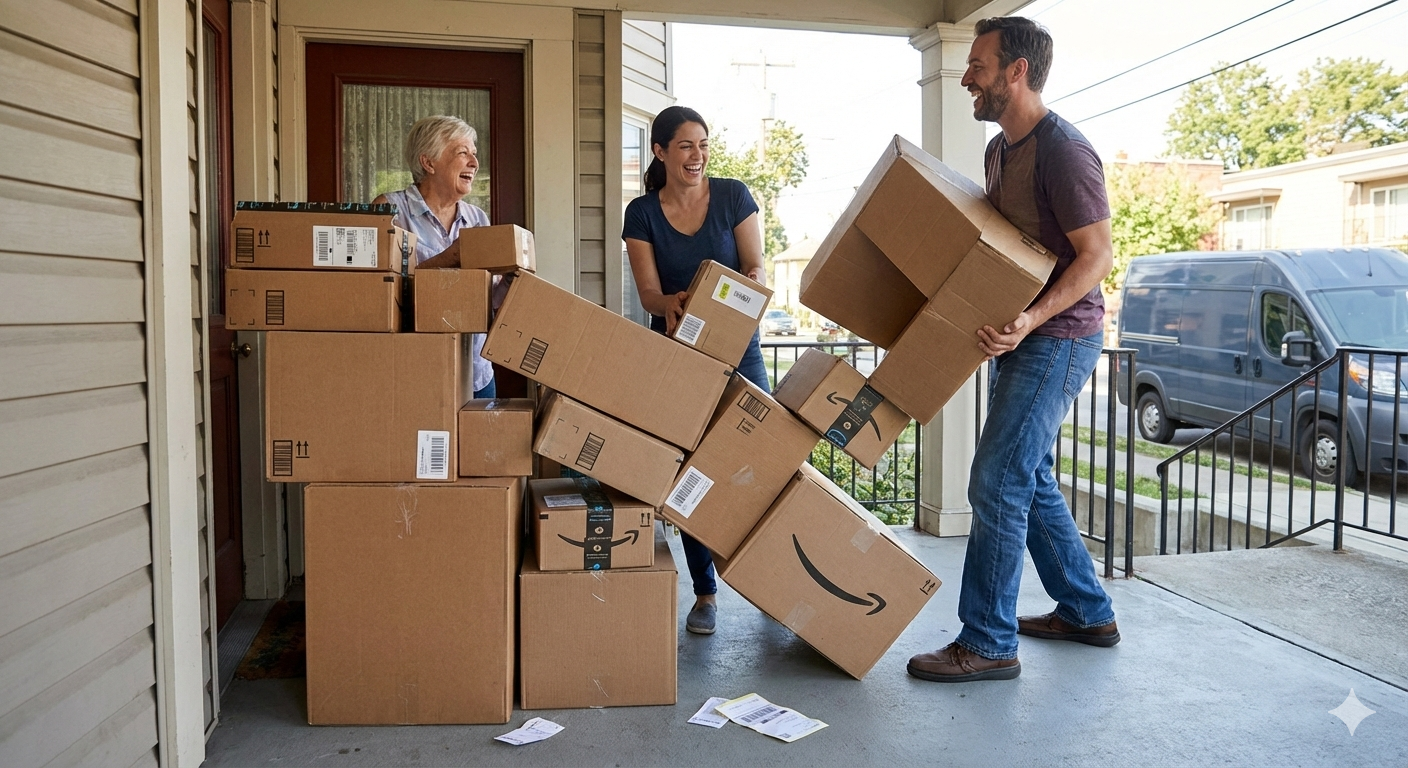
Organizing parcels in shared spaces is more than a logistical challenge — it’s an opportunity to foster mutual trust and cooperation among neighbors. When individuals collaborate on parcel management, they create a foundation for ongoing community engagement and support. This shared endeavor requires clear communication, respect for limited space, and a spirit of cooperation that enriches neighborly relations beyond just package delivery. Key challenges often arise in these environments, such as:

Maximizing limited space while organizing parcels efficiently requires a strategic approach grounded in clear planning and cooperation. First, assessing and measuring the available storage area sets the foundation for all subsequent steps. Knowing the exact dimensions helps neighbors visualize possibilities and allocate space appropriately, preventing overcrowding and confusion. Next, categorizing parcels by size and urgency streamlines the sorting process. Larger or more fragile packages can be separated from smaller, everyday deliveries, while urgent parcels receive priority placement. This classification reduces the risk of damage and ensures timely retrieval. Designating specific storage zones within the shared area enhances accessibility and accountability. Each zone can serve different types of packages or individual recipients, reducing misplacement and fostering a sense of order. Clearly labeled zones communicate expectations and boundaries, which helps maintain a well-organized environment. Establishing a rotation system for parcel placement keeps the storage area dynamic and prevents stagnation. Regularly moving older parcels out and refreshing the layout ensures continued space optimization and prevents clutter buildup.

Effective communication forms the backbone of successful parcel management in shared spaces. Neighbors who regularly engage in open dialogue create an environment of trust and cooperation, reducing delivery-related stress and clutter. Establishing clear guidelines and expectations around parcel handling nurtures a sense of mutual respect and accountability, which is crucial for sustaining a well-maintained communal area. Key practices that foster this trust include:

Urban living often means navigating tight spaces and shared storage areas, where parcel organization becomes a critical challenge. Employing space-sharing innovations like vertical storage, clear labeling, and designated parcel zones transforms cramped environments into efficient, accessible hubs. These techniques enable neighbors to safeguard deliveries while maintaining a well-maintained communal space. Visual aids and step-by-step guides play a central role in this process. They help residents map out storage strategies that maximize every inch without causing clutter or confusion. By integrating organized parcel portions, neighbors can ensure packages remain easily accessible, reducing the risk of damage or misplacement. The following table highlights practical techniques for parcel organization, their benefits, and implementation tips that urban communities can adopt to enhance shared storage solutions:
Visual diagrams and clear labeling serve as critical tools in transforming shared parcel spaces into well-maintained, efficient hubs. Combining traditional organizational methods with smart parcel management techniques allows neighbors to reduce delivery stress and safeguard packages effectively. Using digital tools enhances this process by enabling seamless updates and collaborative planning, fostering a community-driven approach to parcel management. Setting up an effective visual guide system begins with mapping out the storage space. Understanding the area’s dimensions helps residents allocate zones thoughtfully, avoiding overcrowding. Identifying specific zones for parcels of different sizes adds clarity and supports quick access. Finally, creating a visual diagram using digital tools ensures that all neighbors can reference a clear, shared layout that evolves alongside their needs.

Sustaining an organized parcel system in shared spaces demands continuous attention and adaptability. Regularly reviewing and adjusting storage plans is crucial to retaining an efficient, clutter-free environment. As parcel volumes and delivery patterns shift over time, neighbors must come together to assess what’s working and where improvements are needed. This ongoing process transforms parcel management from a one-time task into a fulfilling, collective endeavor. Incorporating flexible delivery schedules enhances the system’s resilience. By collaborating on staggered delivery times or designated drop-off windows, neighbors can prevent overcrowding and ensure that parcels remain accessible and secure. Flexibility enables the community to respond effectively to fluctuations in parcel traffic, reducing stress and fostering mutual trust. Leveraging communal feedback is central to refining storage strategies. Encouraging neighbors to share their experiences, challenges, and ideas creates a vibrant hub of communication that supports continuous growth. This exchange of insights helps identify innovative collaborative storage hacks tailored to the community’s unique needs, enriching the collective understanding and engagement. Investing in sustainable storage upgrades ensures long-term benefits. Durable, well-designed shelving or modular units that maximize vertical space not only safeguard packages but also contribute to a trustworthy and well-maintained environment. Such improvements showcase a commitment to quality and community wellbeing, encouraging participation and shared responsibility.
Navigating Parcel Tetris with Neighbors requires strategic cooperation. Efficient organization in shared spaces presents both challenges and opportunities. Success hinges on teamwork and clear communication.
Strategic planning, such as space optimization and categorization, proves critical. Establishing community trust enhances parcel management. Urban living demands innovative storage solutions. Visual guides offer practical insights for streamlining parcel handling.
Adapting strategies to new challenges ensures seamless parcel flow. Emphasizing community support fosters a collaborative environment. With Parcel Tetris with Neighbors, meaningful improvements in space-sharing are achievable, creating more harmonious living spaces.
A: Parcel Tetris involves efficient parcel organization in shared spaces. Planning and neighbor cooperation maximize space use. Implement clear labeling, accessible stacking, and scheduling through apps like Journey to manage deliveries.
A: To optimize space, assess and measure available space, categorize parcels by size, designate storage zones, and label areas. Utilize vertical space and coordinate with neighbors for efficient parcel sharing through digital tools.
A: Parcel Simulator contracts guide the management and fulfillment of delivery tasks. Players must coordinate logistics, schedule deliveries, and optimize resources to meet contractual obligations effectively.
A: The best Parcel Simulator layout includes efficient use of space, clear traffic flow, strategic equipment placement, and organized zones for different cargo types. Regularly tweak layouts based on performance analysis.
A: The request van button in Parcel Simulator schedules a pickup by a delivery van. Use it to manage outgoing parcels efficiently, ensuring timely and organized dispatching as part of the logistics process.
A: In Parcel Simulator, a Diverter sorts parcels into different pathways. It aids in directing parcels based on size, type, or destination, enhancing the efficiency of parcel processing and flow management.
A: Community building improves parcel management by fostering open communication and trust. Set regular meetings, clear guidelines, and agreements for shared space to reduce clutter and enhance efficiency.
A: Regularly review and adjust storage plans, incorporate flexible schedules, gather community feedback, and invest in sustainable upgrades for effective long-term parcel management in shared spaces.
A: The Journey app aids neighbors by streamlining communication, promoting cooperation, and sharing organizational practices. It enhances community engagement by coordinating parcel management efforts.