
scan QR code


Pickleball is more than just a sport; it's a rapidly growing phenomenon that has sparked intense "Pickleball Turf Wars" across communities. As boomers flock to the game, the demand for courts far outstrips supply, leading to makeshift setups in unexpected places and friction with traditional tennis players. This surge has not just inflated noise complaints but has also ignited spirited discussions on recreational space allocation. But amidst the clamor, there's an opportunity for communities to forge genuine connections. Platforms like Journey are stepping in to mediate these conflicts, offering a path to harmonized scheduling and shared resources. Through collaborative dialogues and strategic planning, communities can transform turf wars into opportunities for unity, community building, and authentic social interactions.
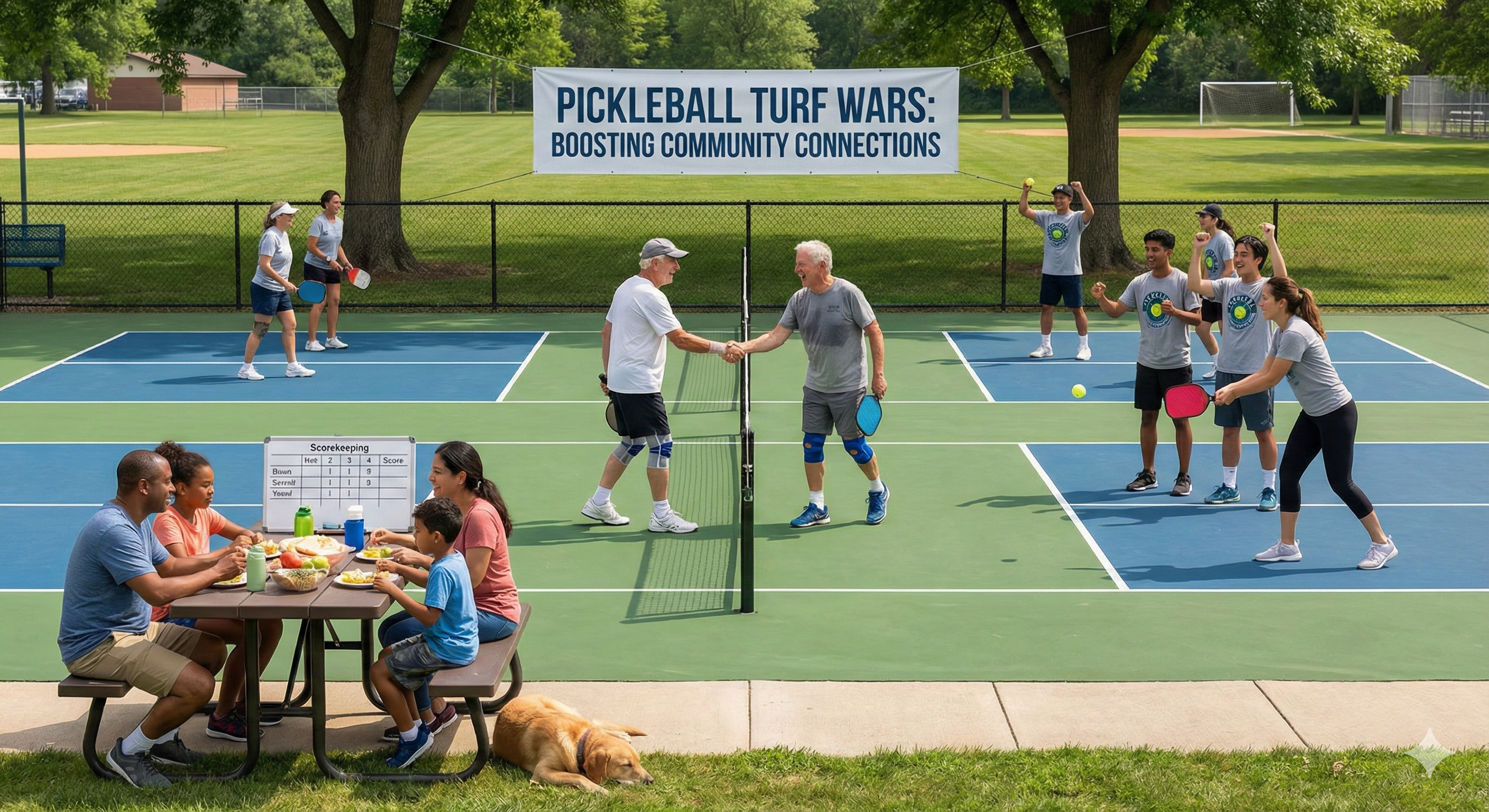
Despite the tensions surrounding court availability, pickleball turf wars have sparked a fulfilling endeavor to build stronger community bonds. As players from diverse backgrounds compete for limited space, they also discover a shared passion that fosters connection and mutual support. Many communities have responded by organizing inclusive discussions and collaborative scheduling efforts to reduce conflicts. These initiatives encourage like-minded individuals to engage in productive communication, transforming rivalry into partnership. The process highlights the essence of community impact—creating opportunities for meaningful interaction amid competition. Platforms like Journey play a critical role in this dynamic by serving as a vibrant hub for organizing pickleball groups and managing facility schedules. Journey’s robust tools enable community members to create customized groups, share updates, and participate in focused discussions that align with their interests. Its seamless event management and group chat features support real-time coordination, helping neighborhoods turn friction into cooperation. Furthermore, Journey’s AI-powered moderation and personalized recommendations safeguard trust and credibility within these communities. By fostering a safe environment, it encourages continuous participation and the retention of engaged members. This enriched interaction not only eases turf tensions but also cultivates long-term relationships built on shared experiences and mutual respect. Through effective communication strategies and integrated community management, pickleball turf wars have become a catalyst for growth and authentic social connections in local neighborhoods.

At Hermon Park in Los Angeles, proposals to convert tennis courts into pickleball courts have ignited tensions between established tennis players and the expanding pickleball community. This conflict highlights a critical challenge faced by many neighborhoods: limited court availability forcing difficult decisions about recreational space allocation. The surge in pickleball participation has intensified noise complaints, as the distinctive sound of pickleball paddles echoes louder than tennis rackets, disrupting nearby residents. These issues have prompted neighborhood associations and local authorities to organize community meetings aimed at addressing grievances from both sides. Such discussions are crucial for fostering mutual understanding and exploring equitable solutions. They serve as a platform for diverse voices to share their experiences and collaborate on scheduling and facility use. Tools like the Journey app further enhance these efforts by providing a seamless hub for organizing group chats, coordinating court times, and sharing updates. Journey’s customizable community features encourage continuous engagement and respectful communication, helping neighborhood groups navigate conflicts while building a vibrant, supportive environment around shared recreational spaces.

The rapid expansion of pickleball has created a critical shortage of designated courts, leading to long wait times and forcing many players to seek alternative spaces. This surge, marked by a 223.5% increase in participation over recent years, has made facility scheduling a central challenge for communities and recreational leagues alike. Effective scheduling solutions are essential to accommodate the growing player demographics while reducing conflicts over limited court time. Streamlined management of facility use not only improves access but also fosters a more vibrant, inclusive environment where diverse groups can participate meaningfully. Journey offers a robust platform that supports these needs by providing seamless scheduling and coordination tools. Communities can organize court bookings, share updates, and communicate in real time through group chats. Its customizable features enable community leaders to implement fair usage policies and optimize court availability, enhancing overall engagement. By leveraging Journey’s integrated scheduling capabilities, players and organizers gain granular control over facility access, reducing friction and promoting mutual respect. This approach transforms competition into collaboration, enriching the player experience and supporting sustainable growth for pickleball communities.
.png)
The rapid rise of pickleball has captured the interest of the boomer generation, intensifying competition for limited court space. This demographic’s enthusiasm has brought to light a generational divide in sports participation and resource allocation, with seasoned players often clashing over who deserves priority. Disputes frequently arise because of the shortage of well-maintained courts that cater to both tennis and pickleball. Boomers, who are eager to engage in their preferred sport, face frustration when scheduling conflicts limit their access. These tensions underscore the importance of effective communication and conflict resolution strategies within communities. Journey serves as a robust hub for boomer communities, offering tools that support organizing and coordinating court times efficiently. Through customizable member profiles and group chats, users can foster a rich environment for sharing ideas and scheduling matches. Journey’s AI-powered moderation ensures a safe and trustworthy space, encouraging continuous participation and mutual respect. By enabling seamless coordination and facilitating meaningful connections, Journey helps bridge generational divides. It empowers boomers to engage authentically, turning competitive turf wars into opportunities for community growth and long-term camaraderie.

The turf wars between tennis and pickleball reveal more than just a battle for court space—they expose a deeper clash of sporting cultures. Tennis, experiencing a revival, draws seasoned players who cherish its traditions and well-maintained courts. Meanwhile, pickleball continues its rapid expansion, attracting a diverse and growing base eager to embrace its accessibility and social appeal. This dynamic has fueled a sports rivalry that challenges communities to balance competing demands for recreational resources. Prominent figures highlight these tensions. Novak Djokovic, a leading voice in tennis, has expressed concerns about the conversion of tennis courts into pickleball and padel courts. In response, organizations like the USTA promote alternatives such as Red Ball Tennis, designed to offer a more accessible and social experience while preserving tennis culture. These efforts underscore the broader pickleball vs tennis dynamics shaping how communities allocate spaces and resources. Noise complaints add another layer of complexity. The distinctive sound of pickleball paddles tends to be louder and more frequent, often sparking frustration among tennis players and nearby residents. These factors intensify competitive tensions and emphasize the need for effective communication and cooperation between the two communities. Platforms like Journey serve as a critical hub in this environment. Journey’s robust tools enable players and organizers from both sports to communicate, share updates, and coordinate facility scheduling seamlessly. Customizable community spaces and group chats allow like-minded individuals to foster mutual understanding and respect. By leveraging Journey’s integrated features, communities can transform rivalry into collaboration—enhancing participation, reducing conflicts, and enriching the shared experience around these vibrant sports.

Pickleball turf wars, while often framed as conflicts, have become a fulfilling endeavor that fosters genuine community connections. As players from diverse backgrounds compete for limited court space, they also discover shared interests and mutual respect, turning rivalry into collaboration. Community outreach efforts, such as stakeholder meetings and facilitated discussions, play a crucial role in mediating disputes. These meetings enable players and local leaders to voice concerns and co-create court sharing solutions that cater to everyone’s needs. Establishing clear guidelines and transparent scheduling reduces tensions and encourages continuous, positive interaction. Platforms like Journey serve as a vibrant hub for these efforts, offering robust tools that support community leaders and players alike. Journey’s seamless scheduling features help coordinate court times, while its customizable group chats provide a safe space for focused discussions on conflict resolution. The AI-powered moderation safeguards trust and credibility, ensuring conversations remain respectful and productive. By leveraging Journey’s integrated communication and organizational capabilities, communities can implement effective conflict resolution strategies. This fosters a more inclusive playing environment where diverse players feel valued, enhancing long-term engagement and enriching the overall pickleball experience.
-4%20(3).png)
Pickleball turf wars, while often viewed through the lens of competition, have become a fulfilling endeavor that fosters genuine community connections. As diverse individuals navigate limited court access, they discover common ground and shared passion, transforming rivalry into collaboration. Communities are increasingly organizing focused discussions and cooperative scheduling to manage resources effectively. These initiatives encourage like-minded players to engage in productive communication, fostering mutual understanding and long-term relationships. The essence of this effort lies in creating safe, respectful spaces where every voice can contribute to equitable solutions. Journey plays a crucial role as a vibrant hub that supports these community-building efforts. Its robust tools enable members to create customized groups, share timely updates, and participate in focused discussions that align with their interests. Group chats facilitate real-time coordination, while AI-powered moderation safeguards trust and credibility, maintaining a safe and welcoming environment. Through Journey’s seamless integration of communication, scheduling, and community management features, players and organizers can implement effective strategies that reduce friction and encourage continuous engagement. This blend of technology and human connection enriches neighborhood interactions, turning pickleball turf wars into opportunities for meaningful growth and authentic social bonds.

Pickleball turf wars, while often seen as competition for limited court space, have become a fulfilling endeavor that fosters genuine community connections. As diverse players interact over shared resources, they uncover common ground and mutual respect, transforming rivalry into collaboration. Communities are increasingly organizing focused discussions and cooperative scheduling to manage courts effectively. These initiatives encourage like-minded individuals to engage in productive communication, fostering understanding and long-term relationships. The essence of this effort lies in creating safe, trustworthy spaces where every voice contributes to equitable solutions. Journey plays a crucial role as a vibrant hub that supports these community-building efforts. Its robust tools enable members to create customized groups, share timely updates, and participate in focused discussions aligned with their interests. Group chats facilitate real-time coordination, while AI-powered moderation safeguards trust and credibility, maintaining a safe and welcoming environment. By leveraging Journey’s integrated communication, scheduling, and community management features, players and organizers implement effective strategies that reduce friction and encourage continuous engagement. This blend of technology and human connection enriches neighborhood interactions, turning pickleball turf wars into opportunities for meaningful growth and authentic social bonds.
Amid the Pickleball Turf Wars, communities face challenges balancing the rise in pickleball's popularity with existing recreational demands. Conflicts arise in neighborhood parks, fueled by court shortages, noise complaints, and generational divides.
Solutions like innovative scheduling and facility sharing aim to mend these rifts. Digital tools and community apps offer a promise of fairer access and unity among players. Embracing these changes can foster harmony, ensuring pickleball and traditional sports can coexist.
The path forward requires collective effort and understanding, paving the way for shared recreational joy.
A: Pickleball turf wars rules involve managing court scheduling and space sharing, with costs often related to court maintenance and conversion fees. Clear guidelines and communication can help reduce conflicts and expenses.
A: Certain areas, influenced by noise and usage concerns, may restrict pickleball play, though outright bans are uncommon. Local regulations vary, and cities often work on compromise solutions.
A: In pickleball, players cannot volley within the non-volley zone, step on the non-volley line during a volley, or hit the ball out of bounds. These rules ensure fair play and safety.
A: The 10-second rule in pickleball requires the server to make a serve within 10 seconds of the score being called. This maintains game flow and prevents unnecessary delays.
A: Pro pickleball player salaries vary widely. Earnings depend on tournament winnings, sponsorships, and endorsements, often ranging from a modest income to more substantial earnings for top players.


.jpg)