scan QR code


In a world where education budgets face constant pressure, school sports funding emerges as a critical area requiring attention. School sports aren't just about athletic achievements; they’re about building community connections, fostering teamwork, and enhancing educational outcomes. Funding for these programs originates from diverse sources such as public grants, private donations, and community fundraising efforts. But why does this matter to the communities involved? Understanding how these funds are obtained and allocated provides insight into their impact on student athletes and local sports initiatives. Platforms like Journey are vital in this area, as they facilitate genuine community engagement among parents, educators, and local supporters. These connections help sustain extracurricular programs and inspire active participation, ensuring that school sports remain a vibrant part of education. Discover how funding strategies and community involvement drive the future of school sports.
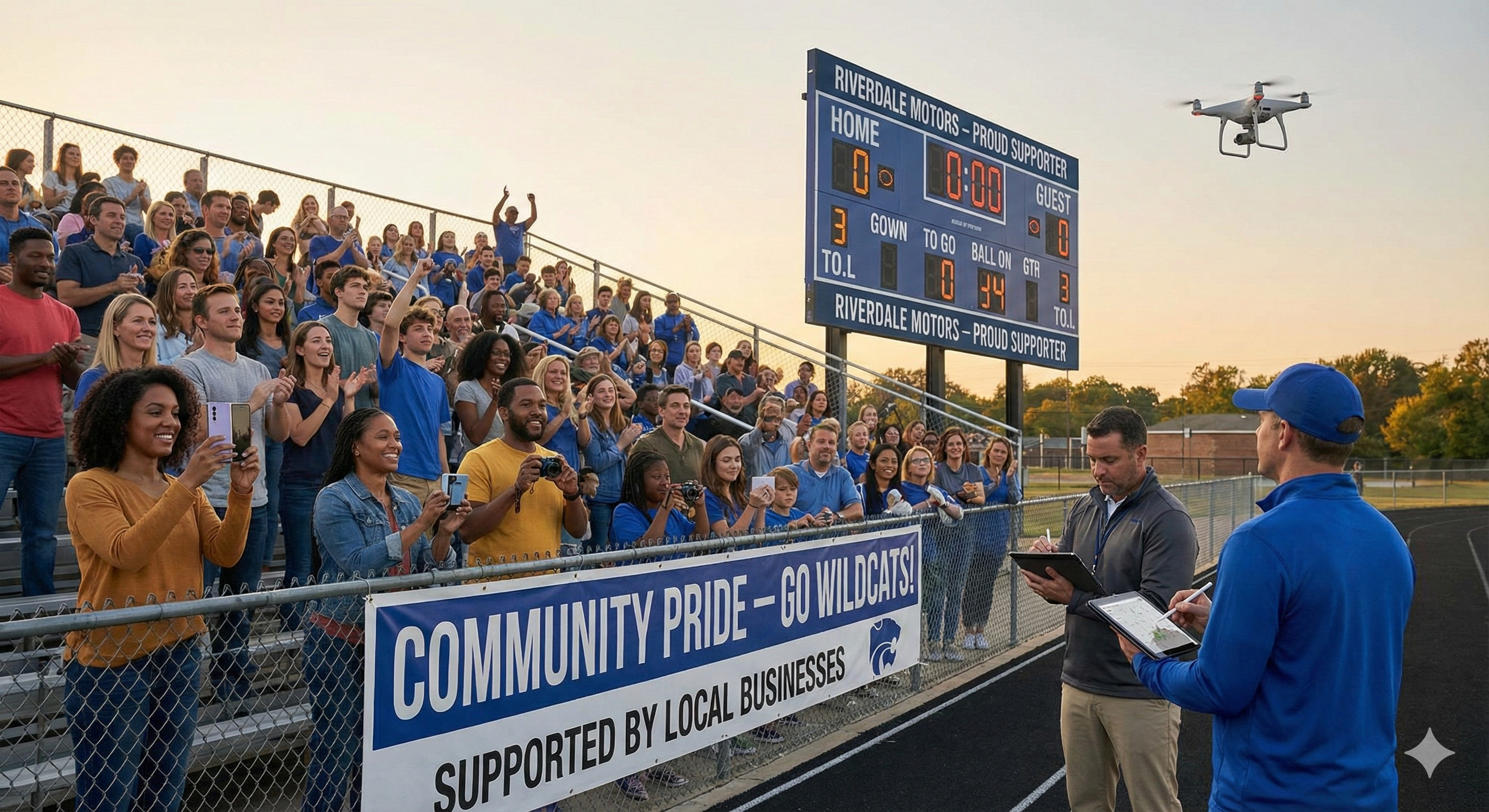
School sports funding serves as more than just financial support—it acts as the backbone for fostering vibrant community connections. Booster clubs, composed primarily of dedicated parents and local advocates, play a crucial role in organizing fundraising efforts that unite families, educators, and supporters around a shared purpose. These efforts create a fulfilling environment where like-minded individuals collaborate, share resources, and celebrate student achievements together. Platforms like Journey elevate this community involvement by providing a seamless, trustworthy space for supporters to interact and engage. Journey’s customizable communities enable stakeholders to create well-maintained hubs where updates about funding initiatives, events, and volunteer opportunities are shared in real time. This robust communication fosters ongoing participation and mutual support, which are essential for sustaining sports programs long term. Key ways community engagement through Journey enhances school sports funding include:
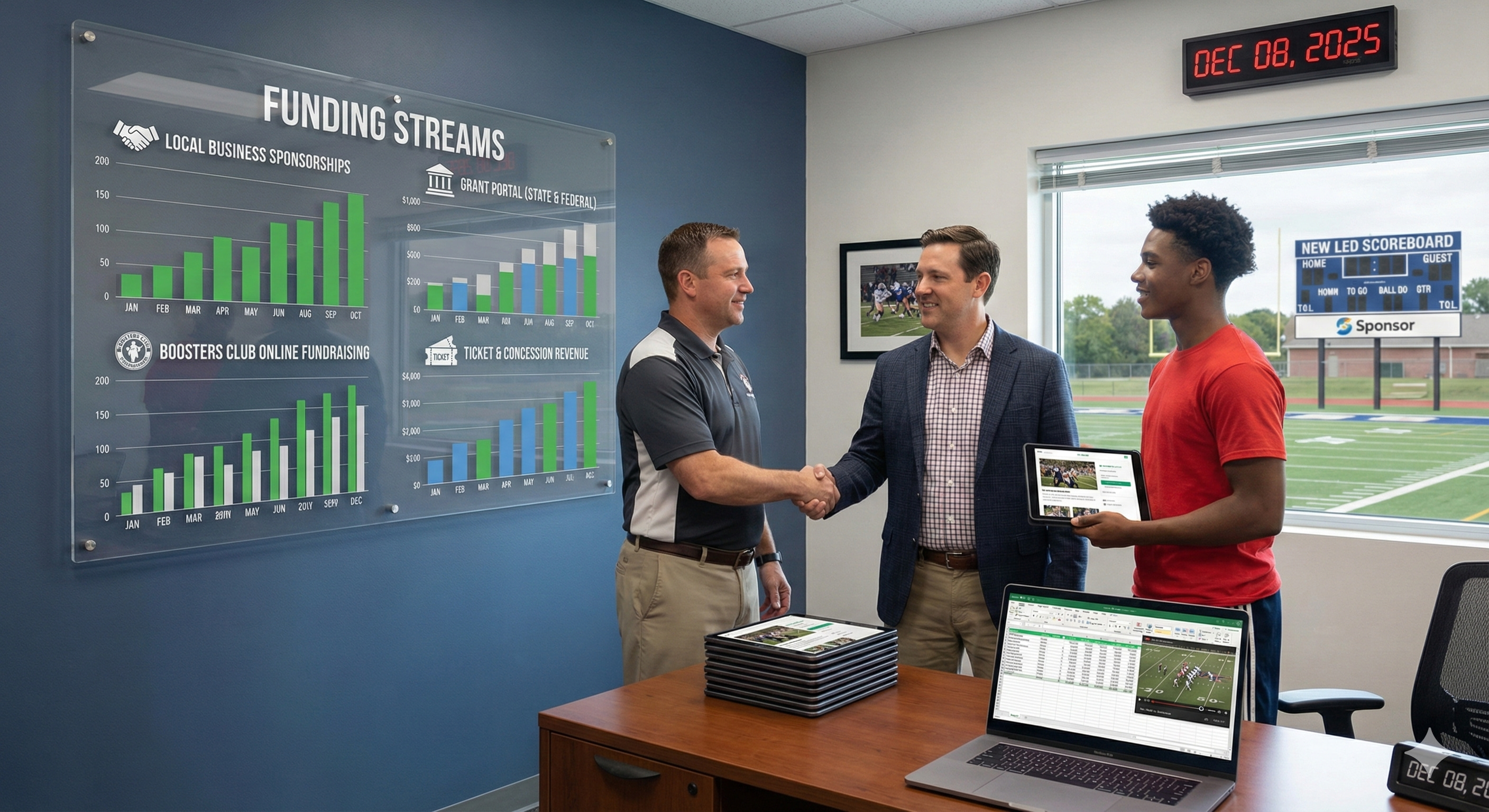
School sports programs rely on diverse funding sources to sustain and grow their activities. Key channels include:

School sports funding faces critical challenges that impact program sustainability and community engagement. Budget deficits often place a heavy burden on schools, families, and coaches, limiting opportunities for students to participate fully. For example, football programs may receive approximately $30,000 annually from schools, yet still depend on extensive fundraising to cover half their costs. In contrast, individual sports like cross-country often receive funding as low as $600, highlighting significant disparities. Cost management becomes an ongoing endeavor as schools and booster clubs strive to allocate limited resources fairly among diverse sports programs. These disparities can lead to difficult school board decisions about which teams receive priority funding, sometimes leaving smaller or less visible sports underfunded. Families and coaches frequently shoulder additional financial responsibilities due to these gaps, creating barriers to participation and engagement. Addressing these challenges requires creative solutions and equitable resource allocation that reflect the varied needs of all student athletes. Platforms like Journey play a crucial role in overcoming funding challenges by creating vibrant, well-maintained community hubs. Journey enables parents, coaches, and supporters to organize focused discussions, share timely updates, and coordinate fundraising efforts in a safe and trustworthy environment. The app’s robust tools foster continuous collaboration and enhance transparency, helping communities expand their support networks organically and sustain sports programs for the long term.

Effective fundraising activities are central to sustaining and expanding school sports programs. Teams and booster clubs often leverage a variety of creative strategies to engage their communities and generate vital revenue. Successful ideas include:

Real-life examples highlight the diverse funding models that sustain school sports programs and the crucial role of community advocacy. Football teams typically receive around $30,000 annually from school budgets, supplemented by substantial booster club fundraising. In contrast, individual sports like cross-country often operate with far less—around $600—relying heavily on innovative fundraising and community support. Effective strategies include hosting creative events, applying for targeted grants, and leveraging local partnerships to maximize resources. These initiatives not only raise funds but also foster a fulfilling sense of belonging among supporters and athletes alike. The Journey app has become a central hub for many schools facing funding challenges. By enabling focused discussions, sharing timely updates, and organizing fundraising efforts, Journey supports vibrant, well-maintained communities. Its robust tools help stakeholders coordinate seamlessly, fostering mutual encouragement and expanding support networks organically.

Community involvement forms the backbone of sustainable school sports funding. Booster clubs, alumni, and local supporters unite as like-minded individuals working toward a common goal—empowering student athletes and enhancing sports programs through collective effort. This dynamic engagement not only raises essential funds but also fosters a rich sense of belonging and continuous encouragement. Platforms like Journey serve as a crucial hub for these communities, enabling seamless collaboration and effective communication. Journey’s customizable and well-maintained communities provide a safe, trustworthy environment that supports vibrant interaction among parents, coaches, and supporters. Its robust tools facilitate:

School sports funding forms the backbone of vibrant community engagement, uniting like-minded individuals around a shared purpose. Booster clubs, composed primarily of parents and local supporters, harness their collective energy to organize fundraisers and contribute resources, creating a fulfilling environment where every contribution counts. Such community efforts not only provide critical financial support but also foster a deep sense of belonging and mutual encouragement. Journey serves as a central hub that amplifies these connections by enabling well-maintained, authentic communities focused on school sports funding. Its robust tools allow parents, coaches, and supporters to create customized spaces that cater specifically to their needs—whether public, private, or hidden—to ensure a safe and trustworthy environment. Journey’s flexible member roles and granular permissions safeguard sensitive information while promoting effective communication and collaboration. Within Journey’s vibrant community feeds, members share updates, successes, and challenges, fostering rich interaction and continuous participation. Group chats and direct messaging enable focused discussions on fundraising strategies, event organization, and resource sharing, ensuring everyone stays connected and informed. Journey’s AI Sidekick further enriches these communities by recommending relevant content, moderating discussions, and facilitating introductions between members who share similar interests or goals. Key ways Journey enhances community connection in school sports funding include:
Understanding school sports funding reveals its critical role in shaping athletic programs and student opportunities. Navigating a mix of public and private funding sources remains a priority. The challenges of budget deficits and unequal resource distribution highlight the need for innovative solutions. Community involvement proves vital in bridging financial gaps. Platforms like Journey foster connections that drive successful fundraising efforts. Embracing these strategies ensures more equitable and sustainable funding. As policies evolve, harnessing these insights will support thriving school sports programs.
Schools typically get sports funding through a blend of public and private grants, corporate sponsorships, booster clubs, and community fundraising activities. This diversified funding approach helps support various sports programs and initiatives.
School sports receive funding from government grants, private donations, booster club contributions, and school budget allocations. Innovative fundraising events, such as 50/50 raffles and food truck partnerships, also play a significant role in generating funds.
School spending on sports varies widely. For example, programs like football may receive as much as $30,000 annually, while others, like cross-country, might receive about $600. Funding levels depend on multiple factors, including community support and fundraising success.
Typically, high school football receives the most funding. This is due to its popularity, potential for large audiences, and significant contribution from both school budgets and booster club efforts, enhancing the sport's resource availability.
Yes, Nike offers grants for youth sports through their community impact initiatives. These grants aim to promote physical activity and sports participation among young people by providing financial support to youth sports programs.
Federal grants for sports programs are available through various government initiatives. These aim to support sports infrastructure, promote physical education, and enhance access to sports for children and youth across different regions.
In Texas, high school sports programs are funded through a combination of state allocations, local district budgets, private donations, and community fundraising efforts. This mix helps to maintain diverse and dynamic sports programs.
Yes, grants for youth sports programs are planned for 2025. They are aimed at increasing access and participation in sports across communities and typically include government, corporate, and nonprofit organization support.
Nonprofit organizations can access youth sports grants by applying to relevant grant programs. This involves preparing comprehensive proposals, demonstrating program objectives, and aligning with donor interests to enhance their chances of securing funding.
Schools and sports programs can obtain free grants for sports equipment through federal initiatives, corporate partnerships, and nonprofit grants. Successful applications often result from clear needs assessments and detailed project descriptions.
Challenges in securing high school sports grants include budget constraints, competitive applications, and resource disparities. Overcoming these requires innovative approaches like community partnerships and leveraging digital platforms for wider engagement.