
scan QR code


Sports Media Culture is more than just a backdrop to games; it actively shapes how fans perceive athletes, teams, and events. In today’s digital age, the fusion of broadcasting, journalism, and social media platforms significantly impacts how the public experiences sports. This interconnected culture fosters genuine connections as fans engage in community rituals akin to "digital sports bars," creating content and participating as amateur reporters. With events like the Super Bowl drawing astounding viewership numbers between 100-115 million, it's clear that sports media holds incredible power in shaping cultural narratives. Dive deeper into how this dynamic culture encourages authentic interactions and facilitates a shared passion among enthusiasts.
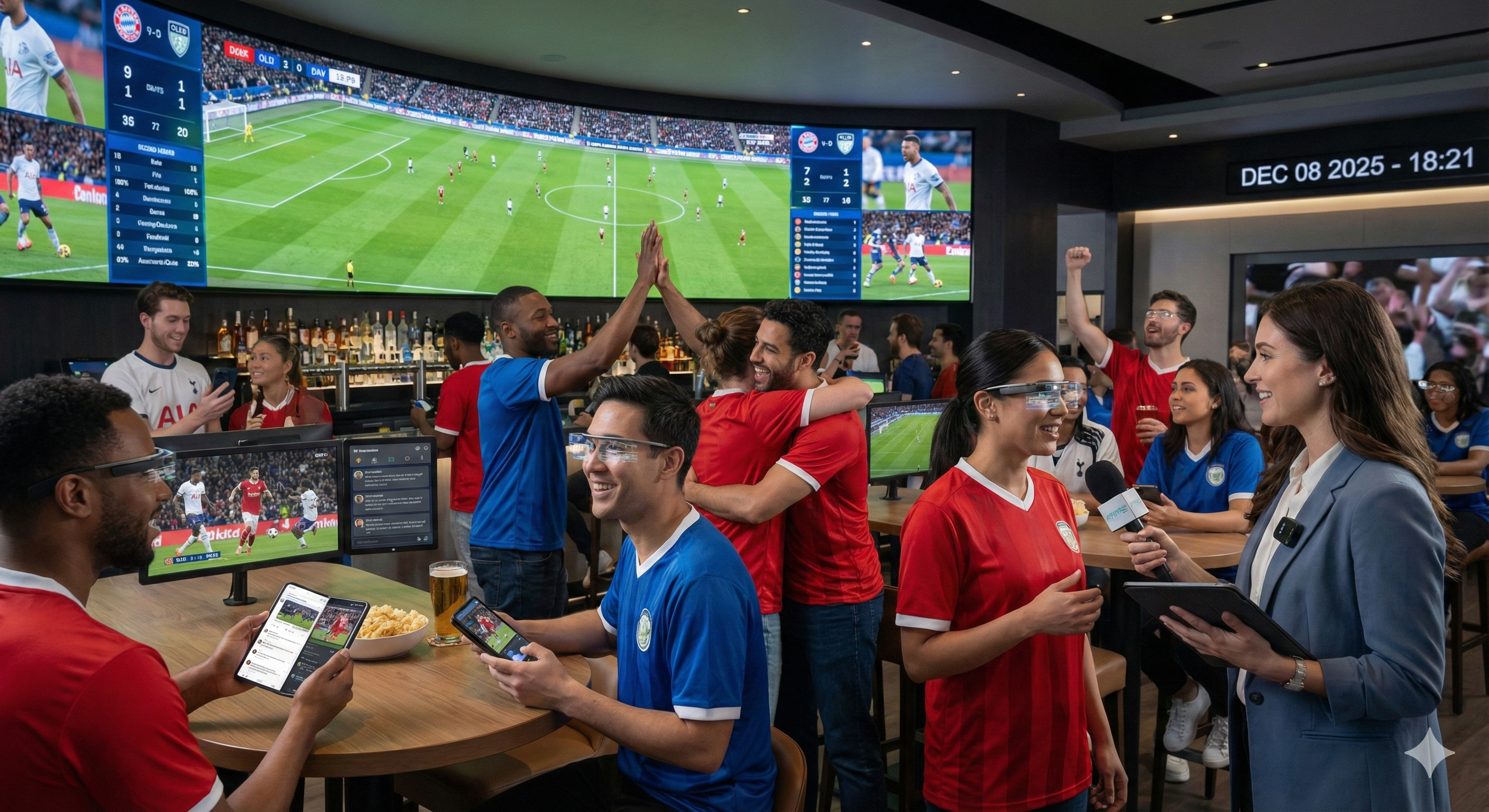
Sports Media Culture has become a vibrant hub where fans, athletes, and creators connect beyond just watching games. This culture blends traditional broadcasting with digital platforms, enabling fans to curate and share content that reflects their unique perspectives. Through social media, fans act as amateur reporters, engaging in rich discussions and debates that deepen their sense of belonging. This interaction fosters a community where shared experiences and passions unite individuals in meaningful ways. The role of media in sports has expanded from mere reporting to shaping how fans perceive teams and athletes. Massive events like the Super Bowl, with viewership reaching 100-115 million, highlight the immense influence media holds in creating collective experiences. Media platforms not only broadcast events but also offer real-time updates and personalized content, ensuring fans stay connected and engaged. This continuous flow of information encourages ongoing participation, turning sports fandom into a dynamic, interactive endeavor. Today, sports media supports genuine connections by providing diverse tools that encourage communication and collaboration. Platforms like Journey exemplify this shift by offering communities where members can create rich profiles, share relevant content, and participate in focused group chats. Journey’s AI-powered features help maintain safe and trustworthy environments, guiding users to discover like-minded individuals and fostering long-term engagement around sports passions. Primary factors driving sports media impact include:

Sports media has transformed dramatically from its beginnings in traditional broadcasting to the dynamic digital environment we see today. Early sports coverage relied heavily on radio and television broadcasts, which served as the primary ways for fans to follow games. Despite the rise of digital platforms, traditional media like radio still retains a loyal audience, with 82% of diehard fans tuning in regularly. This shows that legacy media continues to play a crucial role in keeping fans connected, especially when combined with newer technologies. Today’s sports media culture thrives on the integration of multiple digital channels that encourage real-time interaction and community building. Streaming services now engage 91% of sports fans, offering on-demand access and personalized content that traditional media cannot match. Social media platforms act as digital sports bars, where fans gather to discuss and celebrate their passions in real time. The Journey app exemplifies this evolution by providing a seamless platform for creating and managing communities that blend diverse media channels. It supports rich communication, from live discussions to curated content, enabling users to foster vibrant, authentic connections with like-minded individuals around their favorite sports. Key milestones in the evolution of sports media culture include:

Sports media culture plays a crucial role in shaping how fans perceive teams, athletes, and entire sports landscapes. Major outlets like ESPN hold significant influence by crafting team narratives that reach millions. This narrative framing guides fans’ understanding and loyalty, often highlighting specific storylines that align with broader cultural themes or rivalries. As a result, media becomes the backbone of public perception, influencing which athletes and teams gain prominence and how their stories are told. Athletes are frequently portrayed through the lens of celebrity culture, a portrayal that can impact their performance and public image. The media’s focus on personal drama, achievements, and controversies elevates athletes beyond their sport, creating personas that fans either idolize or critique intensely. This celebrity status intensifies pressure on athletes but also enhances fan engagement, as followers connect with both the human and competitive sides of their sports heroes. Fans actively filter and engage with media coverage to align with their loyalties, showcasing the interactive nature of sports media culture. This selective consumption reinforces identity and belonging, as fans seek content that resonates with their passions. Platforms like Journey support this dynamic by providing a safe, well-maintained environment where users can participate in focused discussions, share relevant updates, and deepen their connection to sports communities. Journey’s customizable communities and AI-powered moderation foster authentic interaction, enabling fans to engage meaningfully without distraction. Key aspects of media influence on sports perception include:
.png)
Fan culture in sports media thrives on the creation and sharing of content by individuals who are passionate about their teams and athletes. This user-generated content fuels discussions and debates that enrich the community experience. Social media platforms act not only as broadcasting channels but also as vibrant community spaces where fans gather, much like a digital sports bar. This environment encourages continuous interaction, allowing fans to feel a strong sense of belonging and connection through shared cultural narratives and traditions. Within this dynamic, community identity becomes central to the fan experience, reflecting collective values and long-standing traditions that deepen loyalty and engagement. The Journey app exemplifies this by providing a safe, trustworthy, and well-maintained platform where individuals can create customized communities tailored to their interests. Journey supports authentic connections through rich communication tools such as group chats, member profiles, and content sharing, all moderated by AI to ensure a positive environment. This seamless integration of culture and sports media enables fans to engage meaningfully, fostering mutual support and continuous growth. Community-building factors that enhance fan engagement include:

Sports media culture today is a powerful force that shapes narratives and engages millions worldwide. It moves beyond traditional reporting to become a dynamic ecosystem where fans, athletes, and media outlets interact continuously. The Travis Kelce and Taylor Swift saga during the 2023 NFL season is a striking example of how media-driven storytelling can influence public perception and fan engagement. Meanwhile, events like the Super Bowl, attracting 100-115 million viewers, underscore the massive reach and influence of sports media.
Media strategies during the NFL season highlight how storytelling shapes athlete personas and fan interest. Coverage of the Kelce-Swift relationship blended sports, celebrity, and pop culture, creating a narrative that transcended traditional sports media. This approach boosted viewership and social media interaction, illustrating the media’s role in amplifying athlete stories beyond the field. Athletes portrayed as celebrities face intense public scrutiny, which affects performance and fan engagement. Media outlets often emphasize personal stories, achievements, and controversies, building complex personas that fans connect with emotionally. This dual role—athlete and public figure—creates unique pressures but also enhances the depth of fan interaction. Journey supports these evolving dynamics by offering a safe, well-maintained platform where fans and communities can share insights and perspectives on sports media trends. Its tools for organizing discussions and sharing content foster vibrant, focused communities that enrich the collective understanding and passion around sports narratives.
These examples collectively demonstrate the multifaceted power of sports media culture. From massive live events to personalized fan content, media shapes how stories are told and experienced. Platforms like Journey enhance this ecosystem by nurturing authentic fan communities where meaningful interactions and shared passions thrive.

Emerging platforms like TikTok are reshaping how sports content is delivered and consumed. Short-form videos and viral challenges allow fans and influencers to create and share dynamic, bite-sized sports moments. This trend is attracting younger demographics and expanding the reach of sports media beyond traditional audiences. Alongside TikTok, interactive technologies such as virtual reality (VR) promise to revolutionize how fans experience sports, offering immersive environments that bring them closer to the action and foster deeper engagement. The rise of influencers plays a crucial role in driving these changes, as they blend sports, entertainment, and personal storytelling to create compelling content. This shift encourages fans to participate actively rather than passively consume, making social media a hub for vibrant dialogue and community building. Platforms like Journey pave the way for innovative community engagement by integrating modern digital experiences with traditional sports conversations. Journey’s tools support well-maintained, safe, and trustworthy spaces where like-minded individuals can share, discuss, and grow their passion for sports in meaningful ways. Future developments poised to shape sports media culture include:
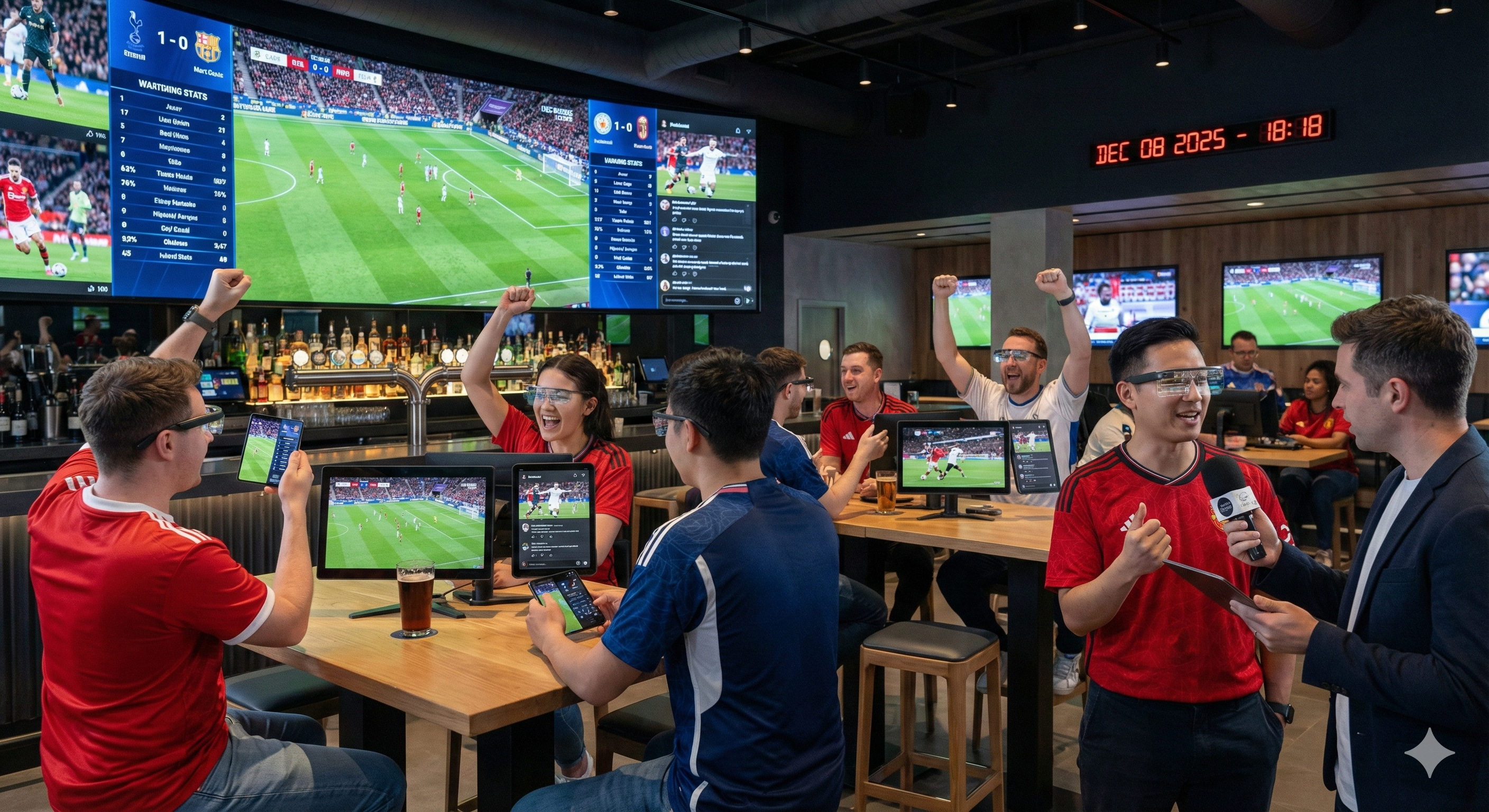
Intense media scrutiny often places athletes under relentless pressure, which can negatively affect their performance and well-being. The demand for sensational stories sometimes overshadows the essence of authentic sports reporting, leading to biased coverage that favors entertainment over truth. Controversies around sports sponsorships and selective reporting highlight the ongoing ethical dilemmas faced by media outlets. These challenges complicate the responsibility of delivering balanced, credible information while maintaining audience engagement. The balance between ethical reporting and captivating storytelling remains a critical issue in sports media culture. Journalists and media organizations must navigate the fine line between exposing truths and respecting the dignity of athletes. This environment demands robust tools and strategies to safeguard trust, uphold fairness, and ensure that media practices do not harm the individuals they cover. Platforms that prioritize authenticity and community values, such as Journey, support healthier media interactions by fostering safe, well-maintained spaces where fans and creators can engage respectfully. Specific challenges in sports media ethics include:
Exploring Sports Media Culture reveals its undeniable influence on how sports are perceived. This culture is driven by diverse media, from traditional broadcasts to digital platforms, and has shaped public perception profoundly. The digital age has accelerated engagement, transforming fans into active content creators and critics. Social media platforms and innovative technologies like VR indicate a dynamic future.
While challenges such as media bias and ethical concerns persist, embracing responsible media practices paves the way for a more enriching experience. Celebrating community and authentic connections ensures Sports Media Culture remains vibrant and impactful.
Sports media and culture refer to the ways in which sports are covered in the media and how this coverage influences public perception and societal norms. It involves broadcasting, journalism, and digital platforms and shapes how audiences engage with sports.
Sports media influences society by shaping public perceptions of sports, athletes, and events. It impacts cultural narratives, reinforces community rituals, and plays a role in audience engagement and identity formation.
Sports culture encompasses the traditions, values, and practices associated with sports. It involves community identity, fandom, and shared experiences that unite individuals around sports events and teams.
The four types of media in sport are traditional broadcasting (TV, radio), digital platforms (social media), print journalism (newspapers, magazines), and online streaming services. Each type plays a distinct role in disseminating sports information and engaging fans.
The sport media and culture program at UIowa integrates academic study with practical experiences. It explores media's role in sports, fan psychology, and the cultural impact of sports events.
Studying a sports media culture degree or major offers insights into media's influence on sports, enhances critical thinking, and prepares students for careers in sports journalism, broadcasting, and digital media.
A sports fandom report card evaluates fans' engagement levels, loyalty, and interactions. It assesses how fans contribute to sports culture, build community, and engage with media narratives.
The psychology of sports fans revolves around identity formation, emotional engagement, and community belonging. Fans often derive part of their identity from their support of teams, which influences social interactions and media consumption.


