
scan QR code


The world of sports is undergoing a revolution, driven by groundbreaking technology innovations that are reshaping the playing field in more ways than one. With advancements in AI coaching applications, wearable devices, and immersive broadcasting, the landscape of sports technology innovation is experiencing rapid transformation. This evolution is not just enhancing athlete performance, but also creating meaningful connections by bridging the gap between fans and sports like never before.
Recent advancements in sports technology are paving the way for a new era of engagement and capability. From AI coaching that personalizes athlete training to virtual reality experiences that put fans right in the center of the action, the latest sports technology is truly redefining the game. Innovations such as wearable performance devices and immersive VR/AR experiences underscore how technology is enhancing our interactions and understanding of sports in a digitally transformed world.
This wave of innovation is having a profound impact on how athletes perform and how fans engage with their favorite sports. The integration of digital injury prevention systems and data-driven talent scouting solutions is allowing for more monitored and optimized athlete performances. Meanwhile, the enhanced fan experience, powered by cutting-edge technology, is fostering a stronger connection to the sports they love. The following are key technological advances driving this meaningful transformation:
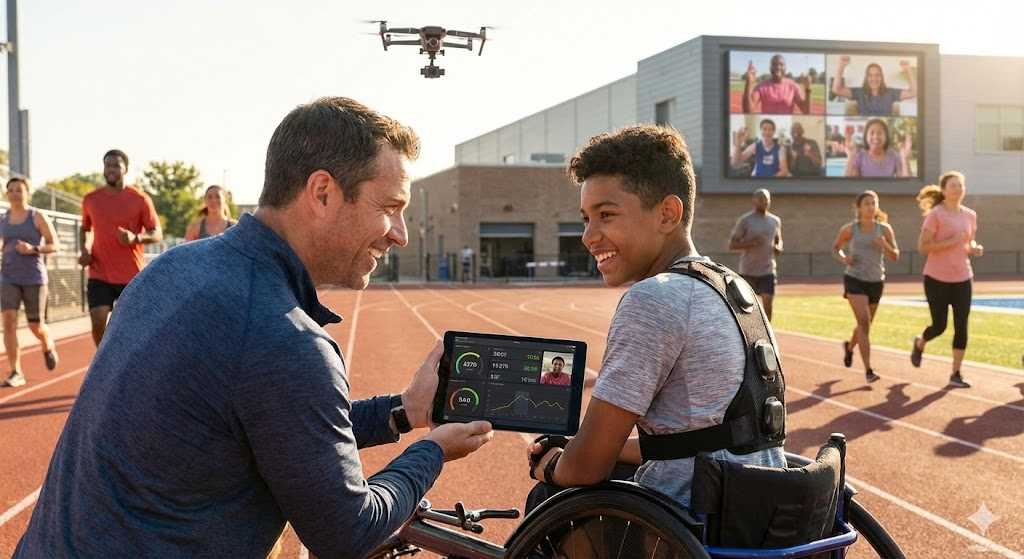
Sports technology innovation goes beyond enhancing athlete performance—it fosters genuine connections among individuals united by shared passions. Platforms that integrate advanced tools and community-centered features become critical hubs where like-minded enthusiasts engage in meaningful discussions, share experiences, and support one another’s growth. One of the most fulfilling endeavors in sports tech innovation is the creation of vibrant communities that blend technology with authentic social interaction. These communities provide seamless communication channels, enabling participants to exchange ideas, organize events, and collaborate on common goals. This environment encourages continuous learning and mutual motivation, essential for sustaining long-term engagement and belonging. Journey exemplifies how technology can cultivate these rich connections. It offers a robust platform for community creation and management, allowing users to customize their space and foster trust through privacy controls and content moderation. With features like group chats, event hosting, and personalized member profiles, Journey enhances discoverability and interaction. The AI Sidekick further supports community owners by automating moderation and providing tailored recommendations, making each community a safe, supportive, and growth-focused environment.
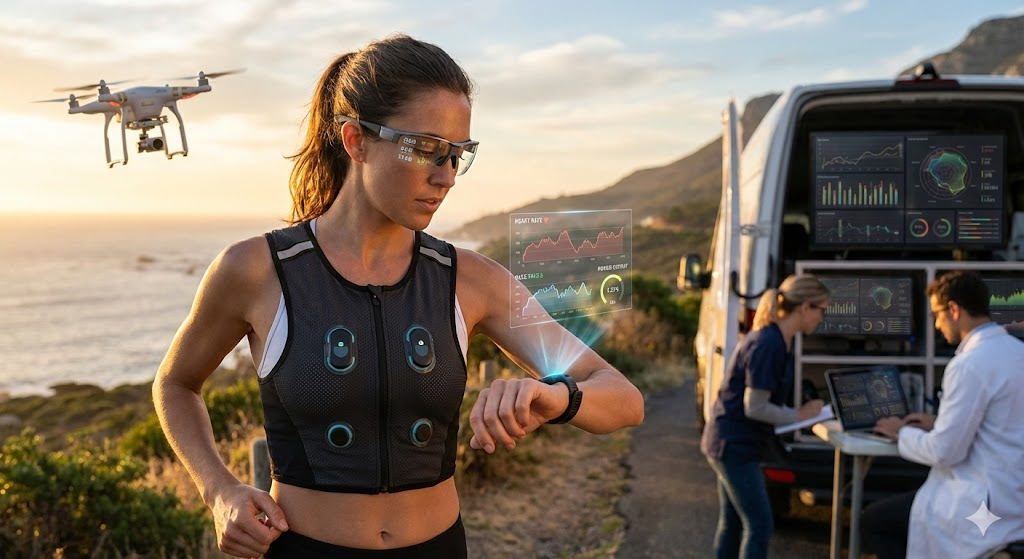
Wearable sports technology plays a crucial role in monitoring athletes’ health and performance in real time. These devices track vital metrics such as heart rate, movement patterns, and fatigue levels, providing granular insights that help refine training strategies. Continuous data monitoring creates a rich source of information to guide athletes toward peak performance. AI integration further enhances wearable tech by analyzing the collected data through advanced algorithms. This allows for real-time feedback and personalized recommendations that optimize workouts and game-day tactics. Sports data analysis tools interpret complex information, turning raw numbers into actionable insights that athletes and coaches can trust. Practical applications of wearable technology have transformed professional sports. Teams leverage these innovations to prevent injuries, improve endurance, and tailor training regimens based on individual needs. Success stories across various disciplines highlight how AI-powered wearables have become indispensable in maintaining competitive advantages and fostering athlete growth.
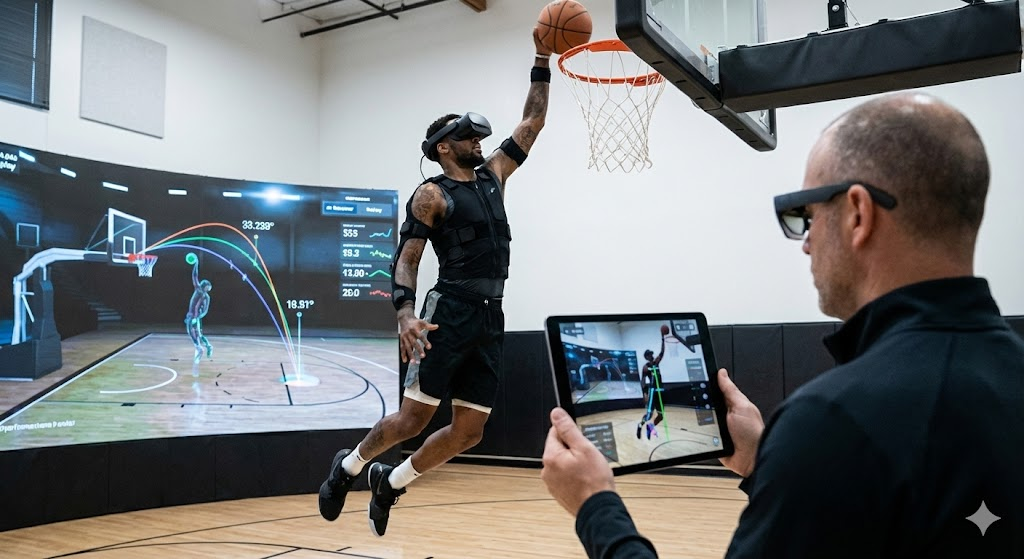
Immersive technologies like virtual reality and augmented reality are reshaping the sports landscape by creating engaging environments for both athletes and fans. Virtual reality in sports provides realistic simulations that allow athletes to practice complex scenarios safely and repeatedly, enhancing their skills and tactical understanding without physical strain. Augmented reality sports applications overlay digital information onto live events, enriching the viewer’s experience with contextual data and interactive elements. In training and game simulations, VR enables athletes to immerse themselves in controlled, diverse situations that mirror real competition. Coaches can design specific drills and scenarios that improve decision-making and reaction time. Augmented reality, meanwhile, enhances live broadcasts by providing real-time statistics, player tracking, and immersive visual effects, making the viewing experience more dynamic and informative. The impact of these technologies on live sports broadcasting is profound. Fans witness a richer, more captivating presentation that sustains attention and deepens engagement. Immersive sports experiences foster a closer connection between audiences and the game, transforming passive viewers into active participants. Platforms like Journey amplify this effect by offering communities where fans and athletes alike can discuss, share insights, and deepen their appreciation of these innovations.
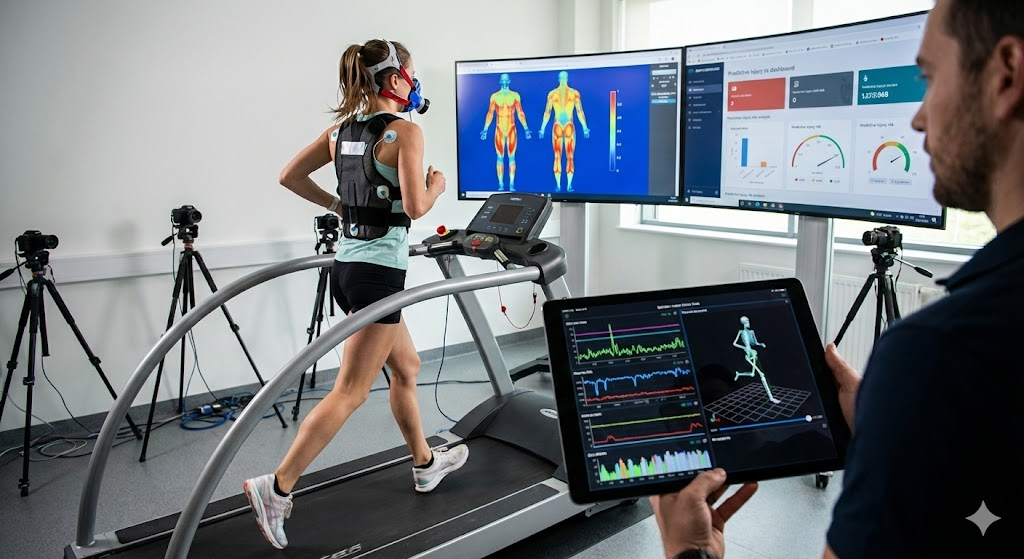
AI plays a central role in modern sports management by enabling precise athlete monitoring and data-driven decision-making. Through computer vision and pose estimation, AI coaching applications deliver real-time feedback, helping athletes refine their techniques instantly. This integration of technology allows coaches and players to gain a granular understanding of performance, making adjustments that improve outcomes during training and competition. Predictive analytics combined with sensor technology further enhances athlete monitoring systems. These sensors capture continuous data on movement, physiological signals, and fatigue levels. Analytics tools process this information to reveal patterns and predict performance trends or injury risks. Such insights guide tailored training regimens that optimize athletic output while minimizing potential harm, representing a crucial advancement in sports innovation. Experts emphasize that leveraging AI and data-driven strategies is vital for maintaining a competitive edge. These tools provide enhanced tactical analysis, injury prevention, and training optimization that were previously unattainable. As these technologies evolve, they will continue to shape the future of sports by fostering more effective, personalized approaches to athlete development.

Sports injury prevention technology has become a crucial focus in modern athletics, integrating advanced tools to safeguard athlete health. Digital injury prevention leverages AI and sensor technology to monitor players continuously, identifying risk factors before injuries occur. This proactive approach transforms how teams manage athlete wellbeing, shifting from reactive treatment to predictive care. Cutting-edge solutions include sensor-based monitoring systems that collect granular data on movement, impact forces, and physiological metrics. AI-driven risk assessment models analyze this data to detect early warning signs of potential injuries. Partnerships such as the NFL’s collaboration with AWS showcase virtual player modeling, creating detailed digital twins to simulate stress and predict vulnerabilities. These innovations enable coaches and medical staff to implement personalized safety protocols quickly and effectively. The overall impact of these technologies enhances athlete longevity and reduces downtime due to injury. Real-time health metrics combined with robust data analytics help teams make informed decisions that prioritize player safety without compromising competitive performance. Such advancements foster a safer sports environment, encouraging sustained athlete growth and wellbeing.

Innovative sports equipment and smart gear are reshaping athlete performance and safety with remarkable precision. Emerging trends focus on integrating advanced materials and sensor technology into traditional sportswear and protective gear. This fusion creates equipment that not only enhances physical capabilities but also delivers real-time data to inform training and in-game decisions. High-tech football helmets exemplify this evolution, designed with sensor integration to monitor impact forces and reduce injury risks. Similarly, the LZR Racer Suit revolutionized competitive swimming by improving movement efficiency and breaking records. These examples highlight how sports equipment technology continues to push boundaries, blending safety with enhanced athletic output. The implications for athlete performance and game dynamics are profound. Smart gear equipped with real-time data feedback allows coaches and athletes to make informed adjustments on the fly, improving both individual and team strategies. As these technologies mature, they cultivate a richer sports environment where innovation drives continuous growth and safety.

Community stands at the core of sports technology innovation and digital transformation. While advancements in equipment and analytics drive athlete performance and game dynamics, sustained growth depends on vibrant, engaged communities. These communities serve as the backbone for sharing knowledge, fostering collaboration, and aligning diverse individuals around shared goals. In the evolving sports tech landscape, authentic fan and athlete engagement enriches experiences beyond the field, creating lasting bonds and mutual support. Platforms like Journey exemplify how digital tools can cultivate genuine connections within sports networks. Journey’s robust community creation and customization features empower users to build safe, trustworthy spaces tailored to their unique interests. With flexible privacy controls, group chats for focused discussions, and customizable member profiles, Journey enables like-minded athletes, coaches, and fans to interact meaningfully. The platform’s AI Sidekick enhances this experience by moderating content, recommending relevant insights, and facilitating introductions, ensuring communities remain vibrant and well-maintained. These community-driven environments yield powerful outcomes for fan engagement and athlete collaboration. Members share performance insights, organize events, and support personal growth, fostering continuous learning and belonging. Journey’s seamless integration of communication tools and resource sharing encourages participation and enriches sports innovation discussions. This creates a fulfilling ecosystem where individuals not only witness advancements but actively contribute to the evolving narrative of sports technology.
Sports technology innovation significantly reshapes athletic performance and fan engagement. From AI coaching to immersive VR experiences, the landscape is rapidly evolving. These advancements highlight unprecedented opportunities for athletes and fans alike through state-of-the-art wearable devices and real-time analytics. The integration of such technology continuously enhances both safety and competitiveness in sports. Embracing these innovations, the Journey app strengthens community connections, allowing for shared growth and learning. As the industry evolves, the blend of innovation and community promises a richer, more engaging sports experience for all.
Sports technology innovations include AI coaching applications, wearable performance devices, immersive VR/AR experiences, digital injury prevention systems, and data-driven talent scouting solutions that enhance athlete performance and fan experience.
You can find articles on sports technology innovation in sports technology magazines, technology websites, and research publications. These sources provide insights into the latest advancements and trends reshaping the sports industry.
Examples of technology in sports include AI-driven coaching tools, sensor-integrated wearable devices, virtual reality training, and augmented reality broadcasting, all designed to improve performance and engage fans.
In 2022, sports technology innovation ideas include developing AI-enhanced injury prevention systems, creating more advanced wearable devices, and integrating augmented reality for enhanced fan experiences during live events.
Companies leading in sports technology innovation include firms specializing in AI applications, wearable tech, virtual reality, and sensor-based monitoring systems. These companies focus on creating solutions that enhance performance and safety.
Popular sports technology products include wearable fitness trackers, virtual reality training simulators, AI-driven analytics platforms, and sensor-laden sports equipment designed to optimize athlete performance and fan engagement.
New technology in sports today includes immersive broadcasting, real-time performance analytics, predictive injury prevention systems, and AI-driven coaching platforms, all aimed at elevating athlete capabilities and enhancing viewer experiences.


.jpg)