
scan QR code


Sports tourism for amateur athletes is not just about playing an away game; it’s about forging connections and creating lifelong memories. As athletes travel to participate in various events, they unlock a world of benefits that go beyond the physical competition. From honing skills through diverse training environments to experiencing cultural exchanges, the journey offers both personal growth and athletic development. Participation in sports events encourages networking with peers and supports local communities, stimulating economic growth. The Journey app plays a pivotal role in facilitating these connections, allowing athletes to share their experiences and promote genuine interactions within vibrant communities. Dive into the world of sports tourism, where every trip contributes to both personal and community enhancement.
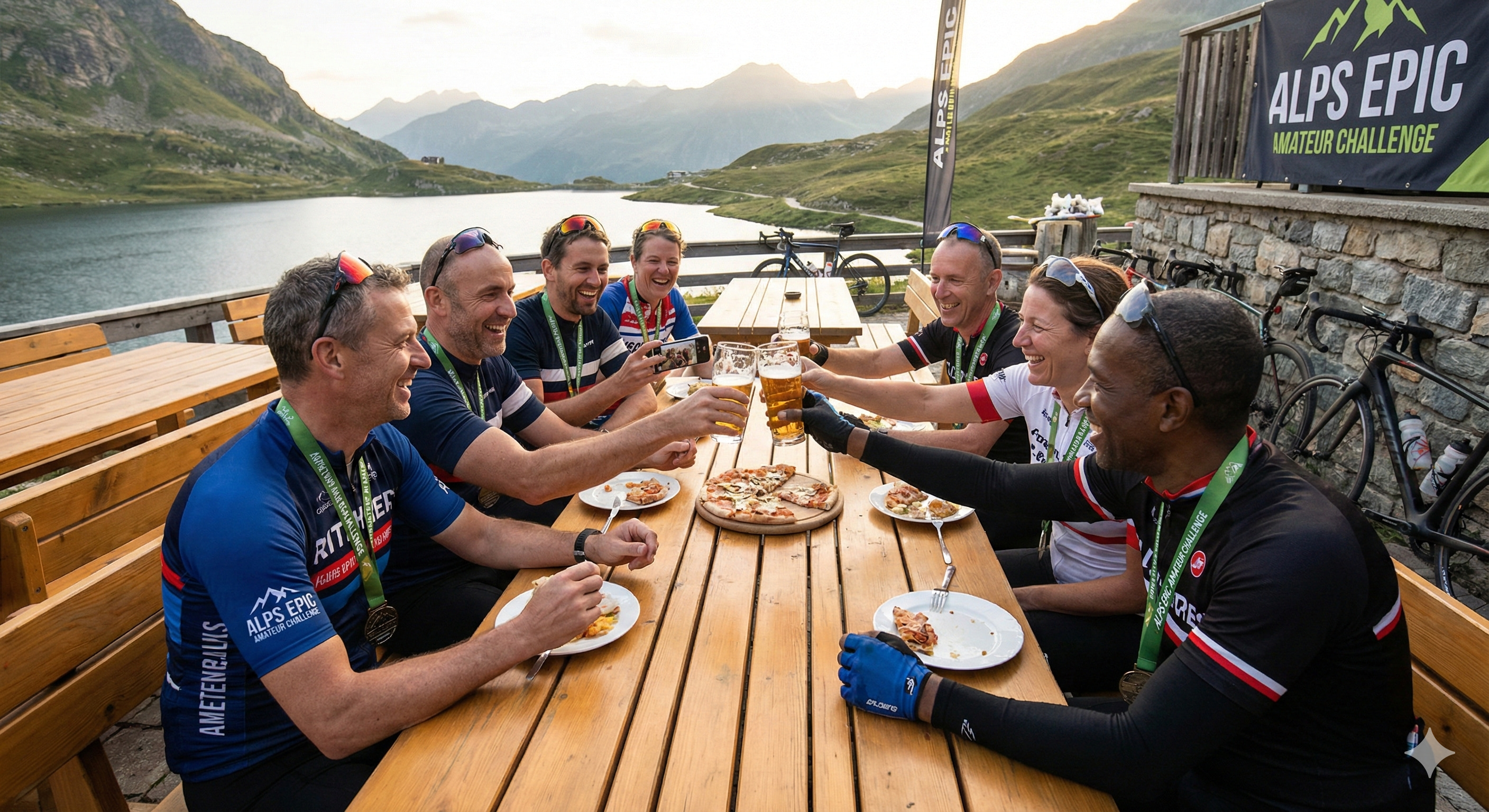
Sports tourism for amateur athletes goes beyond competition—it fosters genuine connections among like-minded individuals. Traveling to participate in amateur sports events creates opportunities for athletes to share experiences, exchange ideas, and grow together. These interactions often become the backbone of lasting friendships and supportive networks. The essence of sports tourism lies in its ability to bring diverse individuals together in an environment focused on mutual growth and shared passion. Athletes not only improve their skills but also gain a richer understanding of different cultures and perspectives through these meaningful encounters. Platforms like Journey enhance these connections by providing a vibrant, safe, and well-maintained hub for athletes to engage before, during, and after events. Journey’s customizable communities allow athletes to showcase their interests and contributions, participate in focused group discussions, and organize meetups that deepen bonds over time. The platform’s AI Sidekick supports community owners in fostering interaction and ensuring a trustworthy environment, which is crucial for retaining members and encouraging continuous participation. By leveraging Journey’s robust tools for communication and event management, athletes can seamlessly blend their competitive endeavors with community-building activities. This integration enriches the sports tourism experience, turning it into a fulfilling endeavor centered on personal growth and long-term relationships.
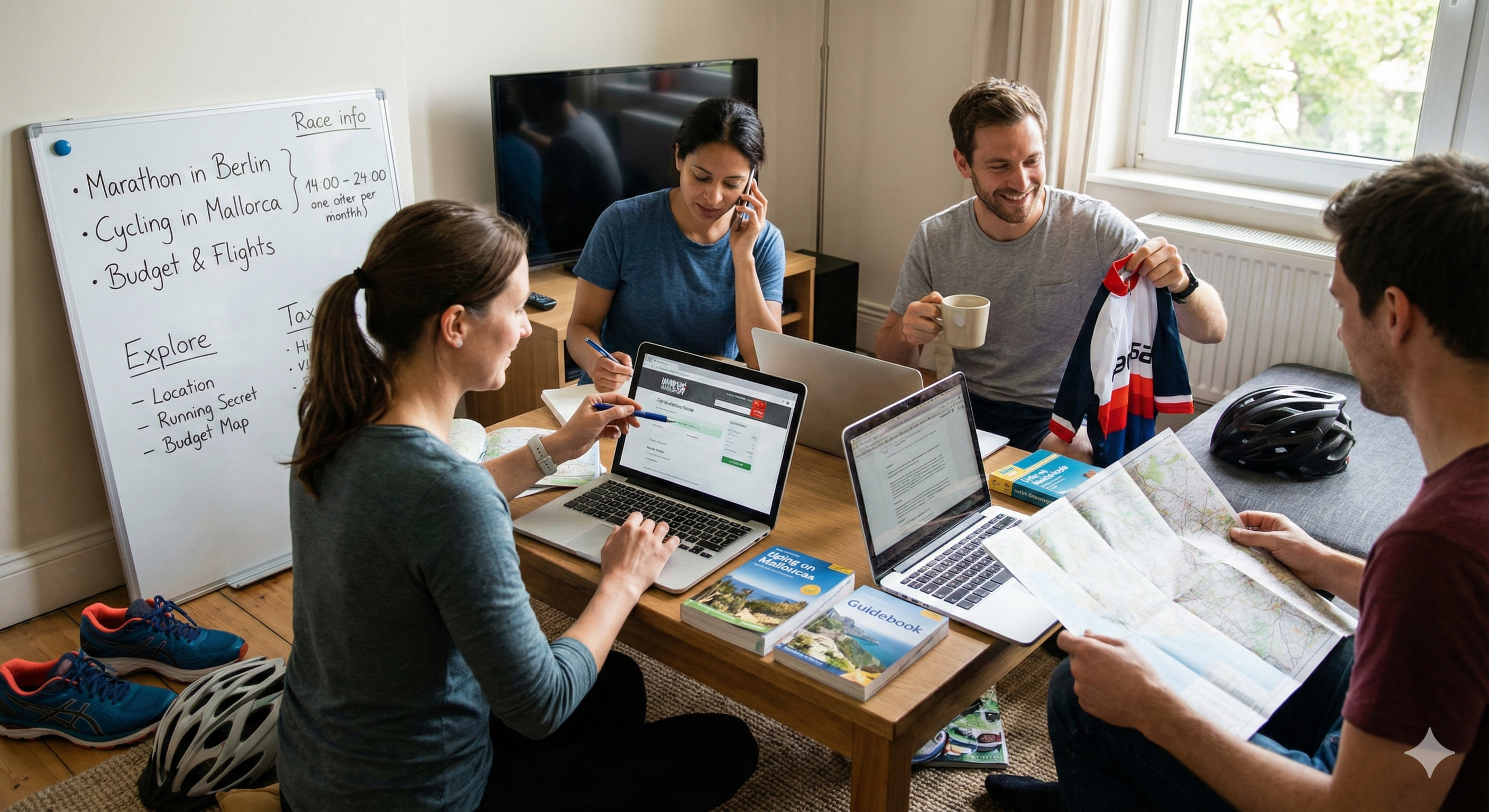
Effective planning is central to a fulfilling sports tourism trip for amateur athletes. The first step involves carefully studying the event schedule to identify dates that align well with personal calendars and allow adequate preparation time. Choosing a destination with suitable sports facilities and a supportive environment enriches the experience and enhances performance potential. Budgeting is a critical component; athletes should account for entry fees, transportation, lodging, meals, and incidental expenses. Early financial planning helps avoid last-minute stress and uncovers opportunities for savings, such as group discounts or off-peak bookings. Booking accommodations close to the event venue is highly recommended. Proximity reduces travel time on competition days, preserving energy and focus. Athlete-friendly lodging options often include access to fitness centers, nutritious dining, and quiet spaces for rest. When securing accommodations, consider flexible cancellation policies to accommodate unexpected changes. Transportation logistics must be addressed early. Renting a car offers flexibility for gear transport and schedule adjustments, while public transit can be a cost-effective and eco-friendly alternative. Coordinating arrival and departure times with event schedules minimizes downtime and maximizes readiness. The Journey app offers a robust platform to streamline trip planning. Its event calendars, discussion groups, and direct messaging enable athletes to connect with fellow participants, share travel tips, and coordinate accommodations or transportation. Journey’s customizable communities serve as vibrant hubs where athletes can access timely updates, organize meetups, and foster mutual support. The AI Sidekick enhances this process by providing personalized recommendations and facilitating introductions among like-minded travelers. Key planning steps include:
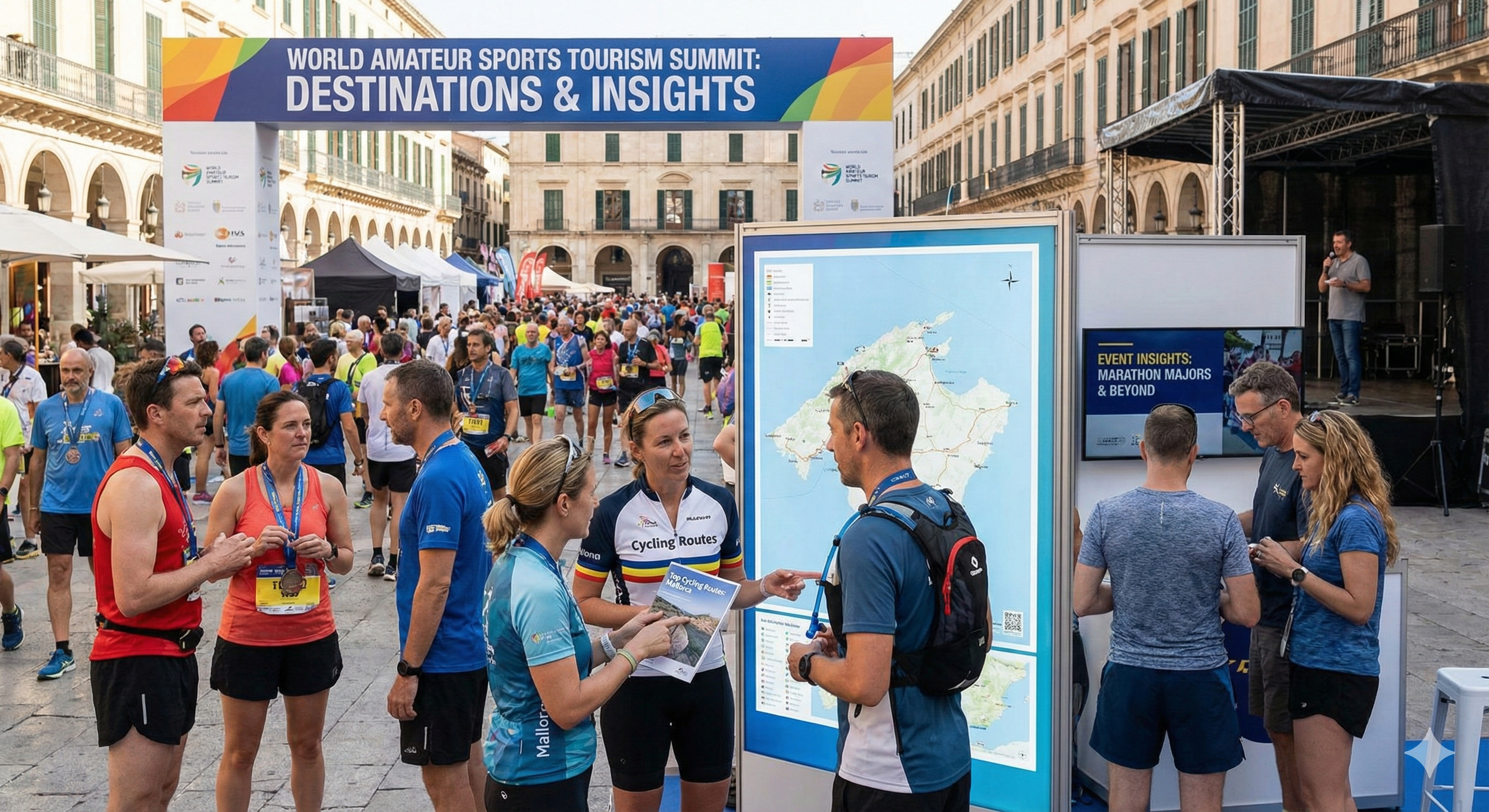
Cities renowned for their vibrant sports culture consistently attract amateur athletes seeking enriching travel experiences. Barcelona, for instance, offers world-class soccer events that draw participants eager to compete and connect. Boston’s marathon scene provides another popular destination, combining historic charm with top-tier race organization. These cities feature excellent sports facilities and event schedules tailored to accommodate amateur participants, ensuring a fulfilling and well-organized experience. Key factors that enhance the appeal of top destinations include:

Packing the right gear is crucial for a seamless sports tourism experience. Athletes should prioritize essential sports equipment, including backup items, to avoid last-minute disruptions. Staying hydrated before, during, and after travel supports peak physical performance, while allowing time to acclimatize to new climates or altitudes can prevent fatigue and injury. Proximity to event venues significantly reduces stress on competition days. Booking accommodations close to the location helps preserve energy and enables easy access to rest and recovery. Early arrangements for transportation—whether renting a car for flexibility or using reliable public transit—ensure smooth logistics and prevent unexpected delays. Safety remains paramount. Checking travel insurance policies tailored for athletes safeguards against unforeseen events. Additionally, carrying necessary medical information and emergency contacts adds a layer of security during travel. Community platforms like Journey enrich this planning process by acting as a centralized hub for athletes to share travel tips, coordinate transportation, and exchange updates. Journey’s customizable communities and group chats foster focused discussions that cater to specific travel logistics and safety concerns. The AI Sidekick further supports athletes by providing personalized recommendations and facilitating connections with seasoned travelers, enabling a well-prepared and confident journey. Key travel and logistics tips include:
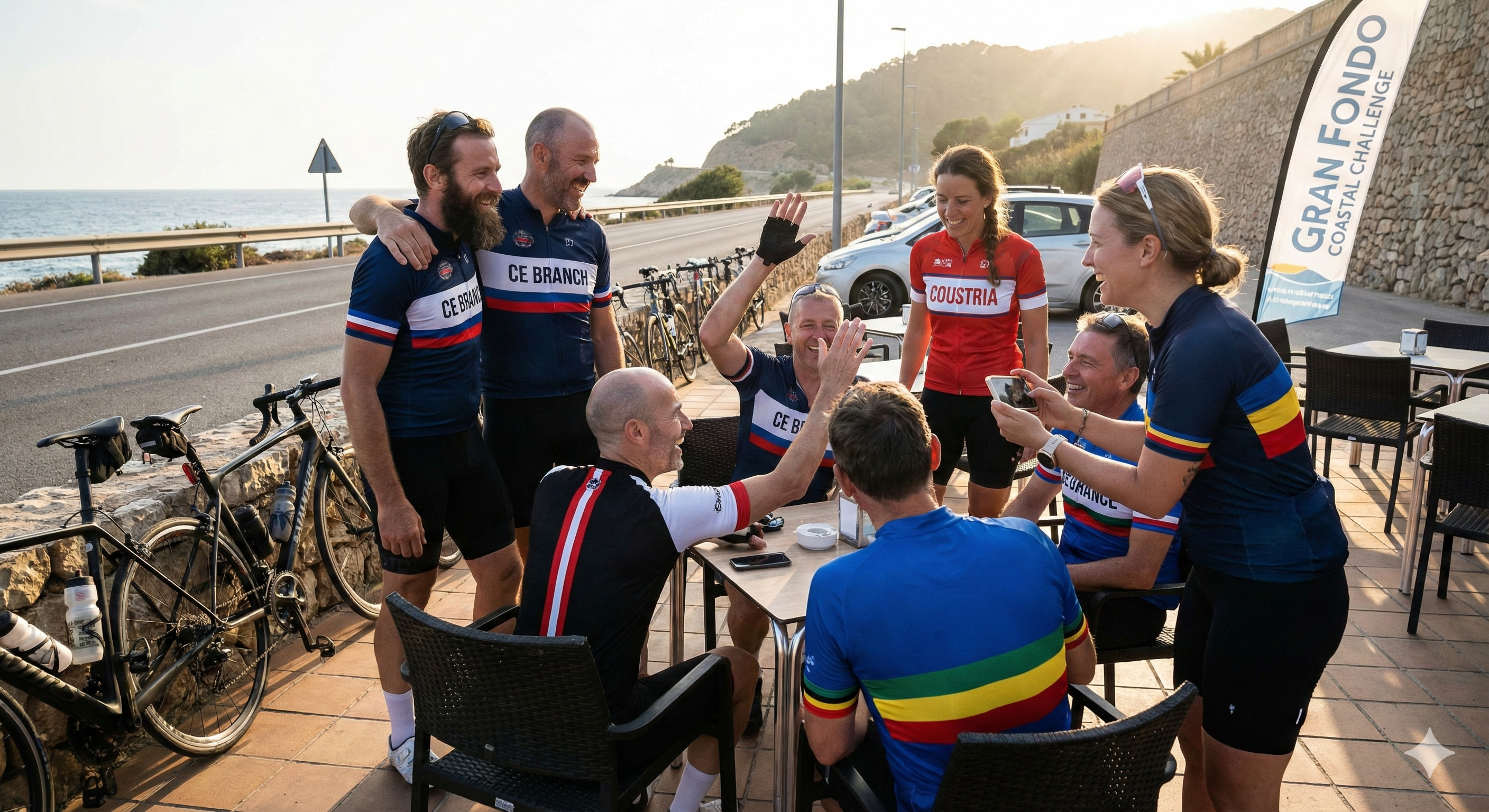
Personal stories and case studies reveal how sports tourism transforms amateur athletes, elevating performance while fostering meaningful, long-term connections. Many athletes witness growth not only in their skills but also in their sense of belonging through interactions with diverse, like-minded individuals. These experiences often become crucial milestones, motivating athletes to continue pursuing their passions. Networking opportunities and athlete exchange programs provide structured platforms to share practical tips, cultural insights, and encouragement. Participants benefit from exchanging ideas across different regions and sports, enriching their understanding and broadening their horizons. These connections serve as a backbone for ongoing support and collaboration beyond individual events. The Journey app plays a vital role in expanding these community-building efforts. It offers a vibrant, well-maintained hub where athletes can create and customize communities tailored to their interests and goals. Through Journey’s robust tools, members share personal stories, organize focused group discussions, and arrange meetups that deepen relationships organically. Customizable member profiles and searchable directories further enable athletes to discover peers with shared experiences and expertise. Journey’s AI Sidekick enhances community engagement by providing personalized onboarding, recommending relevant content, and facilitating introductions. This ensures a safe, trustworthy environment that encourages continuous participation and interaction. With features like event calendars and group chats, Journey supports seamless communication before, during, and after sports tourism events, enriching every stage of the athlete’s journey.
.png)
Effective travel budget planning is crucial for amateur athletes aiming to maximize their sports tourism experience. Core expenses include event entry fees, transportation, accommodations, and daily necessities. Early booking is a key strategy to secure cost savings and avoid last-minute financial pressure. Group discounts often provide additional opportunities to lower costs, especially when traveling with teammates or fellow athletes. Selecting accommodations near event venues is highly recommended. Proximity reduces travel time on competition days, allowing athletes to conserve energy and maintain focus. Athlete-friendly lodging options often offer amenities such as fitness facilities, nutritious dining, and quiet spaces for rest and recovery. Flexible cancellation policies add a layer of security in case plans change unexpectedly. Transportation options should align with convenience, budget, and local infrastructure. Renting a car provides flexibility and ease in transporting gear and adjusting schedules. Alternatively, public transit can be an economical and eco-conscious choice where available and reliable. Planning arrival and departure times carefully ensures seamless coordination with event schedules. The Journey app serves as a vibrant hub for athletes to organize and share resources related to budgeting, accommodations, and transportation. Its customizable communities encourage interaction and knowledge exchange among like-minded individuals. Journey’s AI Sidekick further enhances planning by recommending trusted lodging options and optimal transport methods based on community insights and past experiences. Key budgeting and logistics tips include:
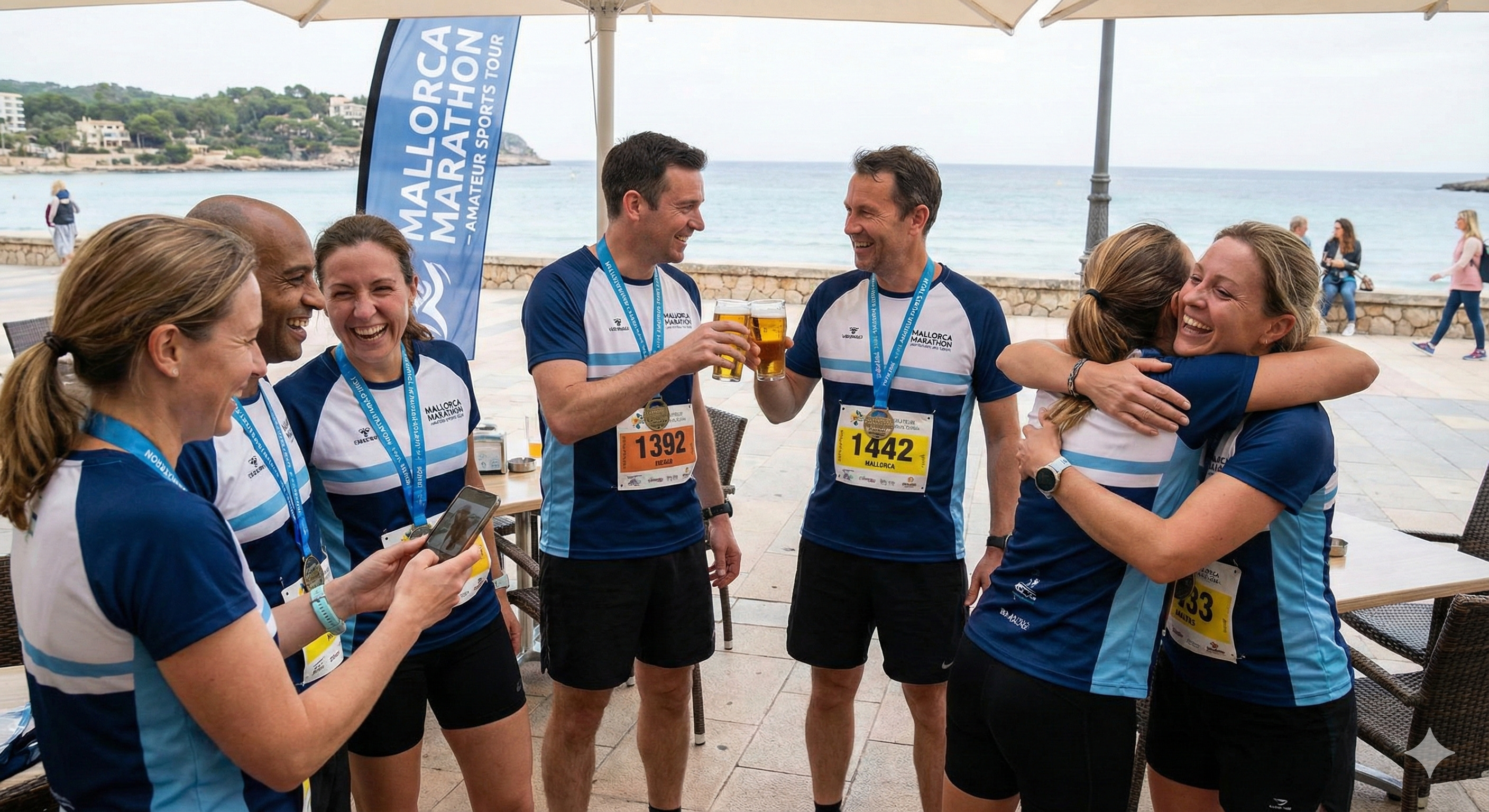
Sports tourism is rapidly evolving, driven by growing economic impact and innovative technologies. Valued at over $114 billion, this sector is expanding as more amateur athletes seek enriching travel experiences that blend competition with cultural exchange. Emerging trends highlight a shift toward integrating virtual sports tourism experiences, enabling athletes to participate remotely or supplement in-person events with real-time data and feedback. Technology plays a crucial role in reshaping sports tourism. Tools like wearable sensors and mobile apps provide in-competition insights that enhance performance and safety. Virtual reality and augmented reality experiences are making it possible for athletes and fans alike to engage with events from anywhere, broadening accessibility and inclusivity. Additionally, evolving sports tourism policies are focusing on sustainability and safety, ensuring responsible growth that benefits host communities and participants. The Journey app aligns seamlessly with these innovations by serving as a vibrant, well-maintained community hub where amateur athletes can connect, share real-time updates, and access performance feedback. Journey’s AI Sidekick enhances user engagement by providing personalized recommendations, facilitating meaningful introductions, and helping organize virtual or in-person meetups. This AI-driven support fosters a safe, trustworthy environment that encourages continuous participation and authentic interaction. By leveraging Journey’s robust tools for communication, event management, and community building, athletes can stay informed about the latest sports tourism trends and technology. The platform empowers users to blend traditional travel with digital experiences, expanding opportunities for growth and connection in the evolving sports tourism landscape.
Navigating through the world of sports tourism for amateur athletes offers a treasure trove of experiences and benefits. From enhancing athletic skills to fostering cultural exchanges, athletes can thrive in numerous ways. The thoughtful planning of these journeys ensures smooth participation, with key destinations ready to be explored.
The insights into logistics and budgeting offer athletes the tools needed for seamless adventures, while stories of community building demonstrate the profound connection among participants. Embracing these opportunities enriches both the individual and the shared journey.
With evolving trends and technology, sports tourism continues to inspire, making every athletic pursuit unforgettable.
Sports tourism for amateur athletes involves traveling to participate in or attend sports events. This offers benefits like improved athletic skills, cultural exchange, networking, and enhanced physical and mental well-being.
The sports tourism industry is significant, having a substantial economic impact. It supports local communities, generates revenue through events, and continues to grow, valuing related fields at $114 billion.
Sports tourism benefits include improving athletic performance, cultural exchange, networking with fellow athletes, and personal growth. It offers opportunities for community building and lifelong connections.
Amateur athletes can effectively plan by studying the event schedule, selecting suitable destinations, budgeting travel costs, and booking accommodations close to event venues. Transportation arrangements should be made well in advance.
Top destinations for amateur sports tourism include cities like Barcelona for soccer events and Boston for marathons, known for excellent sports facilities and well-organized events.
Technology facilitates sports tourism by offering virtual experiences, real-time feedback, and tools for community building. Apps like Journey help athletes connect, enhancing travel and competitive experiences.
Essential travel tips include packing necessary sports gear, ensuring hydration, planning for acclimatization, and securing accommodations near events. Checking travel insurance and transportation logistics is also crucial.
Athletes should plan budgets considering entry fees, travel costs, and accommodations. Early booking, group discounts, and choosing lodgings near venues can save costs and ensure smooth logistics.


.jpg)