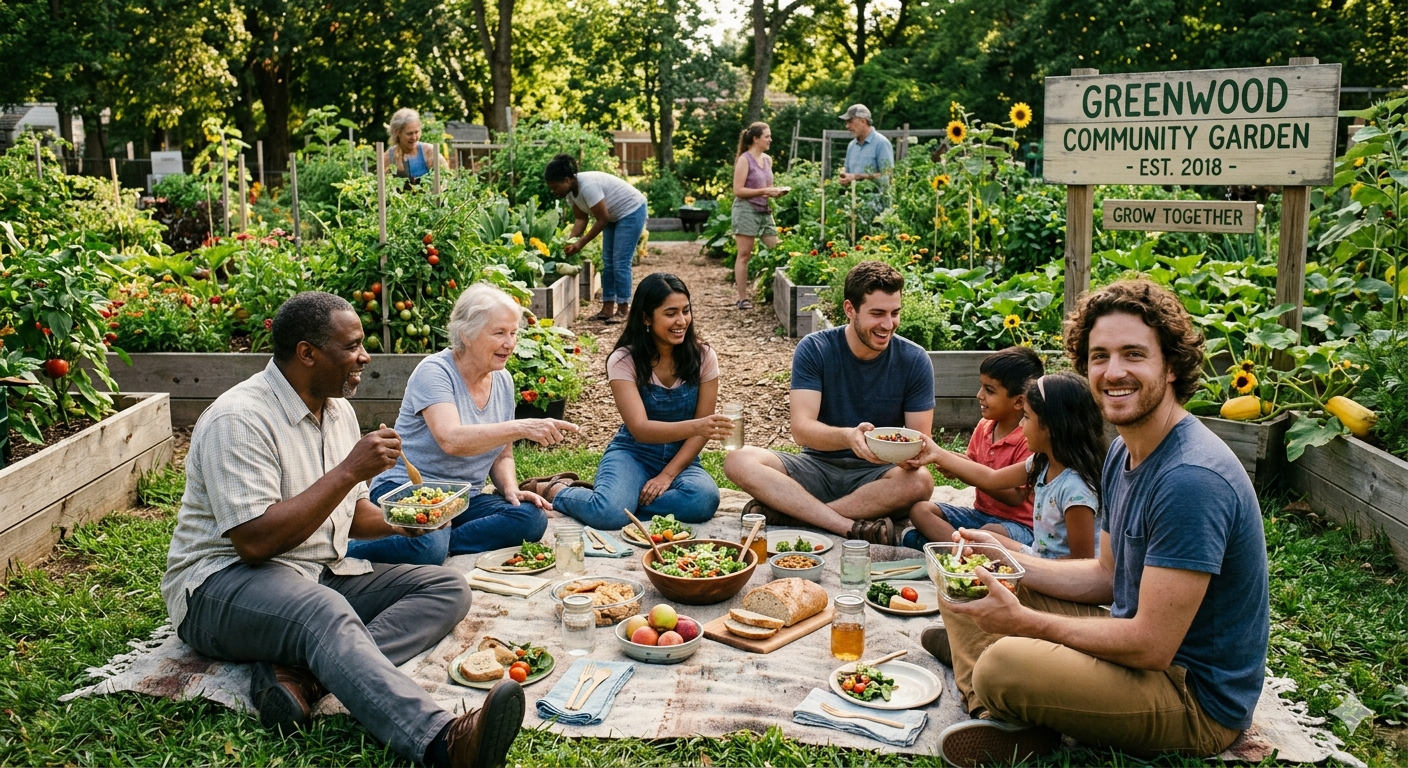
Imagine a place where you can gather with friends and family, surrounded by lush gardens, under a canopy of trees, all while making choices that benefit the planet. A sustainable eco-friendly garden picnic isn't just about enjoying the great outdoors; it's about embracing a lifestyle that cherishes nature and community connections. Dive into a world where recycled picnic blankets and DIY floral arrangements transform your space into a delightful oasis. With guidance on upcycled decor and sustainable picnic essentials, this guide will empower you to host a memorable event that's kind to nature. Discover how you can create these Earth-positive gatherings and inspire those around you to make meaningful connections.
Sustainable Eco-Friendly Garden Picnic: Inspire Community Connections
Building a sustainable garden picnic goes beyond eco-friendly supplies and decor—it thrives on genuine community engagement. Connecting with like-minded individuals who share a passion for sustainability enriches the experience and fosters collective responsibility for the environment. Journey acts as a vibrant hub for such connections, offering robust tools that support authentic social interactions around shared interests like eco-friendly outdoor dining. The platform’s community creation and customization features enable users to establish spaces focused on sustainable picnics, where members can exchange ideas, resources, and experiences in a safe, trustworthy environment. Key ways Journey enhances community engagement for sustainable garden picnics include:
Organizing Local Meetups and Events: Journey’s built-in event tools allow community owners to schedule in-person or virtual picnics, workshops, and sustainability talks, with easy RSVP management and location-based recommendations to connect neighbors and regional enthusiasts.
Facilitating Focused Group Discussions: Dedicated group chats centered on topics such as zero waste meal planning, eco-friendly decor DIY, or waste management strategies enable members to share practical advice and support each other’s efforts.
Showcasing Member Journeys and Contributions: Customizable member profiles and Journey Timelines let individuals document their sustainability endeavors, inspiring others and reinforcing a sense of belonging within the community.
Continuous Learning and Inspiration: The Discover section and AI-powered recommendations connect members with relevant content and new communities, expanding their understanding of sustainable practices and amplifying their positive impact. Through these integrated features, Journey not only cultivates a well-maintained, engaging space for sharing sustainable picnic ideas but also encourages mutual participation and long-term growth. This blend of technology and community nurtures genuine connections, empowering individuals to take meaningful action together for greener outdoor gatherings.
Sustainable Eco-Friendly Garden Picnic Food & Zero Waste Meal Ideas
Preparing organic picnic food with zero waste principles is crucial for a fulfilling sustainable garden picnic. Prioritizing homemade meals helps reduce reliance on plastic packaging and supports mindful outdoor dining. Choosing plant-based picnic recipes made from local produce further lowers your event’s environmental footprint. Key zero waste meal ideas and tips include:
Prepare homemade dishes using organic, plant-based ingredients to minimize packaging waste and promote healthful eating.
Portion snacks like vegetable sticks, fruit salad, and pasta salad into reusable fruit jars to avoid disposable containers.
Use beeswax wraps or silicone bags for eco-friendly food storage instead of plastic wrap or single-use bags.
Choose beverages in glass bottles to reduce plastic consumption and enhance recyclability.
Source local and organic produce to support sustainable agriculture and reduce carbon emissions associated with transport. The Journey app enriches this culinary endeavor by connecting like-minded individuals and communities who share sustainable outdoor dining ideas. Through Journey’s vibrant hubs, users can discover community-driven recipes, exchange resources, and access updates from local organic food providers. This seamless interaction expands understanding and encourages implementing zero waste meal practices effectively. By leveraging Journey’s rich, integrated features—such as customizable groups, content sharing, and event organization—users can participate in discussions, share their own sustainable picnic menus, and foster mutual growth. This creates a trustworthy environment where real-world sustainable dining habits thrive, inspiring long-term commitment to eco-conscious food choices.
Selecting the right reusable picnic supplies is central to achieving a truly sustainable garden picnic. Minimizing single-use plastics and opting for durable, eco-friendly alternatives supports long-term waste reduction and environmental care. Key garden picnic essentials and DIY tips include:
Choose reusable cutlery, plates, and glasses made from sustainable materials like bamboo, stainless steel, or glass to reduce plastic waste and ensure durability.
Replace disposable paper napkins with cloth napkins that are washable and highly absorbent, enhancing both sustainability and picnic comfort.
Utilize sustainable food storage solutions such as beeswax wraps or silicone bags, which keep food fresh without contributing to landfill waste.
Consider eco-friendly picnic baskets crafted from natural fibers or repurposed materials, combining functionality with environmental responsibility. These choices form a practical backbone for a sustainable picnic setup, enabling participants to engage actively in waste reduction without sacrificing convenience or style. Prioritizing ethical cutlery choices and DIY options not only enriches the picnic experience but also aligns with broader eco-conscious lifestyles.
Responsible waste disposal and effective food waste reduction strategies are central to a fulfilling sustainable picnic experience. Emphasizing diligent cleanup after the event preserves the environment and sets a positive example for all attendees. Key eco-conscious practices to implement include:
Use compostable waste bags for collecting trash, enabling easy sorting and reducing landfill impact.
Recycle all eligible materials and compost leftover food to minimize waste and return nutrients to the soil.
Practice portion control to reduce uneaten food, thereby limiting food waste from the outset.
Reuse materials like containers, napkins, and decorations across multiple gatherings to retain resources and cut down on single-use items. Journey facilitates this sustainable approach by serving as a vibrant hub where like-minded individuals can share real-world waste reduction strategies and sustainable picnic planning tips. The platform’s robust community creation tools enable organizing focused groups dedicated to conservation-focused picnic ideas. Members can exchange resources, post updates on their eco-friendly practices, and participate in discussions that foster continuous learning and mutual support. With Journey’s integrated event management and content sharing features, community owners can coordinate local cleanup efforts or zero waste workshops, enhancing collective impact. The AI Sidekick further enriches these efforts by recommending relevant content and connecting members based on shared sustainability interests. This seamless blend of technology and community engagement empowers individuals to take meaningful action, ensuring waste management becomes an integral, well-supported part of every garden picnic.
Creating an Atmosphere for a Sustainable Eco-Friendly Garden Picnic
Crafting an inviting, sustainable atmosphere is central to a fulfilling garden picnic experience. Thoughtful choices in seating, lighting, and pest management enrich the environment while honoring eco-friendly principles. Sustainable floral care plays a critical role in maintaining vibrant picnic decor. Regularly changing water for floral arrangements ensures longevity and reduces waste. Incorporating repurposed seating options, such as a charming red gingham cloth alternative, aligns with zero waste goals by retaining resources and minimizing the need for new materials. Eco-friendly outdoor lighting creates a warm ambiance without compromising sustainability. Solar-powered lanterns or LED string lights are weather-resistant sustainable products that enhance comfort while reducing energy consumption. Natural bug repellents, like citronella candles or essential oil sprays, provide effective pest control without harmful chemicals, supporting both guests’ well-being and the environment. Engage guests with green picnic activities that foster connection and awareness. Consider these ideas:
Organize a plant identification walk to explore local flora and encourage appreciation for native species.
Host a zero waste challenge where attendees brainstorm creative ways to reduce picnic waste together.
Set up a nature art station using found objects like leaves, twigs, and flowers for sustainable creativity.
Lead a group meditation or mindfulness session outdoors to deepen connection with nature. The Journey app enhances this endeavor by enabling users to discover local sustainable outdoor event guides and connect with like-minded individuals passionate about green picnic activities. Through Journey’s vibrant communities, users can access updates on eco-impact of picnics, share resources about weather-resistant sustainable products, and exchange strategies for natural bug repellents. This seamless interaction enriches the picnic atmosphere and fosters a supportive network centered on mindful outdoor living.
Sustainable Eco-Friendly Garden Picnic: Community Engagement & The Journey App Impact
Community engagement is the backbone of a truly sustainable garden picnic. Embracing eco-supportive community areas and participating in ethical picnic socializing practices foster a collective sense of responsibility toward the environment. Leveraging community-supported agriculture ensures ingredients are locally sourced, reducing carbon footprints and supporting regional farmers. Green social initiatives encourage participants to adopt sustainable outdoor dining habits, such as waste reduction and mindful resource use, which amplify the picnic’s positive environmental impact. The Journey app enriches this endeavor by providing a vibrant, well-maintained platform that supports authentic social interactions centered on sustainability. Key ways Journey advances sustainable garden picnics include:
Organizing and Managing Eco-Friendly Events: Journey’s robust event tools simplify planning in-person or virtual picnics, workshops, and sustainability talks, enabling seamless coordination and RSVPs within trusted communities.
Facilitating Focused Discussions and Resource Sharing: Dedicated group chats and customizable community feeds allow members to exchange ideas, share experiences, and access relevant resources on sustainable outdoor dining and green social initiatives.
Showcasing Member Contributions and Inspiring Growth: Journey Timelines and member profiles highlight individual sustainability journeys, fostering a sense of belonging and motivating continuous participation in eco-conscious practices. Journey’s integrated features create a safe and trustworthy environment where like-minded individuals connect, learn, and grow together. This vibrant blend of technology and community engagement transforms sustainable garden picnics from isolated events into meaningful, collective endeavors with lasting environmental benefits.
Final Words
Setting up a Sustainable Eco-Friendly Garden Picnic can be simple. Choose repurposed items for decor, enjoy delicious, zero-waste meals, and use reusable supplies. Manage waste responsibly to leave no trace behind.
This mindful approach to picnicking reflects a commitment to the planet. It fosters community connections and supports a sustainable lifestyle.
Embrace eco-friendly practices to enjoy garden picnics that nurture nature. Let sustainability and creativity guide each outdoor gathering.
Sustainable Eco-Friendly Garden Picnic Ideas
What are some sustainable eco-friendly garden picnic ideas?
Sustainable garden picnics can include using recycled picnic blankets, creating DIY floral arrangements with local wildflowers, and setting up with repurposed furniture or thrifted pieces for an eco-conscious setting.
Sustainable Gardening Practices
What are sustainable gardening examples?
Sustainable gardening practices can include composting, using drip irrigation, companion planting, and integrating native plants to enhance biodiversity and reduce resource consumption.
Why is sustainable gardening important?
Sustainable gardening conserves resources, promotes biodiversity, reduces waste, and minimizes the environmental impact, contributing to a healthier ecosystem.
How can beginners start sustainable gardening?
Beginners can start sustainable gardening by selecting native plants, composting organic waste, conserving water, and avoiding synthetic fertilizers and pesticides.
Eco-Friendly Picnic Ideas
How can you make your picnic more eco-friendly?
To make a picnic more eco-friendly, use reusable cutlery, plates, and napkins, opt for locally sourced and organic foods, and implement waste reduction strategies like portion control.
What is the 70-30 rule in gardening?
The 70-30 rule in gardening encourages organic, sustainable practices, suggesting 70% organic materials like compost and 30% plant diversity to maintain a healthy, flourishing garden.
Community Engagement in Sustainable Practices
How does the Journey app support sustainable picnics?
The Journey app aids in organizing eco-friendly picnics by connecting users with local sustainable communities, providing access to shared eco-friendly practices and locally sourced ingredient providers.


.png)
.png)
.png)
.png)


