
scan QR code


In a world where grocery shopping is often taken for granted, many low-income families face a different reality. The Grocery Store Index offers a window into their challenges by measuring accessibility and affordability in these communities. Fewer store options, classified as food deserts, and grocery prices that soar up to 20% higher than in more affluent areas, paint a bleak picture. Transportation woes add another layer of difficulty, making everyday tasks like grocery shopping a persistent struggle. Utilizing detailed data, the index shines a light on these inequities, setting the stage for a community-focused response. Solutions that address these challenges are not just hopeful ideas—they are essential steps toward a more equitable future. As part of this vital network, the Journey app ensures community members stay informed about local resources and initiatives, embodying the spirit of connectivity and support.
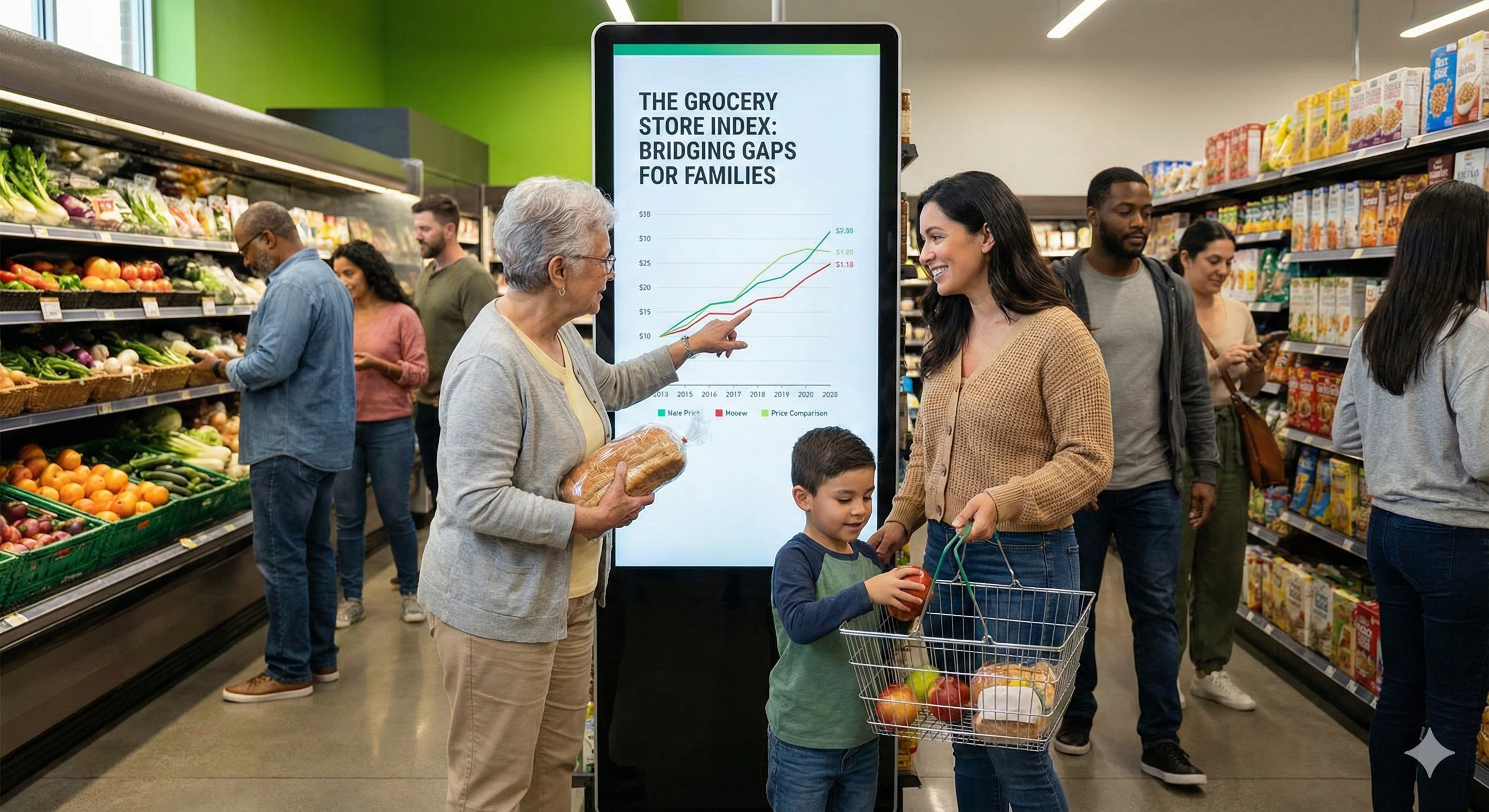
The Grocery Store Index measures both the accessibility and affordability of grocery stores specifically for low-income households. It captures critical data on how many grocery options exist within certain distances from low-income neighborhoods, highlighting stark disparities when compared to wealthier areas. Many low-income neighborhoods face a limited number of stores, and some are even classified as food deserts—areas with little to no access to fresh, affordable groceries. Data from maps and charts reveal challenges that low-income families encounter daily. Grocery prices in these areas can be up to 20% higher, partly due to fewer stores and reduced competition. Transportation difficulties further complicate access, as many households lack reliable means to reach affordable stores. This creates a cycle where families rely more on convenience stores that often carry higher prices and fewer healthy options. The index serves as a crucial guide for understanding these disparities and informs community efforts to improve grocery store accessibility. Platforms like Journey support this endeavor by fostering vibrant, well-maintained communities where individuals can share local updates, discuss resources, and participate in initiatives aimed at expanding affordable grocery shopping options. Journey’s seamless communication tools and community-driven approach enable low-income households to stay informed and connected, empowering them to advocate for better access within their neighborhoods.
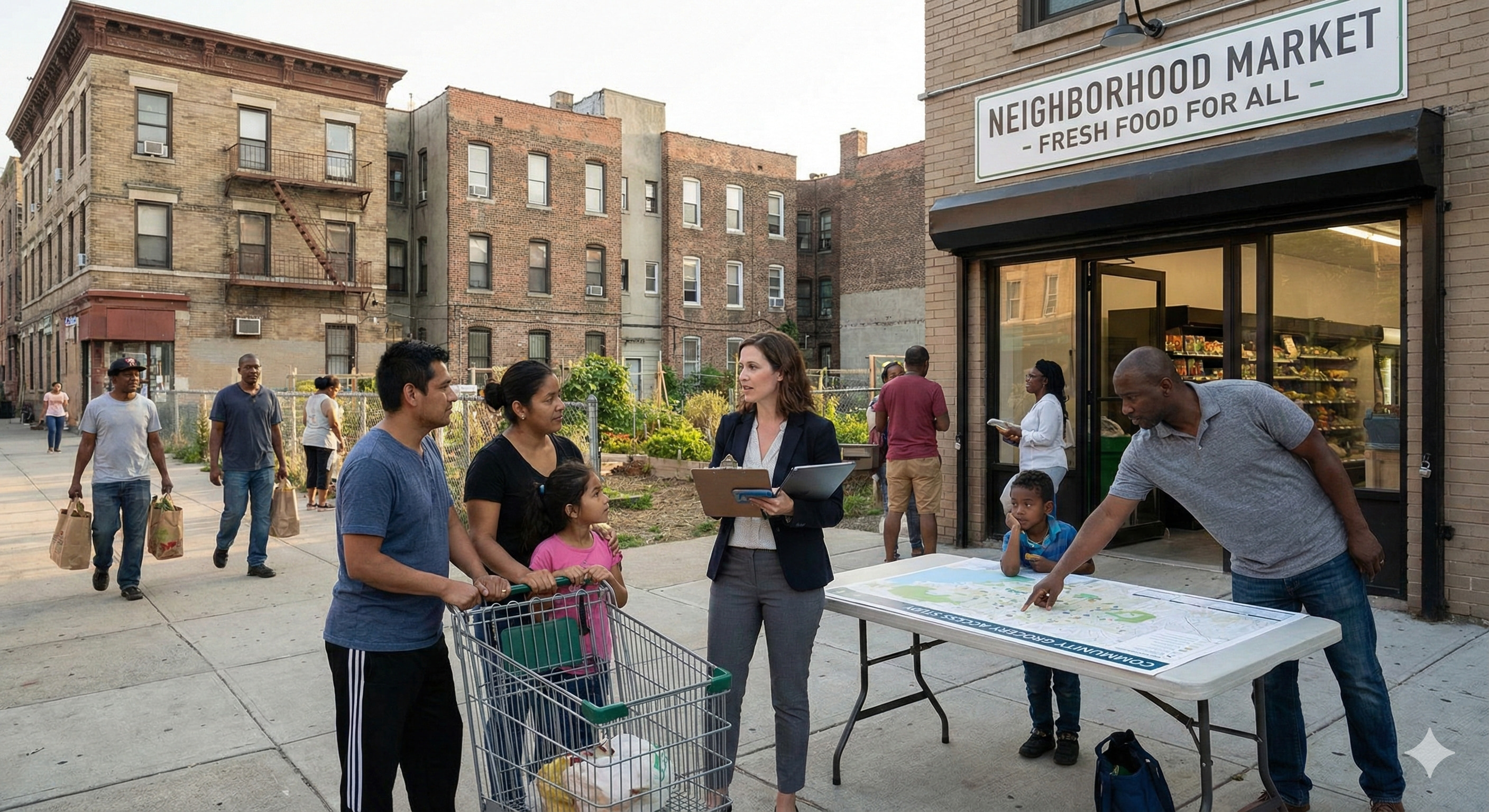
Low-income households face significant challenges in grocery store accessibility, which directly affects their ability to obtain affordable and nutritious food. Studies consistently show that these families often live farther from grocery stores compared to higher-income areas. This extended distance increases both transportation costs and the time required for shopping trips, creating a persistent barrier to regular access. Maps and charts within the Grocery Store Index highlight the stark disparities in store proximity. Low-income neighborhoods frequently have:
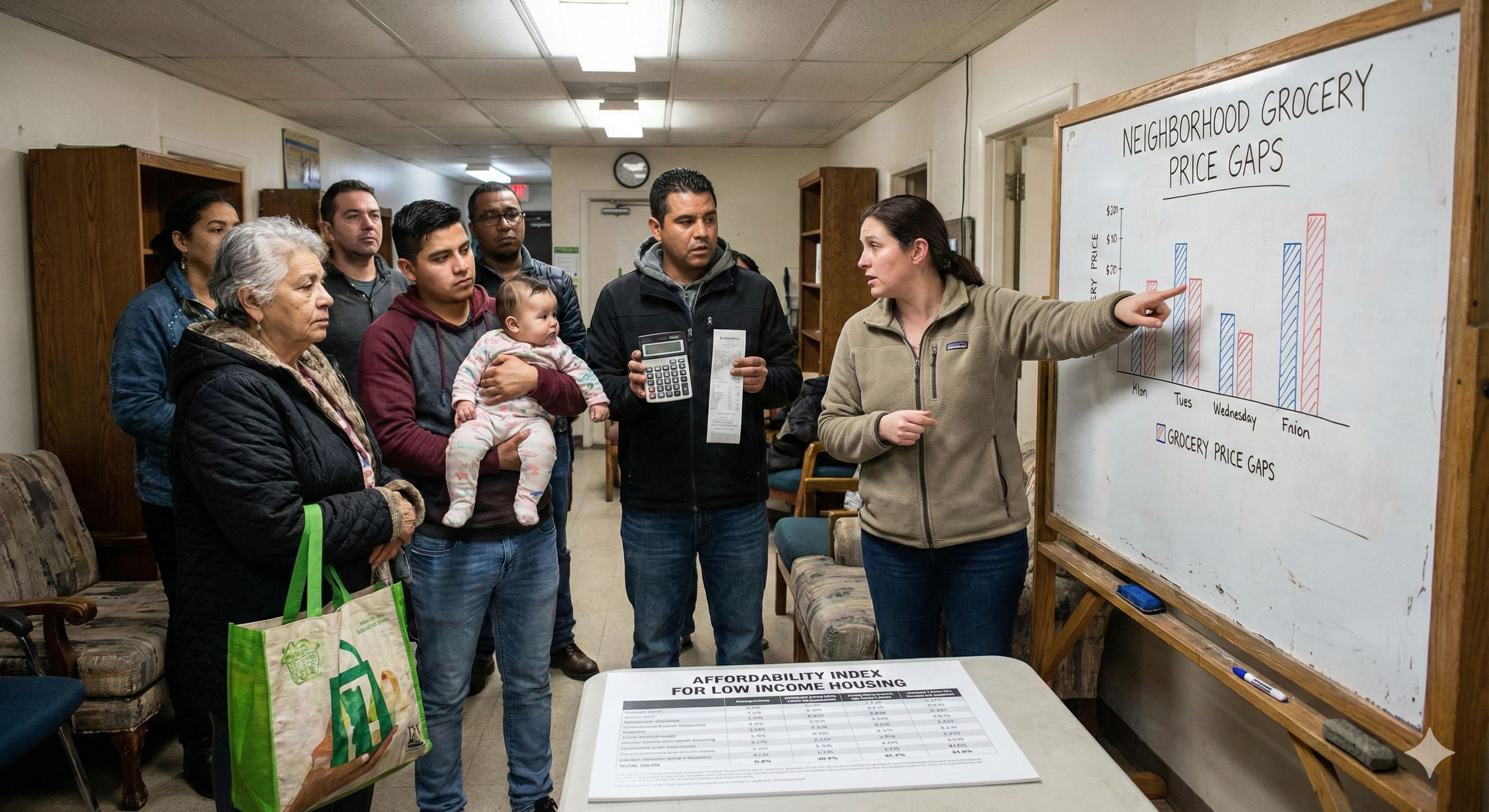
Data reveals that grocery prices in low-income neighborhoods can be up to 20% higher than in wealthier areas. This pricing disparity creates significant economic challenges, limiting food affordability and access to healthy options for low-income households. The Grocery Store Index highlights key factors that contribute to these challenges, emphasizing how higher costs affect daily economic food buying and low-cost meal planning efforts.
To overcome these affordability barriers, low-income households often rely on strategies such as bulk buying, couponing, and meticulous budgeting. These approaches help families stretch limited resources while maintaining access to nutritious food. Understanding these economic pressures is crucial for developing long-term, effective solutions that promote affordable grocery shopping and sustainable food affordability in underserved communities.
.png)
Many low-income communities face severe transportation challenges that deepen food desert conditions, limiting access to affordable and nutritious groceries. These barriers often force families to travel long distances or rely on costly alternatives, impacting their overall well-being. Key solutions to address these issues include:

Addressing the affordability and accessibility challenges highlighted by The Grocery Store Index requires targeted policy interventions and community-driven solutions. Key policy recommendations include offering subsidies to encourage grocery store development in underserved neighborhoods. Incentives for retailers to open new stores can increase competition and lower prices, directly benefiting low-income households. Additionally, expanding existing government assistance programs such as SNAP and WIC plays a crucial role in supporting nutritional aid for vulnerable families. Community grocery programs also form an essential backbone in bridging food access gaps. Initiatives like urban farming empower residents to grow fresh produce locally, while food banks and mobile markets bring affordable groceries directly into neighborhoods classified as food deserts. These programs foster community engagement and provide practical, long-term solutions that align with healthy eating on a budget. Together, these policy frameworks and community efforts create a robust network that supports low-income households. By implementing subsidies, enhancing government aid, and cultivating community programs, stakeholders can effectively address the core issues revealed by the Grocery Store Index, ensuring equitable food access and improved nutritional outcomes for all.
-4%20(3).png)
The Grocery Store Index highlights the critical need for community-based solutions to tackle disparities in grocery accessibility and affordability. Maps and charts vividly illustrate how grocery stores are unevenly distributed, emphasizing the power of community collaboration and support as a backbone for change. Journey serves as a vibrant, well-maintained hub that enriches community engagement by enabling individuals to connect authentically and share valuable resources. This social network fosters seamless communication among like-minded residents who are committed to improving local food access. Journey helps communities in several crucial ways:
The exploration of The Grocery Store Index for low-income houses reveals significant challenges in grocery accessibility and affordability. From accessibility hurdles in food deserts to pricing disparities, the issues are numerous. Solutions lie in improved public transportation and policy support to bridge these gaps. Community initiatives show promise in promoting sustainable food access.
The Journey app's role in fostering community dialogue and resource sharing offers a beacon of hope. These collaborative efforts symbolize a step toward improving the lives of low-income families.
The grocery store index measures how accessible and affordable grocery stores are for low-income households. It considers factors such as store proximity and grocery pricing disparities.
A grocery store index PDF details metrics on grocery store accessibility and affordability in low-income areas. It includes data on store distribution, pricing disparities, and food desert conditions.
In 2021, the grocery store index highlighted ongoing challenges like increased food prices and limited grocery store availability in low-income areas, impacting access to affordable, healthy foods.
Low-income areas often face fewer grocery stores due to economic factors, leading to food deserts. Transportation challenges and higher grocery prices are also common in these communities.
""Low-income, low-access"" in food deserts refers to areas where residents lack both financial means and proximity to supermarkets or large grocery stores, making it difficult to purchase affordable, healthy food.
Yes, there is an index that monitors grocery prices, often included in broader studies on food affordability and accessibility, especially in low-income neighborhoods.
Demographic groups most affected by housing affordability issues include low-income families and individuals living in areas with limited grocery store access, often experiencing higher living and food expenses.
Solutions include improved public transport, mobile grocery markets, and community-based food programs, aiming to reduce food deserts and enhance access to affordable, healthy foods.



.jpg)