
scan QR code


Thrift-Flipping Tourism is redefining the landscape of budget travel and offering a fresh way to engage with the world around us. This emerging trend combines the thrill of discovering unique, pre-loved items with an unparalleled opportunity to immerse oneself in local cultures. Enthusiastic travelers are not only saving money but are also breathing new life into secondhand treasures, creatively transforming them into valuable artifacts. Along the way, they forge genuine connections and participate in sustainable travel practices that benefit the communities they visit. Through platforms like Journey, these travelers share their captivating stories, inspire others, and engage in a meaningful community built around shared experiences. Whether you're a seasoned thrift-flipper or a curious beginner, you'll discover how to turn your next travel adventure into a creative and rewarding journey.
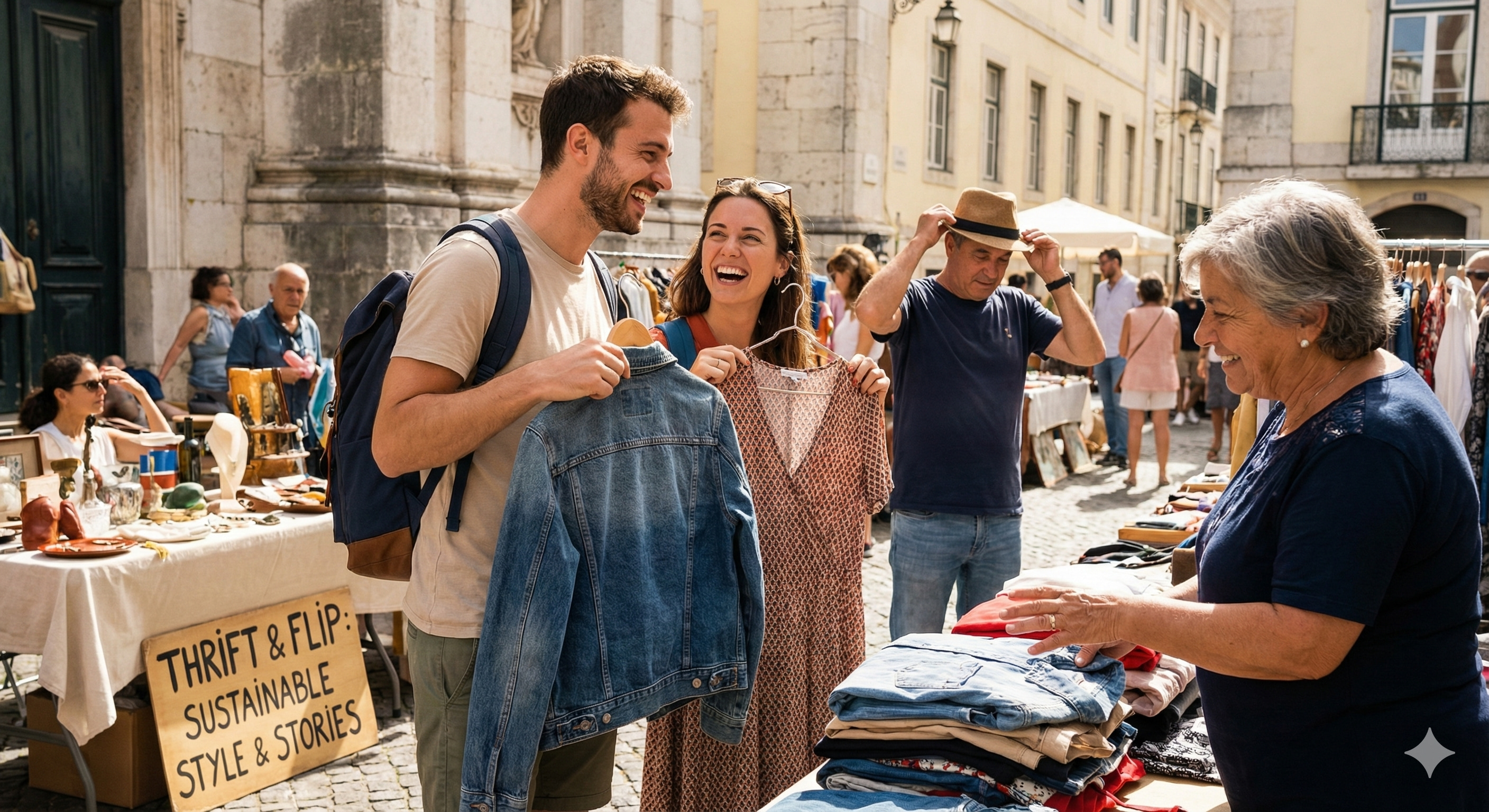
Thrift-flipping tourism is an exciting endeavor where travelers transform secondhand goods into unique, value-added items while exploring new places. This practice blends the thrill of vintage shopping with creative expression, allowing individuals to craft one-of-a-kind pieces that reflect local culture and personal style. Beyond the financial opportunities, thrift flipping on the road enriches the travel experience by connecting people to the essence of each destination’s heritage through its thrift stores and markets. Combining travel with thrift flipping offers a fulfilling way to stretch budgets and engage in sustainable travel. By repurposing pre-loved items, travelers reduce waste and embrace eco-friendly practices that align with a growing commitment to sustainable tourism. This approach promotes mindful consumption while uncovering unique finds that are often unavailable in mainstream retail. The creative process of upcycling also fosters a deeper appreciation for craftsmanship and local traditions embedded within vintage goods. Platforms like Journey play a crucial role in fostering community engagement and authentic connections among thrift-flipping tourists. Journey’s vibrant social network encourages like-minded individuals to share their creative journeys, exchange ideas, and support one another through vibrant discussions and resource sharing. The app’s seamless tools for content creation, member interaction, and event organization empower users to participate actively in communities centered around thrift flipping and sustainable travel, enriching both their personal growth and travel experiences.

Thrift-flipping tourism thrives on more than just the thrill of discovery—it flourishes within vibrant communities where like-minded individuals share their passion for vintage shopping and creative upcycling. Journey offers a robust platform that acts as the central hub for these enthusiasts, enabling them to create and customize their own communities focused on thrift flipping. Through Journey’s flexible privacy settings and member roles, users build safe, trustworthy spaces where genuine interaction and rich discussions enrich everyone’s experiences. The community feed on Journey serves as the backbone for seamless communication, allowing members to post updates, share photos of unique thrift finds, and showcase their creative transformations. This vibrant interaction fosters mutual encouragement and continuous learning. Group chats and direct messaging further support focused conversations, enabling seasoned and new flippers alike to exchange travel tips and insights about local thrift store locations, flea markets, and hidden vintage gems. Journey’s AI Sidekick enhances these connections by recommending relevant content and facilitating introductions among members with shared interests. Journey also integrates event creation and management tools, empowering communities to organize meetups, workshops, and virtual tours that deepen cultural understanding and community bonds. Members can document their thrift-flipping journeys through customizable profiles and Journey Timelines, showcasing growth and inspiring others. This seamless blend of tools and strategies encourages participation and cultivates a sense of belonging, making Journey an indispensable resource for those who want authentic social interactions centered around thrift-flipping tourism.
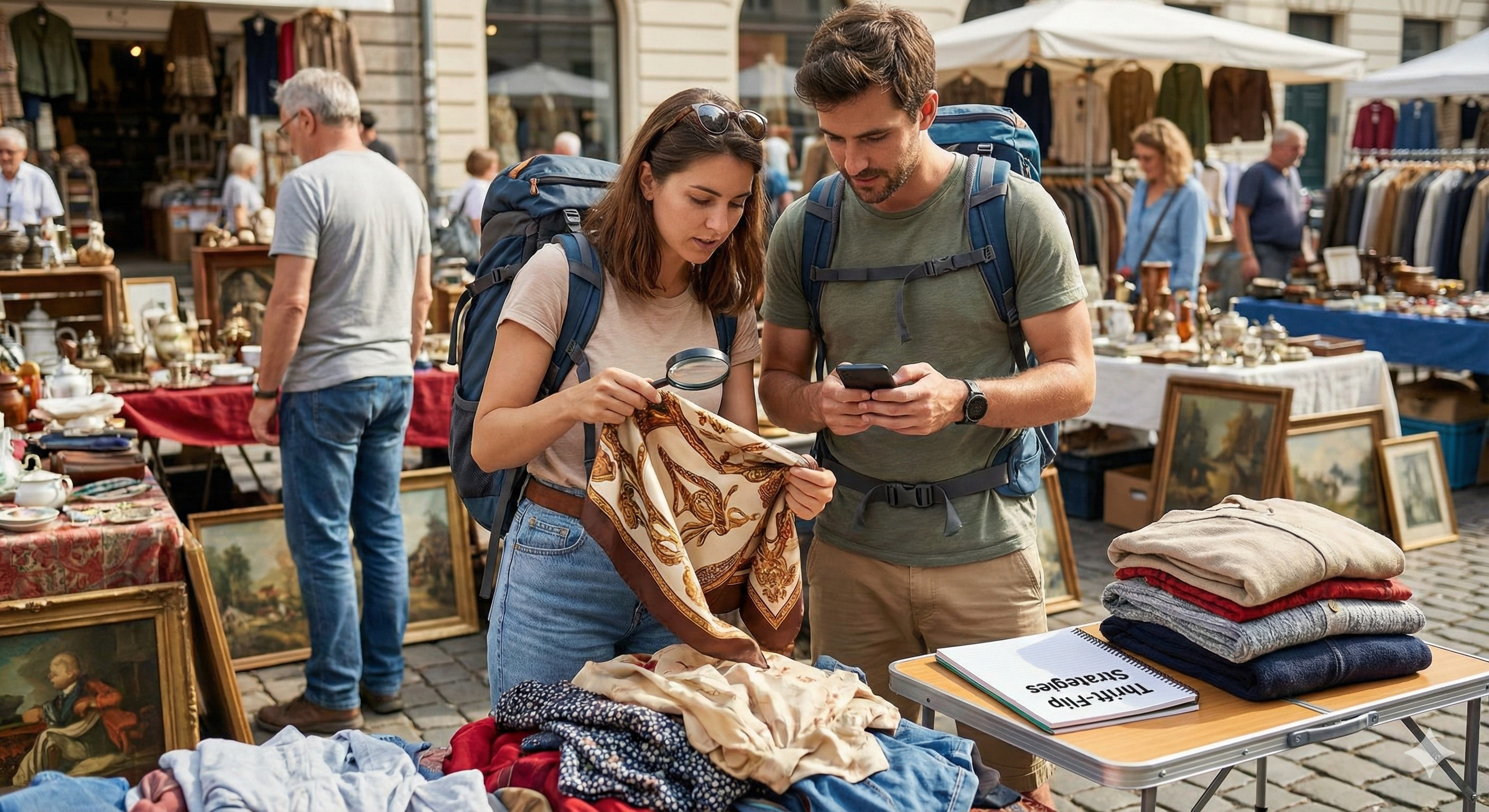
Successful thrift flipping while traveling hinges on a keen eye for quality and an informed understanding of market trends. Travelers must inspect items critically, identifying materials, craftsmanship, and authenticity to ensure resale potential. Recognizing local pricing differences and cultural preferences is equally crucial for maximizing profits. Adding creative flair through upcycling or thoughtful alterations can elevate ordinary finds into highly sought-after pieces, enhancing their value and appeal. Experienced flippers emphasize practical strategies to boost margins on the go. Negotiating prices and seeking discounts can open opportunities for better deals, while documenting flips helps refine techniques and track progress over time. Networking with local sellers and fellow thrifters expands access to hidden gems and insider knowledge. Adapting these approaches during travel requires flexibility and resourcefulness, balancing exploration with strategic acquisition. The Journey app supports this endeavor by offering a vibrant community hub where travelers share market insights, thrift store locations, and success stories. Its integrated tools foster continuous learning and mutual encouragement, enabling users to leverage collective wisdom. Journey’s AI Sidekick further streamlines the process by recommending relevant content and connecting members with similar interests, making it easier to navigate diverse thrift shopping scenes and optimize flipping efforts.

Thrift-flipping tourism has proven to be a rewarding endeavor for many travelers, combining passion with profit in remarkable ways. A standout example includes a single thrift store visit yielding profits between $921 and $936, showcasing the potential of smart buying and creative transformation. These case studies highlight the value of acquiring discounted, high-quality items and leveraging craftsmanship to maximize resale value. Such success stories demonstrate how thrift flipping can effectively subsidize travel expenses and even fund exotic vacations, making budget travel more accessible and fulfilling. One particularly inspiring flip involved a white painted dresser purchased at a discount, which was transformed into a highly sought-after piece. Another example features the profitable restoration and modernization of vintage furniture, underscoring how attention to detail and quality evaluation can significantly enhance an item’s market appeal. These tangible outcomes emphasize the importance of thorough product inspection and understanding the resale market to achieve financial success while traveling. Long-time flippers share stories of how thrift flipping has evolved from a hobby into a viable income source that supports their travel lifestyle. They stress the critical role of evaluating product condition, brand authenticity, and unique features that appeal to niche buyers. These insights provide an invaluable guide for newcomers eager to combine their love for travel with the thrill of finding and flipping secondhand goods.

Thrift-flipping tourism plays a pivotal role in advancing sustainable tourism by promoting the reuse and repurposing of secondhand goods. This approach reduces waste and lessens the demand for new production, aligning closely with eco-friendly travel principles. By giving discarded items new life, travelers contribute to a long-term reduction in environmental impact while embracing a more mindful consumption pattern. Beyond sustainability, thrift flipping immerses individuals in rich cultural experiences. It connects travelers with local artisans, historic shops, and community traditions embedded in vintage goods. Engaging with these local thrift stores fosters ethical shopping practices that respect and support the heritage and craftsmanship unique to each destination. Such interactions deepen travelers’ understanding of the community’s essence and promote meaningful cultural exchange. The Journey app enhances these sustainable and cultural pursuits by helping users discover authentic travel experiences centered on ethical shopping and community impact. Journey’s tools enable users to connect with local groups, share insights about eco-friendly travel, and participate in cultural events organized within their communities. This seamless integration supports a vibrant network of like-minded individuals committed to sustainable tourism and enriching cultural engagement.

Thrift-flipping tourism flourishes within vibrant communities where individuals share a passion for uncovering unique thrift store treasures and creatively transforming them. Journey acts as the central hub enabling like-minded travelers and flippers to build safe, trustworthy spaces tailored to their interests. Its intuitive community creation tools guide users through branding and privacy customization, ensuring each group fosters a rich environment for meaningful interaction and mutual support. At the heart of these communities lies Journey’s dynamic feed, where members post updates, share photos of their latest flips, and exchange valuable insights. This backbone of communication encourages continuous engagement and learning. Dedicated group chats and direct messaging enable focused conversations on travel tips, ethical shopping, and local thrift store adventures. Journey’s AI Sidekick enhances discoverability by recommending relevant content and connecting users with peers who share their goals and experiences. Journey also empowers communities to organize events and meetups, both virtual and in-person, that deepen cultural understanding and strengthen social bonds. Customizable member profiles showcase individual skills, interests, and accomplishments, fostering a sense of belonging and growth. By blending robust tools with a vibrant, supportive network, Journey enriches thrift-flipping tourism through authentic social connections and shared creative journeys.
Thrift-flipping tourism opens new doors in budget travel, blending affordability with creative discovery.
Travelers transform secondhand treasures into unique finds, making this practice both sustainable and enriching.
By embracing vintage shopping and cultural exchange, participants gain deeper insights into local communities.
Platforms like Journey enhance these experiences, providing tools for authentic storytelling and community building.
Thrift-flipping tourism not only supports eco-friendly adventures but also enriches personal growth and exploration.
As the trend continues, the potential for connecting cultures and fostering sustainable practices remains promising.
Embark on this journey to discover the limitless possibilities that await.
Thrift-flipping tourism involves transforming secondhand goods into unique, valuable items while traveling. It combines budget-friendly travel with creative expression and promotes sustainable tourism practices by encouraging reuse.
Thrift-flipping contributes to sustainable tourism by reducing waste through reuse. It also fosters cultural engagement by connecting travelers with local artisans and shaping meaningful community experiences.
Thrift flipping is legal. It involves buying secondhand items and reselling them for profit. However, it's essential to research local regulations and laws to ensure compliance when buying and selling items.
Gen Z is drawn to thrifting due to its affordability, unique fashion finds, and sustainability. Thrifting aligns with ethical consumption values and offers a creative outlet for personal style at a low cost.
Thrift flipping can be highly profitable, with examples of significant profits from single items. Success depends on selecting quality items, understanding market trends, and adding creative value through upcycling.
Yes, luggage used specifically for business travel can be tax-deductible. It's crucial to keep receipts and document how the luggage is used for business to support deductions.
Travelers can maximize profits by inspecting items for quality, researching market trends, negotiating prices, and networking with local sellers. Documenting flips can also help improve strategies and success rates.



.jpg)