
scan QR code


Women in competitive sports have long been catalysts for change, inspiring connections rooted in mutual respect and shared ambition. From ancient times, when athletic women began making their mark despite societal constraints, to the transformative impact of Title IX, their journey has been both challenging and triumphant. Each milestone in women's sports history not only reflects progress but also highlights the persistent struggle for equality. As these pioneering women blazed trails, they laid the groundwork for future generations, proving that determination and passion can transform the landscape of sports forever. Journey, the app dedicated to authentic community building, provides a space for enthusiasts to engage with these stories, learn from sports pioneers, and celebrate the collective achievements that continue to inspire genuine connections today.

Women’s involvement in competitive sports traces back to ancient times, reflecting a rich cultural heritage. Literary works such as Homer’s Odyssey highlight early examples, like Princess Nausicaa and her handmaidens engaging in ball games, signaling women’s longstanding connection to physical activity and competition. These early instances underscore the essential role women played, not only as participants but also as cultural figures embodying strength and skill. This ancient foundation showcases how women’s sports history is deeply intertwined with broader societal narratives. The Victorian era marked a period of severe restrictions on women’s athletic participation. Prevailing beliefs discouraged strenuous activity, citing concerns over health and femininity. These limitations, however, became a catalyst for change. The passage of Title IX in 1972 was a pivotal milestone, mandating equal opportunities in education and athletics. This legislation transformed the landscape by empowering female athletes, increasing access to resources, and fostering a culture of gender equality in sports. Title IX’s impact was critical in dismantling barriers and setting the stage for the growth of women’s competitive sports. These historical milestones paved the way for modern female athletes and communities that celebrate their achievements. The progress from ancient participation through restrictive eras to legislative breakthroughs highlights a continuous journey toward equality. Key milestones include:

Media coverage plays a crucial role in shaping public perceptions of women in competitive sports. Exposure to female athletes through various media platforms can challenge stereotypes and reduce prejudice. Studies applying Agenda-Setting and Framing theories show that how women's sports are presented influences societal attitudes and recognition of female athletes’ achievements. Research highlights several effective media strategies used to promote women’s sports and alter public views:
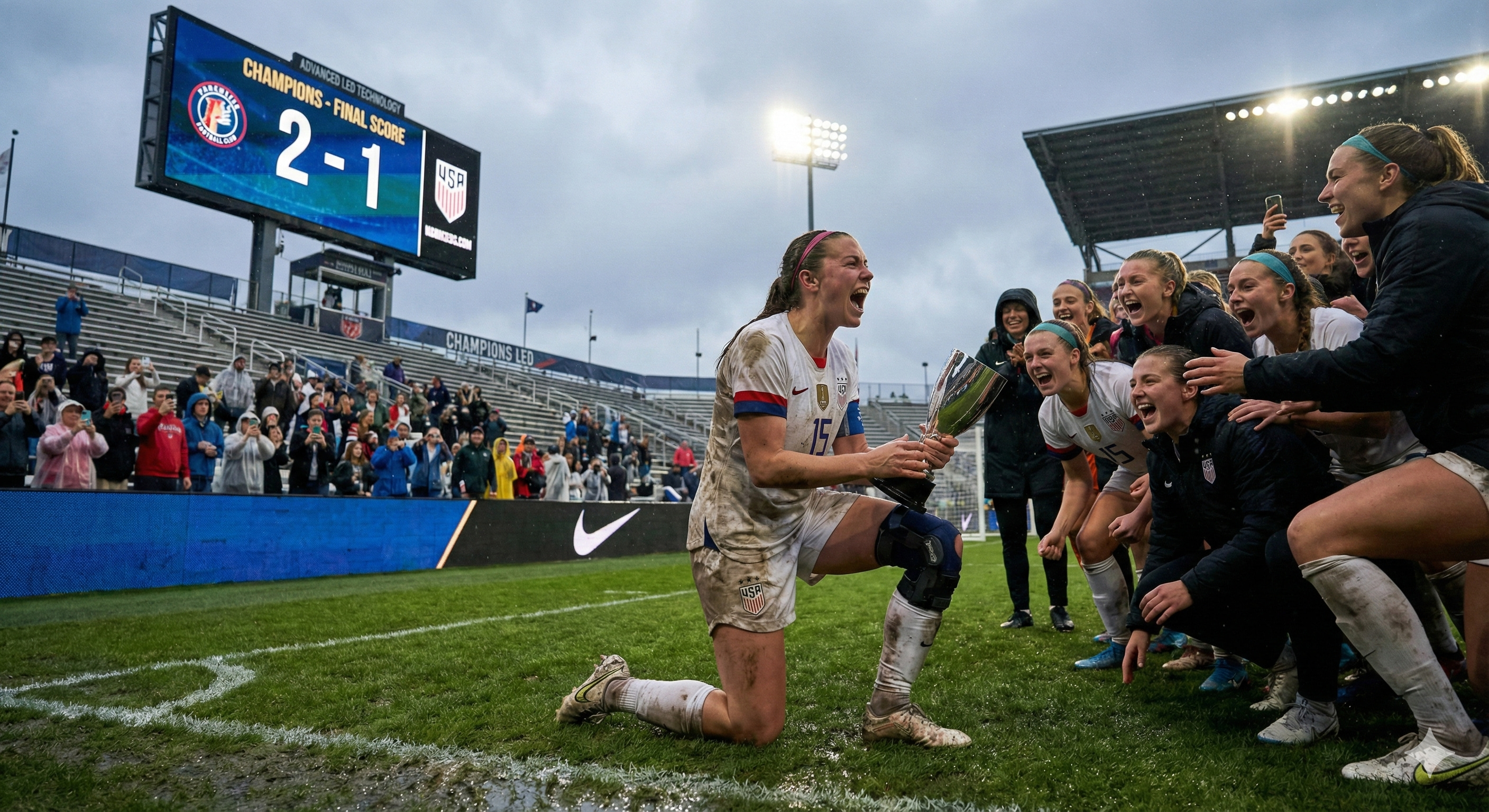
Women athletes continue to face significant barriers in competitive sports. Persistent issues include gender-based discrimination, unequal pay, and limited media exposure. These challenges often restrict access to resources, sponsorships, and recognition, creating an uneven playing field. Despite these obstacles, women have shown remarkable resilience and determination, pushing boundaries and redefining what is possible in athletics. Outstanding female athletes like Serena Williams, Simone Biles, and Megan Rapinoe have become icons by breaking barriers and setting new standards of excellence. Their success stories highlight not only their talent but also their roles as trailblazers inspiring countless others. These athletes have elevated women’s sports visibility, challenged societal norms, and advocated for equality both on and off the field. Cultural and systemic barriers remain deeply ingrained in many sports environments. Sexism, stereotypes, and traditional expectations continue to limit opportunities and acceptance for women athletes. Overcoming these challenges requires ongoing efforts to shift mindsets, reform policies, and create inclusive spaces that value female contributions equally. Role models who share their journeys openly help dismantle stigma and empower younger generations to pursue their athletic ambitions without compromise. Key challenges faced by women in competitive sports include:
-2.png)
Title IX stands as a central pillar in transforming women’s participation in competitive sports. By mandating equal opportunities in educational athletics, it significantly increased female involvement and access to resources. This landmark policy provided a robust foundation for gender equity, encouraging institutions to prioritize inclusivity and fairness in sports programs.

Financial inequities remain a crucial challenge for women in competitive sports. Despite growing visibility, female athletes often face significant pay disparities and receive fewer sponsorship opportunities compared to their male counterparts. This imbalance limits access to resources and affects long-term career sustainability for many women athletes. Corporate sponsorships and marketing initiatives have become central to elevating the profile of female athletes. Brands increasingly recognize the value of partnering with women’s sports leagues and standout athletes, leveraging their influence to reach diverse audiences. This shift fosters more robust funding streams, enabling growth in women’s sports and opening doors for emerging talent. Looking ahead, the economic landscape for women’s sports shows promising trends. Enhanced media coverage, targeted sponsorship campaigns, and growing fan engagement contribute to expanding financial opportunities. Continued advocacy for equitable pay and investment will be essential to sustain this momentum and strengthen the economic impact of women in sports.
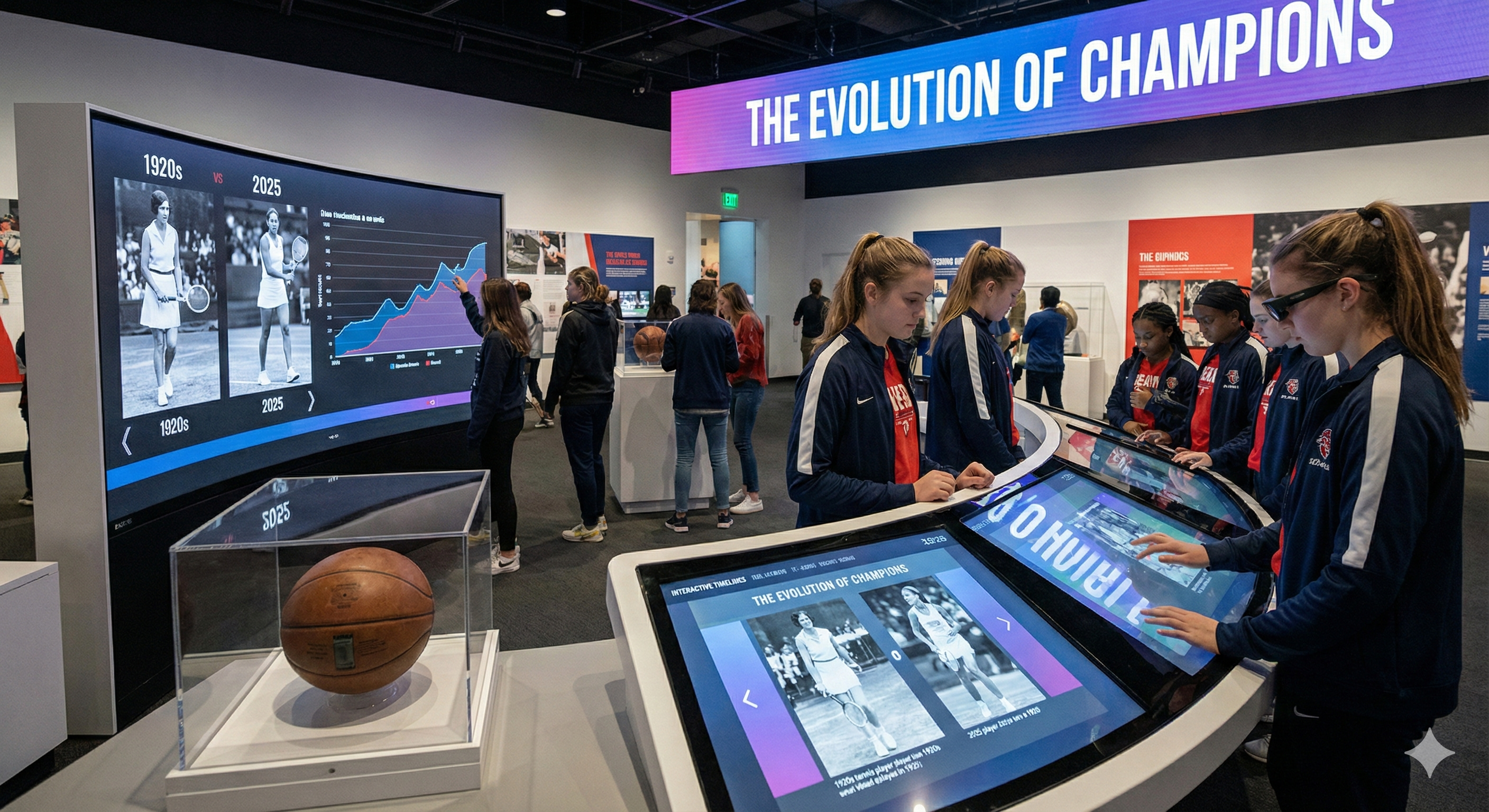
The future of women in competitive sports is shaped by dynamic trends that expand participation and influence. Innovations in technology, sports management, and media are creating new pathways for female athletes to showcase their talents and lead within their fields. These developments foster a more inclusive and empowering environment, encouraging women to engage at every level—from grassroots to professional competition. Key technological and management innovations currently driving progress include:
Unfolding the history of Women in Competitive Sports reveals milestones and trailblazers who have shaped the landscape today. Titular laws like Title IX catalyzed opportunities, driving progress in female representation. Despite persisting challenges in media coverage, gender equality, and economic discrepancies, women's resilience and advocacy continue to foster change.
Women athletes break barriers, embodying success and inspiring future generations. As high-profile names push boundaries, the pursuit of equal opportunities progresses. Communities and platforms amplify voices, creating inspired connections that celebrate every win. The horizon holds promise, signaling more barriers shattered and victories celebrated.
The highest-paid female athlete varies each year. In recent years, athletes like Serena Williams and Naomi Osaka have topped the earnings charts due to endorsements and prize money.
Female-dominated sports often include gymnastics, figure skating, and netball. These sports have historically had high female participation and influence.
While it's difficult to predict specific athletes, emerging stars and established champions will likely continue inspiring. Talents in tennis, soccer, and gymnastics are expected to make waves.
Women began competing in organized sports in the late 19th and early 20th centuries. The accessibility and acceptance of women in sports significantly increased post-Title IX in 1972.
Current issues include gender-based pay disparities, unequal media coverage, and limited sponsorship opportunities. Advocacy and policy reforms continue to address these challenges.
Title IX, enacted in 1972, mandates equal opportunities in education and athletics for women, drastically increasing female sports participation and scholarship availability.
Popular female sports include soccer, basketball, and tennis, which boast high levels of competitive participation and viewership globally.
Women's sports media coverage is often less than men's, though initiatives are underway to improve visibility. Media influences public perception, making balanced coverage essential.
Female participation in sports has increased due to greater visibility and encouragement. Title IX has played a vital role in ensuring equal opportunities since its enactment.
Famous women in sports include Serena Williams, Simone Biles, and Megan Rapinoe. These athletes are celebrated for their outstanding contributions and advocacy for equality.
Pioneers like Billie Jean King and Wilma Rudolph paved the way for women's competitive sports, breaking barriers and inspiring future generations of female athletes.


.jpg)