scan QR code


Zero-waste shops aspire to revolutionize the way we consume, highlighting the importance of sustainability in our everyday choices. Yet, these shops face an array of challenges distinct from traditional retail. From navigating niche market trends to overcoming sustainability hurdles, zero-waste shops must adapt to thrive in a competitive landscape. Accessibility and pricing remain significant barriers, as eco-friendly products often come with higher costs. The retail infrastructure demands systemic changes to align with zero-waste principles, influencing where and how these products are offered. By understanding the unique hurdles these shops encounter, consumers can appreciate the efforts behind every eco-conscious product. Dive deeper to explore how zero-waste shops turn these struggles into opportunities for growth, and discover how community apps like Journey foster connections that empower both consumers and shop owners to champion a sustainable lifestyle.
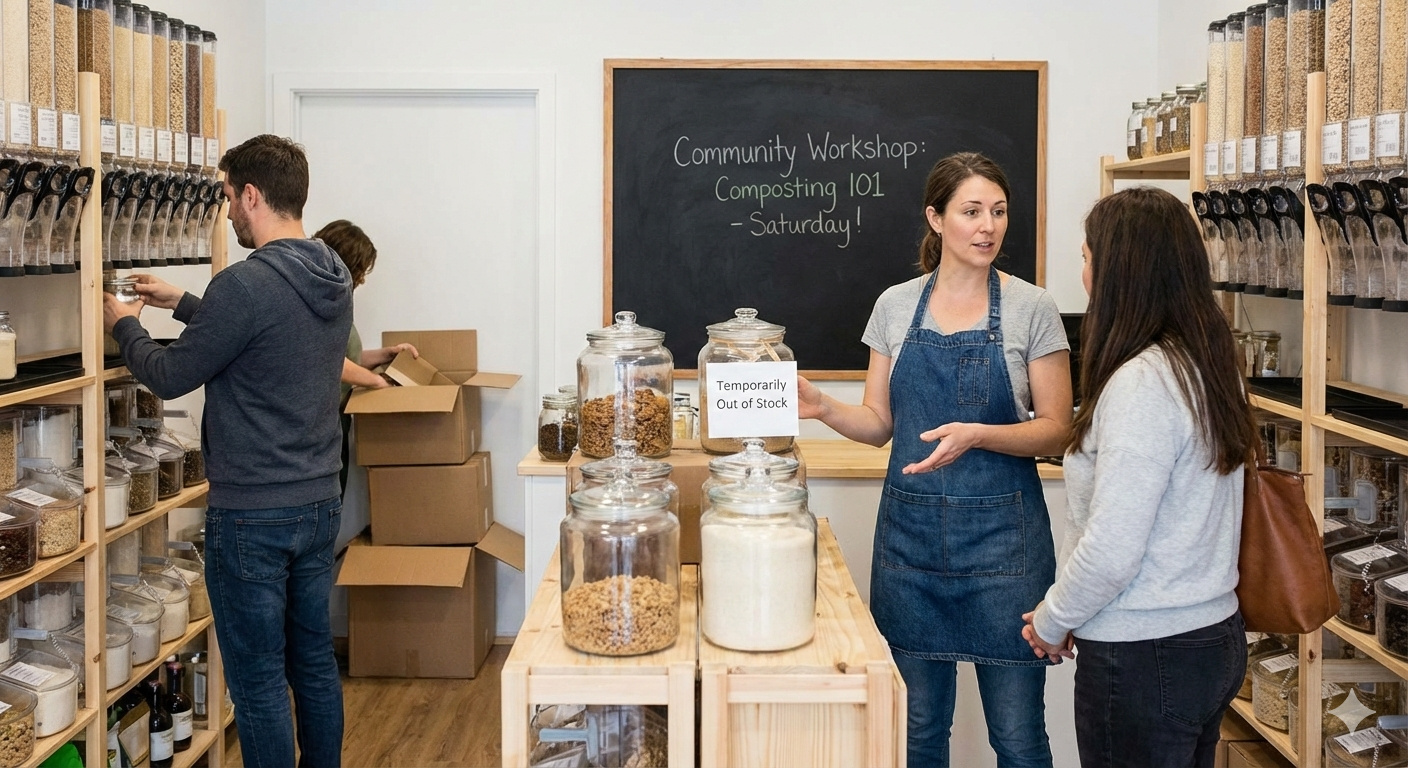
Zero-waste products primarily reside in specialized stores or farmers’ markets, limiting accessibility for a broader audience. This niche availability creates a crucial barrier for consumers who seek eco-friendly alternatives but face challenges finding them in mainstream retail. The limited product variety compounds this issue, as zero-waste shops often cannot offer the extensive range found in conventional stores, which affects consumer choice and market growth. Higher production costs, driven by sustainable sourcing and ethical labor practices, translate into increased prices for zero-waste products. These elevated costs deter price-sensitive customers, posing a significant sustainability challenge for zero-waste shops striving to balance affordability with environmental responsibility. Additionally, the current retail infrastructure is largely misaligned with zero-waste principles, demanding systemic changes to support this growing market segment effectively. Consumer behavior also reflects these hurdles: many individuals struggle to integrate zero-waste shopping into their routines due to convenience and availability constraints. However, fostering a community of like-minded individuals can nurture motivation and shared learning, making sustainable living a more fulfilling endeavor. Platforms like Journey serve as a vibrant hub where eco-conscious consumers and local zero-waste initiatives can connect, exchange ideas, and access relevant resources. Journey’s robust community creation tools enable the formation of well-maintained groups focused on zero-waste living, enhancing engagement through organized discussions, workshops, and shared experiences. This seamless interaction supports continuous growth and the retention of members committed to sustainability, making Journey a critical tool for overcoming market and sustainability challenges in the zero-waste movement.

Zero-waste shops encounter critical supply chain difficulties due to the limited number of vendor relationships and the niche availability of eco-friendly products. Sourcing from small-scale, ethical producers often results in unpredictable inventory flows, complicating inventory management and leaving shops vulnerable to stock shortages or overstocking. High operational costs compound these challenges. Ethical labor practices and sustainable materials increase expenses, making it difficult to maintain competitive pricing. These costs reflect the essence of zero-waste values but place significant financial pressure on shop owners striving for long-term sustainability. Store location is another crucial factor. Many zero-waste shops reside in upscale neighborhoods, restricting accessibility and limiting market reach. This concentration impacts growth opportunities and the ability to connect with a broader, diverse customer base. To turn these operational hurdles into growth opportunities, zero-waste shops can leverage robust community engagement and resource sharing. Platforms like Journey serve as a vibrant hub where shop owners and eco-conscious consumers interact seamlessly. Journey’s tools enable organizing focused group discussions around supply chain innovations, sharing vendor recommendations, and collaborating on inventory strategies. This rich interaction fosters mutual support and continuous learning, ultimately enhancing operational resilience and expanding market presence for zero-waste shops.
.png)
Zero-waste shops face significant financial hurdles rooted in the nature of their products and business models. Durable, ethically sourced materials drive higher upfront costs, making zero-waste products more expensive than conventional alternatives. While these products often provide long-term savings due to their longevity and reduced waste, the initial investment can deter many customers. Balancing operational costs with competitive pricing remains a crucial challenge for shop owners navigating a competitive retail landscape. Key financial hurdles include:

Many consumers face misconceptions about the feasibility of absolute zero waste. This misunderstanding can lead to frustration and disengagement. Effective customer education is therefore crucial to clarify what genuine eco-friendly practices entail, distinguishing them from marketing hype. With limited zero-waste product availability, shops must actively engage their communities to foster informed and motivated customers. Successful community building centers on creating a rich environment where knowledge and experiences are shared organically. Key strategies include:

Zero-waste shops face the critical challenge of establishing a compelling digital presence within a niche market. Limited product variety and higher operational costs can affect brand perception, making it crucial to implement marketing strategies that highlight the essence of sustainability while building trust and loyalty. Eco-conscious branding is central to differentiating zero-waste stores and cultivating a vibrant community of like-minded individuals. Robust digital marketing strategies are key to expanding reach and deepening engagement. Social media platforms offer a space for storytelling that showcases a store’s mission and values, creating a safe and trustworthy environment where customers feel a sense of belonging. Email marketing supports retention by delivering relevant updates, promotions, and educational content that enrich members’ understanding of zero-waste practices. Content marketing enhances discoverability through SEO optimization, guiding eco-conscious consumers toward sustainable shopping options. Additionally, online community platforms facilitate focused discussions and feedback, encouraging continuous learning and authentic interaction. The following table summarizes essential digital channels and strategy focuses for zero-waste shops:
Journey serves as a vibrant hub that supports these marketing and branding efforts seamlessly. By enabling zero-waste shops to create well-maintained, customizable communities, Journey encourages meaningful participation and authentic social interactions. Its integrated tools empower shop owners to organize engaging content, host events, and foster ongoing discussions that enhance brand credibility and customer loyalty. The AI Sidekick further enriches community management by personalizing onboarding and recommending relevant resources, ensuring sustained growth and a fulfilling experience for both shop owners and customers committed to sustainable living.
Exploring Zero-Waste Shop Struggles reveals how these businesses navigate sustainability challenges and market trends. They battle supply chain issues, financial hurdles, and the complexities of customer education. Operational and supply constraints challenge them in making eco-friendly products widely accessible and affordable.
Fostering community engagement and eduation is key to overcoming these obstacles. Encouraging local partnerships and utilizing effective digital marketing can further support their mission.
As these shops continue to face ever-evolving difficulties, they remain vital in promoting sustainable practices. With ongoing support and innovation, zero-waste shops can thrive amidst their struggles.
A: Zero-waste shops in California often struggle with limited product variety, higher production costs, and misalignment with traditional retail infrastructure, impacting accessibility and sustainability.
A: To overcome operational challenges, zero-waste shops need to optimize vendor relationships, streamline inventory management, and manage high operational costs driven by ethical labor practices and upscale locations.
A: Zero-waste shops face high startup costs, niche market pressures, and ethical sourcing challenges. Strategies include competitive pricing, cost management, and exploring alternative revenue streams for sustainability.
A: Customer education combats misconceptions about zero-waste living. Zero-waste shops can host workshops, engage with consumer feedback, and partner with local organizations to build a supportive community.
A: Improving digital presence involves leveraging social media for community building, using email for retention, content marketing for education, and online platforms for consumer engagement to boost eco-conscious branding and loyalty.