scan QR code


Coastal communities across the globe are facing unprecedented challenges as they strive to adapt and thrive amidst the impacts of climate change. From the rising tides threatening the shores of Tuvalu and Kiribati, to the intense storm systems battering the Gulf Coast of the U.S., these communities are on the front lines of an evolving crisis. They contend not only with environmental threats such as coastal flooding and erosion but also with the socioeconomic pressures that arise in the wake of these disasters. Vulnerabilities in infrastructure and economic stability further compound the complexity of sustaining life in these areas. However, with remarkable resilience and innovative solutions, affected coastal communities are finding ways to combat these challenges. They are forging paths through the turmoil, underscoring the importance of community solidarity, adaptive strategies, and informed governance in securing their future.
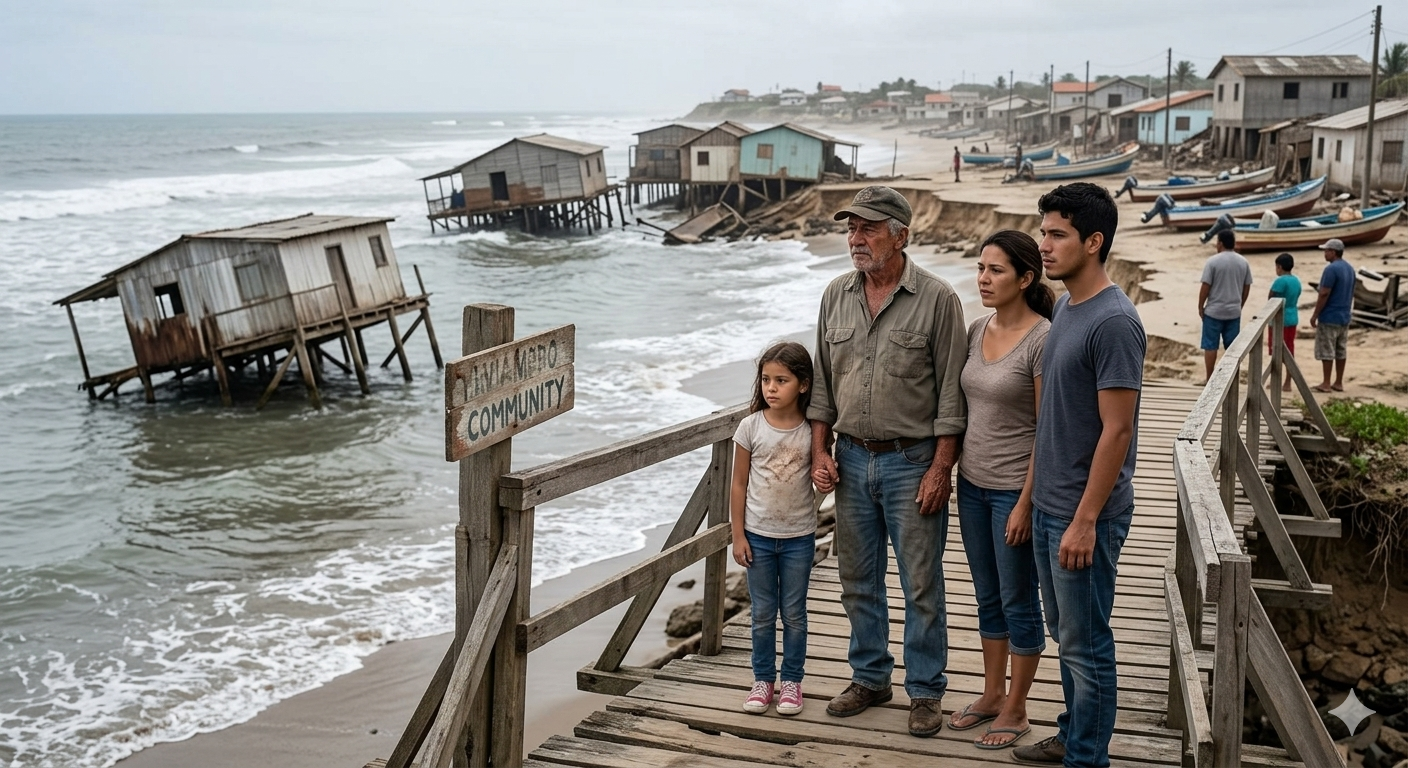
Affected coastal communities across the globe face complex vulnerabilities due to their proximity to dynamic shorelines. Rising sea levels and increasing storm intensity threaten the very existence of these regions, from the Gulf Coast of the United States to the islands of the Pacific Ocean like Tuvalu and Kiribati. These communities often grapple with the ongoing erosion of shorelines, which not only alters local ecosystems but also disrupts essential infrastructure and housing. Their location makes them highly susceptible to flooding and extreme weather events, demanding robust disaster preparedness and adaptive strategies. The impact of these environmental challenges extends deeply into socioeconomic aspects. Many coastal populations rely heavily on fisheries and tourism, sectors now destabilized by the changing climate. As fish stocks decline and tourist seasons shorten or become less predictable, economic instability grows. Additionally, inadequate disaster preparedness further exacerbates the risks, often leaving these communities struggling to recover after major events. The convergence of environmental hazards with economic pressures creates a critical need for sustained, coordinated responses. Key challenges faced by affected coastal communities include:
.png)
Climate change poses critical challenges to coastal communities worldwide. These areas face direct environmental consequences such as rising sea levels, shifting weather patterns, and more frequent extreme weather events. The combined pressure threatens ecosystems, infrastructure, and the livelihoods of residents who depend on stable coastal conditions. Statistically, the impact is undeniable. Pacific Island nations experience sea level rises of up to 4 millimeters annually, gradually inundating low-lying territories. Cities like Miami and New Orleans have witnessed severe flooding events intensified by stronger storms and higher tides. These changes increase the frequency and severity of disasters, straining local resources and emergency response systems. To navigate these challenges effectively, communities must leverage robust technological and social support structures. Apps like Journey foster local engagement by providing real-time updates and emergency notices, enabling individuals and leaders to communicate swiftly and organize collective action. This approach enriches preparedness and resilience, creating a trustworthy environment where affected coastal communities can share vital information, resources, and experiences continuously.
.png)
Affected coastal communities face critical economic vulnerabilities as they navigate the fallout from environmental changes. Natural disasters have caused billions in damages in regions like Miami and New Orleans, disrupting local economies and undermining residents’ livelihoods. These economic effects extend beyond immediate losses, impacting the long-term stability of communities dependent on coastal resources and tourism. Declining fisheries have led to job losses, reducing income for many families who rely on fishing as a primary source of livelihood. Tourism, another vital sector, suffers from the unpredictability of weather and damaged infrastructure, leading to decreased visitor numbers and revenue. These combined pressures create a challenging environment for economic recovery and growth, necessitating innovative and diversified approaches. Key economic threats include:
.png)
Community resilience is the backbone of survival and growth for coastal populations facing climate threats. It embodies the collective capacity of individuals to adapt, recover, and thrive despite environmental pressures. This resilience emerges from a rich tapestry of local knowledge, shared experiences, and proactive engagement, enabling communities to implement long-term strategies that safeguard their homes and livelihoods. Fostering such resilience requires continuous collaboration, resource sharing, and a deep understanding of both natural and social systems. Adaptation strategies illustrate this resilience through tangible actions. For example, Miami has invested in sturdy sea walls to combat flooding, while Southeast Asian communities focus on restoring mangrove forests that buffer storm surges and preserve biodiversity. Early warning systems have become crucial, providing timely alerts that reduce disaster impacts. These efforts are not isolated but reflect a broader movement toward sustainable development and disaster risk reduction, where community-driven solutions play a central role. Effective adaptation strategies include:
.png)
Environmental disasters cause profound social upheaval in coastal communities. Frequent flooding, cyclones, and rising sea levels force many residents to relocate, disrupting long-established social networks and traditions. This displacement challenges the essence of community cohesion, as individuals and families must adapt to unfamiliar environments while coping with loss. Health risks compound these social challenges. In regions like Bangladesh and the Gulf Coast, increased exposure to waterborne diseases, malnutrition, and mental health strains are common. Displacement contributes to overcrowded living conditions and limited access to healthcare services, weakening overall community wellbeing. These hardships highlight the critical need for targeted public awareness and educational outreach programs that address both immediate and long-term health concerns. Strong community support networks become the backbone of resilience in these situations. Platforms like Journey provide a safe, trustworthy environment where affected individuals can connect with like-minded peers. Through Journey’s tools, they access relevant resources, share experiences, and participate in discussions that foster mutual understanding and growth. This vibrant interaction enriches social bonds and empowers communities to navigate health and social challenges with a collective, informed approach.
.png)
Recent policy efforts emphasize the critical role of government interventions in strengthening the resilience of coastal communities. National adaptation strategies and disaster preparedness plans have become central to addressing vulnerabilities exposed by rising sea levels and extreme weather events. Governments worldwide are implementing frameworks that prioritize long-term safety, focusing on infrastructure resilience and coordinated emergency response. These efforts are essential to safeguard communities that face continual environmental threats. Key government interventions have shown promising results. For example, improved emergency response plans in hurricane-prone areas of the United States have enhanced coordination among local agencies and first responders. International aid programs targeting Southeast Asia have facilitated disaster risk reduction projects, such as rebuilding coastal defenses and supporting community-led preparedness training. These initiatives serve as a backbone for sustainable development, blending robust policy with community engagement. Key policy measures include:

Technological advancements have become the backbone for monitoring and managing the risks faced by affected coastal communities. Cutting-edge sensor networks track sea level rise and storm surges with granular precision, offering real-time data that guides emergency response and infrastructure safety measures. These innovations create a well-maintained system that blends scientific insight with community needs, ensuring that vulnerable areas receive timely alerts and support to minimize damage and loss. Renewable energy solutions and digital early warning systems highlight how technology fosters sustainable adaptation. Solar and wind installations reduce reliance on fragile power grids, strengthening energy resilience amid disasters. Meanwhile, advanced weather monitoring networks provide accurate forecasts, enabling communities to prepare well in advance for extreme events. These technology-driven initiatives not only safeguard resources but also empower local populations by enhancing their ability to respond effectively to environmental challenges. Innovative technologies shaping coastal resilience include:
Amid rising sea levels and extreme weather, affected coastal communities face unprecedented challenges. The environmental, economic, and social impacts demand coordinated action. From declining fisheries to infrastructure damage, these issues require innovative responses.
Communities are building resilience through adaptation strategies like protective barriers and early warning systems. Government interventions and policy changes play a crucial role in strengthening disaster response frameworks.
Technological innovations, combined with community-driven solutions, promise a brighter future. With resourceful tools and engaged communities, affected coastal communities can meet these challenges head-on, paving the way for sustainable development and resilience.
Coastal communities are challenged by rising sea levels, increased storm intensity, coastal erosion, economic instability (like fisheries and tourism), and inadequate disaster preparedness. These issues demand coordinated responses for resilience.
Rising sea levels and changing weather patterns intensify flooding and erosion in coastal regions. Notable impacts include flooding in Miami and sea level rise in Pacific Islands, affecting local populations and economies.
Coastal economies suffer from infrastructure damage, job losses in fisheries, reduced tourism, increased adaptation costs, and disrupted trade. Diversification and financial aid are essential to mitigate these impacts.
Communities enhance resilience by building protective barriers, restoring natural buffers like mangroves, implementing early warning systems, and offering community-led preparedness training for proactive disaster response.
Environmental hazards lead to displacement, health risks, and social upheaval. Regions like Bangladesh face frequent floods and cyclones, disrupting social structures and affecting community health and well-being.
Governments implement policies such as strengthening disaster response frameworks, enhancing infrastructure resilience, increasing adaptation funding, and promoting international climate agreements to support vulnerable coastal areas.
Technological solutions like sensor networks, real-time weather monitoring, renewable energy, and digital communication platforms enhance disaster preparedness and resource management, aiding coastal communities in adapting to climate changes.
The Journey app facilitates community engagement by sharing critical information, promoting local network strengthening, and enabling proactive partnerships, enhancing disaster preparedness for coastal residents.