scan QR code


Transforming neglected urban spaces into vibrant green havens, guerrilla gardening is more than just planting seeds without permission—it's a grassroots movement fostering profound community connections. Rooted in ancient agricultural traditions and inspired by medieval practices, this movement reclaims unused land through the power of gardening, art, and protest. By enhancing biodiversity and improving air quality, guerrilla gardening not only beautifies urban landscapes but also strengthens the bonds among those who cultivate these shared spaces. With initiatives sprouting worldwide, guerrilla gardening has become an inspiring symbol of how individuals can unite to breathe life into forgotten corners of their city. For those looking to connect with others passionate about transforming urban environments, Journey offers an invaluable platform for sharing resources and ideas, bridging individuals to create meaningful change together. Discover how this dynamic movement continues to redefine urban living and foster a sense of community and responsibility among guerrilla gardeners.
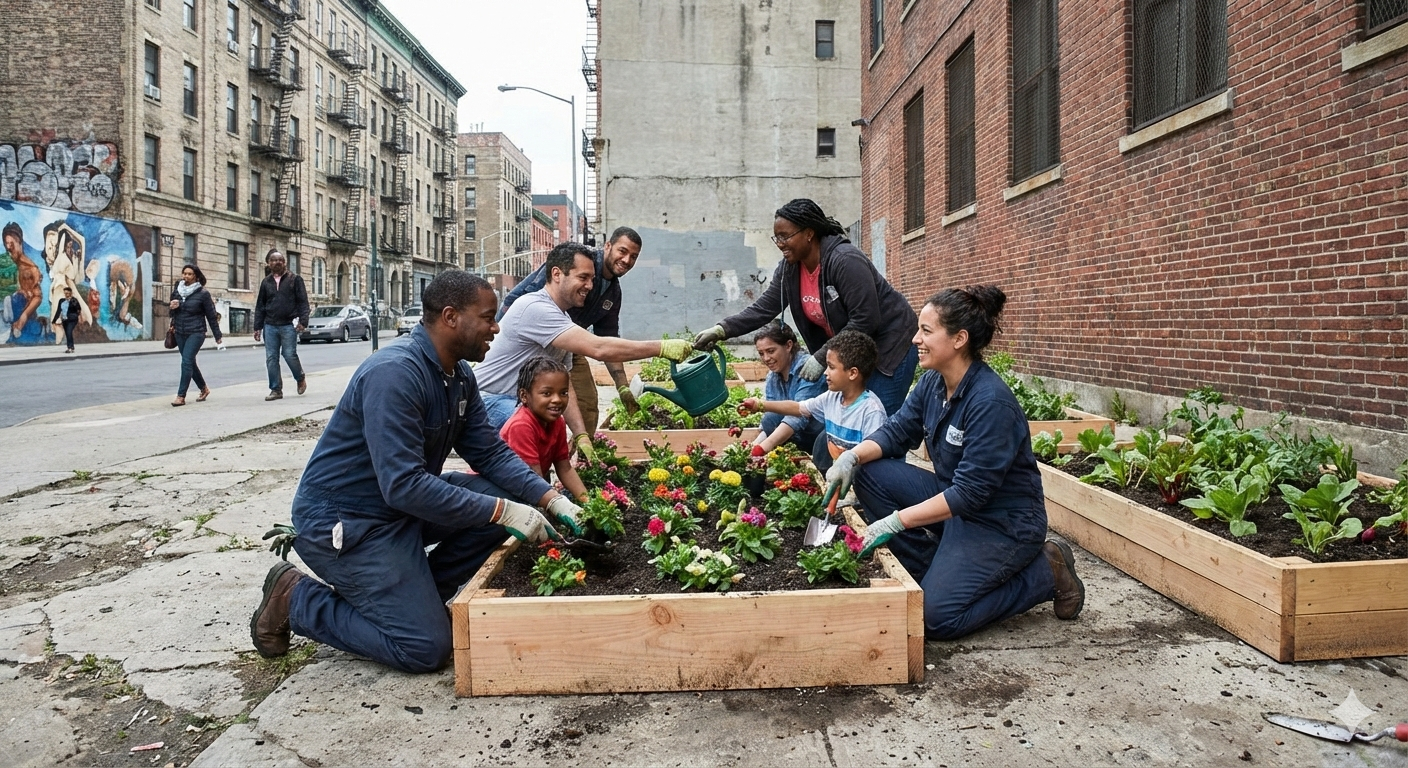
Guerrilla gardening is more than planting; it is a fulfilling endeavor that breathes new life into neglected urban spaces, turning them into vibrant hubs of growth and belonging. This grassroots movement empowers like-minded individuals to reclaim unused land, fostering a stronger connection to their neighborhoods and to each other. By transforming grey, overlooked corners into well-maintained green spaces, guerrilla gardening cultivates a sense of community and shared purpose that enriches everyone involved. This movement’s essence lies in its ability to bring diverse people together, uniting them through shared interests and the mutual goal of environmental renewal. The collective effort to beautify and revive urban areas encourages continuous interaction and collaboration. Participants exchange ideas, resources, and experiences, building bonds that extend beyond the garden beds. This connection nurtures long-term stewardship of the environment and strengthens neighborhood ties, creating safe and trustworthy environments where growth flourishes in many forms. The Journey app supports this transformative movement by serving as a robust platform for community creation and engagement. It enables guerrilla gardeners to organize local groups, share updates, and coordinate projects seamlessly. Journey’s flexible privacy settings and customizable member roles ensure focused and meaningful participation. With features like group chats, event planning, and resource sharing, the app fosters vibrant, authentic social interactions that align organically with the goals of guerrilla gardening communities. By leveraging Journey, individuals can discover nearby gardeners, participate in discussions, and showcase their contributions, making it the central hub that supports and enhances the collective impact of guerrilla gardening.
.png)
Guerrilla gardening thrives on practical, eco-friendly techniques that turn neglected urban spaces into vibrant green havens. One of the most effective methods is seed bombing, which involves creating small balls of soil, clay, and seeds that can be easily tossed into hard-to-reach or abandoned plots. This technique requires minimal effort but yields maximum impact by quickly introducing native plants and wildflowers that support local biodiversity. Selecting native plants is crucial, as they demand less maintenance, thrive naturally in the environment, and provide essential habitats for pollinators and wildlife. Recycling and repurposing urban waste also play a central role in guerrilla gardening. Using discarded containers, old phone booths, or newspaper boxes as planters not only reduces waste but also adds creative flair to the garden. Eco-friendly hand tools designed for low-impact digging and planting help gardeners work efficiently while preserving soil health and minimizing disturbance to the existing ecosystem. These tools foster a sustainable approach that aligns with the core values of guerrilla gardening: environmental stewardship and community empowerment. For those eager to start guerrilla gardening, here are five actionable steps to create seed bombs and choose effective plant choices:
-2.png)
Community involvement serves as the backbone of guerrilla gardening, transforming solitary efforts into vibrant local movements. By engaging neighbors and like-minded individuals, these initiatives spark environmental activism that extends well beyond planting seeds. Local gardening initiatives foster a sense of mutual responsibility, encouraging communities to care for shared spaces and create safe, trustworthy environments that thrive with life. The collective energy generated by guerrilla gardeners fuels continuous growth, enriching neighborhoods and deepening social bonds. As community garden efforts expand, they become hubs of rich interaction and resource sharing. Diverse groups organize themselves into guerrilla gardening clubs, providing platforms where members exchange ideas, experiences, and practical strategies. These clubs serve as catalysts for neighborhood transformation, blending environmental stewardship with authentic social engagement. This mutual participation cultivates long-term connections, inspiring ongoing commitment and broader impact. The Journey app supports this community activism by offering a robust, customizable platform that enhances genuine social interactions. Journey enables guerrilla gardeners to create and manage local groups with flexible privacy settings and member roles, ensuring focused and relevant communication. Through seamless event coordination, group chats, and resource sharing, the app empowers communities to organize efforts efficiently. Journey’s AI Sidekick further enriches engagement by recommending connections, facilitating introductions, and curating content that aligns organically with gardeners’ shared goals. Key community benefits include:

Guerrilla gardening often involves planting in public or private spaces without official permission, which can lead to legal challenges. Practitioners may face accusations of trespassing or violating local public planting laws. These restrictions vary by location, making it crucial for gardeners to understand the specific regulations that apply to their city or state. Awareness of these legal boundaries helps safeguard both the gardeners and the spaces they seek to improve. Navigating public planting laws requires a strategic approach. Securing approval from local authorities can transform guerrilla gardening from an illicit act into a lawful community service. By engaging with city councils, parks departments, or neighborhood associations, gardeners can gain the necessary permits or endorsements. This collaboration not only legitimizes their efforts but also fosters goodwill and support from the broader community. Understanding and respecting legal frameworks enhances the long-term viability of guerrilla gardening projects. To guide safer practice, consider these key legal considerations:
.png)
Guerrilla gardening has sparked vibrant urban renewal across diverse cities, turning neglected spaces into thriving green sanctuaries. In New York City, community members reclaimed abandoned lots, transforming them into lush community gardens that boost local morale and biodiversity. Berlin’s guerrilla gardeners have revitalized concrete-heavy neighborhoods with native plants, enhancing air quality and creating safe havens for pollinators. Meanwhile, Los Angeles gardeners have creatively repurposed forgotten urban corners, blending art and nature to foster community pride and environmental awareness. Toronto’s guerrilla gardening initiatives have strengthened neighborhood bonds by involving diverse groups in sustainable urban greening projects. The UK has seen grassroots efforts where public parks and roadside verges are enriched with wildflowers and native shrubs, turning grey spaces into vibrant ecosystems. These case studies illustrate guerrilla gardening’s capacity to inspire cultural and environmental renewal, demonstrating how collective action can reclaim urban areas for shared benefit and connection. Central to this movement’s growth is the Journey app, which provides a robust platform for sharing these success stories and coordinating community-driven projects. Journey enables guerrilla gardeners to organize local groups, share updates, and exchange resources seamlessly. Its customizable community features and AI-powered tools foster authentic, focused engagement, empowering gardeners to connect, collaborate, and expand their impact. Through Journey, individuals discover like-minded members, showcase their contributions, and participate in meaningful urban transformation efforts. Key urban guerrilla gardening projects include:

Sustainable gardening practices are crucial for transforming urban spaces into thriving ecosystems while supporting long-term conservation efforts. Guerrilla gardeners focus on using native species that naturally adapt to local conditions, reducing the need for excessive watering and chemical inputs. Optimizing water use through rainwater harvesting or drip irrigation further conserves this vital resource, making urban gardening both effective and responsible. Eco-friendly methods like composting and mulching enrich the soil and retain moisture, creating a well-maintained environment that fosters diverse plant and animal life. Implementing these practices not only beautifies neglected urban areas but also contributes to healthier ecosystems and resilient communities. By blending sustainable techniques with guerrilla gardening’s grassroots spirit, individuals can witness meaningful urban space transformation that aligns organically with environmental stewardship. This approach encourages ongoing growth, enabling diverse urban habitats to flourish while safeguarding resources for future generations.

A wide range of digital gardening resources empowers both novice and seasoned guerrilla gardeners to explore innovative techniques and deepen their understanding. Instructional PDFs and manuals offer step-by-step guides that make sustainable urban gardening accessible and actionable. Popular gardening books available on platforms like Amazon provide rich insights into plant selection, soil health, and eco-friendly methods. Online discussions and forums create vibrant spaces for exchanging ideas, troubleshooting challenges, and celebrating successes with like-minded individuals. These digital resources serve as a critical backbone for growing guerrilla gardening communities. They enable gardeners to continuously learn and implement effective strategies, fostering richer interaction and mutual support. Access to diverse materials helps gardeners align their efforts with best practices, enhancing the long-term impact of their projects. Whether seeking inspiration or practical advice, guerrilla gardeners benefit from a well-maintained repository of knowledge that supports their endeavors. Key digital resources include:
Journey plays a central role in cultivating genuine connections among guerrilla gardeners by offering a robust platform tailored for community collaboration. Its customizable community creation tools enable organizers to build focused groups that cater to specific gardening interests and local projects. Journey’s flexible privacy settings and member roles safeguard trust and create safe spaces for meaningful exchange. The app’s integrated content management and group chat features allow members to share updates, resources, and experiences seamlessly. With Journey’s AI Sidekick, community owners receive intelligent support for moderation, personalized recommendations, and engagement insights—helping to maintain vibrant, relevant discussions. Members can showcase their contributions through customizable profiles, discover others with shared passions, and coordinate activities like seed planting or cleanups in real time. By blending practical digital tools with a commitment to authentic social interaction, Journey enriches the guerrilla gardening movement and empowers communities to grow organically and sustainably.
Guerrilla gardening offers a unique approach to urban renewal that fuses history, community activism, and sustainable practices. This grassroots movement revitalizes neglected spaces, enhances local biodiversity, and strengthens community bonds. Adopting techniques like seed bombing and using native plants promotes effective urban transformations.
Legal considerations remain essential to ensure safe and impactful practices while digital resources and communities, like Journey, facilitate knowledge sharing and collaboration. Embrace guerrilla gardening for a greener future. Through collective efforts and creative ingenuity, cities can flourish with vibrant, eco-friendly spaces.
Guerrilla gardening involves planting without permission, which can be illegal. However, obtaining local approval can legalize these efforts.
Guerrilla gardening can be illegal due to unauthorized use of land, often resulting in trespassing or breaking public planting laws.
Guerrilla gardening is transforming neglected spaces by planting without permission, merging gardening, art, and protest.
The 70 30 rule involves planting 70% native plants and 30% adapted species, supporting local ecosystems effectively.
The 3-hour gardening rule suggests breaking garden tasks into manageable three-hour segments for better productivity and enjoyment.
Ideas include using seed balls on vacant lots, planting in neglected public spaces, and creating urban wildflower meadows.
Essential tools include eco-friendly hand tools, homemade seed bombs, and low-maintenance native plants.
Seed balls are made by mixing seeds with clay and compost, which are then scattered over neglected areas to grow plants with minimal effort.
Resources include books, PDFs, online forums, and apps like Journey that connect gardeners and share knowledge.
Digital communities offer platforms for shared knowledge, encouraging collaboration and innovation in guerrilla gardening initiatives.