scan QR code


Imagine a place where vibrant Mediterranean beaches, crystal-clear waters, and sunny skies greet you with open arms, yet without the overwhelming crowds. Welcome to Albania, a hidden gem in the Balkans, often likened to Greece but offering a more serene and affordable escape. With pristine stretches along the Albanian Riviera, this destination provides the beauty of Greece with a distinct cultural flair nestled in local hospitality and a unique coffee culture. Not only does Albania entice with its stunning coastlines, but it also presents a rich historical tapestry influenced by ancient Greek and Ottoman legacies. Dive into a world of cultural festivals, taste the delight of local gastronomy, and explore traditional villages that breathe life into Albania’s rich cultural heritage. Whether you're an adventurer seeking scenic coastal drives or a traveler with an eye for luxury on a budget, Albania promises an experience that redefines leisure and tourism. Read on to discover how Albania is carving out its own identity as the new Greece, offering everything you crave in a travel destination—but with an authentic edge.
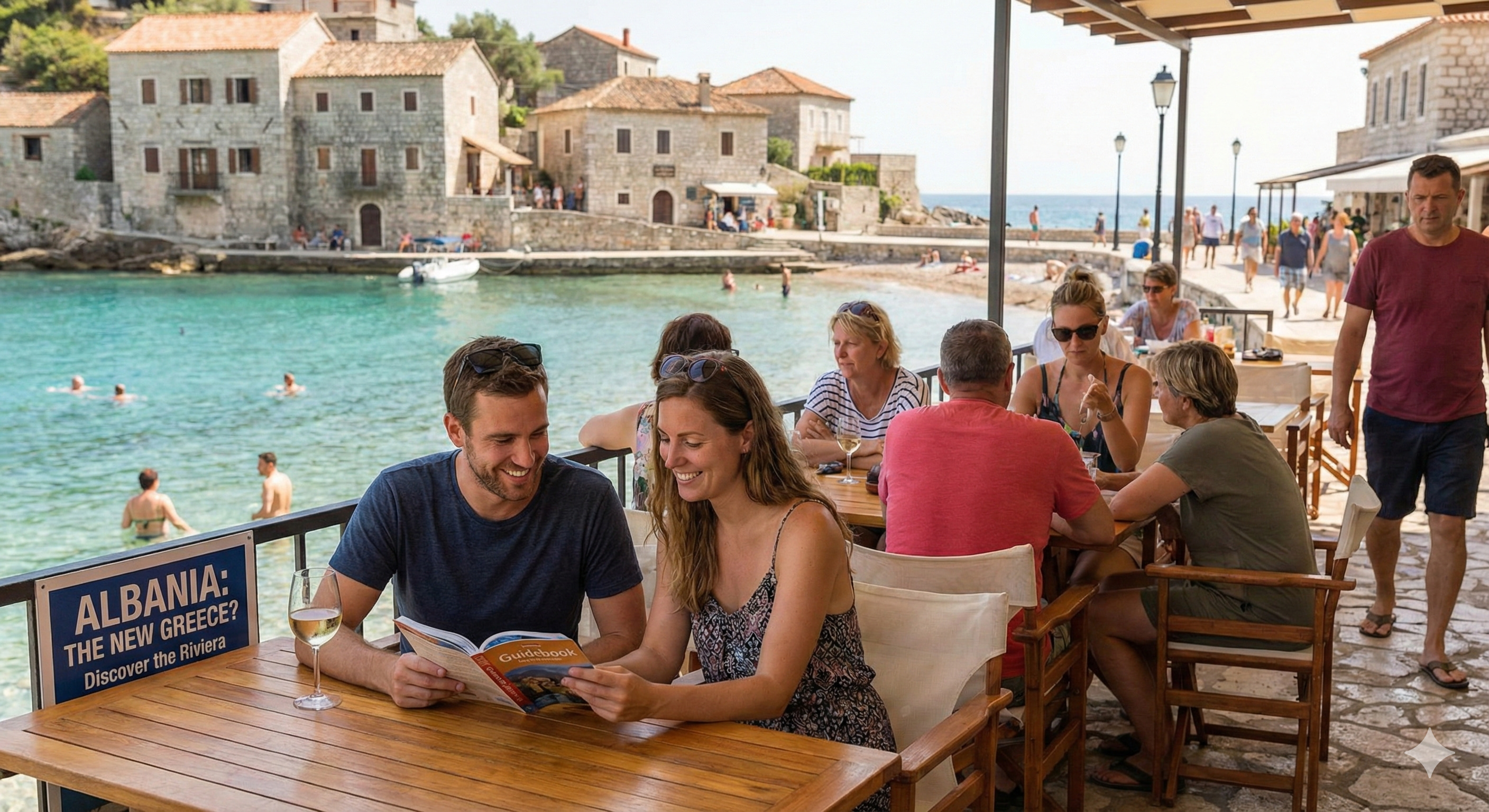
Albania offers a Mediterranean travel experience that closely mirrors Greece’s charm but stands out with its serene, less crowded beaches and remarkably affordable luxury. The Albanian Riviera, with its crystal-clear waters and unspoiled coastline, invites travelers seeking tranquility away from the bustling tourist hubs. This affordability extends beyond beaches, making luxury accommodations and dining accessible without compromising quality or ambiance. Beyond natural beauty, Albania’s vibrant nightlife pulses with a distinctive energy. From coastal bars to lively town squares, visitors can immerse themselves in a social scene that blends local tradition with contemporary flair. The local coffee culture, infused with Turkish and Bosnian influences, provides a unique cultural touchpoint that sets Albania apart from its Greek neighbor. The warmth and hospitality of Albanian locals further enrich the experience, fostering genuine connections that travelers cherish. Key attractions in Albania include:
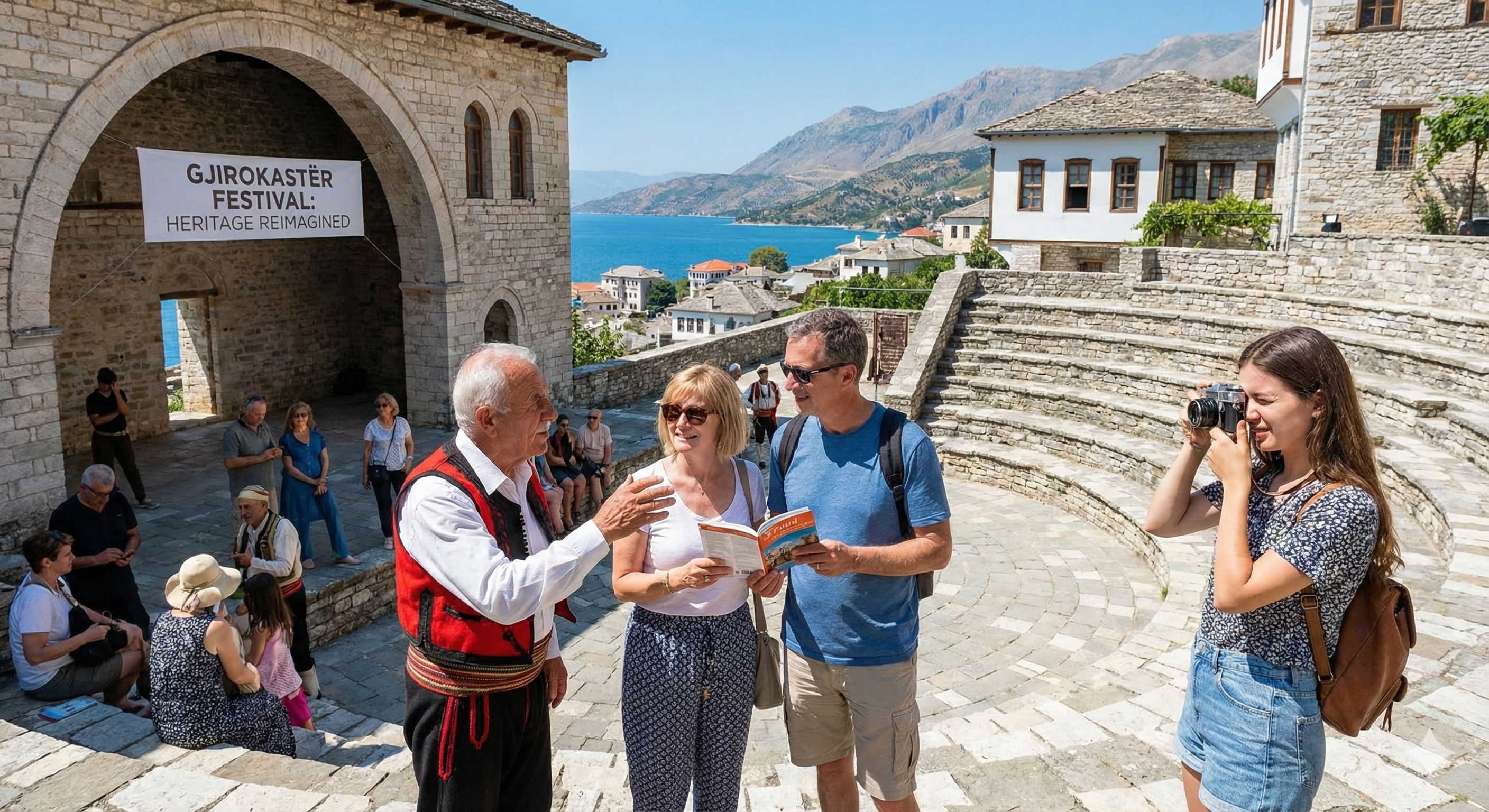
Albania’s rich history is a tapestry woven from ancient civilizations, Ottoman influences, and traces of Greek culture. This blend is evident in the country’s art, architecture, and language, creating a cultural heritage that is both unique and resonant with the Mediterranean region. Visitors exploring Albania’s historical sites will witness this layered legacy, where each era has left an indelible mark on its identity. UNESCO-listed locations such as Berat, Gjirokastër, and Butrint stand as central hubs of Albania’s cultural narrative. Berat and Gjirokastër impress with well-preserved Ottoman architecture, showcasing stone houses and cobblestone streets that transport visitors back in time. Butrint offers a glimpse into ancient history, with archaeological remnants dating back thousands of years, highlighting Albania’s long-term significance as a crossroads of civilizations. Cultural festivals and traditional villages further enrich this heritage. Seasonal celebrations and local markets foster vibrant exchanges, where ancient customs meet modern expression. These gatherings not only preserve Albanian traditions but also invite cultural enthusiasts to participate in the ongoing story of a nation embracing its past while evolving organically. Key cultural attractions include:
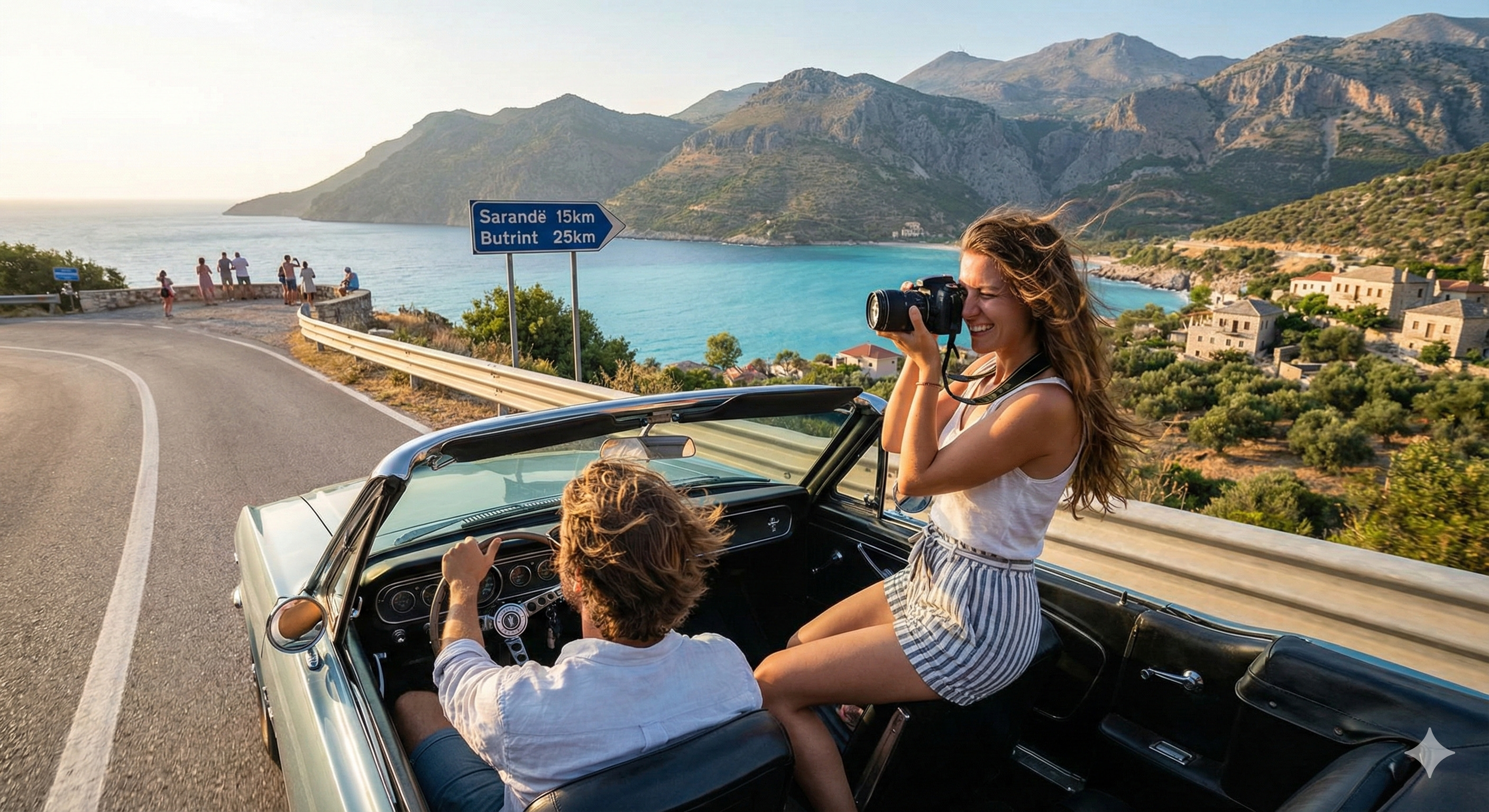
Albania’s natural landscapes rival those of Greece, offering pristine, clear-water beaches along the Riviera that remain refreshingly uncrowded. The country’s coastline stretches with serene seaside resorts perfect for travelers seeking sun-soaked relaxation away from the typical tourist influx. The Mediterranean climate enhances the allure, providing ideal conditions for beach days and scenic exploration alike. Beyond the coast, Albania’s terrain invites adventure tourism with numerous hiking trails, panoramic drives, and road trips that showcase stunning vistas. The coastal roads wind through mountains and seaside cliffs, delivering breathtaking views at every turn. This blend of rugged and tranquil landscapes creates a diverse playground for outdoor enthusiasts eager to discover hidden gems off the beaten path. Adventure travelers will find Albania a hub for varied activities, from mountain treks to water sports, all set within a landscape that feels untouched and authentic. The Journey app seamlessly enhances these experiences by connecting like-minded adventurers with local guides and curated travel itineraries. It fosters meaningful interaction, enabling users to discover new routes, share insights, and grow within a vibrant community focused on exploration. Must-visit natural attractions in Albania include:

Albania presents an enticing alternative to Greece by offering luxury travel experiences at a fraction of the cost. Visitors can enjoy boutique hotels, seaside dining, and upscale amenities without the premium prices found in renowned Greek destinations like Mykonos or Santorini. This affordability makes Albania a growing hotspot for travelers seeking Mediterranean charm with a more accessible budget. The country’s ongoing economic development fuels this transformation. Investment opportunities are expanding rapidly, particularly in tourism and hospitality sectors. Modern Albania is evolving with improved infrastructure and services that meet international standards. Entrepreneurs and investors are drawn to this vibrant market, recognizing its potential for long-term growth and profitability. As the hospitality industry flourishes, travelers benefit from a diverse range of options that blend traditional Albanian warmth with contemporary comfort. From family-run guesthouses to stylish coastal resorts, the sector supports a sustainable travel ecosystem that enhances visitor satisfaction. Key economic and travel benefits include:

Albania’s landscape is dotted with ancient ruins and historical sites that reveal a rich narrative stretching back tens of thousands of years. The archaeological site of Butrint stands out as a central hub, offering visitors a window into ancient communities dating back to 50,000 B.C. This UNESCO World Heritage site is a testament to Albania’s long-standing significance in Mediterranean history, blending Greek, Roman, and Byzantine influences. Beyond Butrint, the towns of Berat and Gjirokastër provide immersive experiences in Ottoman-era architecture and culture. These UNESCO-recognized locations showcase stone fortresses, cobblestone streets, and well-preserved buildings that echo centuries of cultural exchange between Albanian, Greek, and Ottoman civilizations. Exploring these towns offers a profound understanding of Albania’s layered historical identity, enriched through diverse traditions and architectural styles. History enthusiasts can deepen their engagement through guided tours and local expert interactions, which the Journey app facilitates seamlessly. Journey connects like-minded individuals passionate about cultural heritage, offering curated resources, event updates, and discussion groups focused on Albania’s ancient history. This vibrant platform fosters meaningful connections and enriches travel experiences by providing access to trusted guides and insider knowledge. Top historical attractions include:
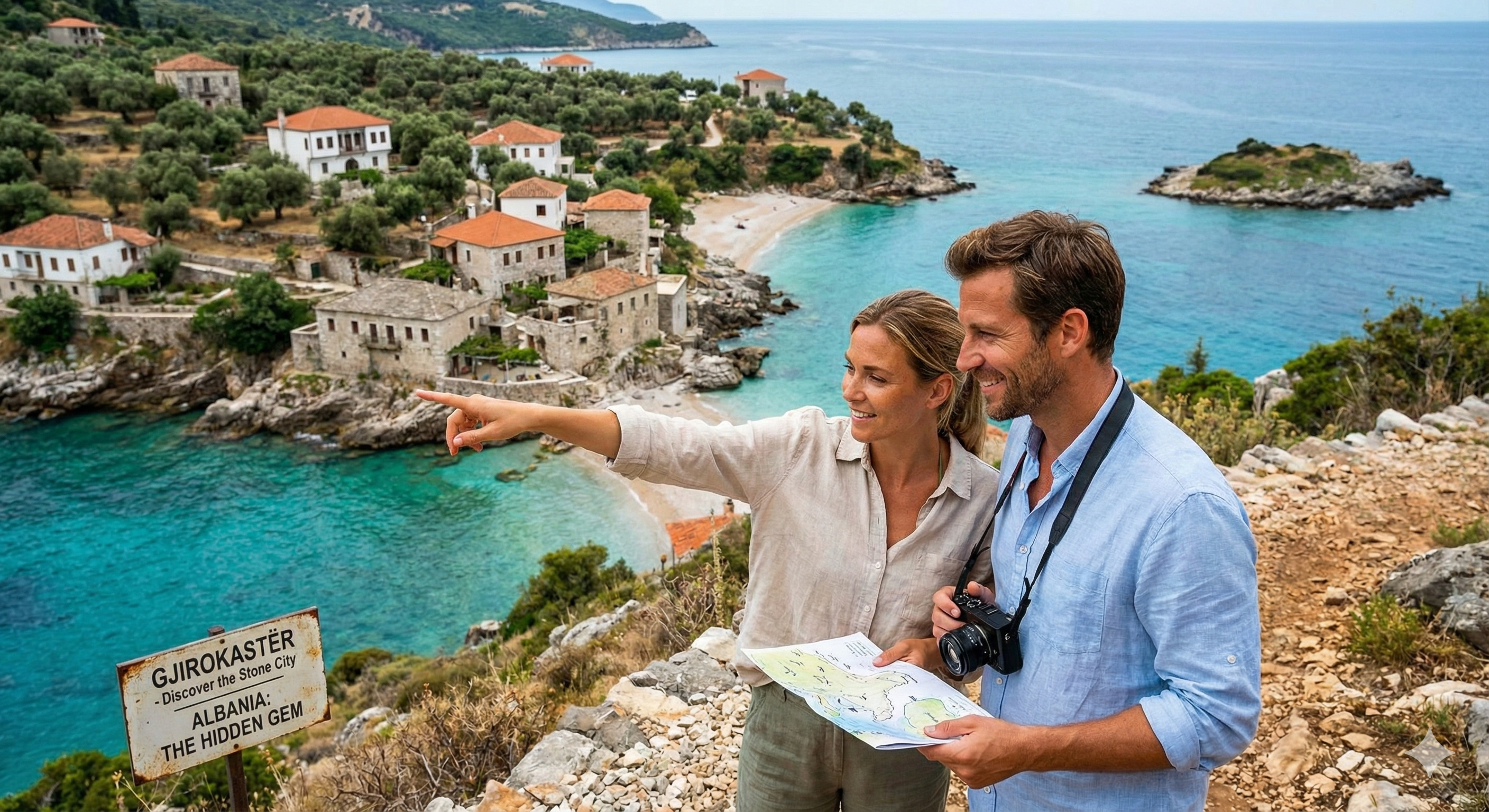
Albania’s cultural festivals shine as vibrant celebrations of the country’s rich heritage, blending traditional dances, music, and culinary delights into immersive experiences. These events serve as crucial touchpoints where locals and visitors alike witness the essence of Albanian identity. The lively atmosphere at festivals showcases not only time-honored customs but also the dynamic spirit of communities eager to share their stories and traditions. Traditional villages provide an authentic window into rural Albanian life, where artisanal crafts and local cuisines remain deeply rooted in centuries-old practices. Exploring these villages reveals a rich tapestry of daily rhythms and creative expressions, offering diverse insights into the country’s cultural landscape. Visitors gain a deeper understanding of how local traditions are preserved and celebrated in everyday life, far from urban centers. Cultural festivals also act as platforms for cross-cultural exchange, highlighting connections between Albanian and Greek traditions. This ongoing dialogue fosters mutual appreciation and enriches the broader Mediterranean cultural fabric. Such events invite participation from like-minded individuals passionate about heritage, creating a sense of belonging and shared purpose. Must-attend cultural festivals in Albania include:

Albania’s unique blend of modern vibrancy and rich tradition creates a travel experience that mirrors Greece’s charm but with its own distinctive allure. Travelers discover a relaxed pace of life, affordable options, and authentic local interactions that foster a genuine sense of belonging. The growing influx of Eastern European and international visitors highlights Albania’s evolving tourism infrastructure, balancing well-maintained sites with intimate cultural moments. This dynamic environment invites exploration beyond typical tourist paths, encouraging meaningful engagement with local markets, outdoor adventures, and cultural lifestyles. Navigating Albania’s diverse offerings requires practical insights to capture its essence fully. Road trips along the Albanian Riviera reveal stunning landscapes and secluded beaches, while local markets pulse with fresh flavors and artisanal crafts. Outdoor activities, from hiking national parks to kayaking pristine waters, offer immersive ways to connect with nature and community. Embracing these experiences means tuning into local rhythms and valuing the warmth of Albanian hospitality, which remains a central feature of every interaction. The Journey app acts as a critical companion for travelers seeking to deepen their Albania journey. It fosters a vibrant, trustworthy environment where like-minded individuals can connect, share resources, and participate in relevant discussions. Journey’s seamless tools enable users to discover insider tips, access cultural updates, and organize meetups that enrich their travel. This platform encourages mindful social engagement focused on authentic connections and personal growth, transforming travel from a visit into a fulfilling endeavor. Tips for using the Journey app to enhance your Albania travel experience:
Crafting a unique blend of cultural richness and breathtaking landscapes, Albania stands as an emerging alternative to Greece. Offering everything from serene beaches of the Albanian Riviera to vibrant cultural festivals, it redefines tourism in the Balkans. With its affordable luxury and growing tourism infrastructure, Albania as the New Greece encapsulates both historical allure and modern adventure.
Delving into less-explored treasures, Albania reveals itself as an affordable, dynamic travel destination, inviting exploration and discovery. Embrace the untouched beauty and cultural depth Albania offers, creating meaningful connections and unforgettable experiences along the way.
A: Albania uses the Albanian lek (ALL) as its official currency. It's advisable for travelers to exchange money in urban centers or use local ATMs for convenience.
A: Religion in Albania is diverse, with Islam being the most widely practiced faith, followed by Christianity. The nation is known for religious tolerance and secular governance.
A: While Islam is the majority religion, Albania is not an Islamic state. It is a secular country with a constitution that ensures freedom of religion for all citizens.
A: Albania is situated in Southeast Europe on the Balkan Peninsula. It is bordered by Montenegro, Kosovo, North Macedonia, and Greece, with the Adriatic and Ionian Seas to the west.
A: Yes, Albania is located in Europe, specifically in the Balkan Peninsula. It is recognized as a European country, striving to join the European Union in the future.
A: As of recent estimates, Albania has a population of approximately 2.8 million people. The population is mainly concentrated in urban areas like the capital, Tirana.
A: Traveling to Albania is generally considered safe for tourists. Visitors should take standard precautions and be mindful of local customs and laws.
A: Albania offers stunning natural landscapes, similar to Greece, with pristine beaches, rugged mountains, and charming villages. Its beauty is distinct and increasingly recognized by international travelers.
A: While Albanians and Greeks share some historical and cultural connections, they are distinct ethnic groups. Ancient interactions have led to some cultural overlaps, but they maintain unique identities.
A: Albania maintains diplomatic relations with both Israel and Palestine. The country supports peaceful solutions and dialogue in the Middle Eastern conflict.
A: Albania was part of the Ottoman Empire until it declared independence in 1912. It has a complex history influenced by various powers, including Roman, Byzantine, and Ottoman.