scan QR code


Christmas holds a unique and multifaceted place within Jewish communities, weaving together historical threads and contemporary practices to create a cultural tapestry rich with expression. Over time, these communities have embraced a diverse array of ways to experience Christmas, balancing tradition with cultural participation. From Niels Truman's touching family celebrations that blend Danish and Jewish traditions to the enjoyment of festive lights and television programs, it’s evident that Jewish communities have found heartfelt ways to engage with the holiday spirit. The transformation in these celebrations, shifting from religious observance to a more cultural participation, highlights an adaptive journey that respects heritage while embracing joy. Beyond traditions, platforms like the Journey app serve as vital connectors, enabling community members to share personal stories, coordinate events, and foster meaningful interactions. Dive into this community-focused exploration of Christmas in Jewish communities and uncover the rich layers of tradition, culture, and connection.
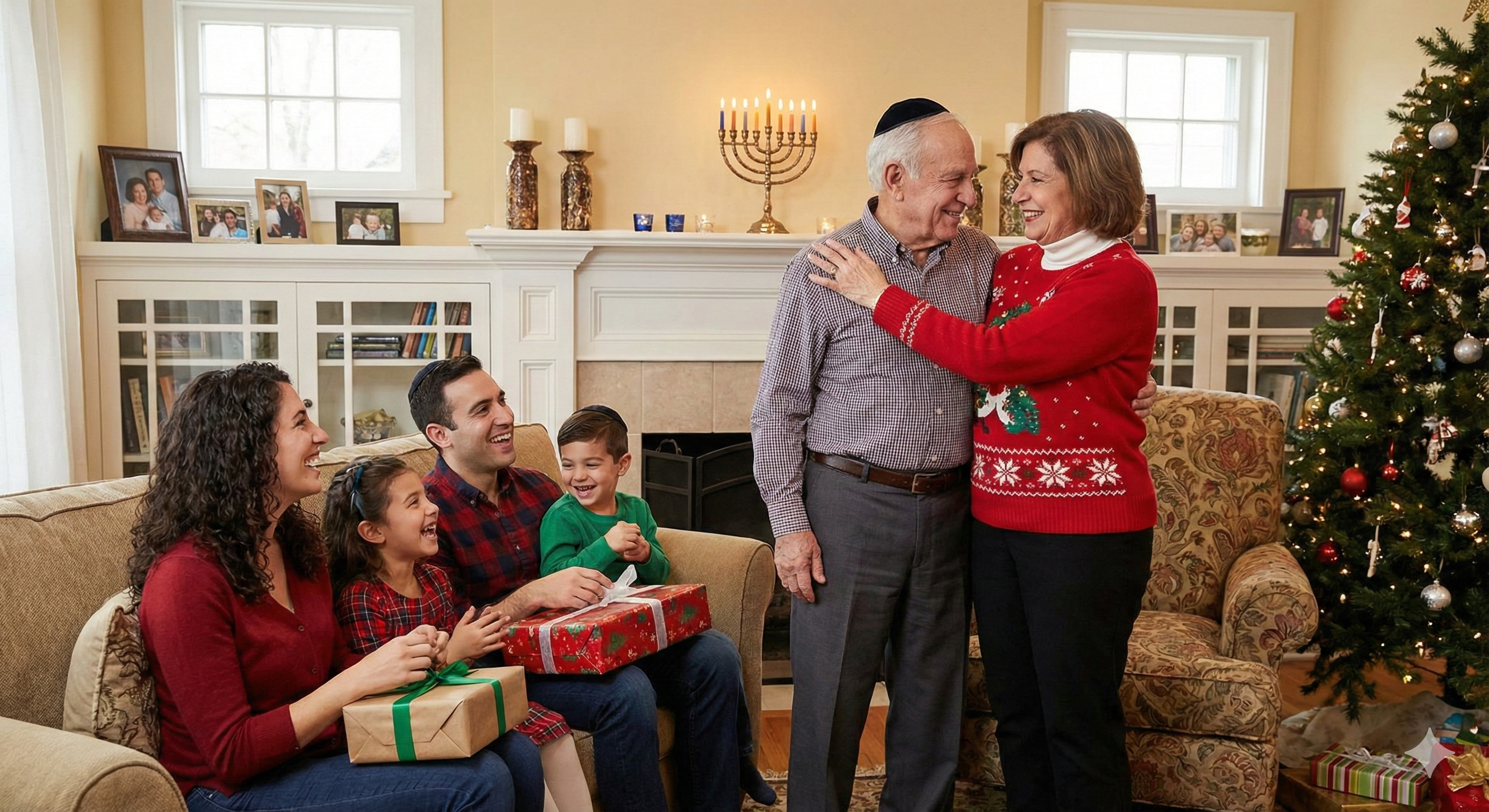
Jewish communities experience Christmas celebrations in diverse and nuanced ways that blend cultural appreciation with longstanding traditions. For example, Niels Truman, who embraces both his Jewish identity and Danish heritage, celebrates Christmas with his extended family in Palm Springs. This melding of Danish customs with Jewish winter traditions highlights how families creatively honor multiple cultural legacies during December celebrations. Historically, many Jewish communities shifted over decades from viewing Christmas strictly as a religious holiday to participating in its cultural aspects. Today, it is common for Jewish individuals to enjoy festive lights, special television programs, and the communal joy that the season inspires without compromising their own religious identity. This cultural participation fosters a sense of belonging and shared celebration during the winter months. Platforms like Journey serve as a vibrant hub for individuals eager to share their personal stories and coordinate holiday gatherings. Journey’s customizable community creation tools and robust engagement features enable members to organize meaningful events that honor both Jewish and broader winter traditions. Through seamless content sharing, event planning, and group discussions, Journey supports authentic social interactions that enrich the holiday experience while fostering a safe and trustworthy environment for diverse expressions of cultural celebration.
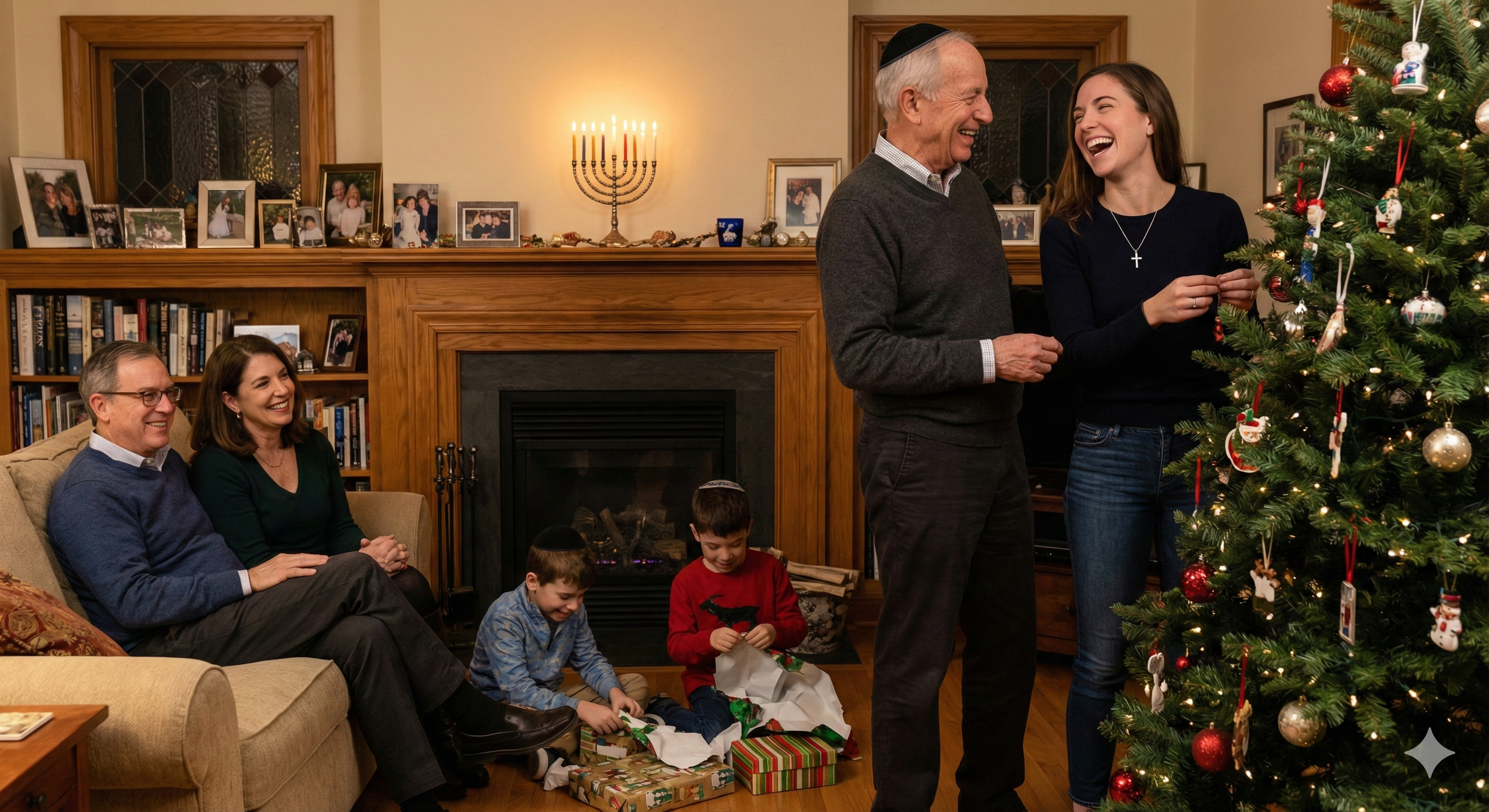
Interfaith families often navigate a rich blend of traditions during the holiday season, a phenomenon sometimes called ""Winterfaith."" This concept reflects how cultural practices from both Jewish and Christmas celebrations intermingle, creating a unique festive experience. Within these families, children frequently face the critical challenge of forming their religious identity amid differing holiday customs. The balancing act between honoring Jewish heritage and embracing Christmas festivities can be complex and deeply personal. A central figure in many of these families is the ""Jewish influencer""—the individual who guides the family through navigating and communicating traditions during the holiday season. This role can be especially critical for those who converted to Judaism or are newly integrating Jewish practices, as they strive to maintain authenticity while fostering inclusivity. Journey offers a vital platform for interfaith families to share their experiences, exchange advice, and coordinate group events. Its robust tools for community creation and seamless engagement enable users to connect with like-minded individuals facing similar cultural intersections. Journey’s safe and trustworthy environment encourages authentic interactions and ongoing discussions, helping families cultivate meaningful connections as they embrace the complexities of interfaith holiday celebrations.
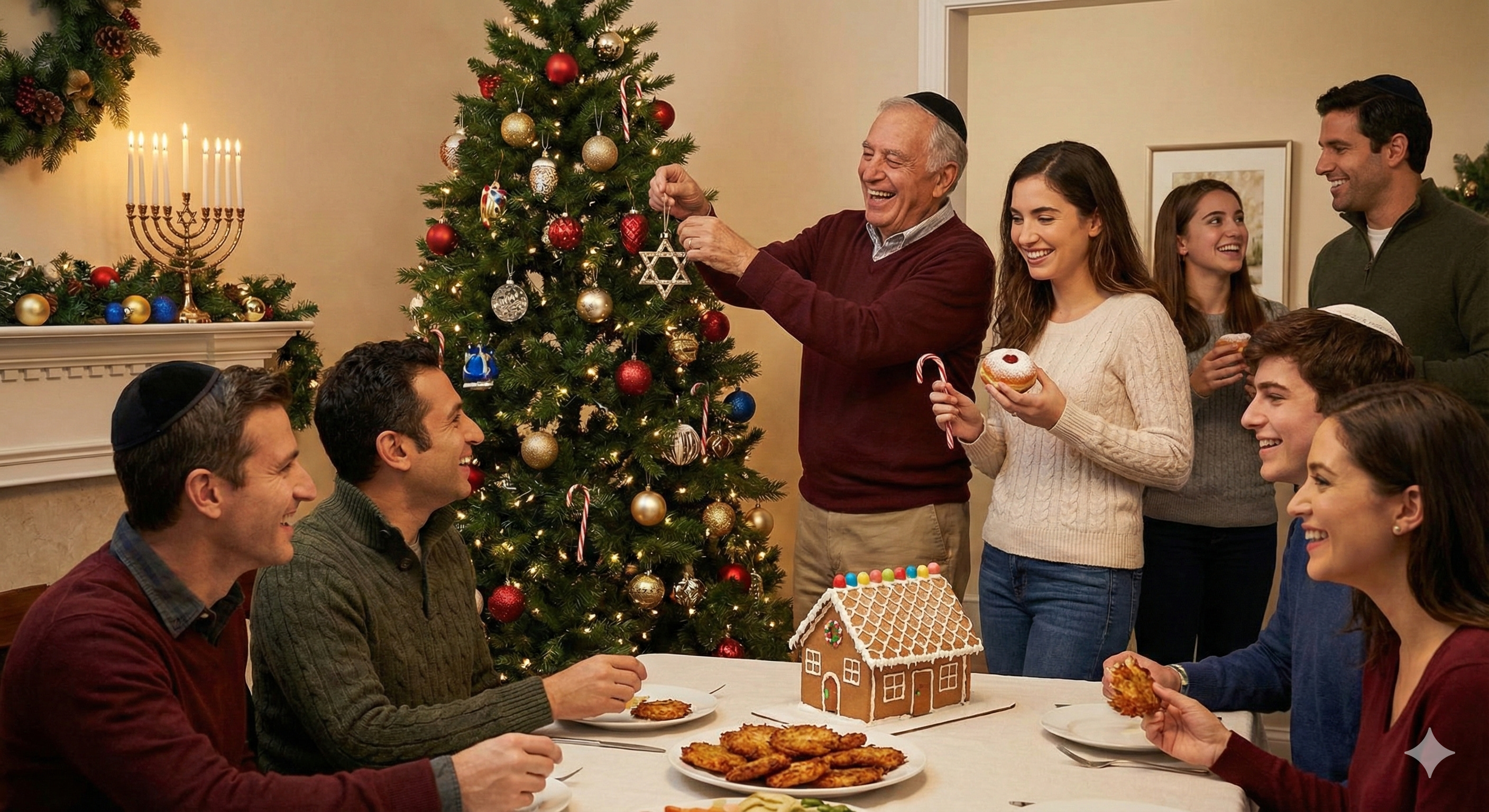
Jewish communities have long demonstrated a rich capacity for cultural holiday blending, embracing the multicultural holiday spirit while retaining their distinct heritage. This innovative fusion often manifests in families and individuals who integrate Christmas customs—such as festive decorations and community gatherings—alongside traditional Jewish practices. Such blending highlights a celebration of diversity that honors mutual respect and shared joy during the winter season. Sociological studies underscore this flexibility in holiday observance, revealing how personal choices shape an evolving landscape of cultural exchange. Many Jewish families now incorporate elements like seasonal décor or participate in local Christmas festivities, all while upholding their religious identity. This approach fosters a deeper sense of belonging and enriches communal life. Journey serves as a vibrant hub for this cultural exchange by enabling users to discover, join, and organize local festive events that reflect these blended traditions. Its robust community creation tools and seamless engagement features support meaningful interactions among like-minded individuals. Journey’s safe and trustworthy environment encourages continuous participation and authentic social connections, empowering communities to celebrate diversity while preserving their unique cultural essences.

Historically, Jewish communities have had varied relationships with Christmas celebrations, shaped by social, cultural, and geographic contexts. In Central and Eastern Europe, Jews often avoided public Christmas festivities due to fear of hostility and violence. During this time, many preferred to stay indoors, refraining from Torah study and public gatherings on Christmas Day, instead engaging in indoor games and family activities to maintain safety and preserve tradition. The landscape began to shift significantly in America starting in the 1870s. As Christmas evolved into a more secular and commercial holiday, Jewish immigrants found new ways to engage with the festive season without compromising their religious identity. A notable development was the emergence of the ""Christmas Mitzvah"" concept, where Jewish individuals performed charitable acts during December, paralleling Christian traditions and fostering a spirit of goodwill. Sociological research from the 1950s highlights how second-generation Jewish Americans started adopting certain Christmas customs, such as decorating Christmas trees. This blending of traditions served as a cultural bridge, helping families reconcile their Jewish heritage with their American identity. Such adaptations illustrate the dynamic interplay between preserving religious distinctiveness and participating in broader societal celebrations. Platforms like Journey enhance this rich historical context by enabling Jewish communities to share their diverse experiences and evolving traditions. Journey’s robust community creation tools and seamless engagement features foster meaningful interactions, allowing members to organize events, exchange stories, and celebrate their unique cultural heritage within a safe, trustworthy environment. This vibrant hub supports authentic social connections and helps communities honor their history while embracing contemporary expressions of December celebrations.
.png)
Jewish communities have cultivated a rich tradition of inclusive holiday events that showcase the essence of festive coexistence. One vivid example is the Jewish volunteer Santa, like Harvey Katz, who for over two decades brought joy to local communities by playing Santa Claus at holiday gatherings. Events like these highlight how cultural boundaries blend seamlessly through community-driven efforts. Communal activities often include cooperative holiday programming that encourages cultural exchange. These range from shared meals and charity drives to winter festivals that welcome diverse participants. Such events foster a spirit of mutual respect and belonging, allowing individuals to honor Jewish traditions while embracing the broader holiday season. Here are some impactful community holiday event ideas that promote inclusivity:

Jewish families today creatively blend Christmas customs with their own holiday practices, crafting festive dinners that honor both traditions. These modern adaptations often include traditional Jewish dishes served alongside holiday motifs like seasonal décor or even a Christmas tree. For example, some families enjoy classic Jewish fare such as brisket or latkes while incorporating elements like holiday centerpieces or shared gift exchanges. This fusion offers a fulfilling way to celebrate the season without compromising cultural identity. Navigating these blended family traditions can present challenges, including balancing religious observance with broader festive participation. Families find innovative solutions by adapting menus, creating inclusive rituals, and openly discussing the meaning behind each tradition. This approach fosters a rich sense of belonging and mutual respect within diverse households. Journey acts as a vibrant hub supporting these evolving holiday practices. The platform’s robust tools enable users to share recipes, exchange ideas, and coordinate family gatherings with like-minded individuals. Through customizable community creation and seamless communication features, Journey encourages meaningful engagement and authentic social interactions. By providing a safe and trustworthy environment, Journey empowers families to enrich their celebrations and deepen their connections during this unique blend of Jewish holiday adaptations and Christmas festivities.

Jewish individuals often face the nuanced challenge of balancing their religious identity with the cultural presence of Christmas. Many embrace what is sometimes called “Christmas without Christmas” — participating in the festive spirit through communal joy, seasonal decorations, or family gatherings, while consciously maintaining their faith’s distinct traditions. This delicate navigation allows for cultural celebration without compromising religious integrity. Within the Jewish community, approaches to Christmas vary widely. Some choose to reflect on the holiday season by appreciating the warmth and togetherness it fosters, rather than engaging in explicitly Christian rituals. Others may incorporate certain customs, such as exchanging gifts or enjoying holiday meals, adapting them to align with Jewish values and identity. This diversity highlights the community’s rich capacity for respectful cultural exchange and personal interpretation. Journey acts as a vibrant hub for individuals seeking to explore and share these varied experiences. Its robust community creation and engagement tools enable users to connect with like-minded members, exchange perspectives on navigating holiday differences, and participate in meaningful discussions. Journey’s safe and trustworthy environment supports authentic social interactions, allowing members to honor their heritage while embracing the broader winter season. Through this seamless platform, Jewish individuals can enrich their holiday reflections and foster mutual respect during this culturally complex time.

Jewish communities engage with Christmas through inclusive holiday practices that honor both Jewish customs and the broader festive traditions. Planning these celebrations requires thoughtful strategies that embrace holiday diversity while maintaining cultural integrity. Central to these efforts is fostering an environment where mutual respect and meaningful cultural exchange thrive. Effective approaches often include organizing community dinner shares where families bring traditional Jewish dishes alongside festive foods inspired by Christmas. Cultural gift exchanges can also bridge traditions, encouraging participants to celebrate generosity and togetherness without compromising their distinct identities. Interfaith gatherings provide a critical space for open dialogue, allowing individuals to share stories, experiences, and customs in a supportive setting. Here are actionable strategies to cultivate inclusive holiday practices within Jewish communities:
Exploring the Christmas celebration in Jewish communities reveals a tapestry of cultural fusion and evolving traditions. Throughout the article, readers have seen how individuals and families navigate these festive waters, blending their heritage while embracing the spirit of the season. By engaging in such rich cultural exchanges, Jewish communities are not only preserving their identity but also fostering inclusivity and mutual respect.
The Journey app plays a vital role in facilitating these experiences, connecting, and empowering communities. May these traditions continue to thrive, blending diverse cultures to enrich the shared human experience.
Jewish people often celebrate Hanukkah instead of Christmas. Hanukkah, known as the Festival of Lights, commemorates the rededication of the Second Temple in Jerusalem. It involves lighting menorah candles, enjoying traditional foods, and exchanging gifts.
Jewish communities do not celebrate Christmas as it is a Christian holiday honoring the birth of Jesus Christ. Instead, they observe their own religious holidays and may engage in cultural activities during the season.
Hanukkah is celebrated by lighting menorah candles for eight nights, reciting special prayers, playing dreidel games, and enjoying foods like latkes and sufganiyot. This festival emphasizes themes of freedom and miraculous survival.
Yes, Chanukah and Hanukkah refer to the same Jewish holiday. The spelling varies due to transliteration differences from Hebrew to English.
On December 25th, Jewish people might engage in cultural activities such as volunteering, spending time with family, or partaking in festivities like a ""Jewish Christmas"" dinner or watching holiday movies.
Jewish Christmas traditions can include enjoying festive lights, putting up decorations, or sharing meals with friends and family. It's a time for cultural participation without religious observance.
Jews do not celebrate Easter, as it is a Christian holiday. However, Passover, a major Jewish holiday, often coincides with the Easter period and commemorates the Exodus from Egypt.
Jewish communities might engage with Christmas culturally, appreciating lights, participating in holiday events, and embracing the season's spirit while maintaining their own religious traditions and identity.