scan QR code


Civil servant careers are the backbone of effective government operations and community services. These roles are critical in maintaining societal structures and ensuring that citizens' needs are met efficiently and fairly. Civil service jobs offer a variety of positions that enable individuals to contribute significantly to public welfare and societal development. As you explore the diverse and impactful field of civil service, you'll discover not only the stability and purpose such careers provide but also the profound influence they have on communities nationwide. By embracing a role as a civil servant, individuals serve not just as employees of the government but as dedicated stewards of societal progress, enabling vibrant and resilient communities.

Civil servant careers form the backbone of effective government operations, playing a crucial role in implementing policies and delivering vital public services. These careers span diverse fields such as public safety, education, infrastructure, and social services. Each role involves responsibilities that ensure communities run smoothly and that citizens receive the support they need. Typical civil servant jobs include intelligence analysts who gather and interpret data for national security, human resources specialists managing workforce needs, and urban planners who design community development projects. These roles demand a blend of specialized skills and a commitment to public welfare, highlighting the critical function civil servants serve in society. The impact of civil service extends far beyond government buildings. Civil servants foster community resilience by supporting education, ensuring public safety, and maintaining infrastructure. Their work creates a stable environment where individuals and families can thrive. Platforms like Journey enrich this landscape by fostering authentic connections among civil servants, enabling them to share experiences, resources, and ideas within vibrant, focused communities that encourage growth and mutual support.

Civil service careers offer a broad spectrum of roles, each essential to the effective functioning of government and public welfare. These careers range from analytical and technical positions to operational and community-focused roles, reflecting the diversity of skills and expertise needed to serve society.

Applicants pursuing civil servant careers must meet specific academic credentials and professional standards relevant to their chosen roles. Many positions require passing a civil service exam designed to evaluate essential skills and knowledge. Beyond qualifications, candidates navigate a structured recruitment process that includes multiple evaluation stages to ensure the best fit for public service roles. The application process typically involves several critical steps that applicants should understand and prepare for:

Salaries in civil servant careers vary widely depending on the job role, experience level, and geographic location. The General Schedule (GS) pay scale 2025, established by the Office of Personnel Management (OPM), provides a structured framework that helps determine federal employees' salary ranges. This system ensures transparency and fairness by categorizing positions into grades and steps, reflecting the complexity of duties and years of service. Several factors influence civil servant pay beyond the GS scale. Location-based adjustments address the cost of living differences across regions, while specialized skills or certifications can lead to higher pay within certain roles. Additionally, federal employee benefits, such as health insurance, retirement plans, and paid leave, contribute significantly to overall compensation, making civil service careers both stable and rewarding.
The GS pay scale also reflects opportunities for advancement within civil service careers. Higher grades correspond to increased responsibility and specialized expertise. This system encourages continuous professional development and skill acquisition, fostering long-term career growth. Platforms like Journey offer civil servants a vibrant, safe, and trustworthy environment to connect with peers and mentors, share salary insights, and explore strategies for maximizing compensation while advancing their careers. This seamless engagement helps individuals align their professional goals with evolving pay structures and benefits.
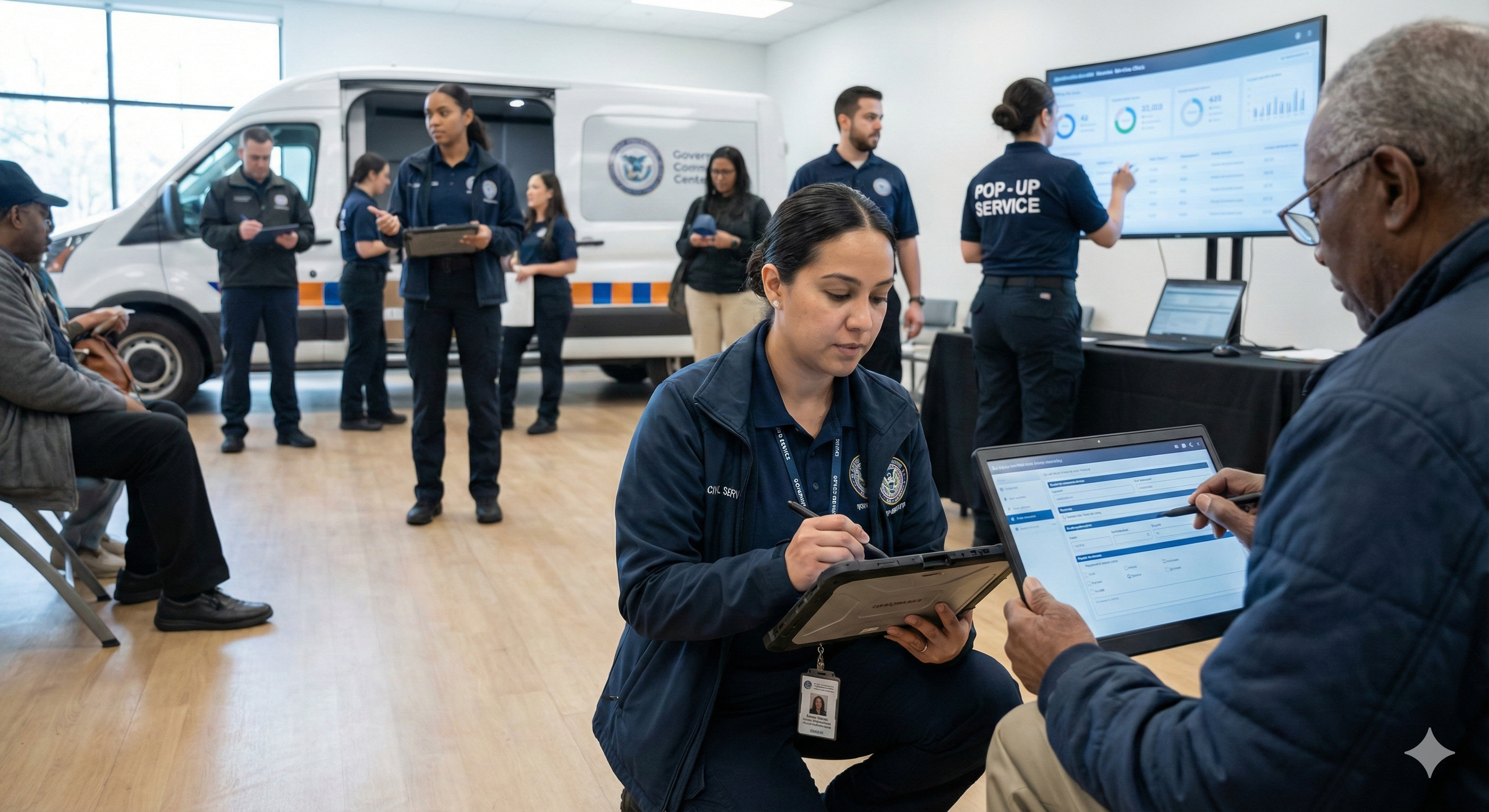
Career advancement in civil service is a crucial aspect that empowers individuals to achieve long-term professional growth and increased responsibility. Civil servant roles often follow well-defined pathways that reward dedication and skill development. These opportunities allow employees to deepen their expertise, take on leadership roles, and contribute more effectively to government operations and community welfare. Key strategies to foster professional growth in civil service include:

Proactively searching for civil service job openings is essential to securing a fulfilling government career. Utilizing multiple channels and staying organized increases the chances of finding opportunities that align with your skills and passions. Dedicated online job portals provide granular filters to discover relevant vacancies at local, state, and federal levels. Attending civil service job fairs and networking within community groups also enhances visibility and access to unadvertised positions. The civil service application process can be complex and competitive, requiring careful preparation. Understanding each step—from submitting applications to interviews—is crucial for success. Engaging with like-minded individuals who share this journey helps applicants gain insights and encouragement. Platforms like Journey provide a safe and vibrant environment where prospective civil servants can connect with seasoned professionals, share resources, and participate in focused discussions that guide their application endeavors. Key actionable steps to find and apply for civil service jobs include:

Civil servant careers serve as a crucial backbone for society, directly influencing the implementation of policies and the delivery of essential public services. These roles foster community cohesion by ensuring public safety, supporting education, and maintaining infrastructure. Through their dedicated efforts, civil servants create environments where individuals feel secure, supported, and empowered to thrive. Key impact areas of civil service include:
Exploring civil servant careers unveils a path rich in impact and opportunity. From diverse roles like intelligence analysts to postal workers, these careers sustain government functions and serve communities. They demand specific qualifications and involve a layered application process, but offer structured salaries and benefits.
Advancement in this field is possible through mentorship and education. Civil servants play a vital role in societal development, promoting public safety, and enhancing infrastructure. Embracing this career means engaging in meaningful societal contributions. Civil servant careers are not just jobs; they are vital roles shaping society’s future.
Civil service jobs include roles like intelligence analysts, human resources specialists, and postal workers. Each comes with specific responsibilities and plays a vital role in maintaining government operations.
Career civil servants are individuals employed within government positions for extensive periods, typically in roles focused on public service, supporting governmental functions, and ensuring the execution of public policies.
A career in civil service involves working in government positions designed to support societal functions. These roles are critical for implementing policies, maintaining public services, and enhancing community welfare.
The best civil service job varies based on personal interests and career goals. Popular choices include intelligence analysts and air traffic controllers due to their impactful roles and competitive benefits, such as structured career growth and job security.
Civil servant careers may be open to entry-level candidates. Some positions require specific qualifications or exams, while others offer training, making them accessible even for those without prior experience.
Yes, remote civil servant careers are available in certain roles such as communications specialists and analysts. These positions enable employees to contribute to government operations without being physically present in a government office.
Salaries for civil service jobs vary widely depending on the role, experience, and location. For example, an intelligence analyst earns based on the GS pay scale, which structures salaries across the federal system.
Non-civil service jobs include roles in the private sector and non-governmental organizations. These positions do not involve government-paid employment but can still contribute to public interests through various industries.
The U.S. civil service exam is a standardized test required for certain government positions. It assesses applicants' skills and competencies necessary for civil service roles, ensuring qualified candidates enter the federal workforce.
Yes, firefighter roles are classified as civil service jobs. They are essential to public safety, requiring specialized training and offering opportunities for career advancement within local or federal agencies.
Federal civil service jobs encompass positions within the U.S. government, such as policy analysts and postal workers. These roles ensure effective implementation of national policies and provide critical public services.