scan QR code


The concept of the 15-minute city has sparked widespread debate in urban planning circles, setting the stage for a transformative approach to city living and design. At its core, the 15-minute city aims for a paradigm shift where all essential services and amenities lie within a 15-minute walk or bike ride. Originating from the visionary ideas of Carlos Moreno, this model responds to contemporary challenges by promoting polycentric and multi-use urban designs that prioritize sustainability and livability. Advocates argue for its potential to reduce dependence on motorized transportation, thus encouraging communities to focus on local, integrated services. As urban planners and city dwellers grapple with the practicalities of implementation, the conversation offers intriguing insights into the future of urban sustainability and smart city design. For those eager to delve deeper into this innovative model, understanding its roots and objectives is the first step in assessing its potential to revitalize our neighborhoods and lifestyles.
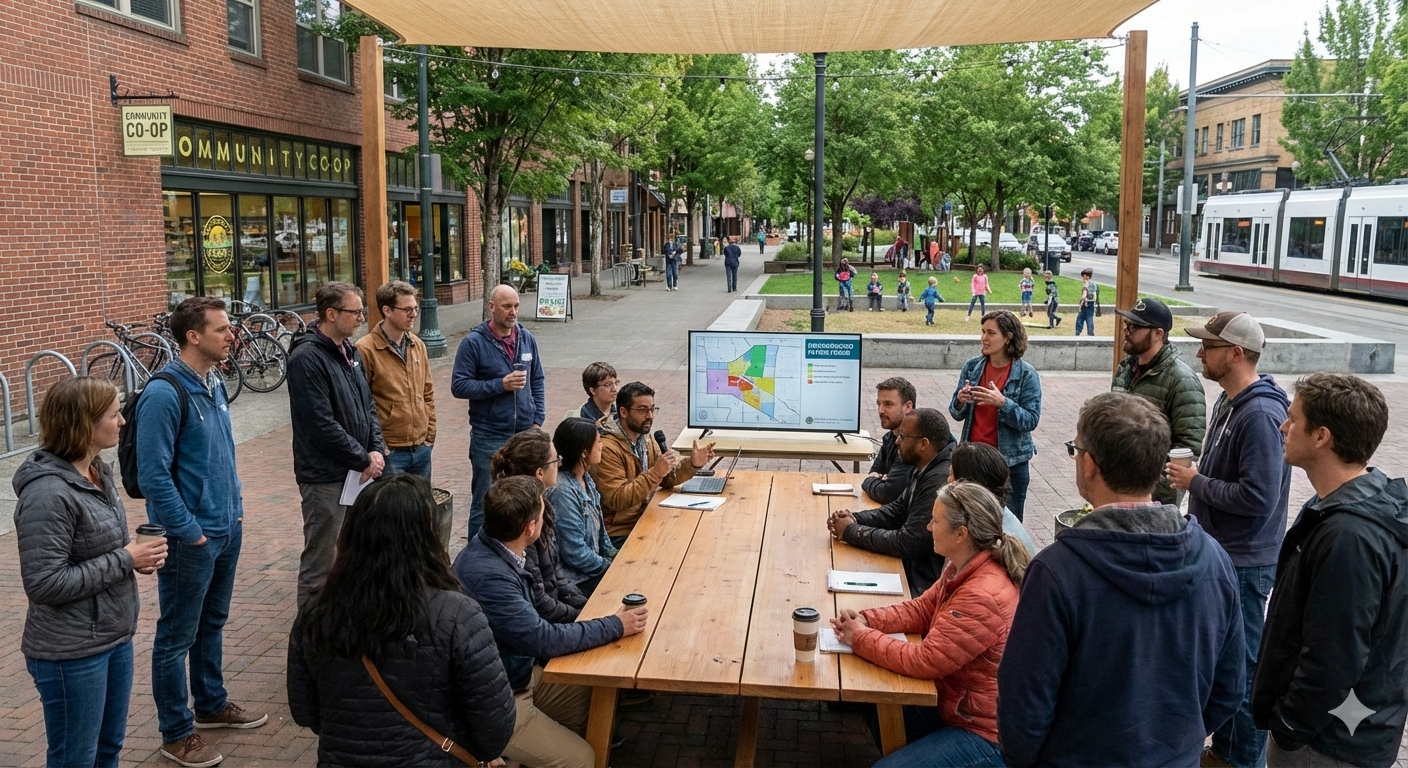
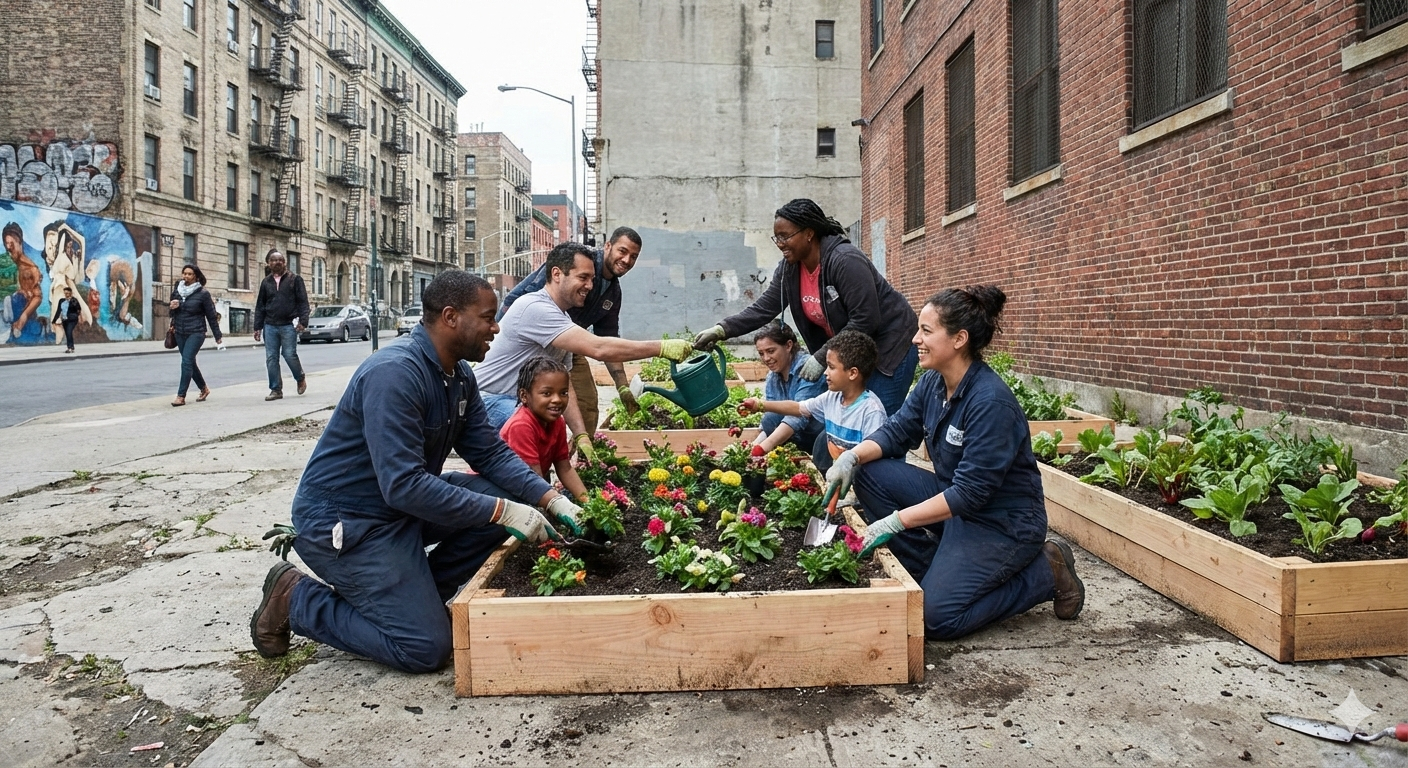
The 15-minute city model centers on creating neighborhoods where residents can access work, education, healthcare, and leisure within a short walk or bike ride. This urban design fosters more than just convenience; it cultivates stronger social bonds by bringing people physically closer and encouraging more frequent face-to-face interactions. By reducing dependency on cars and lengthy commutes, residents have more time and opportunities to engage meaningfully with neighbors and local initiatives, enriching the fabric of community life. Key aspects of enhancing community connections in this model include:

Supporters of the 15-minute city emphasize its transformative potential to reshape urban mobility and foster sustainable living. By prioritizing walkable neighborhoods and local amenities access, this model significantly reduces reliance on cars, lowering carbon emissions and promoting environmental health. Residents gain convenient access to essential services within a short walk or bike ride, enhancing daily life while supporting local economies. The tangible benefits highlighted by proponents include:

Critics of the 15-minute city concept highlight significant challenges in implementing this urban model, especially within already established cities. Retrofitting existing neighborhoods to fit the 15-minute criteria can be a complex endeavor. It often requires extensive infrastructure changes and policy adjustments that may inadvertently drive up housing costs, leading to gentrification. This process risks displacing long-term residents and reducing urban equity by limiting affordable housing options. Moreover, concerns arise around social exclusion and uneven access to amenities. Not all neighborhoods have the resources or space to provide a full range of essential services within a short distance. This disparity can isolate diverse communities or deepen existing inequalities. Critics also emphasize difficulties in aligning the 15-minute city vision with current city zoning policies and regulatory frameworks, which can be rigid and slow to adapt. Key challenges include:

Cities worldwide are embracing the 15-minute city concept, each adapting it uniquely to foster mixed-use development and enhance local accessibility. Paris stands out with its ambitious plan to decentralize urban life, promoting walkable neighborhoods and integrating green spaces. Melbourne focuses on revitalizing suburban hubs, blending residential, commercial, and recreational spaces to create vibrant local economies. Portland emphasizes sustainability by improving public transit and encouraging active transportation within compact neighborhoods. In Southeast Asia, Bangkok and Phnom Penh offer valuable lessons on localized urban planning. These cities demonstrate how daily activities often occur within a 15-minute radius, naturally supporting the live-work-play model. Their approaches highlight the importance of community engagement and culturally relevant strategies to address environmental and social needs. Internationally, the 15-minute city serves as a blueprint for the future of urban living. It prioritizes resilient, diverse communities where individuals access essential services nearby, reducing carbon footprints and fostering social cohesion. The Journey app supports this innovation by enabling authentic social interactions and localized community engagement. Through Journey’s robust tools, residents can organize events, share resources, and build meaningful connections, enriching the social fabric that underpins successful 15-minute city initiatives.
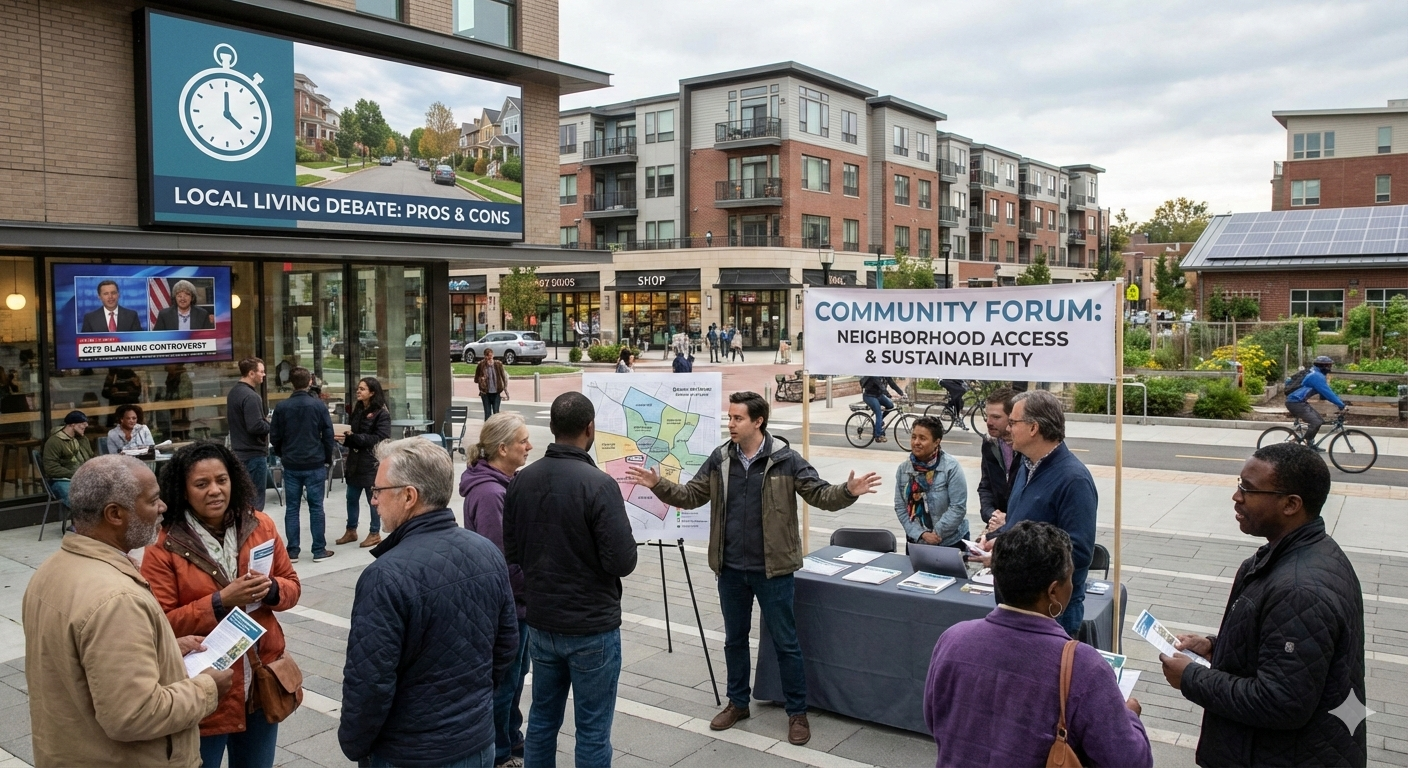
The 15-minute city debate involves complex political challenges that require policy reforms and substantial investment in infrastructure. Implementing this urban model demands coordinated efforts from local governments to update zoning laws, fund public transportation improvements, and support sustainable development initiatives. Political will and resource allocation are central to making the 15-minute city a lasting reality that benefits all residents. Environmental benefits are a key highlight for supporters, who point to reduced pollution levels and increased green space integration as critical outcomes. By encouraging walkable neighborhoods and reducing car dependency, cities can lower emissions and improve air quality. Enhanced green spaces also promote biodiversity and offer residents natural areas for recreation and restoration, contributing to overall urban health. Socially, the 15-minute city aims to strengthen community engagement and public wellness. Access to essential services within close reach fosters social cohesion and equitable opportunities. However, implementation can inadvertently deepen social divides if certain neighborhoods are underserved or excluded. Maintaining an inclusive environment where diverse groups can interact and participate is crucial for the model’s success. Key dimensions of the debate include:

The 15-minute city concept fosters neighborhoods where residents can easily access work, education, healthcare, and recreation within a short walk or bike ride. This proximity cultivates frequent, meaningful social interactions, enriching community bonds and creating a vibrant local culture. Reduced dependence on cars not only lessens commute times but also opens up time for residents to engage in authentic, face-to-face connections that form the backbone of resilient communities. Key factors enhancing community connections in this model include:
Exploring The 15-Minute City Debate unveils a complex dialogue on reshaping urban life. The model, inspired by accessibility and sustainability, envisions vibrant local communities. Supporters celebrate its ability to enhance daily life, while critics highlight challenges like gentrification and zoning hurdles. International case studies show varying successes and underline the importance of tailored applications.
As urban planning evolves, integrating smart technologies and adaptive policies is crucial. The debate signals a transformative era, promising a future where cities foster closer connections, reduce reliance on vehicles, and enhance overall quality of life.
A: The 15-minute city concept was developed by Carlos Moreno. It aims to make all essential services accessible within a short walk or bike ride, fostering sustainable urban living.
A: Controversy arises from concerns about gentrification, social exclusion, and the feasibility of retrofitting existing urban spaces to meet 15-minute criteria.
A: Yes, you can leave a 15-minute city. The concept focuses on local convenience, not restricting mobility beyond city limits.
A: Pros include reduced commute times, lower emissions, and improved local economies. Cons involve gentrification risks, social exclusion, and zoning policy challenges.
A: While the concept is emerging, cities like Portland are exploring 15-minute city principles. Future adaptations depend on local initiatives and policies.
A: A 15-minute city features integrated neighborhoods where essential services like schools, healthcare, and shops are within a 15-minute walk or bike ride. It emphasizes reduced car reliance and increased community interaction.
A: Potential drawbacks include gentrification, uneven amenity access, and challenges in aligning with existing policies. Balancing equity and development remains a key concern.
A: Urban planners and sustainable living advocates support it, highlighting benefits like reduced car dependence, lower emissions, and vibrant local economies.
A: The World Economic Forum supports sustainable urban planning and promotes dialogue around innovative models like the 15-minute city to address urban challenges globally.