scan QR code


Co-living for single parents is emerging as a game-changing solution, offering a blend of affordability and community support that redefines family living. As housing costs soar and the complexities of single parenthood grow, shared housing models tailored for families provide a lifeline. These family-friendly environments not only distribute financial burdens but also foster environments rich with emotional backing and shared childcare options. Imagine a place where neighbors become supportive allies, sharing daily responsibilities and creating a nurturing community for both parents and children. Through co-living, single parents find a sustainable and supportive path forward, forming connections that enrich lives and ease financial strains.
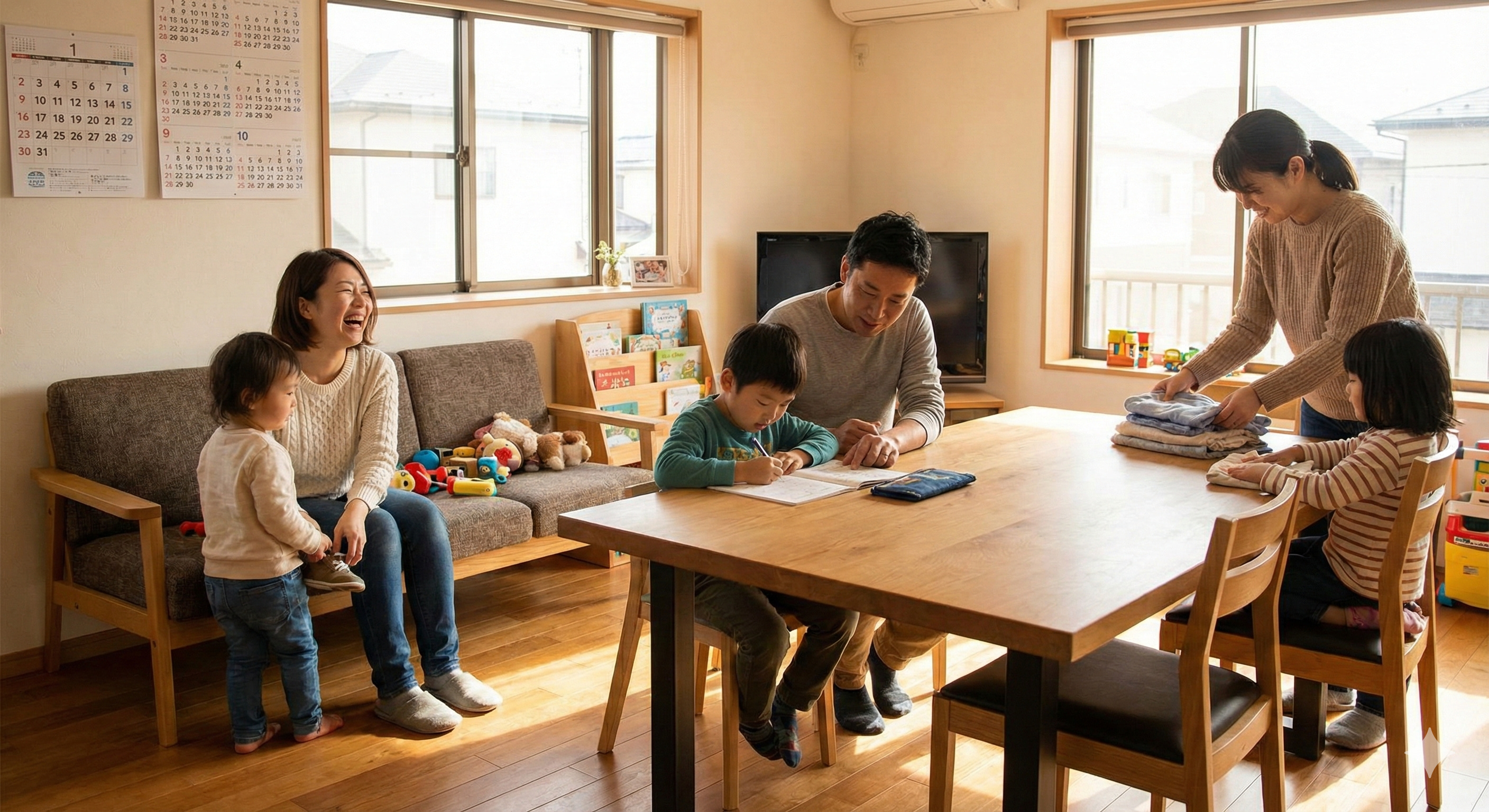
Co-living for single parents centers on shared housing options that align with the unique needs of families led by one adult. This approach offers affordable alternatives by distributing rent, utilities, and other living expenses among residents. Beyond the financial benefits, co-living spaces often feature family-friendly environments specifically designed to support children and adults alike. These spaces foster community living where single parents can connect with like-minded individuals facing similar challenges and experiences. Such shared housing arrangements often provide tailored amenities like communal kitchens, play areas, and dedicated childcare spaces. These features create opportunities for shared childcare and mutual support, helping ease daily parenting demands. Examples range from communal housing projects to smaller-scale shared apartments crafted to accommodate families. The essence of co-living for single parents is building a supportive community that enhances both practical and emotional well-being. Key benefits of co-living for single parents include:
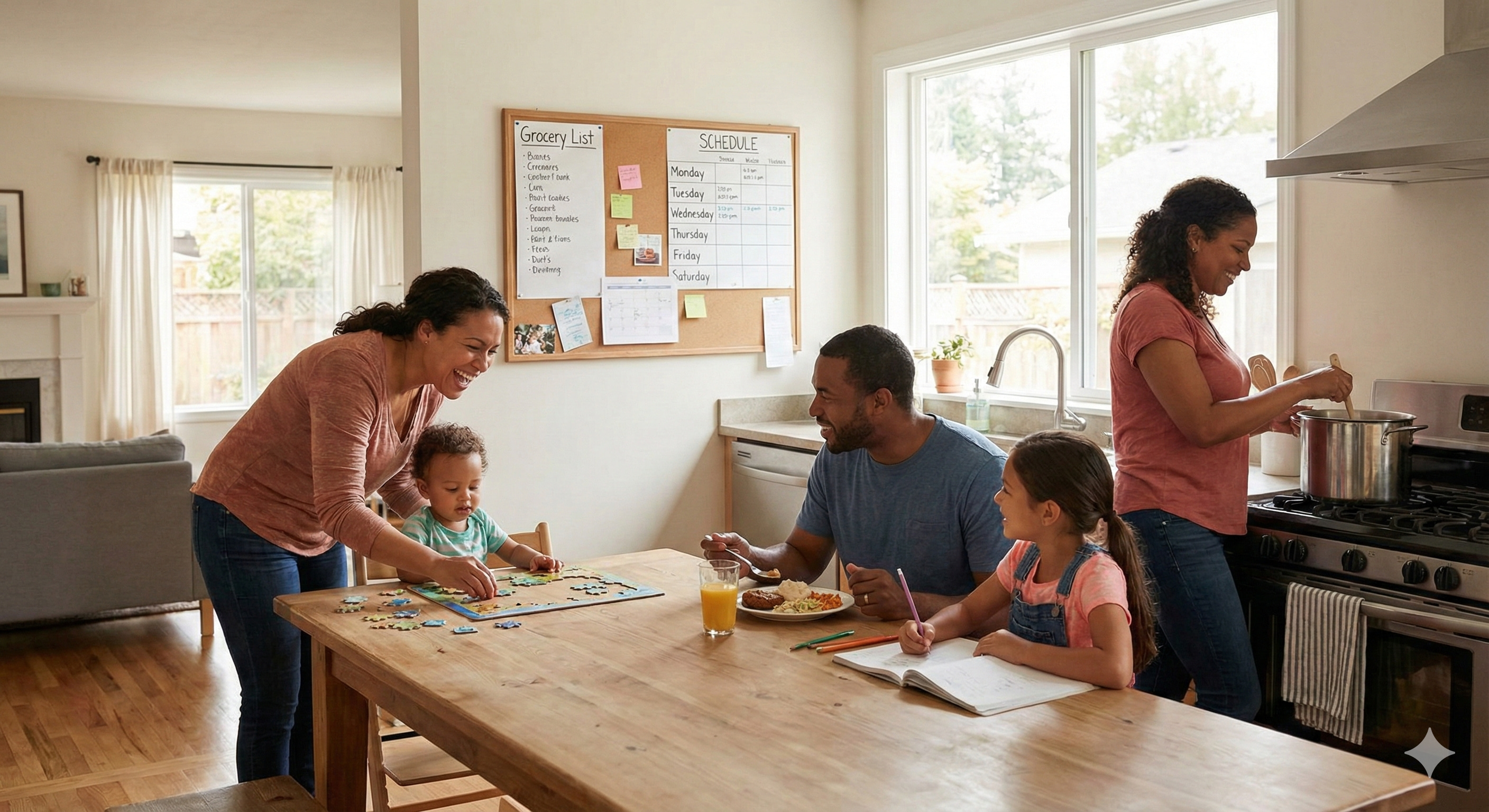
Co-living presents a practical and enriching option for single parents facing the challenges of affordable housing and social isolation. By sharing rent, utilities, and other living expenses, single parents can significantly reduce their financial burdens. This cost distribution creates access to affordable housing options that might otherwise be beyond reach. Beyond finances, co-living fosters supportive communities where parents gain emotional strength through shared experiences and mutual understanding. The ‘mommune’ example highlights how collective living arrangements can transform daily struggles into manageable, even fulfilling, endeavors by distributing responsibilities and providing dependable support networks. Socially, co-living environments encourage vibrant interaction and continuous community engagement. Single parents and their children benefit from increased social interaction, reducing feelings of isolation often associated with solo parenting. Shared childcare arrangements within these communities ease parental duties, enhancing work-life balance and overall well-being. The mutual aid embedded in these living setups creates a rich, trustworthy environment where both adults and children thrive through collective care and connection. Key financial, social, and emotional advantages of co-living for single parents include:

Co-living offers single parents a collaborative environment where daily parenting and household tasks are distributed among like-minded individuals. This shared approach lightens the load of single parent challenges by fostering mutual support and practical help. By dividing responsibilities, single parents experience reduced stress and enjoy an improved work-life balance. For example, co-living households often coordinate childcare schedules, enabling parents to attend work or personal activities while knowing their children are cared for within a trusted community. Shared childcare facilities and household management are central to the success of co-living arrangements. These spaces typically include communal areas designed to accommodate children safely and comfortably, encouraging interaction and learning. The collective effort in managing chores, childcare, and errands creates a stable and nurturing household dynamic. This cooperative model not only meets practical needs but also nurtures emotional well-being through constant peer interaction and support. Implementing shared childcare responsibilities requires clear communication and organization. Key steps include:

Single parents looking for co-living spaces can explore both existing co-housing models and opportunities to create new, adaptable communal arrangements. Many local housing cooperatives and communal projects specifically cater to families, offering shared housing designed with family-friendly amenities. These options provide practical, well-maintained environments that blend affordability with supportive community living. Exploring these established models is a crucial first step in finding a space that aligns with the unique needs of single-parent households. Building connections within local communities is equally important. Networking with neighborhood groups, parenting organizations, and social networks can open doors to shared housing opportunities that might not be widely advertised. Cultivating relationships with like-minded individuals helps create a sense of belonging and mutual support, which is central to successful co-living arrangements. Single parents can also actively participate in community discussions and events to enhance their discoverability and access to valuable resources. The Journey app serves as an effective hub for single parents seeking or designing co-living spaces. Its robust community creation tools enable users to build customized, safe, and trustworthy co-living groups. Journey’s seamless communication features, combined with flexible privacy settings, support ongoing engagement and collaboration. By leveraging Journey’s vibrant platform, single parents can organize shared housing projects, exchange ideas, and foster a rich sense of community organically. Strategies for finding or designing co-living spaces include:

Co-living for single parents goes beyond shared housing; it cultivates a vibrant community living experience built on trust, mutual aid, and shared values. These arrangements create strong support networks where single parents can rely on each other for practical help and emotional encouragement. Family-friendly communal events and activities often serve as the backbone of these networks by providing regular opportunities for bonding and learning. Such engagements enrich social connections and foster a sense of belonging that is crucial for both parents and children navigating the challenges of solo parenting. The essence of successful co-living lies in nurturing active participation and continuous interaction among residents. Single parents benefit from neighborhood support that extends beyond managing household tasks, creating a rich environment where shared experiences and resources become the foundation for long-term growth. By fostering communal activities and embracing shared parenting practices, these communities transform individual struggles into collective strength. The Journey app plays a critical role in this process, offering a safe, trustworthy platform where single parents can build, customize, and manage their support networks seamlessly. Journey’s robust community creation tools, group chats, event management, and AI-powered insights enable members to engage authentically, organize meetups, and sustain vibrant connections that align organically with their needs. Key strategies for building strong support networks in co-living include:
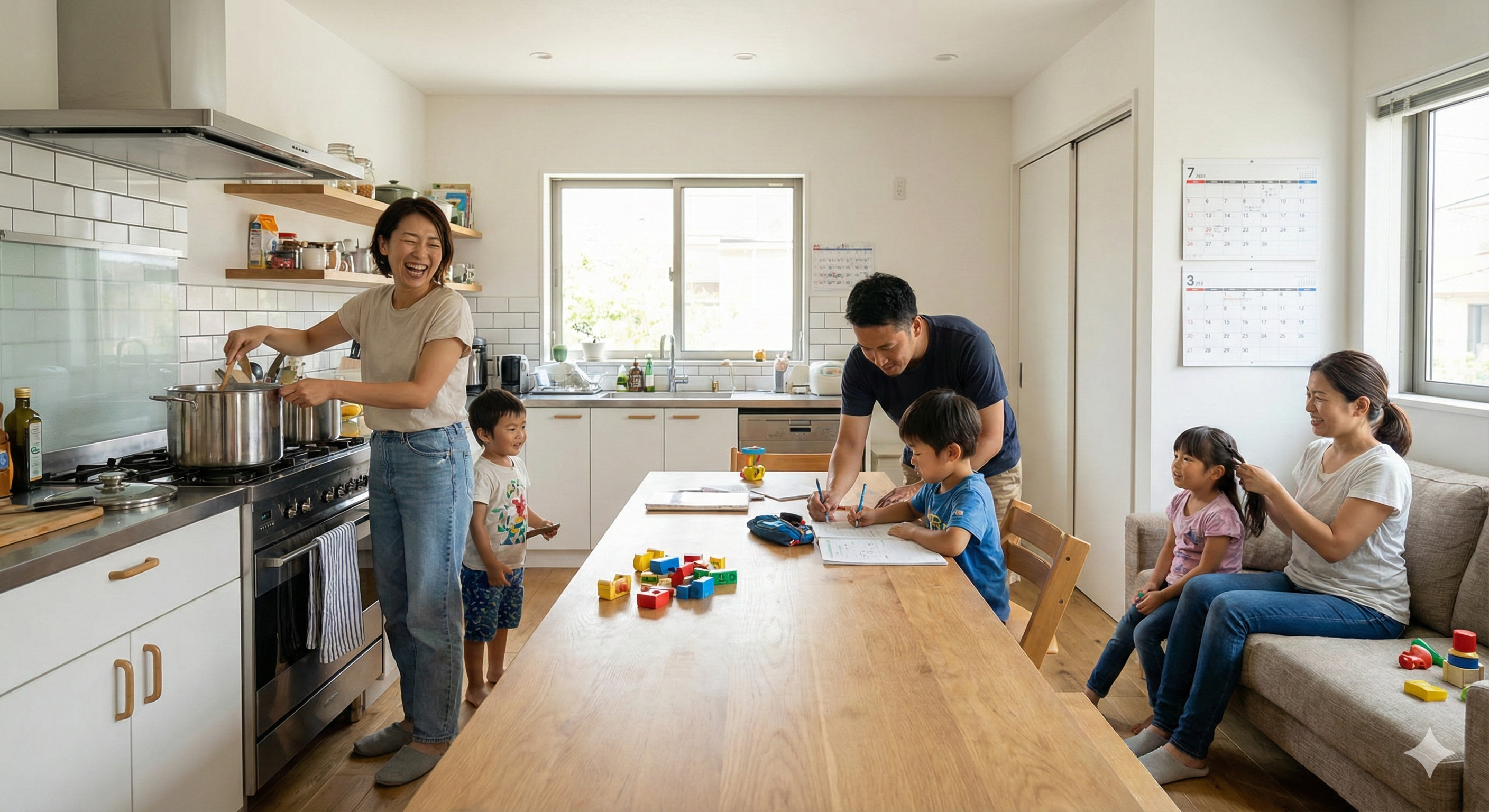
Entering a co-living arrangement requires single parents to carefully navigate several practical and legal factors to ensure a harmonious and secure living environment. Clear rental agreements are essential, outlining each resident’s responsibilities regarding rent, utilities, and shared expenses. These contracts serve as the backbone of the co-living community, providing a structured framework that safeguards everyone’s interests and reduces misunderstandings. Understanding local housing policies is equally critical, as regulations vary and can impact the feasibility and terms of shared living arrangements. Well-defined contracts also play a crucial role in managing shared responsibilities fairly among residents. By specifying roles related to household chores, childcare, and maintenance, these agreements help maintain balance and prevent potential conflicts. Incorporating conflict resolution mechanisms within these agreements further supports sustainable co-housing by offering clear paths to address disputes constructively. Awareness of these legal frameworks empowers single parents to build long-term, stable communities that nurture both financial and emotional well-being. Leveraging platforms like Journey can enhance this endeavor by providing a safe, trustworthy environment where single parents can organize, discuss, and manage co-living arrangements transparently. Journey’s community creation and management tools enable users to customize privacy settings, assign member roles, and facilitate seamless communication. This robust digital hub supports the administrative and social needs of co-living groups, fostering a vibrant community aligned with shared values and goals. Key legal aspects to consider before entering a co-living arrangement include:

The future of co-living for single parents is shaped by increasing demand for affordable, supportive, and flexible housing solutions. Modern housing trends show a growing number of co-living startups and projects designed specifically to meet the unique needs of single-parent families. These spaces emphasize personalized living environments that foster community engagement and shared responsibilities. As economic pressures and social isolation continue to challenge single parents, co-living presents a fulfilling endeavor that blends practicality with emotional well-being. Digital platforms are becoming critical enablers of this transformation. They facilitate genuine connections among like-minded individuals seeking shared housing and mutual support. Social networks focused on substance and authentic interaction are expanding their roles beyond simple communication tools. Platforms that prioritize community creation, seamless communication, and robust privacy controls empower single parents to build trusted, long-term support networks. Success stories like the 'mommune' model highlight how digital tools can enhance co-living journeys by coordinating shared childcare, organizing events, and fostering continuous engagement. Journey stands out as a vibrant hub for single parents navigating co-living arrangements. Its easy-to-use community creation flow allows users to customize spaces tailored to their needs, while flexible privacy settings safeguard trust and security. Journey’s AI-powered Sidekick supports community owners by automating moderation, recommending relevant content, and facilitating meaningful interactions. This seamless integration of digital tools enables single parents to nurture authentic relationships and sustainable co-living environments rooted in shared values and goals. Key future trends in co-living for single parents include:
Co-living for single parents redefines shared living, focusing on community, affordability, and support. It's an empowering remedy to the typical hurdles of single parenting. With financial relief through shared expenses and emotional uplift from community bonding, co-living offers more than just a place to live.
As single parents navigate these spaces, they find tailored solutions in adaptable housing and strong support networks. Platforms like Journey play a crucial role, connecting like-minded individuals in search of genuine community. Confidently explore co-living prospects to nurture an inclusive, supportive environment for both parents and children.
Co-living for single parents is sharing housing with other single parent families. It provides cost savings, shared childcare, and a supportive community environment tailored for family needs.
The benefits include reduced living costs, emotional support, shared childcare duties, improved social engagement, and financial savings through resource sharing and community participation.
Single parents can find shared housing by researching local communal housing projects, exploring housing cooperatives, and networking with community groups for suitable living arrangements.
Single parents can use digital platforms and community networks to connect with potential roommates, ensuring shared values and mutual support are established.
Financial advantages include reduced rent and utility costs through shared expenses, allowing single parents to manage their finances more efficiently.
Community living offers single moms emotional support, shared responsibilities, and enriched social ties by connecting with others facing similar challenges.
Disabled single mothers can access transitional housing programs and community support networks designed to address their specific needs and challenges.
Yes, single mothers may qualify for housing grants and assistance programs. These vary by location, providing help with rent and housing costs.
Co-living addresses daily challenges through shared responsibilities, like household management and childcare, easing stress and enhancing work-life balance.
Single mothers may be eligible for government assistance such as childcare support, housing benefits, and financial aid, depending on individual circumstances.
To build support networks, single parents can establish regular meetups, integrate shared parenting practices, and organize communal events to foster connection.
Key legal considerations include having clear rental agreements, structured expense-sharing frameworks, conflict resolution mechanisms, and understanding local housing policies.