scan QR code


Friendship divorces can be just as emotionally taxing as romantic breakups, unraveling bonds once thought unbreakable. Though we often overlook these invisible fractures, they shape our lives profoundly. Statistically speaking, friendships dissolve more often than we might expect, driven by dynamics strikingly similar to those in romantic separations. Consider the elements of trust, emotional connection, and mutual support—all pivotal, all sometimes lacking. These dissolutions, whether gradual or abrupt, leave many examining the very essence of human connections.
Why do these vital relationships falter? The reasons range from unmet emotional needs to the more insidious effects of toxic behavior. Growing apart, mismatched values, or betrayal find their place here, underpinning the complexities of every friendship’s unique narrative. Recognizing these signs isn't just about saying goodbye; it’s a step toward healthier, more rewarding connections. The emotional turbulence can feel overwhelming but identifying and understanding these issues early can pave the way for a more authentically connected life. It's not merely an ending; it's the beginning of something anew. Embrace the journey of recognizing, adapting, and growing beyond these moments, forging paths to genuine, supportive communities built on solid ground.

Friendship divorces represent a profound emotional breakup, where individuals consciously end a friendship much like a romantic relationship. This process often involves complex dynamics such as trust erosion, imbalance in effort, and the gradual drifting apart of shared interests. Research highlights that friendships can dissolve for many reasons, and recognizing these signs early is crucial to navigating the emotional impact effectively. Common reasons for friendship endings include toxic behaviors, unmet emotional needs, and evolving personal values. When one or both individuals feel unsupported or betrayed, the foundation of the friendship weakens. Additionally, differences in communication styles or life priorities can create distance that grows over time. Identifying these factors allows people to make deliberate choices about retaining or releasing a friendship to foster healthier interactions elsewhere. Understanding the essence of friendship divorces empowers individuals to pursue more fulfilling and authentic connections in the long term. By acknowledging when a friendship no longer aligns with personal growth or mutual respect, people can redirect their energy toward relationships that truly enrich their lives. This mindset supports emotional well-being and paves the way for building new, like-minded communities rooted in trust and shared values. Key aspects why friendships might end include:

Friendship divorces often begin with subtle shifts in dynamics that can leave individuals feeling emotionally drained or disconnected. Increased conflict, one-sided efforts, or a growing sense of distance are common behavioral cues signaling an impending breakup. These signs reflect deeper issues such as unmet needs, trust erosion, or evolving priorities that no longer align between friends. Recognizing these patterns early is crucial to navigating the emotional challenges and making mindful decisions about whether to retain or release the friendship. As personal growth unfolds, social circles naturally evolve, requiring ongoing self-reflection to assess which relationships continue to serve one’s well-being. The effects of losing a friend can be profound, often stirring feelings of sadness, confusion, or even relief. Understanding these emotions helps individuals process the change more effectively and seek support where needed. Journey offers a robust environment designed to support individuals through these transitions by providing tools that encourage self-assessment and community engagement. Users can participate in relevant discussions, share experiences, and gain validation from like-minded individuals who understand the intricacies of friendship dynamics. Key signals indicating a friendship divorce include:
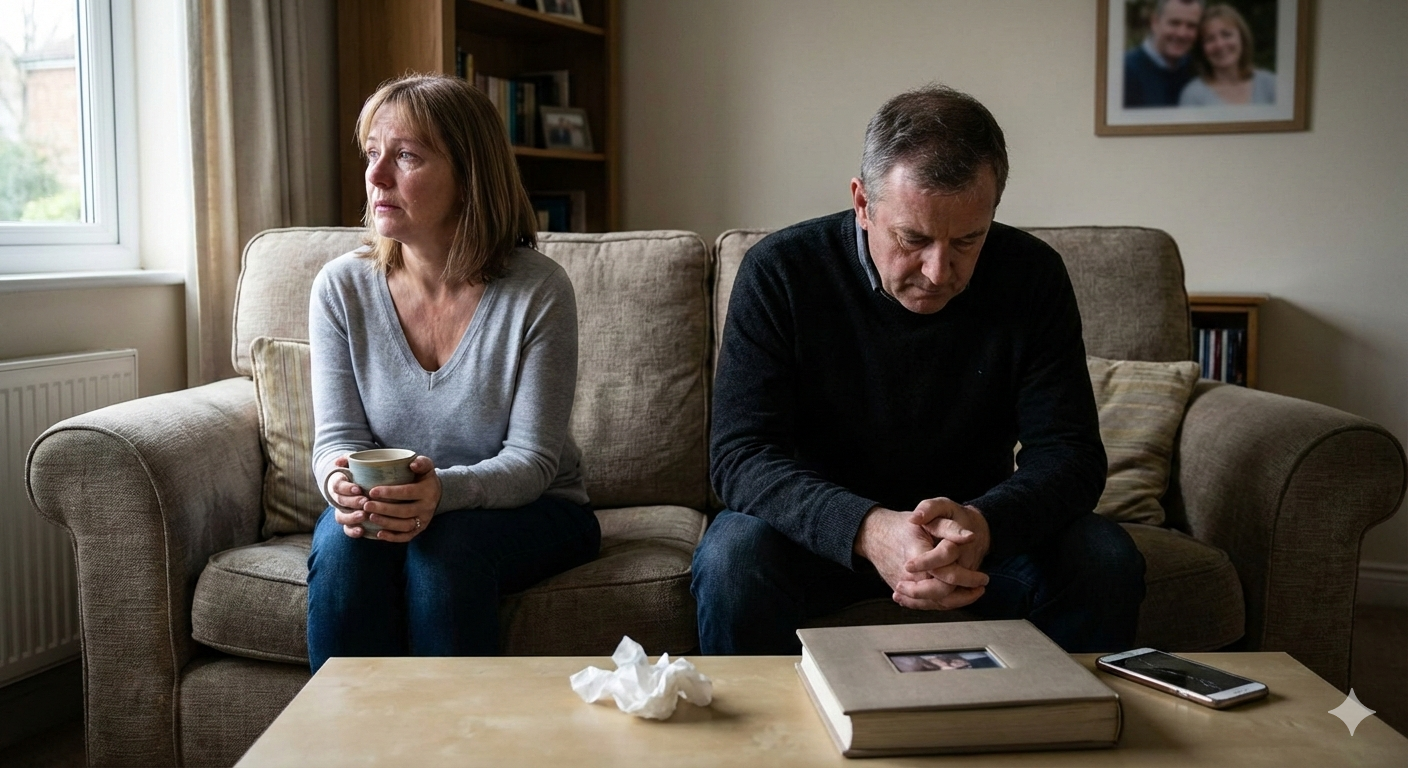
Ending a close friendship often triggers a profound emotional breakup, stirring a myriad of feelings that can feel overwhelming. Initially, shock may dominate as individuals grapple with the unexpected change, struggling to reconcile the loss of a bond that once provided support and belonging. This stage is central to processing the reality of the friendship ending and sets the groundwork for eventual healing. As the shock subsides, sadness typically emerges, accompanied by a sense of grief comparable to other significant losses. This period invites self-reflection, where individuals assess the dynamics that led to the split and begin to understand their own needs and boundaries more clearly. Embracing this emotional process is crucial for gaining perspective and fostering resilience. With time and intentional coping, many reach acceptance, recognizing that moving forward opens the door to new, fulfilling connections. This stage enables individuals to redirect their energy toward communities and friendships that align with their growth and values, enhancing their social well-being in the long term. Immediate self-help strategies include:

Navigating friendship divorces requires honest yet gentle communication to address problematic dynamics without escalating conflict. Open dialogue serves as the backbone of this process, enabling individuals to express their feelings clearly while respecting the other person’s perspective. Being transparent about one’s emotions and boundaries can reduce blame, foster mutual respect, and ultimately guide both parties toward healthier interactions or closure. It is crucial to avoid gossip or taking sides, as these actions often deepen divides and prolong emotional turmoil. Instead, focusing on respectful confrontation allows for clarity and understanding. Preparing for these discussions by reflecting on one’s feelings and desired outcomes helps maintain calm and constructive exchanges. This approach encourages empathy and keeps the conversation centered on solutions rather than accusations. Setting boundaries is a critical aspect of managing friendship divorces. Clearly communicating limits regarding contact, topics of conversation, or involvement can protect emotional well-being and create safe spaces for healing. Boundaries also help redefine the friendship’s new terms or facilitate a peaceful ending. When boundaries are respected, both individuals can move forward with dignity and self-respect. Key communication strategies for friendship divorces include:

Reclaiming your personal identity after a friendship divorce is a crucial step toward building a fulfilling social life. This process invites self-reflection to understand what you truly value in friendships and how you want to engage with others going forward. It is an opportunity to shed unhelpful patterns and focus on relationships that nurture mutual respect and growth. Embracing this mindset encourages emotional resilience and opens the door to healthier, more authentic connections. Forming new friendships after a significant breakup requires active effort and openness. Engaging in new social activities, joining interest-based groups, or volunteering can help you meet like-minded individuals who share your passions and values. It is important to prioritize quality over quantity, seeking relationships that offer genuine support and encouragement. As you expand your social circle, you cultivate a network that aligns with your evolving goals and personal growth. Valuing positive relationships also means reconnecting with old friends who reflect your current self and aspirations. Revisiting these connections with fresh perspective can reinvigorate your sense of belonging and community. Throughout this journey, maintaining boundaries and clear communication helps ensure that your social interactions remain enriching and respectful. This foundation supports long-term well-being and a vibrant social network. Key steps for moving on and rebuilding your social circle include:

Prioritizing self-care after the end of a friendship is critical for emotional recovery and long-term well-being. Experiencing such a loss often triggers a complex mix of feelings that can feel overwhelming. Engaging in hobbies and creative pursuits offers a fulfilling outlet to channel emotions constructively. These activities not only nurture personal growth but also help rebuild a sense of identity independent of the lost relationship. Professional counseling or therapy provides a seasoned, understanding guide through the emotional turmoil that follows a friendship breakup. Such support fosters resilience by helping individuals unpack their experiences, reframe thoughts, and develop coping strategies. Physical activity also plays a crucial role by boosting mental health through endorphin release and stress reduction, reinforcing emotional stability during this challenging time. Mindfulness practices encourage self-reflection and present-moment awareness, enabling individuals to process their emotions without judgment. This approach cultivates emotional maturity, making it easier to navigate future relationships with greater clarity and balance. Together, these self-care methods empower individuals to transform a painful ending into an opportunity for meaningful personal development. Actionable self-care strategies include:

Friendship divorces often bring a complex mix of emotions and challenges. Many individuals share stories of the initial shock and sadness when a close friendship ends, describing it as a profound loss that shakes their sense of belonging. One seasoned life coach highlights that midlife friendship divorces are increasingly common as people’s values and priorities evolve. These changes can create distance and tension, but they also open doors for personal growth and deeper self-awareness. Recognizing that the end of a friendship is not just a loss but a critical life transition helps individuals approach the process with greater compassion and resilience. Experts emphasize that handling conflict in friendships requires emotional honesty and clear boundaries. A critical strategy is to maintain mutual respect even when parting ways, ensuring that conversations focus on understanding rather than blame. Reflecting on the lessons learned from ended friendships allows individuals to cultivate healthier relationships in the future. This reflective approach not only supports closure but also empowers people to build more fulfilling connections aligned with their authentic selves. A therapist notes that seeking closure is crucial in transforming emotional turmoil into meaningful growth opportunities. Journey’s platform plays a vital role in this endeavor by creating a safe and vibrant community hub where users can share their experiences and gain insights. The app’s customizable community creation tools enable individuals to organize groups focused on friendship challenges, personal development, and emotional healing. Journey’s AI-powered Sidekick enhances this environment by recommending relevant resources, facilitating introductions, and supporting effective communication strategies. Through continuous participation in Journey’s trustworthy space, users foster rich interactions that promote belonging and meaningful connection during difficult transitions. Key takeaways for navigating friendship divorces include:
Exploring the concept of friendship divorces reveals a complexity often likened to romantic breakups. The journey through these splits involves recognizing signs, such as trust issues and emotional imbalances. It’s essential to communicate openly and set boundaries, using platforms like Journey to navigate these challenges. Although emotionally taxing, these experiences offer growth opportunities and rebuild social circles. Embracing self-care and personal development fosters resilience, paving the way for deeper, more rewarding relationships. Facing the end of friendships head-on leads to mature connections, enriching one's social landscape positively.
A friendship divorce occurs when friends emotionally part ways, similar to romantic breakups. It's driven by unresolved issues like trust disputes or growing apart, leading to an official friendship conclusion.
The 80 20 rule in friendships suggests focusing 80% of efforts on the relationships that bring happiness and 20% on managing difficult friendships, ensuring balanced emotional investment.
Four behaviors often causing divorces and impacting friendships include criticism, contempt, defensiveness, and stonewalling. These create toxic dynamics and communication breakdowns, straining relationships.
The 10 10 10 rule advises evaluating decisions by considering immediate effects, impact a decade away, and long-term emotional outcomes, thus guiding thoughtful resolutions in challenging situations.
Handling unsupportive friends during a divorce involves acknowledging their impact, setting clear boundaries, and focusing energy on networks that offer genuine support and understanding.
Navigating the loss of friends post-divorce involves processing emotions healthily, seeking new social connections, and emphasizing supportive relationships that embrace personal growth and reflection.
When best friends divorce, remain neutral, offer a listening ear, and avoid taking sides, ensuring continued support and individual respect in navigating changing dynamics.