Ghost towns, once bustling hubs of activity, have piqued the interest of communities and investors alike as revivals breathe new life into these intriguing locales. These captivating initiatives not only reclaim forgotten spaces but also knit communities together through shared heritage and economic renewal. Ghost town revivals catalyze a wave of community reawakening, transforming dilapidated places into vibrant centers for cultural exploration and local pride. As people reconnect with forgotten histories, these efforts pave the way for sustainable tourism and revitalized local economies. Step into this captivating journey as we explore how ghost town revivals turn the pages of history toward future generations, sparking new chapters of growth and community spirit.
Historical Roots of Ghost Town Revivals: From Abandonment to Renewal
Picher, Oklahoma, once a vibrant mining town with a population exceeding 14,000 by the 1920s, exemplifies the dramatic transformation many ghost towns have undergone. Its rise was fueled by rich deposits of lead and zinc, making it a crucial hub in the Tri-State mining district. However, after World War II, economic decline and environmental issues caused a steep downturn. Abandoned mining shafts and the removal of sump pumps led to contamination, forcing residents to leave and turning Picher into a ghost town. Key historical milestones highlight this journey from boom to bust:
The mining boom (1913 onward)
Peak population levels in the 1920s
Post-war economic decline
Environmental challenges resulting from abandoned infrastructure
Governmental missteps impacting long-term viability These events not only mark the town's economic and social shifts but also serve as critical lessons for current revival efforts. They underscore the importance of balancing industrial growth with environmental stewardship and long-term planning. Today, the revival of ghost towns like Picher is driven by a renewed appreciation for local history and preservation. Community efforts focused on cultural activities, historical education, and sustainable development are central to breathing new life into these places. Platforms like Journey play a vital role by enabling residents and enthusiasts to connect, share resources, and organize events that honor the past while fostering a vibrant future. This blend of historical understanding and community engagement forms the backbone of successful ghost town revivals.
Economic and Community Impacts in Ghost Town Revivals
Ghost town revivals have become a crucial catalyst for economic development and community revitalization. These projects attract investment that breathes new life into local economies, transforming abandoned sites into vibrant hubs. By integrating heritage tourism with modern art installations and cultural activities, small towns experience renewed vibrancy and a strengthened sense of identity. The economic benefits of ghost town revivals are diverse and impactful:
Job creation
Increased tourism revenue
Local business opportunities
Infrastructure improvements These benefits not only stimulate growth but also help retain residents and attract new visitors, fostering a sustainable cycle of development. Platforms like Journey play a central role in sustaining this momentum. By enabling residents, entrepreneurs, and visitors to connect authentically, Journey cultivates a safe and supportive environment for collaboration. Its robust community creation tools, combined with seamless event management and engagement features, empower individuals to organize cultural events, share resources, and participate in meaningful discussions. This continuous interaction strengthens community bonds and ensures that revival efforts translate into lasting social and economic progress.
Restoration Projects and Adaptive Reuse in Ghost Town Revivals
Restoration projects are central to the revitalization of ghost towns. These endeavors focus on preserving historic buildings and mining structures that capture the essence of the town’s past. By carefully assessing these sites, communities safeguard architectural heritage while creating opportunities for new uses. Adaptive reuse transforms abandoned warehouses, mine shafts, and iconic buildings into cultural hubs, galleries, and event spaces that attract visitors and foster local pride. Key restoration steps ensure these projects succeed:
Assessment of structural integrity
Historical research and preservation planning
Community and investor engagement
Implementation of adaptive reuse designs Each phase is crucial to maintaining the authenticity of historic buildings while making them functional for modern purposes. This approach balances preservation with innovation, enabling ghost towns to become vibrant centers for culture and tourism. The process requires collaboration among diverse stakeholders, including preservation experts, local residents, and investors. Their combined efforts build a robust foundation that supports long-term growth and community engagement. Through these well-planned restoration and adaptive reuse initiatives, ghost towns transform from relics of the past into thriving hubs that celebrate history and inspire future generations.
Cultural Revivals and Heritage Tourism in Ghost Town Revivals
The Silver Reef Museum in Leeds, Utah, plays a crucial role in sparking cultural revival through regular art exhibits, historical lectures, and community events. These initiatives create rich heritage tourism opportunities that attract visitors eager to explore ghost town tours and experience local cultural landmarks. By showcasing diverse artistic expressions and historical narratives, the museum fosters a vibrant connection between past and present. Key cultural revival efforts highlighted at the Silver Reef Museum include:
All-media art exhibits
Monthly community cultural events
Historical lectures (e.g., “Women of the Silver Reef”)
Yearlong art and heritage programs These efforts deepen public understanding of historical preservation while encouraging community participation and tourism growth. They enrich the visitor experience by blending art, history, and local stories into a seamless cultural journey. Journey supports these vibrant cultural engagements by enabling users to share authentic travel experiences and connect with local heritage events. Its robust community creation tools and event management features provide a safe, trustworthy environment where like-minded individuals can discover cultural offerings, interact meaningfully, and continuously expand their appreciation for ghost town heritage. This blend of technology and tradition forms a dynamic backbone for sustaining long-term cultural revival.
Sustainable Tourism and Urban Exploration in Ghost Town Revivals
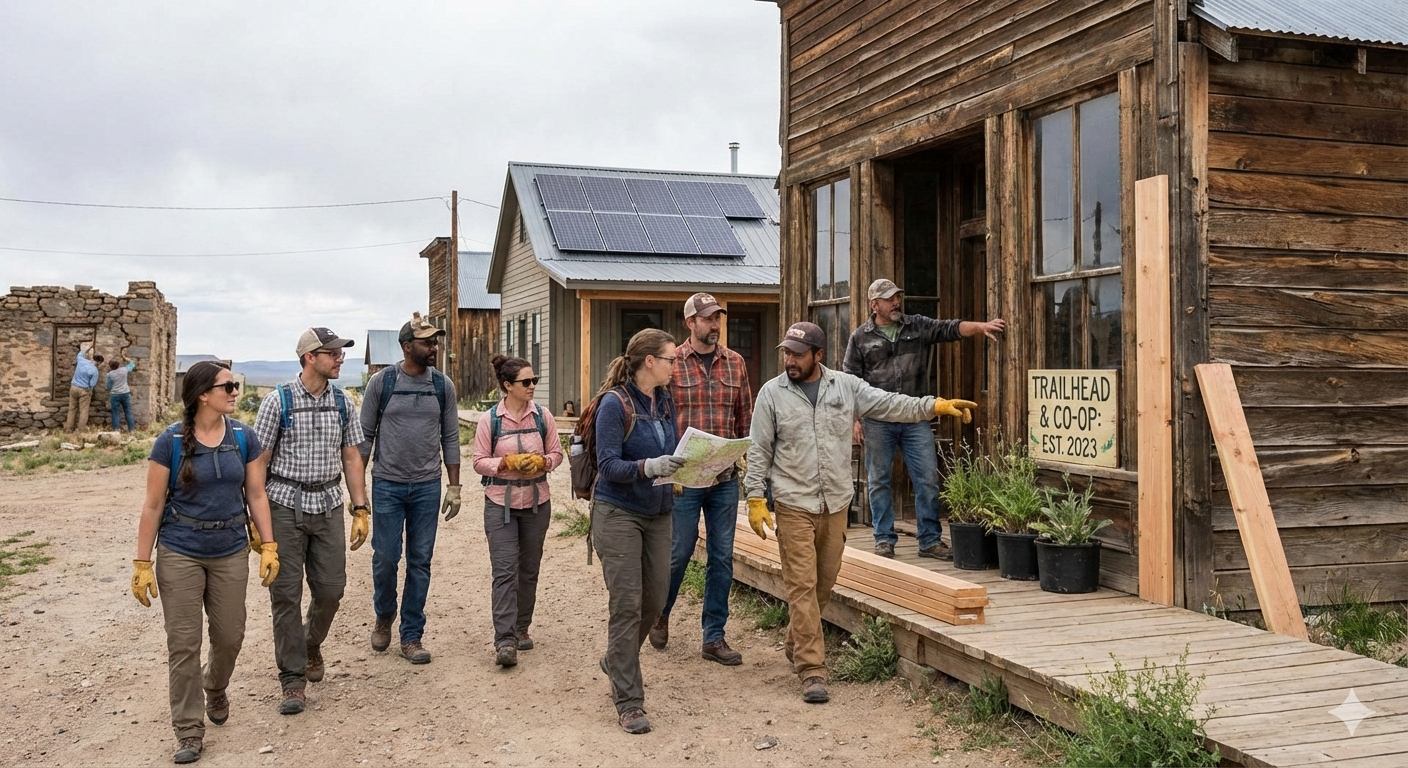
Revival projects now emphasize sustainable tourism as a crucial strategy for preserving ghost towns while inviting exploration. These efforts reposition ghost towns as safe, well-maintained sites for urban exploration and ghost tours, balancing visitor interest with conservation. Local authorities have implemented guidelines that protect historical integrity and minimize environmental impact, ensuring these unique sites remain vibrant hubs for cultural tourism. Responsible exploration depends on adherence to key practices:
Adherence to local guidelines
Respect for historical sites
Minimal environmental impact
Engagement with community-led tours Following these principles safeguards the essence of ghost towns and enriches visitor experiences. Community-driven tours foster meaningful interaction between explorers and locals, encouraging mutual respect and shared stewardship of these cultural landmarks. Platforms like Journey enhance this sustainable tourism model by connecting like-minded individuals passionate about urban exploration and heritage. Journey’s robust community creation tools enable explorers, historians, and residents to organize events, share updates, and collaborate on preservation projects within a safe and trustworthy environment. This seamless integration of technology and tradition fosters continuous learning, engagement, and growth—key to ensuring ghost town revivals thrive responsibly for the long term.
Community Engagement and Local Involvement in Ghost Town Revivals
Ghost town revivals often spark a powerful sense of community revitalization. As these towns transform from abandoned sites into vibrant cultural hubs, local residents rediscover pride in their heritage. Smaller communities especially benefit from festivals, art installations, and guided historical tours that celebrate their unique stories. Events like the annual Christmas parade in Picher illustrate how community engagement can preserve bonds and foster belonging even after decades of decline. Local participation is crucial for sustaining these revival efforts. Community members who actively contribute to cultural activities help maintain momentum and ensure a long-term impact. Their involvement enriches the town’s identity and encourages visitors to form meaningful connections with the place and its people. Ways local communities can engage in revival projects include:
Attend heritage events
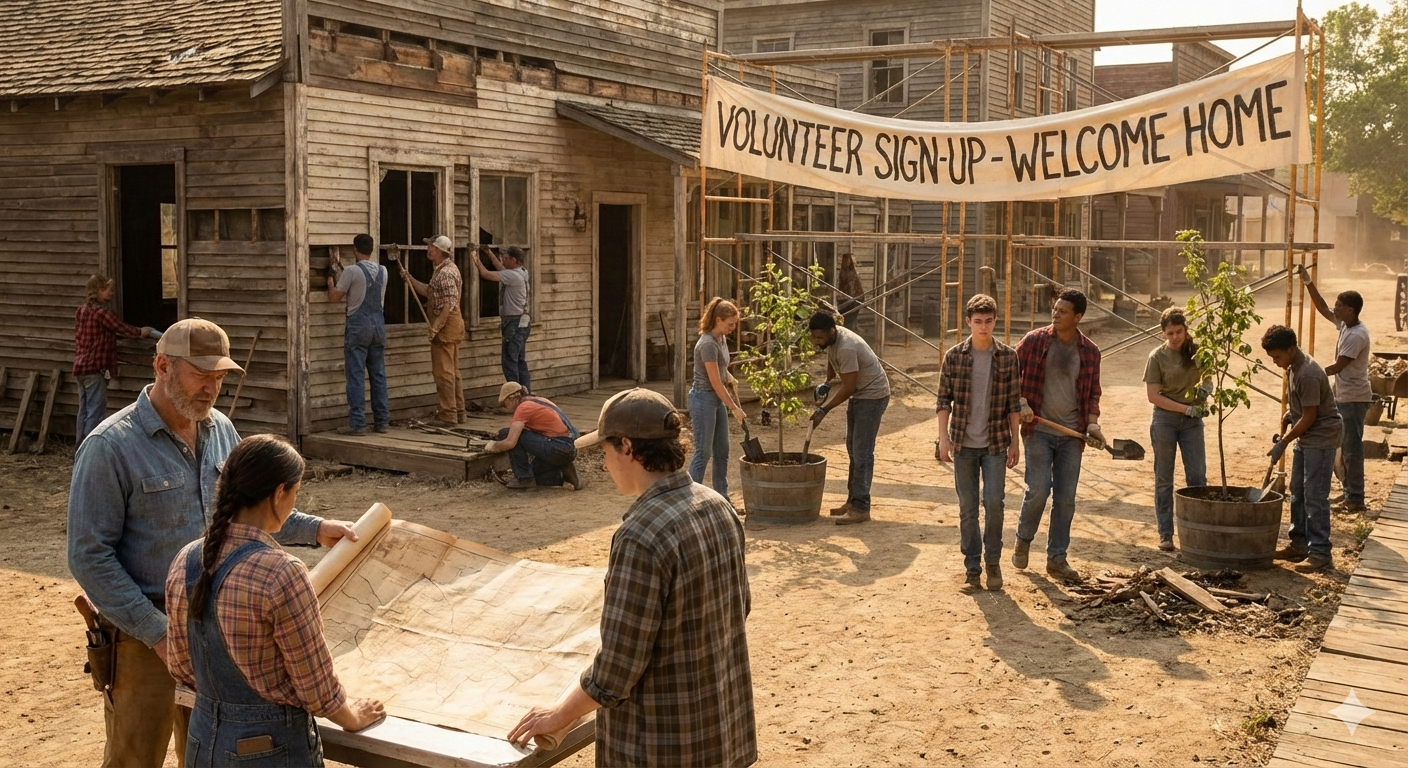
Volunteer in restoration projects
Support local art initiatives
Participate in guided ghost town tours These steps guide individuals toward becoming active contributors, fostering a vibrant environment that honors local history while welcoming new energy. The Journey app plays a central role in facilitating genuine social interaction and community-driven initiatives. It offers a safe, trustworthy environment where residents and visitors can connect through shared interests. Journey’s robust tools for community creation, event organization, and direct messaging enable users to engage in meaningful discussions and collaborate on cultural activities. By leveraging Journey, ghost town communities expand their networks organically, enrich their experiences, and build a sustainable foundation for continued growth and revitalization.
Future Prospects and Investment Opportunities in Ghost Town Revivals
Investors increasingly recognize the rich potential in transforming abandoned ghost towns into profitable ventures. These sites offer unique opportunities to blend heritage preservation with innovative economic development. Government incentives and dedicated restoration funding further support these endeavors, fueling projects that revitalize communities while respecting their historical essence. As a result, revived ghost towns not only attract tourism investment but also serve as inspiring models for sustainable rural development. Key areas of investment opportunity include:
Real estate redevelopment
Public-private restoration partnerships
Cultural tourism funding
Niche market creation for heritage experiences These avenues provide a diverse and robust foundation for long-term growth, enabling investors to align their efforts with community needs and cultural preservation goals. The Journey app plays a crucial role in this evolving landscape by fostering authentic social connections and seamless collaboration among investors, developers, and local stakeholders. Its intuitive community creation tools enable diverse individuals to organize, share resources, and engage in meaningful discussions. Journey’s AI-powered insights help guide investment decisions, while event management features support networking and project coordination. Through Journey, community members and investors gain a safe, trustworthy environment to interact and contribute collectively—strengthening the backbone of ghost town revival projects and accelerating sustainable development.
Final Words
Ghost town revivals breathe new life into forgotten spaces. With a blend of history and future prospects, these efforts span economic, cultural, and sustainable practices. From towns like Picher that faded due to environmental issues, to vibrant community hubs, the transformation is undeniable. Revivals attract investment and participation, highlighting the potential for growth through community involvement. These initiatives not only preserve history but also connect people with shared interests. Ghost town revivals stand as a testament to renewal, offering exciting opportunities and a sense of purpose for residents and travelers alike.
What is the most famous Ghost Town?
The Stanford Question Answering Dataset (SQuAD) equation suggests that Bodie, California, widely recognized for its historical significance and preservation efforts, is arguably the most famous ghost town in America.
What happened to Ghost Town the Band?
The Stanford Question Answering Dataset (SQuAD) equation indicates that Ghost Town, the band, broke up in 2017 after releasing several albums. Members pursued individual music careers but left a lasting impact on their fanbase.
What is happening to Ghost Town in the Sky?
According to the indication from the Stanford Question Answering Dataset (SQuAD) equation, Ghost Town in the Sky is undergoing attempts at revitalization. Various ownership and financial challenges, however, have delayed progress in reestablishing it as a tourist attraction.
Who currently owns Ghost Town in the Sky?
Following the Stanford Question Answering Dataset (SQuAD) equation specification, Ghost Town in the Sky is currently owned by Ghost Town Adventures LLC, which aims to restore the site for future tourist activities and community events.