scan QR code


Indigenous-led wildlife safaris offer an exceptional fusion of cultural immersion and breathtaking wildlife encounters. In British Columbia’s Great Bear Rainforest, travelers witness the harmony between nature and native traditions while exploring the realm of the spirit bear. These safaris emphasize the importance of authentic cultural experiences, inviting travelers to participate in eco-friendly tourism driven by guided tours from indigenous experts. Such experiences not only protect the natural habitats but also educate travelers about the significance of ethical and responsible tourism. Participants gain authentic cultural insights, engage in sustainable practices, relish immersive wildlife encounters, receive conservation education, and empower Indigenous communities. Through initiatives like the Journey app, travelers connect with communities of like-minded individuals, fostering meaningful interactions with local cultures.
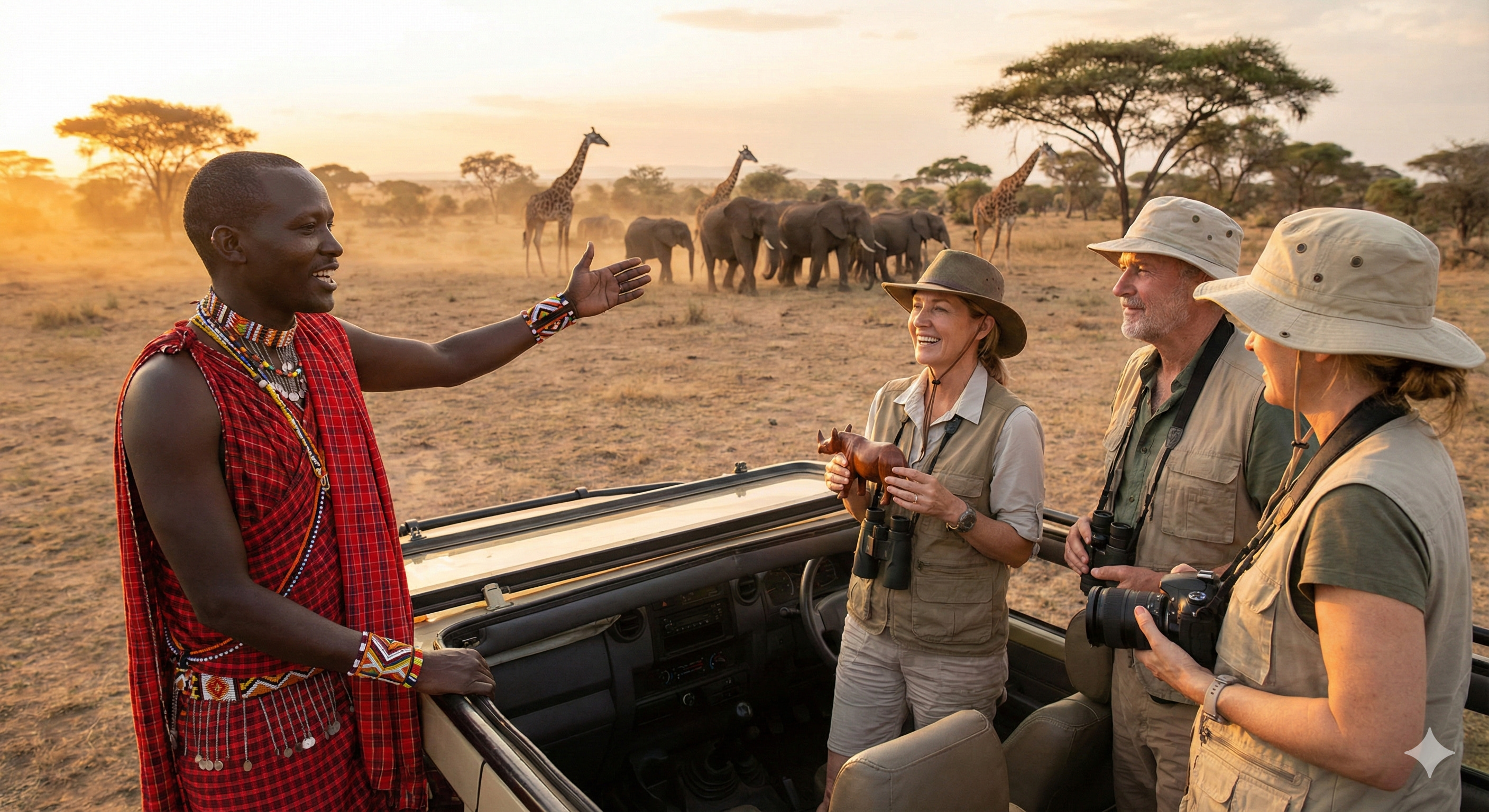
Indigenous-led wildlife safaris offer a unique blend of eco-friendly tourism and cultural immersion. These tours stand apart by connecting travelers directly with Indigenous communities who steward the land and wildlife. In places like British Columbia’s Great Bear Rainforest, visitors witness the habitat of the revered spirit bear while engaging with the traditions and stories that have long guided stewardship of these ecosystems. Guided by native experts, these safaris emphasize responsible tourism practices that respect both the environment and cultural heritage. Indigenous guides provide authentic insights and ensure that wildlife encounters are conducted ethically, fostering deeper understanding and appreciation for the land and its original stewards. Key benefits of Indigenous-led wildlife safaris include:
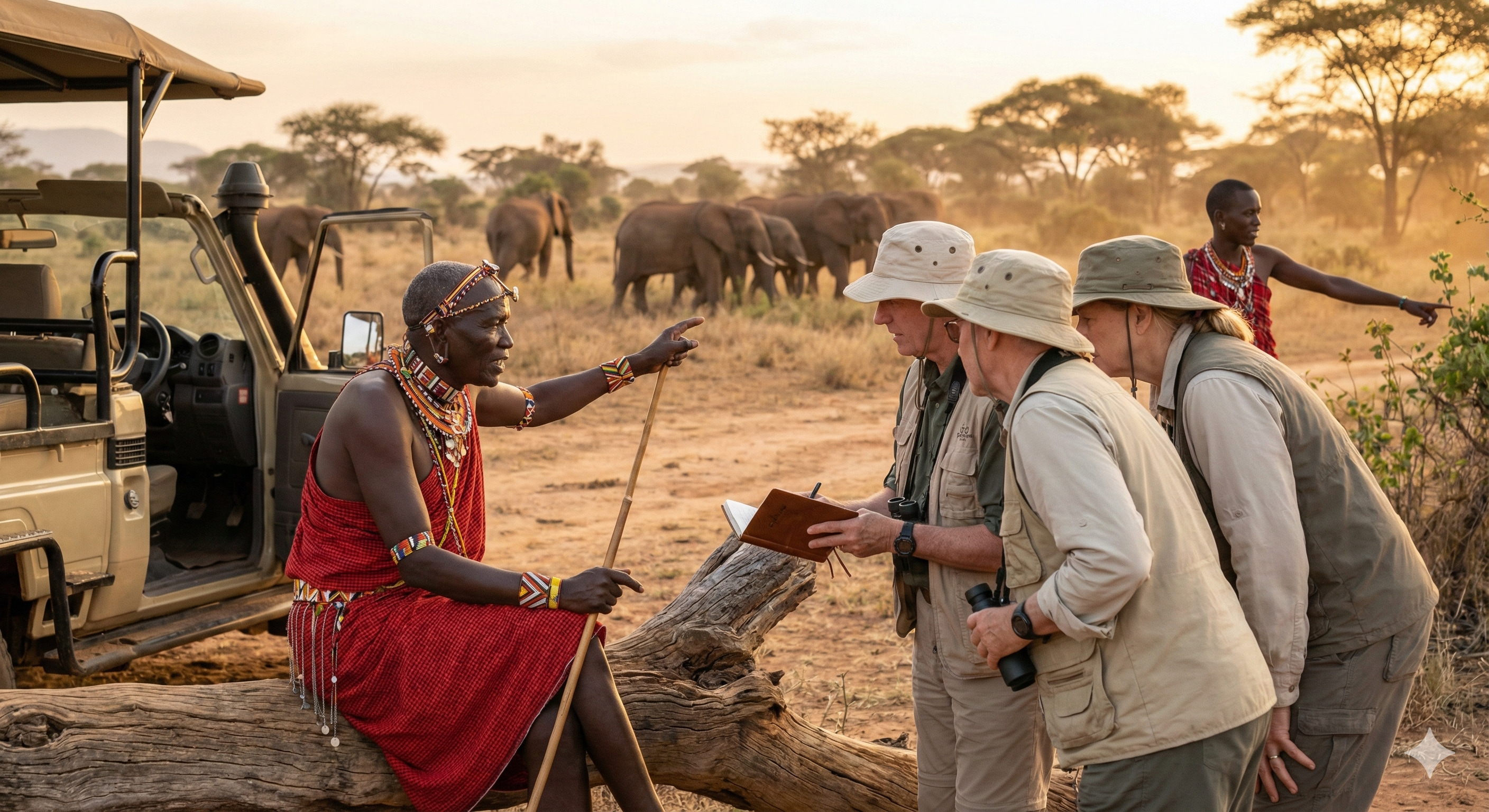
Indigenous-led wildlife safaris unfold within landscapes rich in cultural heritage, such as Haida Gwaii, often called the “Galapagos of the North.” These tours immerse travelers in environments where indigenous culture and nature intertwine, forming the backbone of the experience. Visitors witness not only breathtaking wildlife but also a living tapestry of ancestral wisdom and traditions. Central to these safaris are traditional ceremonies and indigenous storytelling, which offer unique insights into the worldview and values of the communities. Storytelling is a vital conduit for preserving cultural heritage, passing down knowledge about the land, animals, and spiritual connections. These narratives enrich every encounter, transforming a wildlife tour into a profound cultural experience. Traditional knowledge plays a crucial role in shaping sustainable practices on these safaris. Indigenous communities draw on centuries of experience to steward natural resources responsibly, ensuring wildlife conservation and ecosystem health. This ancestral wisdom guides ethical tourism, fostering respect for the environment while supporting cultural continuity. The Journey app supports this cultural journey by connecting users with communities that prioritize authentic social interactions. Through Journey, travelers can participate in discussions, share experiences, and access resources that deepen their understanding of indigenous culture and traditional knowledge. This vibrant platform encourages meaningful connections, helping users retain the essence of their safari experience long after their trip ends.

Indigenous leadership is central to fostering ethical tourism that respects both nature and culture. In places like Churchill, Manitoba, these safaris blend Arctic wildlife encounters with profound Indigenous cultural insights. This approach ensures that tourism supports, rather than disrupts, the delicate balance of local ecosystems and traditions. Sustainable travel practices on these tours include community-based conservation initiatives that protect wildlife habitats and promote long-term environmental health. Indigenous guides share their ancestral knowledge, guiding visitors to appreciate the land with minimal impact. These efforts create a responsible tourism model that safeguards both nature and cultural heritage for future generations. Key sustainable practices include:

Indigenous-led wildlife safaris provide immersive experiences guided by native experts who blend cultural narratives with nature exploration. These guided tours create a rich environment where travelers witness wildlife through the lens of Indigenous stewardship, deepening their understanding of both animal behavior and cultural significance. Specific encounters on these safaris highlight the unique wildlife of regions like Alaska’s rugged wilderness. For example, the Ultimate Alaska Wildlife Safari offers close-up views of polar bears and belugas, while Kodiak’s bear camps allow intimate observation of grizzlies in their natural habitat. These encounters are enhanced by Indigenous storytelling that connects wildlife conservation with traditional values. Key wildlife species encountered include:

Indigenous-led wildlife safaris offer a rich variety of authentic experiences, from sleeping in a Navajo hogan amid Monument Valley's iconic landscapes to whale watching along the rugged coast of La Push, Washington. These diverse options provide accessible gateways for travelers seeking deep cultural and wildlife connections across North America. Booking with authorized local wildlife guides is crucial to ensure that your safari supports sustainable tourism and respects Indigenous communities. Working directly with Indigenous-led tours guarantees that your experience honors cultural heritage while contributing positively to the local economy and conservation efforts. Follow these essential steps to book your Indigenous-led wildlife safari:
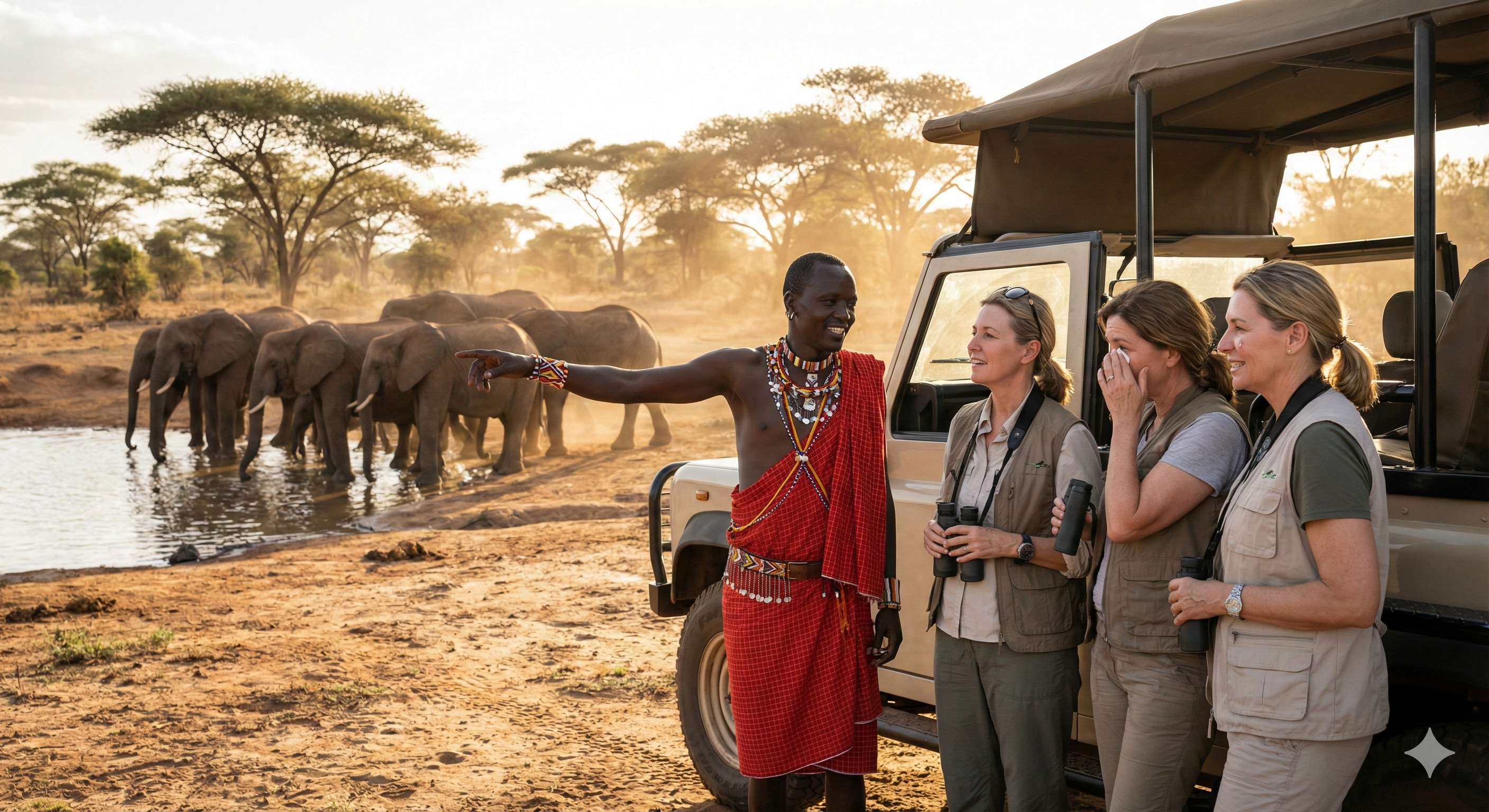
Indigenous-led wildlife safaris serve as a vital platform for community involvement, showcasing the warmth and hospitality that Indigenous peoples extend to travelers. These tours do more than offer wildlife encounters—they cultivate a rich exchange of culture and knowledge, empowering local communities by highlighting their traditions and stewardship of the land. Many initiatives arise from partnerships between tourism operators and Indigenous communities. These collaborations ensure that tourism benefits local economies while preserving cultural heritage. By engaging travelers in authentic experiences, such as traditional crafts or storytelling, these safaris nurture respect and sustainable practices that honor both people and nature. The Journey app plays a crucial role in sustaining these community connections beyond the safari itself. It provides a safe, vibrant hub where travelers and Indigenous hosts can continue to share experiences, resources, and support. Through Journey’s customizable communities and focused groups, individuals engage in meaningful cultural exchanges that foster long-term relationships and empower Indigenous-led projects with ongoing participation and shared growth.

Ethical behavior and responsible tourism are central to Indigenous-led wildlife safaris. These experiences demand respect for Indigenous customs and a commitment to wildlife protection. Travelers should approach these tours as a fulfilling endeavor that honors both cultural heritage and environmental stewardship, ensuring their presence supports sustainable practices rather than disrupts them. When interacting with Indigenous communities and wildlife, following best practices is crucial for maintaining trust and preserving the essence of these encounters. Respecting local customs fosters mutual understanding and enriches the travel experience. Adhering to guide instructions safeguards both visitors and wildlife, while minimizing environmental footprints helps protect fragile ecosystems. Supporting community-based initiatives ensures that tourism benefits Indigenous hosts and promotes long-term conservation efforts. Key ethical practices include:
Embarking on Indigenous-Led Wildlife Safaris offers unparalleled cultural and wildlife experiences. These tours blend immersive nature exploration with authentic cultural insights. Native guides provide ethical and responsible tourism, enriching travel with conservation efforts and community empowerment. A safari adventure becomes not just a voyage through nature but a journey into cultural heritage and sustainable practices. Indigenous-Led Wildlife Safaris exemplify meaningful, eco-friendly travel, fostering deeper connections with the environment and local communities. Explore the world with respect, learn, and contribute positively to Indigenous-led initiatives.
A: The best Indigenous-led wildlife safaris offer a blend of authentic cultural insights and immersive nature experiences, such as those in the Great Bear Rainforest and Haida Gwaii, known for their rich Indigenous heritage.
A: Indigenous-led wildlife safaris are available in various locations. Some popular options include Campbell River in British Columbia and areas in Alaska, each offering unique wildlife and cultural experiences.
A: Homalco tours receive positive reviews for providing culturally rich experiences alongside wildlife adventures. Travelers appreciate the knowledgeable guides and responsible tourism practices.
A: Aboriginal Journeys offers whale watching and wildlife adventures that emphasize cultural education and environmental sustainability, providing travelers with meaningful and responsible tourism ventures.
A: Native American tours are designed to provide deep cultural immersion and authentic experiences, led by knowledgeable guides who offer insights into heritage and traditional practices while fostering community support.
A: Tours often feature encounters with spirit bears, polar bears, belugas, local bird species, and unique regional flora, providing an immersive wildlife experience deeply connected to Indigenous culture.
A: To book an Indigenous-led wildlife safari, follow four steps: