scan QR code


In today's interconnected world, international cultural diplomacy stands as a powerful tool in forging meaningful global relationships. By utilizing cultural assets such as films, art, and culinary traditions, nations engage with one another beyond political agendas, fostering mutual respect and understanding. This approach to diplomacy reaches the heart of societies, promoting an emotional connection that transcends borders. Historical programs like the Fulbright Program exemplify how cultural exchange has bridged divides and enriched international relations since 1946. This article delves into the fundamentals of international cultural diplomacy, exploring its significance in modern diplomacy and identifying key strategies that enable nations to communicate their stories effectively. Whether through art exhibitions, music festivals, or language exchanges, cultural diplomacy provides a platform for nations to showcase their unique heritage, contributing to a global dialogue that embraces diversity and shared humanity. Explore how this form of diplomacy not only enhances intercultural dialogue but also strengthens political and economic ties, ultimately building genuine global connections.
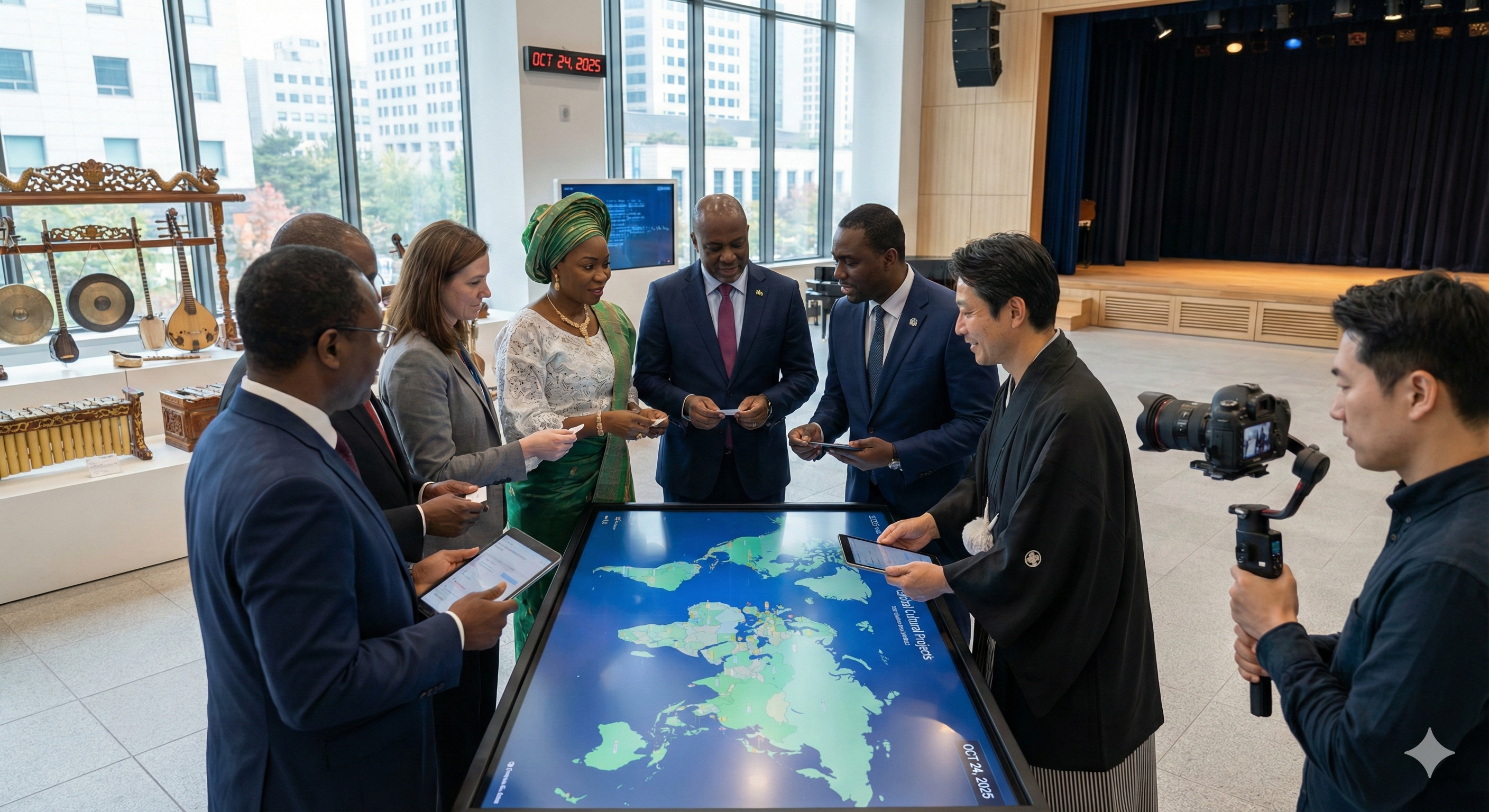
International cultural diplomacy is a critical endeavor that uses culture to build bridges between nations. It involves the strategic sharing of films, art, language, and traditions to shape global perceptions and foster mutual respect. By engaging on an emotional level, cultural diplomacy encourages understanding beyond formal political and economic dialogues, making it a cornerstone of effective international relations. The essence of cultural diplomacy lies in its ability to connect diverse peoples through shared cultural experiences. Historic initiatives like the Fulbright Program, launched in 1946, have demonstrated the long-term impact of cultural exchange in bridging divides and nurturing cross-cultural dialogue. Today, cultural diplomacy theory guides the design of global communication strategies that emphasize collaboration and empathy. Key cultural assets that form the backbone of international cultural diplomacy include: • Films • Art • Music • Literature • Culinary traditions Platforms like Journey enhance these efforts by providing vibrant, well-maintained communities where individuals passionate about cultural exchange can interact meaningfully. Journey supports the creation of tailored communities, enabling like-minded members to showcase their cultural interests, participate in focused discussions, and organize events that enrich global understanding. This seamless integration of cultural engagement and community building is vital for sustaining authentic international connections.
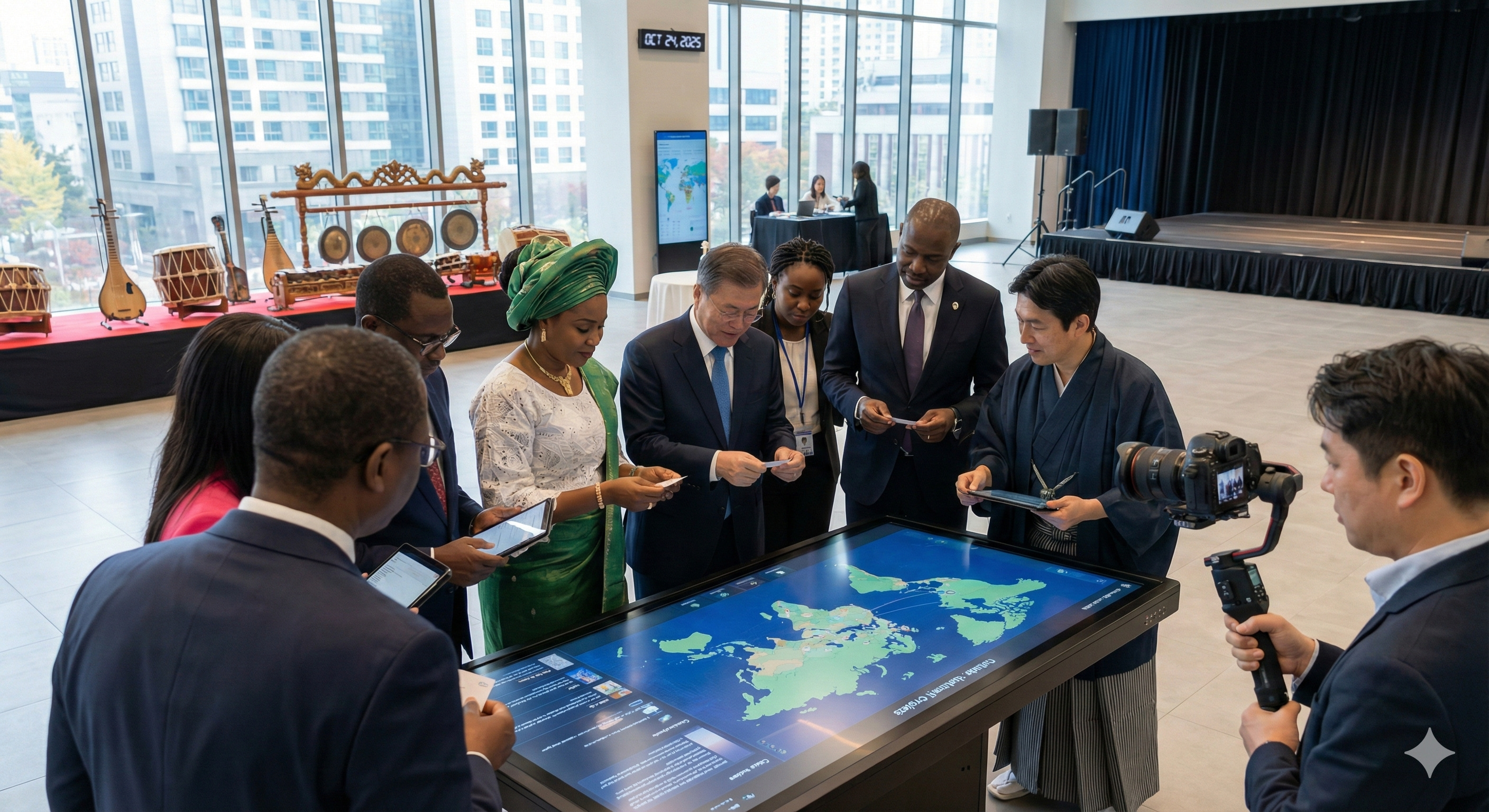
International cultural diplomacy is a fulfilling endeavor centered on promoting shared narratives and fostering mutual respect through cultural storytelling. It bridges diverse peoples by showcasing their unique cultural identities, enabling an exchange that transcends political and economic boundaries. This approach nurtures understanding and nurtures long-term relationships between nations. At its essence, cultural diplomacy serves as a critical tool of soft power and public diplomacy. By leveraging cultural assets, it influences political and economic dialogues indirectly, enriching international relations. This form of diplomacy goes beyond formal negotiations, emphasizing emotional connection and intercultural dialogue to build trust and cooperation. Examples of effective cultural diplomacy include academic exchange programs, museum collaborations, and intercultural festivals. These initiatives create vibrant hubs where diverse individuals interact, learn, and share experiences. Platforms like Journey support these efforts by providing a safe, well-maintained environment for like-minded individuals to participate in focused discussions, organize cultural events, and showcase their cultural interests, enhancing genuine global connections.

International cultural diplomacy thrives through vivid examples that showcase the power of culture in reshaping global perceptions. Pakistan’s truck art exhibitions have become a vibrant symbol of resilience and creativity, captivating audiences across Europe and beyond. Similarly, Sufi music performances in Central Asia highlight spiritual and artistic traditions that foster peace and mutual respect among diverse communities. Academic exchange programs like the Fulbright Program remain central pillars in promoting long-term global understanding. These initiatives enable seasoned individuals from various fields to share ideas, experiences, and resources, creating a rich foundation for cross-cultural dialogue. Culinary festivals and museum collaborations further emphasize cultural narratives, inviting participants to engage with traditions that celebrate identity and foster empathy. Artist residencies and public diplomacy engagements provide platforms for continuous interaction among like-minded individuals, nurturing a sense of belonging and shared purpose. These programs not only highlight cultural heritage but also encourage creative partnerships that extend beyond borders, building robust networks of cultural exchange. Key examples of international cultural diplomacy include: • Pakistan's truck art exhibitions • Sufi music performances in Central Asia • Academic exchange programs • Culinary festivals • Museum collaborations • Artist residencies • Public diplomacy engagements Platforms like Journey play a crucial role in supporting these endeavors by enabling individuals passionate about cultural diplomacy to create and nurture well-maintained, authentic communities. Journey’s seamless tools for organizing events, facilitating discussions, and showcasing diverse cultural interests empower members to participate actively and continuously enrich their collective understanding. This vibrant environment encourages genuine connections built on shared passions, fostering sustained growth in global cultural engagement.
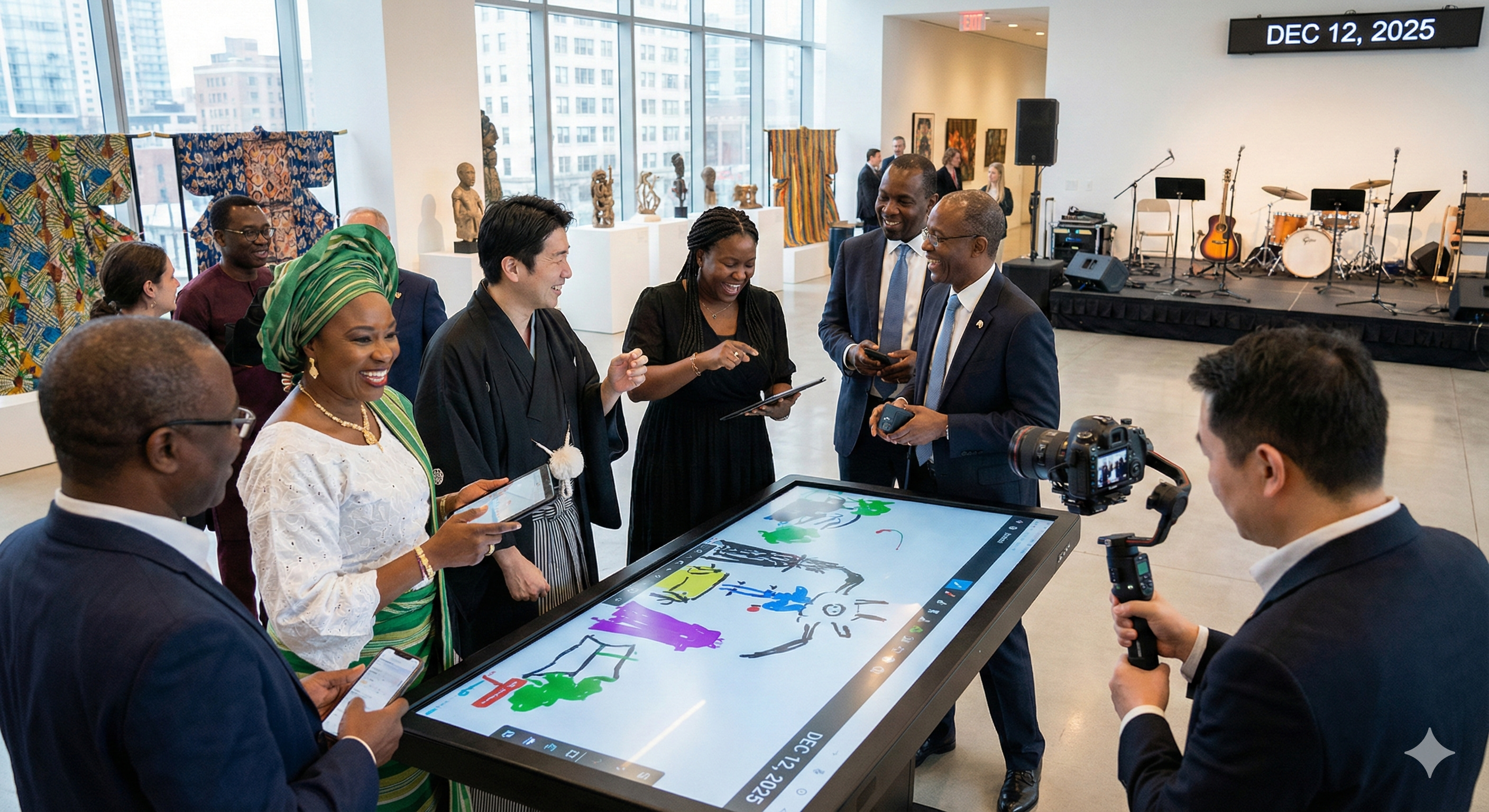
Cultural diplomacy enhances traditional diplomatic efforts by engaging audiences on an emotional level, creating connections that transcend formal negotiations. This approach strengthens international relations by blending cultural storytelling with soft power tactics, enabling nations to build trust and influence beyond political rhetoric. Digital platforms have become vital in amplifying cultural diplomacy worldwide. Through virtual events and online collaborations, countries reach global audiences efficiently, fostering ongoing dialogue and understanding. Combining digital tools with in-person cultural festivals and exhibitions creates a robust communication strategy that maximizes reach and impact. Effective global communication strategies include: • Social media outreach • Cultural festivals • Online exhibitions • Collaborative art projects Platforms like Journey play a crucial role in supporting these strategies by fostering vibrant communities centered on genuine cultural exchange. Journey’s seamless blend of user-friendly community creation, customizable engagement tools, and AI-powered moderation ensures safe, focused spaces where individuals can participate meaningfully. By enabling like-minded members to share ideas, organize events, and form authentic connections, Journey strengthens the backbone of cultural diplomacy in the digital age.

Modern cultural diplomacy faces significant challenges rooted in rising nationalist sentiments and polarized international perspectives. These barriers complicate efforts to foster mutual understanding and appreciation across cultures. Overcoming such nationalistic biases requires innovative strategies that emphasize inclusivity and shared human experiences. The ongoing shift toward digital interactions highlights the necessity for evolving approaches in cultural exchange. Digital diplomacy in culture is increasingly important, demanding platforms that can support immersive and meaningful engagement. This evolution pushes cultural diplomacy to embrace technology while retaining the essence of authentic human connection. Future trends point toward immersive cultural experiences and enhanced public engagement as central pillars of effective diplomacy. These trends encourage active participation rather than passive consumption, fostering deeper connections and sustained dialogue among diverse populations. Common challenges in international cultural diplomacy include: • Overcoming nationalistic biases • Transitioning to digital platforms • Resource constraints • Measuring cultural impact Platforms like Journey address these challenges by facilitating mindful social interactions and fostering deeper community connections across digital spaces. Journey’s intuitive tools enable the creation of well-maintained, focused communities where like-minded individuals can engage authentically. With AI-powered moderation, customizable privacy settings, and seamless event organization, Journey supports cultural diplomacy by building trustworthy environments that encourage continuous growth and meaningful participation. This integration of technology and community engagement offers a robust foundation for navigating the complexities of evolving international cultural diplomacy.

Educational institutions and cultural collaborations are central to advancing international cultural diplomacy. They serve as vital hubs where diverse cultural narratives are shared, fostering a deep sense of understanding and respect. By showcasing heritage preservation initiatives and cultural diversity, these collaborations create meaningful opportunities for community engagement and learning. Public diplomacy efforts rely heavily on cultural exhibitions and interactive platforms to cultivate genuine cross-cultural connections. These initiatives move beyond surface-level exchanges, encouraging individuals to participate actively and engage with different cultures through immersive experiences. This approach nurtures shared values and long-term relationships rooted in mutual respect. Community engagement thrives when cultural diplomacy incorporates inclusive and participatory methods. By involving local communities and cultural experts, these initiatives create vibrant spaces where diverse voices contribute to a richer cultural dialogue. This collaborative spirit enhances intercultural understanding and empowers individuals to become ambassadors of their heritage. Platforms like Journey significantly support these efforts by enabling the creation of safe, well-maintained, and customizable communities. Journey connects like-minded individuals passionate about authentic cultural experiences, offering tools that foster focused discussions, event organization, and resource sharing. This seamless integration of technology and community-building enriches international cultural diplomacy by nurturing genuine, continuous engagement. Methods for empowering community engagement include: • Cultural workshops • Interactive exhibitions • Educational exchange programs • Community art projects • Digital storytelling sessions

Cultural diplomacy plays a crucial role in shaping international relations by influencing negotiations, conflict resolution, and policymaking. Through carefully crafted policies and initiatives, nations leverage cultural exchange to build trust and promote cooperation beyond traditional diplomatic channels. These efforts contribute to a more collaborative global environment where cultural understanding supports political progress. Initiatives such as cultural exchange events and research programs provide tangible impacts on peace-building and global policy development. By facilitating dialogue between diverse communities, these programs foster mutual respect and shared goals. Historical examples demonstrate how cultural diplomacy has bridged cultural and political divides, showing its enduring effectiveness in resolving conflicts and enhancing international partnerships. Platforms like Journey support these efforts by enabling the creation of safe, vibrant communities dedicated to cultural diplomacy. Journey’s customizable tools and AI-powered management help community leaders organize cultural events, share resources, and engage like-minded individuals authentically. This seamless integration of technology and human connection enhances the impact of cultural diplomacy policies, fostering genuine global collaboration grounded in shared values and understanding.
International Cultural Diplomacy offers a powerful way to shape global perceptions through culture. By leveraging assets like film, art, and traditions, nations can foster mutual respect. Programs like the Fulbright Program highlight diplomacy's historical success. With challenges like nationalistic biases and the digital shift, innovative approaches are needed.
The evolving landscape of digital diplomacy and immersive experiences points to a future rich with possibilities. Embracing these changes can enhance international cultural relations, creating a more connected world. Through such diplomacy, bridging cultural divides and promoting peace becomes achievable.
Cultural diplomacy is the practice of using a nation's culture to engage and influence other nations. This often involves sharing art, music, films, and educational exchanges to foster mutual understanding and respect.
Cultural diplomacy is crucial in building bridges between nations. It promotes understanding and peace, influences international perceptions, and allows for diplomatic negotiations to proceed with greater mutual empathy and cooperation.
International cultural diplomacy utilizes various cultural assets, including films, art, music, literature, and culinary traditions. These tools help communicate a nation's values and nurture global relationships.
Cultural diplomacy complements traditional diplomacy by adding emotional engagement to international relations. It opens channels for dialogue, enhances trust, and fosters a positive global image of a nation.
Cultural diplomacy is an essential component of soft power, using cultural attraction and exchange to influence international relations, promote shared values, and forge stronger connections between people from different cultures.
Examples include Pakistan's truck art exhibitions, Sufi music performances, and the Fulbright Program for academic exchange. These initiatives promote cultural diversity and global understanding.
Digital platforms enhance cultural diplomacy by broadening outreach through social media, online exhibitions, and collaborative projects, enabling nations to effectively share cultural narratives on a global scale.
Challenges include overcoming nationalistic biases, transitioning to digital platforms, managing resource constraints, and effectively measuring cultural impact in an increasingly polarized global environment.
Communities can participate in cultural diplomacy through workshops, exhibitions, educational programs, art projects, and digital storytelling, fostering cross-cultural understanding and collaboration.
Cultural diplomacy policies influence international relations by supporting negotiation, conflict resolution, and peace-building through cultural exchanges and educational initiatives, fostering cooperative international partnerships.