scan QR code


Middle East trade relations have long played a significant role in shaping global economic landscapes. This article will explore the historical, geopolitical, and economic dimensions that have defined Middle Eastern trade dynamics over the years. From early diplomatic connections and the establishment of key trade agreements, to modern-day challenges and strategic partnerships, understanding these elements provides valuable insights into how Middle Eastern countries navigate the complexities of international trade. Discover how these evolving relationships contribute not only to economic growth but also to the building of genuine global communities. Whether you're a policymaker, industry expert, or simply intrigued by international trade, delve into the intricate tapestry that is Middle East trade relations.
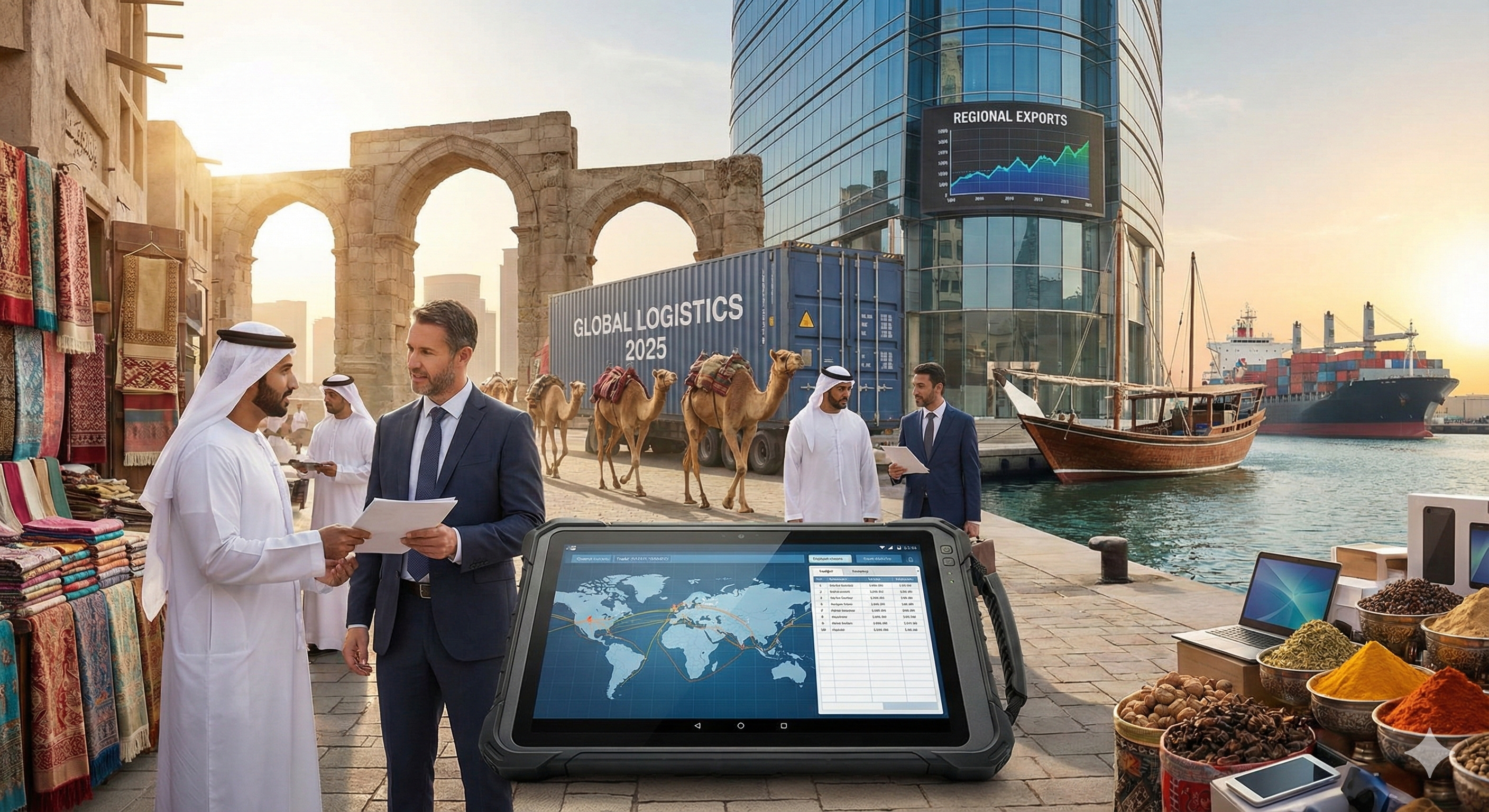
Middle East trade relations have evolved through a complex interplay of regional dynamics and international influences. Prior to the mid-1900s, trade in the Middle East largely revolved around traditional regional hubs that connected Asia, Africa, and Europe. These hubs facilitated bilateral trade, fostering economic exchanges based on shared interests and geographical proximity. However, the region's engagement in international trade expanded significantly with the increasing involvement of global powers during and after World War II. The United States initially maintained limited trade policy engagement in the Middle East but shifted toward a more active role during the Cold War. This phase marked significant policy shifts in the 1960s and 1970s, where bilateral trade agreements and diplomatic ties were strengthened to secure strategic and economic interests. These developments laid the groundwork for the complex trade networks and policies that define the region today.

The Middle East’s economic landscape is shaped significantly by a variety of trade agreements and strategic partnerships. The Gulf Cooperation Council (GCC) plays a pivotal role as a regional hub, balancing relationships between global powers like the United States and China. These bodies implement trade policies designed to optimize export-import dynamics while safeguarding regional economic interests. Recent U.S. tariff announcements, notably impacting countries such as Jordan—where over 25% of exports are destined for the U.S.—underscore the importance of robust trade agreements that can absorb external shocks and maintain steady economic cooperation. Trade agreements in the Middle East often involve complex tariff structures and quota systems that influence how goods move across borders. These frameworks affect export-import flows by encouraging diversification and opening markets to new partners. Economic partnerships extend beyond traditional commodities, fostering development in sectors like manufacturing, technology, and renewable energy. Such diversification is crucial for the long-term resilience of Middle Eastern economies amid evolving global trade challenges. Strategically, these alliances serve as the backbone for sustained economic cooperation in the region. By leveraging trade agreements, Middle Eastern countries can align with international standards and practices, enhancing their competitiveness. The collaborative nature of these partnerships enables the region to attract foreign investment and foster economic growth. Communities of trade professionals and policy enthusiasts benefit greatly from platforms like Journey, which supports the creation and maintenance of authentic, focused spaces to share timely updates, discuss trade policies, and build meaningful connections that fuel mutual growth.

Trade relations in the Middle East face ongoing challenges shaped by complex geopolitical tensions and international trade dynamics. The indirect effects of U.S. tariffs, such as the 10% tariff imposed on Gulf states starting April 2, 2025, have introduced turbulence that tests regional stability. These trade barriers come alongside growing trade disputes between global powers like the United States and China, which create ripple effects that reach Middle Eastern economies. The region must continuously adapt its trade policies to maintain economic resilience amid these pressures. Notably, on April 3, 2025, OPEC+ responded to falling oil prices by increasing production ceilings by 411,000 barrels per day, signaling the region’s proactive stance in stabilizing global energy markets. Such responses underscore the Middle East’s critical role in international trade flows and energy supply chains, even as geopolitical tensions challenge established trade frameworks.
OPEC+ demonstrated adaptive trade strategies by swiftly increasing oil production ceilings in response to price drops. This calculated move aimed to restore supply-demand balance and protect member economies reliant on energy exports. The coordinated production increase of 411,000 barrels per day on April 3, 2025, with plans for further increments, illustrates the region’s proactive engagement in shaping global energy markets. Such actions are vital for sustaining economic stability and preserving the Middle East’s position as a central hub in international trade. Journey’s platform enriches discussions on these strategies by providing trade professionals with robust tools to organize focused conversations, share timely updates, and build meaningful networks. This environment encourages continuous learning and collaboration, enabling members to anticipate market shifts and develop effective trade policies that align with evolving geopolitical realities.
.png)
The imposition of US tariffs announced on April 2, 2025, introduced significant ripple effects across Middle Eastern economies. These trade tariffs, part of a broader strategy to address trade imbalances, affected various sectors by increasing costs and creating uncertainty. While the Gulf states, along with Egypt, Morocco, and Lebanon, faced a standard 10% tariff rate, the broader implications extended beyond immediate price shifts, influencing foreign direct investment and trade deficits in the region. The direct impacts of these tariffs manifested in several ways. Foreign direct investment saw cautious adjustments as investors reevaluated risk amid the changing trade landscape. Trade deficits in some Middle Eastern countries widened due to shifting export strategies and increased trade barriers. However, US self-sufficiency in shale oil production limited the demand for Middle Eastern energy exports, a factor that softened the blow but also underscored the need for economic diversification in the region. Long-term implications of these trade barriers suggest a critical period of adaptation and strategic realignment. Middle Eastern economies are encouraged to leverage their diverse strengths and explore new partnerships to offset the challenges posed by tariffs and trade restrictions. Communities of trade professionals and policymakers benefit from platforms like Journey, which provide a safe and trustworthy environment to share resources, engage in focused discussions, and develop robust strategies to navigate these evolving trade dynamics.
Journey's platform supports leaders and stakeholders in Middle East trade by enabling vibrant communities where members can organize discussions, share timely updates, and access granular insights. Its integrated tools foster continuous learning and authentic interaction, helping members retain trust and credibility while collaboratively crafting effective responses to global trade barriers. This rich ecosystem nurtures growth and resilience, empowering individuals and organizations to thrive amidst complex international trade challenges.
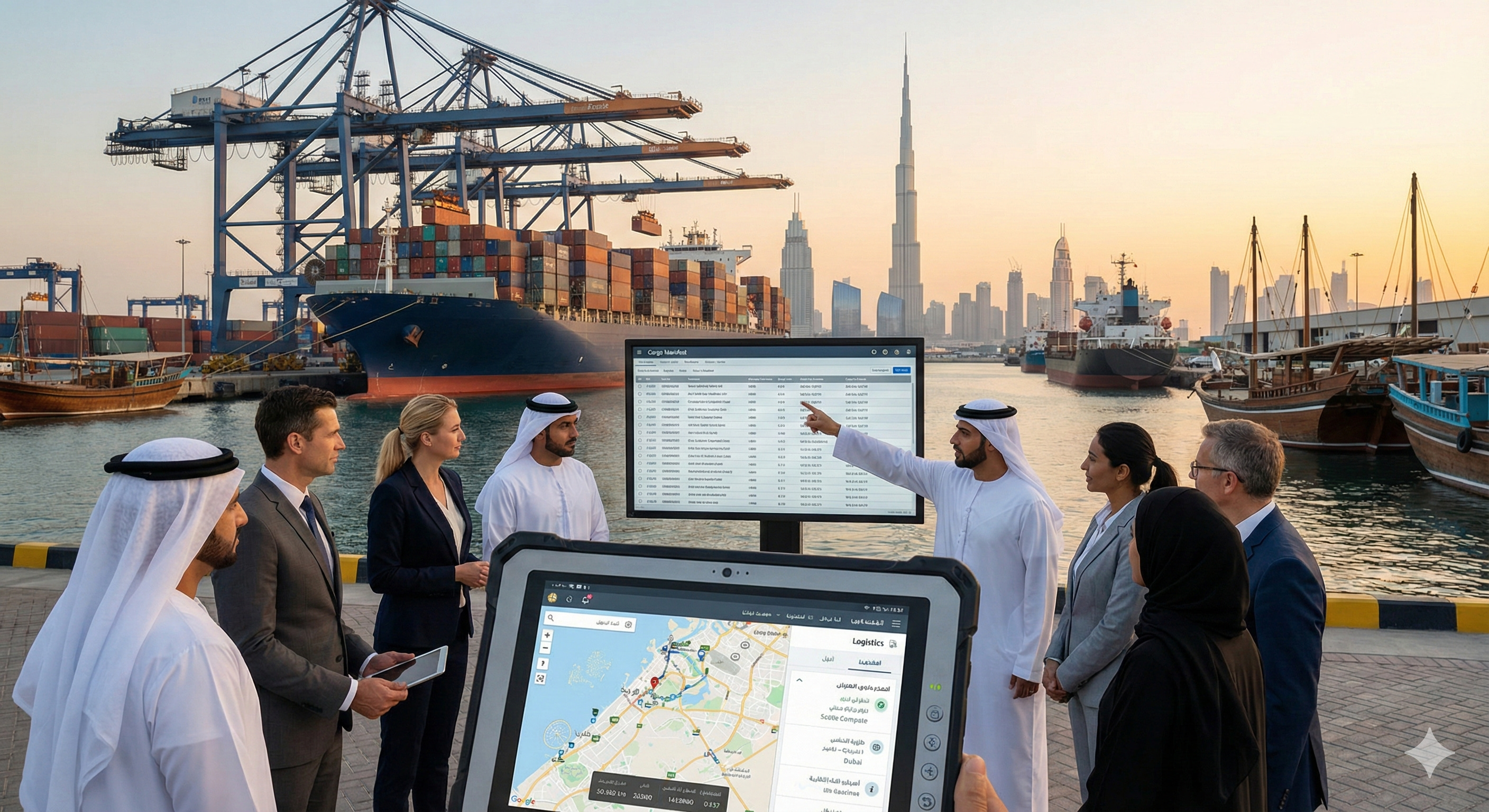
The Middle East is poised to experience transformative economic growth through strategic trade innovation and diversification. Emerging markets within the region are expanding beyond traditional energy exports, embracing new industries shaped by digital trade policies and international technical standards highlighted by the International Institute for Sustainable Development (IISD). These sustainable trade trends align with global shifts toward greener economies, a movement further underscored by upcoming international events such as COP30, which focuses on climate discussions and sustainable growth. This evolving landscape offers the Middle East a unique opportunity to redefine its economic role on the global stage by leveraging its strategic location as a trade hub and embracing forward-looking trade strategies. Countries in the region are encouraged to implement long-term trade strategies that cater to diversification and resilience. By strengthening regional cooperation and investing in renewable energy exports, Middle Eastern economies can tap into new investment opportunities and reduce vulnerabilities associated with fluctuating oil prices. Digital trade innovations also play a crucial role, enabling smoother cross-border commerce and fostering economic partnerships that extend beyond traditional sectors. The ability to adapt and innovate will be central to sustaining economic growth and capturing emerging market potential.
Middle East Trade Relations have a rich history influenced by key events and policy shifts, establishing a foundation for today's trade dynamics. Current agreements and partnerships shape the region's economic landscape. Geopolitical tensions and global trade barriers present challenges that are navigated with strategic alliances and adaptive strategies. The future outlook for Middle East Trade Relations is promising, with opportunities in trade diversification and innovation. As trade continues to evolve, the importance of community and collaboration is highlighted, fostering growth and stability in a rapidly changing world.
Middle East trade relations with Saudi Arabia focus on economic collaboration in energy, finance, and infrastructure. Saudi Arabia plays a pivotal role in regional trade dynamics, building partnerships that foster economic growth and stability.
MENA, or Middle East and North Africa, includes approximately 19 countries like Saudi Arabia, Egypt, and the United Arab Emirates. This diverse region plays a significant role in global trade and economic dialogues.
The United States is one of Israel's largest trade partners, followed by the European Union. These strong economic ties enhance mutual interests and foster diplomatic relations.
The Middle East trades extensively with global powers such as the United States, China, and the European Union. These partnerships significantly impact regional economies and trade policies.
Saudi Arabia boasts the strongest economy in the Middle East, driven by its oil wealth, industrial growth, and strategic trade alliances that shape regional economic stability.
Yes, the U.S. engages in substantial trade with the Middle East, focusing on energy imports, defense goods, and bilateral agreements that drive mutual economic interests and strengthen diplomatic ties.
Key trade agreements in the Middle East include pacts from the Gulf Cooperation Council, free trade zones, bilateral and multilateral treaties, all enhancing regional economic integration and global partnerships.
Global tariffs, such as U.S. import duties, disrupt Middle Eastern economies, affecting trade balances, foreign investment flows, and necessitating shifts in export strategies and economic policies to adapt to changes.
Middle East trade growth opportunities lie in trade diversification, embracing digital innovations, expanding into renewable energy sectors, and strengthening regional cooperation to sustain economic advancement.