scan QR code


Neighborhood dramas aren't just the stuff of TV shows. Thanks to the Nextdoor app, one neighborhood found itself in the throes of real-life tension and transformation. It all began with a single post highlighting common disputes—from parking violations and pet waste to property line disagreements and unauthorized use of communal spaces. What followed was a fiery exchange of comments and reactions that spread like wildfire throughout the community forum. As these issues gained traction, they revealed just how quickly local conflicts could escalate in the digital age. The neighborhood found itself in a web of debates, each more contentious than the last. Observers noted a palpable shift: virtual arguments began to redefine longstanding residential dynamics, with some relationships frayed while others found unexpected collaborative solutions.
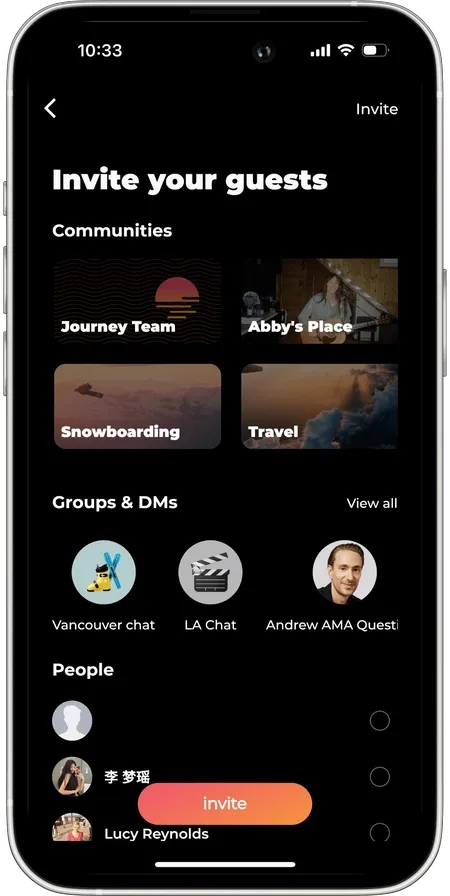
Amidst this digital turmoil, some residents turned their attention to platforms designed for fostering genuine community bonds. The Journey app emerged as a beacon of constructive engagement, offering a supportive alternative for neighbors eager to build real connections and address disputes in a healthier manner. As the dust began to settle, it became clear that while conflicts might start online, their resolution—and the path to revitalized neighborhood dynamics—can also be shaped with the right tools for community collaboration.
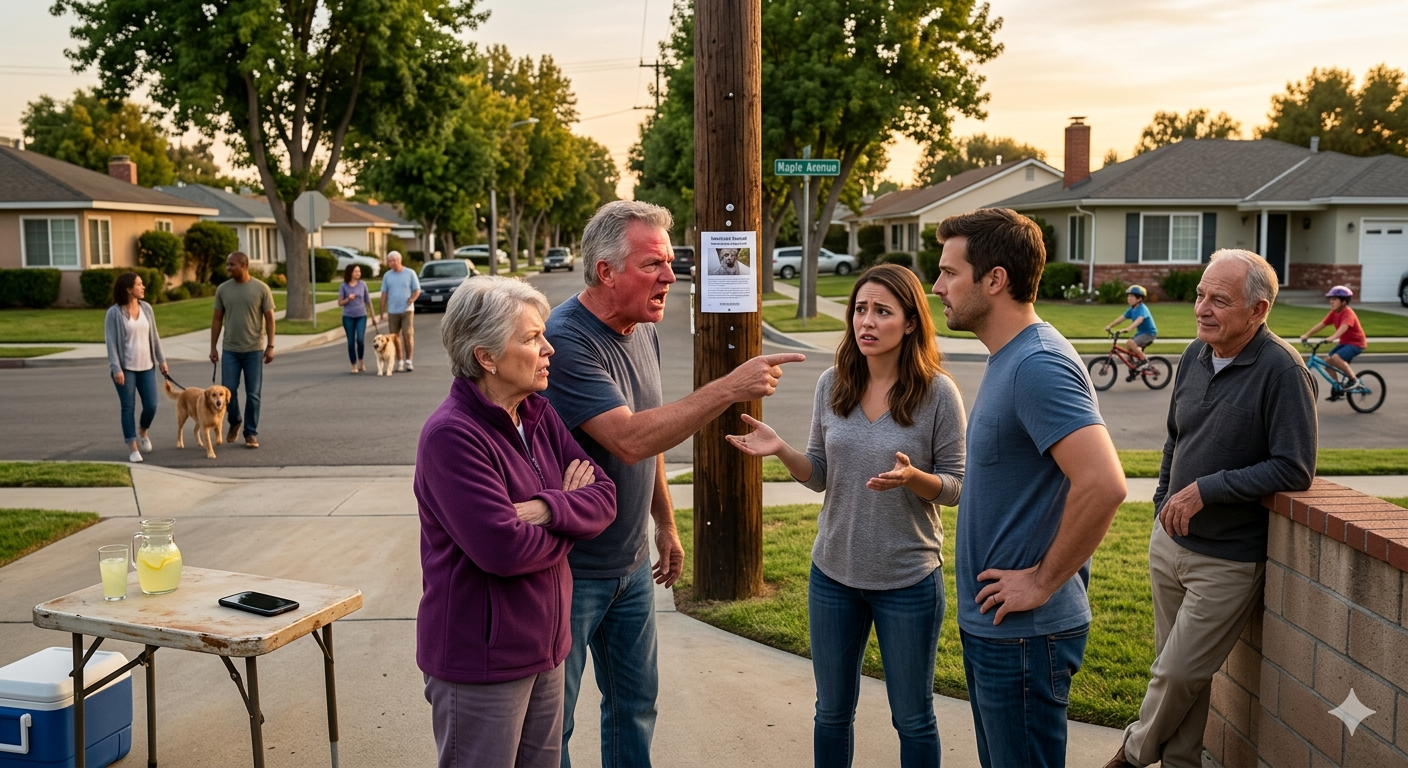
A recent incident on Nextdoor ignited a wave of neighborhood drama that quickly captured the attention of residents across multiple cities. What began as a simple complaint about parking soon escalated into heated debates exposing deeper community tensions. This initial spark revealed underlying frustrations that many neighbors shared but had not openly expressed before. Key disputes that fueled the drama included:
<<>>
Nextdoor app drama has repeatedly surfaced conflicts over shared resources, such as disputes involving unauthorized garden use and disagreements about maintenance costs. These digital clashes have significantly altered long-standing residential relationships, revealing underlying tensions that were often unspoken. The widespread airing of grievances and contentious comments has, in many cases, eroded trust among neighbors, making collaboration more difficult. Yet, these conflicts have also prompted some residents to reevaluate boundaries and communication habits, pushing communities to confront issues that might otherwise have remained buried. The ripple effects of this digital drama have reshaped neighborhood dynamics in several key ways:
.png)
A recent Nextdoor conflict involved neighbors accusing each other of vandalism and property damage, escalating tensions and dividing the community. One resident shared how a wrongly attributed accusation led to months of mistrust and disrupted neighborly interactions. Such disputes highlight how quickly digital forums can strain residential relationships when emotions run high and communication breaks down. Common conflict resolution strategies observed or suggested include:
Nextdoor’s drama has transcended its platform, sparking a broader wave of online neighborhood interaction. Posts originally confined to neighborhood disputes quickly found their way onto Twitter, Facebook, and other social media, where they gained viral momentum. This amplification introduced new audiences to local tensions, intensifying emotions and often framing disputes as urgent community crises. The open nature of these platforms encourages rapid commentary, which can escalate disagreements beyond the original scope. External media attention followed, highlighting how seemingly small conflicts can become headline-worthy stories. News outlets and influencers have weighed in, sometimes critiquing neighborhood dynamics or praising grassroots vigilance. This extended exposure adds layers of scrutiny and pressure on residents, shifting perceptions of local community behavior from private disputes to public spectacle. Ways in which digital interactions have shifted the dispute narrative include:
.png)
Restoring trust after heated disputes on neighborhood apps like Nextdoor is a challenging endeavor. Tensions run high, and fractured relationships often leave residents hesitant to engage openly. Yet, this moment presents a crucial opportunity for communities to rebuild connection by embracing more intentional and supportive communication strategies. Many neighborhoods have found success by turning to alternative platforms and organized initiatives that prioritize respect, clarity, and mutual understanding. Key strategic steps for using community apps to heal and rebuild include:
The Nextdoor app drama unraveled layers of neighborhood dynamics, sparking heated debates and reshaping relationships. Incidents over parking and property lines, exacerbated by digital platforms, prompted communities to reflect deeply on their interactions. While technology amplified disputes, it also paved the way for positive resolutions.
Bridging divides, tools like the Journey app emerged, offering spaces for genuine engagement. This episode shows the transformative power of digital conflicts, highlighting the need for mindful usage. Embracing supportive platforms can lead to thriving communities where real connections flourish beyond the confines of the Nextdoor app drama.
Criticism of Nextdoor often revolves around its role in escalating neighborhood conflicts and fostering a sometimes hostile online environment stemming from misunderstandings and miscommunications among residents.
Nextdoor accounts or posts may be suspended if they violate community guidelines, which aim to maintain respectful and constructive interactions among residents and address inappropriate or harmful behavior effectively.
Nirav Tolia, co-founder of Nextdoor, made his fortune by building and expanding the platform, which became a popular tool for neighborhood communication and local community engagement.
Nextdoor serves as a local social network designed to connect neighbors, but it can sometimes amplify disputes due to its direct communication features which may lead to heightened emotions and disagreements.