
scan QR code


In an ever-evolving travel landscape, sonic tourism and soundscapes are emerging as exhilarating frontiers for explorers. By immersing travelers in a rich tapestry of sounds—natural, urban, and cultural—these unique experiences go beyond traditional visual attractions. Soundscapes offer a way to connect deeply with a destination's essence. Incorporating birdsong, bustling city streets, or traditional music, they paint a vivid auditory picture. Research proves that these experiences transform travel by evoking emotions and crafting lasting memories. With the Journey app, enthusiasts can delve into this sonic realm, joining communities of like-minded adventurers. This vibrant platform not only facilitates authentic explorations but also empowers users to document and share their sound discoveries, enhancing travel in unprecedented ways. As more travelers seek meaningful connections, sonic tourism stands out as a profound method to understand and appreciate the world around us.
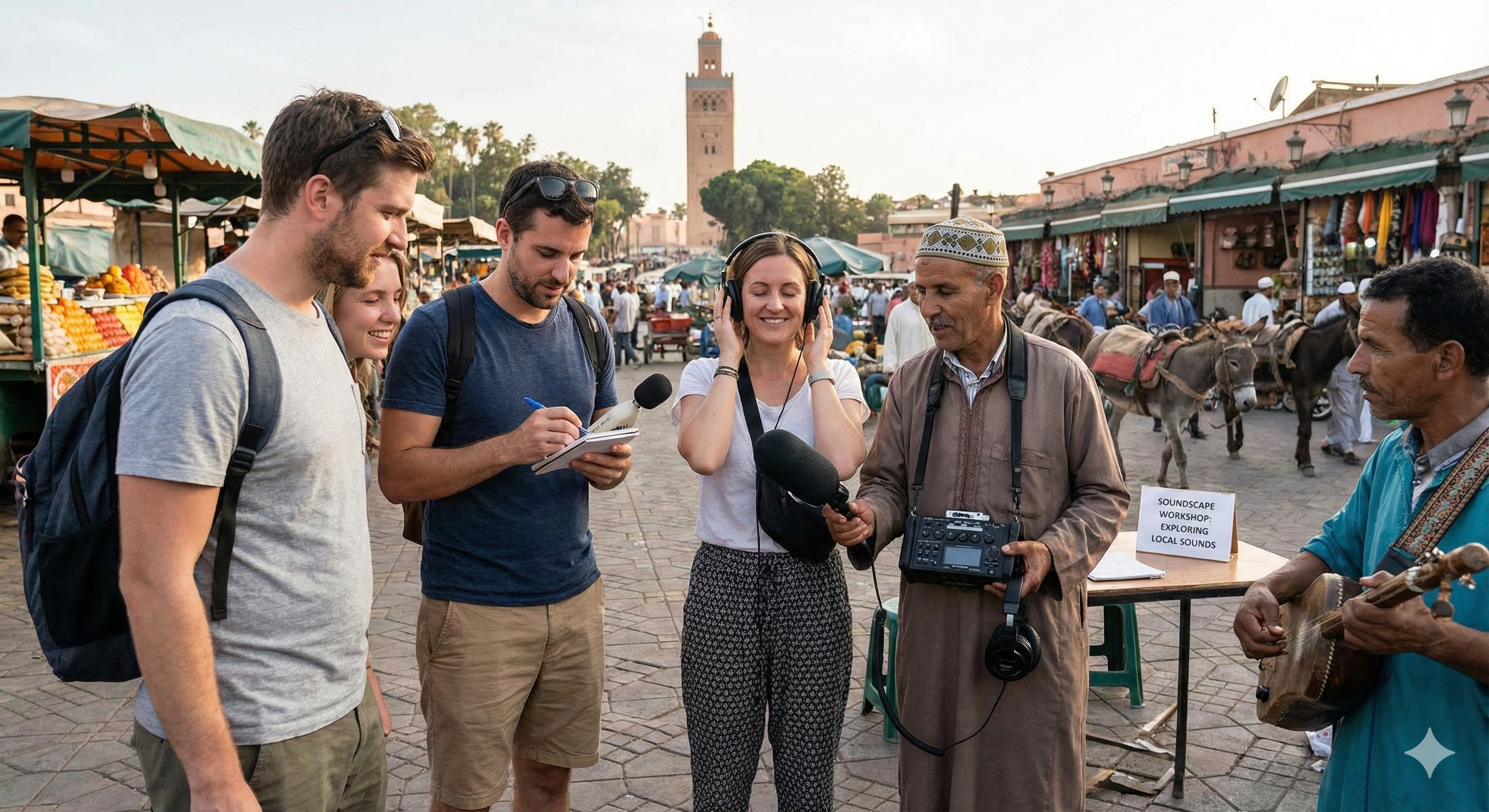
Sonic tourism centers on exploring destinations through their unique soundscapes, which blend natural, human, and wildlife sounds to create immersive audio experiences. These soundscapes capture the essence of a place beyond visuals, offering travelers a deeper connection that can influence mood, evoke memories, and enrich their understanding of the destination. A soundscape in tourism is more than just background noise; it is a carefully curated auditory environment that reveals cultural and ecological layers. Whether it’s the rhythmic crashing of ocean waves, the bustling hum of city streets, or the subtle calls of local wildlife, these sonic elements invite travelers to engage with a place on a sensory level that is both intimate and authentic. Key elements that define immersive audio experiences include:

Soundscapes in tourism blend natural, urban, and cultural sounds to create rich, immersive experiences that capture the essence of a destination. Natural soundscapes include elements like waves crashing, birdsong, or rustling leaves, forming an acoustic ecology that connects visitors with the environment’s rhythms and moods. These sounds not only soothe but offer a deep sensory link to nature’s presence. Urban soundscapes bring a contrasting layer, filled with city noises like footsteps, street chatter, and distant traffic. These sounds reflect the vibrant life and energy of a locale, revealing its unique cultural heartbeat. They provide travelers with an authentic sense of place, highlighting the everyday interactions and dynamic flows within cityscapes. Cultural soundscapes add further complexity by incorporating traditional music, festivals, languages, and rituals. They offer insight into local heritage and identity, enriching the visitor’s understanding of a community’s history and values. These layered sound elements combine to form a complex auditory environment that enhances emotional engagement and memory retention. Key acoustic and recording techniques essential for capturing quality soundscapes include:

Sonic tourism destinations span diverse environments, each offering unique auditory experiences that capture the essence of place. Urban hubs like London stand out for their vibrant street sounds—bustling markets, distant conversations, and rhythmic footsteps create an immersive cultural sound tour. These dynamic urban soundscapes reveal the city’s energy and history through layers of human interaction and ambient noise. On the other hand, natural retreats such as the Scottish Highlands provide serene soundscapes filled with gentle wind, birdcalls, and flowing streams. These quiet, contemplative environments allow travelers to connect deeply with nature’s rhythms, offering a different kind of immersive audio tourism that soothes and enriches the mind. Cultural sound tours also thrive in regions with rich heritage, where traditional music, languages, and festivals fill the air. Such destinations invite visitors to engage with local customs and stories, fostering a profound appreciation for the community’s identity. This blend of natural, urban, and cultural soundscapes highlights the growing interest in travel experiences that prioritize authentic auditory connection. Popular destinations for sonic tourism include:
The Journey app plays a crucial role in connecting travelers with local communities and sound enthusiasts at these destinations. By fostering like-minded groups focused on sonic tourism, Journey provides a safe and vibrant hub for sharing experiences, curated audio tours, and cultural insights. Its tools enable travelers to discover authentic soundscapes, participate in discussions, and build meaningful connections that enrich their sonic tourism endeavors. This community-driven approach supports continuous learning, personal growth, and a deeper appreciation for the diverse auditory landscapes that define each destination.

Industry experts emphasize that soundscapes profoundly transform tourism by deepening visitor engagement and emotional connection. Through audio storytelling and sound art, travelers experience destinations in ways that transcend visuals, enriching their understanding of local culture and environment. Experts highlight how immersive sound techniques evoke powerful psychological responses, influencing mood and memory retention. Sound culture becomes central to creating meaningful travel experiences, allowing visitors to connect with a place’s essence through its unique auditory environment. These insights underline the growing recognition of sound as a critical dimension in tourism.
Soundscapes engage the brain's emotional centers by blending natural, urban, and cultural sounds that resonate with individuals on a subconscious level. This immersive audio environment fosters a sense of presence and belonging, encouraging travelers to engage more deeply with their surroundings. Experts note that sound can trigger memories and emotional responses, making visits more memorable and fulfilling. The deliberate use of sound art enhances storytelling, creating a multisensory narrative that supports travelers’ personal growth and cultural appreciation.
Hotels and tourism initiatives have successfully leveraged tailored soundscapes to elevate guest experiences. For example, London’s Page8 hotel offers curated playlists accessible via QR codes, blending ambient music with the hotel’s atmosphere to influence mood and relaxation. Similarly, Australia’s QT hotel brand employs expert music curators to design unique soundtracks that reflect each location’s character, enhancing the overall sensory journey for guests. These case studies show how immersive sound techniques can transform environments, enriching visitor interaction and satisfaction. Key takeaways from these examples include:

Innovative tourist experiences increasingly incorporate audio guides and sound installations to elevate immersive audio experiences. Locations like London’s Page8 hotel use curated playlists accessible via QR codes, while other venues employ real-time audio tours to deepen visitor engagement. This integration of soundscapes sets a modern standard in acoustic tourism, enriching travel by blending cultural, natural, and urban sounds. The Journey app plays a crucial role in expanding sonic tourism by offering a seamless platform where like-minded individuals can come together to share, discover, and discuss immersive sound experiences. Journey supports both casual travelers and seasoned sonic explorers by providing tools for community creation, content sharing, and interaction. Its robust features enable users to organize audio guides, upload sound installations, and participate in discussions that foster a rich understanding of diverse sound environments. Key features of the Journey app that foster authentic audio explorations and community engagement include:
.jpg)
Sonic heritage captures the unique auditory identity of culturally and historically significant places, preserving the soundscape as an essential part of a destination’s character. Projects like Sonic Heritage focus on recording and sharing the authentic sounds of UNESCO World Heritage Sites, emphasizing sound as a vital component of cultural memory. These soundscapes document everything from natural acoustics to human activity, creating a rich archive that complements visual and textual histories. Preserving sound heritage involves safeguarding the sonic memory that connects present and future generations to a place’s essence. Historical soundscapes reveal the layers of human experience embedded in environments—whether it’s the chants echoing through ancient temples or the ambient sounds of traditional marketplaces. Promoting sonic heritage through audio storytelling enriches tourism by offering immersive experiences that deepen visitor understanding and emotional engagement. Challenges and opportunities in soundscape preservation include:
Sonic tourism, enriched by diverse soundscapes, invites travelers to experience destinations in new, immersive ways. By exploring natural, urban, and cultural auditory elements, visitors deepen their connection with places worldwide.
Expert insights and case studies highlight the transformative impact of sound in tourism. Digital tools like the Journey app elevate these experiences, fostering genuine connections through shared audio journeys.
Sonic tourism and soundscapes not only enhance travel experiences but also preserve cultural and natural heritage. Embrace this trend to discover a world where every sound tells a story, offering unique memories in every destination.
Sonic tourism involves exploring destinations through their unique soundscapes, which are combinations of natural, human, and wildlife sounds. These auditory experiences enrich travelers’ connections to places and evoke emotional responses.
Soundscapes in tourism are auditory environments formed by integrating natural, urban, and cultural sound elements. They significantly enhance guest experiences by creating immersive and memorable interactions with the surroundings.
Soundscapes improve tourism by deepening the visitor's emotional and psychological engagement. Curated auditory elements can enhance mood, evoke memories, and create a lasting connection with a destination.
Popular sonic tourism destinations include urban areas like London, known for vibrant street sounds, and serene retreats like the Scottish Highlands. These locations offer diverse sound environments, enriching auditory experiences for travelers.
The Journey app enhances sonic tourism by providing audio guides, curated playlists, and real-time sound installations. It fosters community engagement through shared audio explorations, connecting travelers with authentic soundscapes.
Sonic heritage is preserved through projects that capture unique sounds of culturally significant sites. This effort emphasizes the importance of soundscapes in maintaining a destination's identity and enriching future tourism experiences.
Experts highlight that soundscapes transform tourism by enhancing engagement and emotional connection. Case studies from Page8 hotel in London and Australian QT properties illustrate the positive impact of tailored audio experiences.
Community platforms, such as the Journey app, support sonic heritage by enabling users to share and record soundscape experiences. This collective effort aids in preserving unique auditory environments for future tourism developments.


.jpg)