scan QR code


The evolution of remote work has brought about a new era of tethered nomadism for hybrid workers. This innovative work model offers the exhilarating freedom of remote work meshed with the necessary structure of office presence. But tethered nomadism isn’t just a buzzword; it’s the backbone of today’s hybrid work lifestyle. It combines the best of both worlds: flexibility for personal growth and creative exploration, alongside the stability that drives team collaboration and corporate coherence. Journey helps hybrid workers foster meaningful connections and sustain community engagement, ensuring that social interactions remain authentic and rewarding. Discover how enhancing your hybrid work experience through tethered nomadism can boost your sense of community and professional achievement.
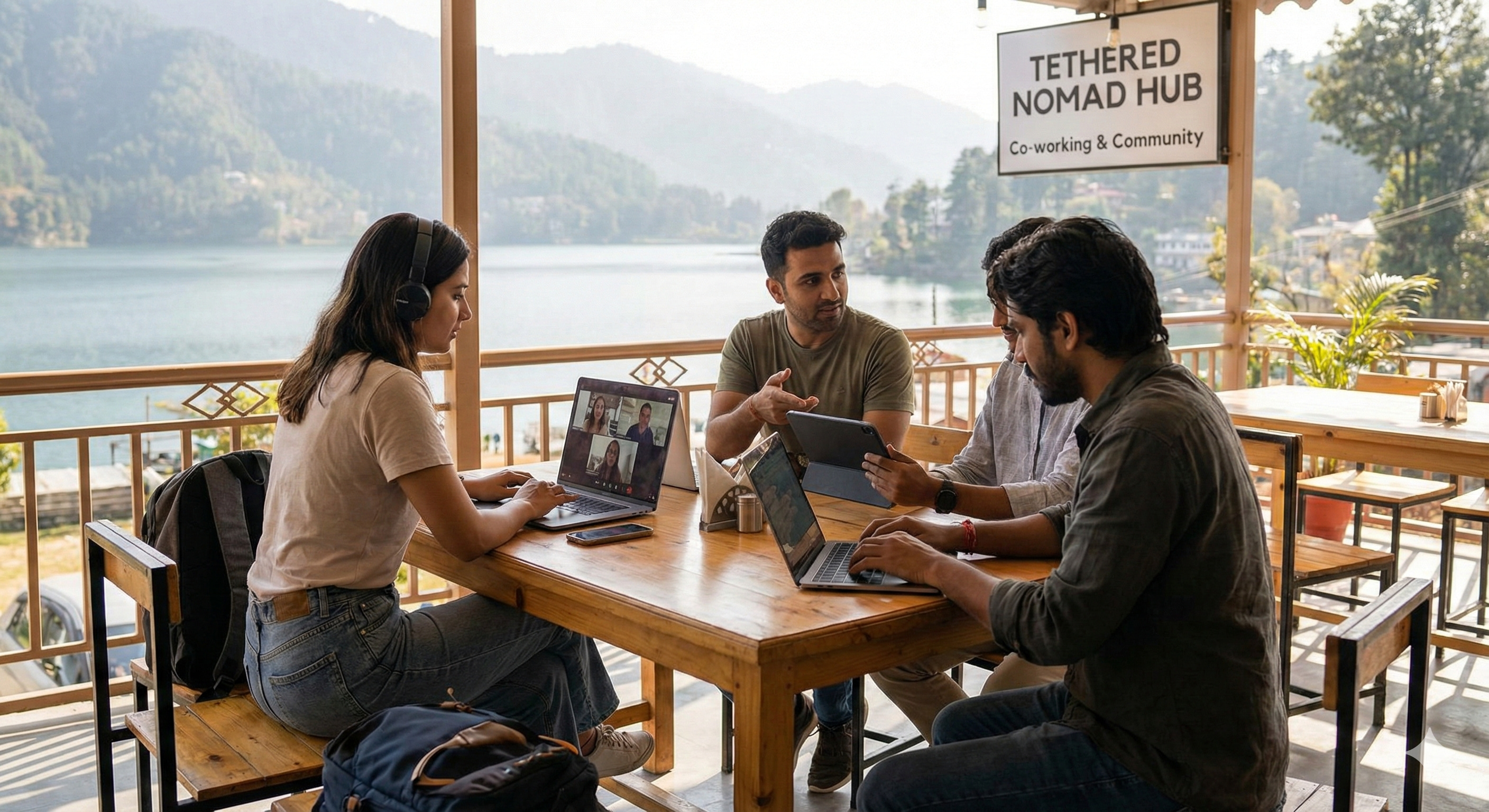
Tethered nomadism blends the freedom of remote work with the structure of fixed office requirements, creating unique challenges for hybrid workers seeking meaningful connections. As many hybrid workers juggle between home and office, the risk of isolation or fragmented communication grows. Building a vibrant, supportive community becomes crucial to maintaining engagement and fostering a sense of belonging. Journey serves as a central hub for hybrid workers to organically discover and participate in communities aligned with their interests and work-life realities. It supports diverse, well-maintained groups where individuals can share ideas, resources, and experiences that enrich their remote work lifestyle. By enabling seamless communication through group chats, direct messaging, and community feeds, Journey enhances authentic social interactions and encourages mutual support. Key elements that define the power of tethered nomadism communities include:
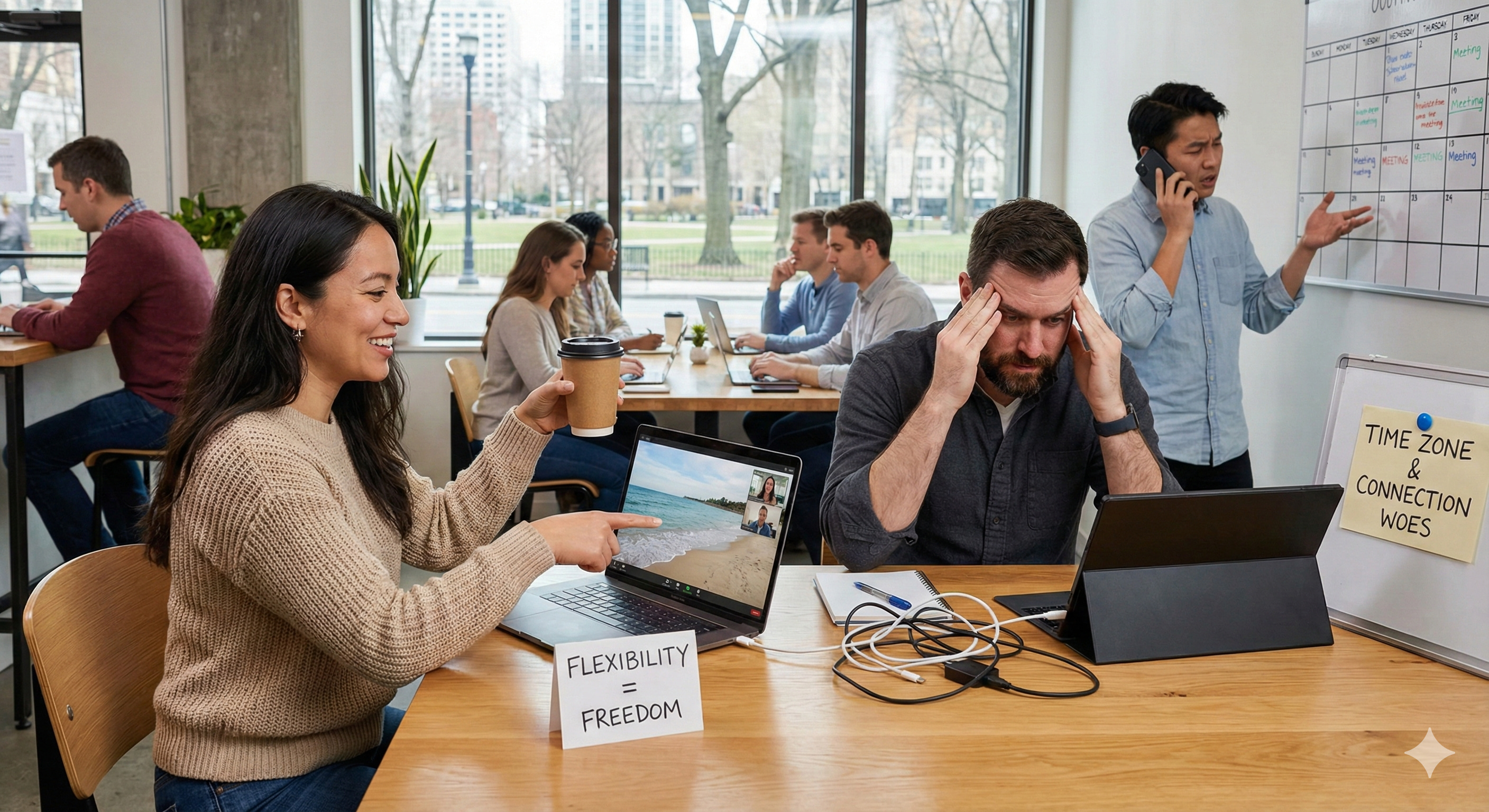
Tethered nomadism offers hybrid workers a structured approach to balancing remote and office work, which can enhance work-life balance. By blending remote flexibility with scheduled office days, employees gain a rhythm that supports productivity and personal time. This hybrid setup often leads to improved focus during remote days and meaningful in-person collaboration when in the office. Many workers report feeling more organized and better able to separate professional and personal life through this balance. However, tethered nomadism also imposes certain constraints that can challenge the freedom initially associated with remote work. Mandatory office days require workers to stay near specific locations, reducing geographic mobility. This tethering limits the ability to work from diverse or distant locations, which is a core appeal of digital nomadism. Additionally, the hybrid model often brings increased surveillance and monitoring technologies, creating pressure and diminishing privacy, making it harder for employees to feel truly autonomous. Communication complexities also arise within tethered nomadism. Coordinating between remote and in-office schedules demands more effort to maintain seamless interaction among team members. Hybrid workers must navigate different time zones, varied availability, and sometimes uneven access to resources. This can lead to misalignments and fragmented collaboration if not managed carefully.

Productivity remains crucial for hybrid workers navigating tethered nomadism, where the blend of remote freedom and office obligations demands careful balance. Success hinges on leveraging tools and strategies that optimize both flexibility and structure. By establishing clear routines and designing efficient workspaces, hybrid employees can enhance focus and maintain momentum across varied environments. Here are five practical productivity tips tailored for tethered nomadism:

Technology forms the backbone of successful tethered nomadism, enabling hybrid workers to blend remote flexibility with essential office integration. Robust communication and collaboration tools ensure that individuals stay connected, engaged, and productive regardless of location. These tools cater to the diverse needs of hybrid teams, supporting seamless virtual interactions and helping overcome common connectivity challenges. An effective digital workspace setup involves more than just hardware; it requires integrated software solutions that safeguard data security while fostering collaboration. From video conferencing platforms to project management applications, these tools create an environment where hybrid workers can share ideas, coordinate tasks, and maintain real-time communication. Ensuring smooth connectivity and a trustworthy workspace is crucial for retaining focus and facilitating continuous growth.
Journey exemplifies how technology can empower hybrid workers by providing a centralized, customizable social network focused on authentic connections. Its community creation and engagement tools enrich virtual collaboration, helping individuals build meaningful relationships and share relevant resources within a safe, well-managed environment. The platform’s AI-powered features further enhance communication efficiency, making it easier for hybrid teams to navigate the complexities of tethered nomadism with confidence.

In the evolving landscape of tethered nomadism, fostering genuine community engagement is crucial for hybrid workers facing the risks of isolation and fragmented communication. Building connections based on shared interests and professional goals supports both mental health and long-term productivity. Networking in this context goes beyond superficial interactions, offering individuals a space to exchange ideas, resources, and experiences that enrich their work-life balance and personal growth. Many organizations now recognize the importance of structured community-building strategies to create supportive work cultures. Companies that implement these practices witness improved employee engagement and retention, as well as more vibrant collaboration across remote and in-office teams. Examples include offering coworking spaces for local meetups, hosting virtual workshops, and facilitating interest-based discussion groups. These approaches help workers feel connected and valued despite the physical distance tethered nomadism can impose. Journey serves as a central hub tailored to meet these needs by enabling users to create well-maintained, customizable communities that encourage authentic social interactions. Its flexible privacy settings and robust content management tools support safe, trustworthy environments where members can participate in meaningful discussions and share relevant updates. Journey’s AI-powered features assist community owners in fostering vibrant engagement through personalized onboarding, content recommendations, and event organization. This seamless integration of technology and community-building guides hybrid workers toward fulfilling connections and continuous growth within their professional and personal endeavors.
-4%20(3).png)
Tethered nomadism presents a blend of freedom and structure, and many companies have embraced this hybrid model to enhance employee satisfaction and performance. These organizations understand the critical balance between flexible remote work and the benefits of in-person collaboration. By implementing thoughtful strategies, they have successfully navigated the complexities of managing remote teams while fostering career growth in remote roles. One seasoned company introduced flexible scheduling coupled with mandatory core office days, allowing employees to optimize their productivity while maintaining vital face-to-face connections. Another organization leveraged coworking spaces near employees’ homes, providing a professional environment that supports both remote work and social interaction. A third company focused on integrating robust technology tools that ensure seamless communication and project management, empowering teams to stay connected and aligned regardless of location. Outcomes from these strategies highlight improved engagement, retention, and career development opportunities. Employees report a stronger sense of belonging and clarity in their roles, while leadership benefits from enhanced remote leadership skills and streamlined team management. These case studies underscore that despite the inherent constraints of tethered nomadism, companies can create vibrant hybrid work environments that support diverse work styles and growth trajectories.
Platforms like Journey play a crucial role in these thriving hybrid setups. Journey’s customizable community creation and engagement tools guide organizations in building safe, trustworthy environments where hybrid workers can share ideas, resources, and experiences. By fostering authentic connections and vibrant interactions, Journey supports continuous growth and belonging, enriching the hybrid work experience beyond the office walls.
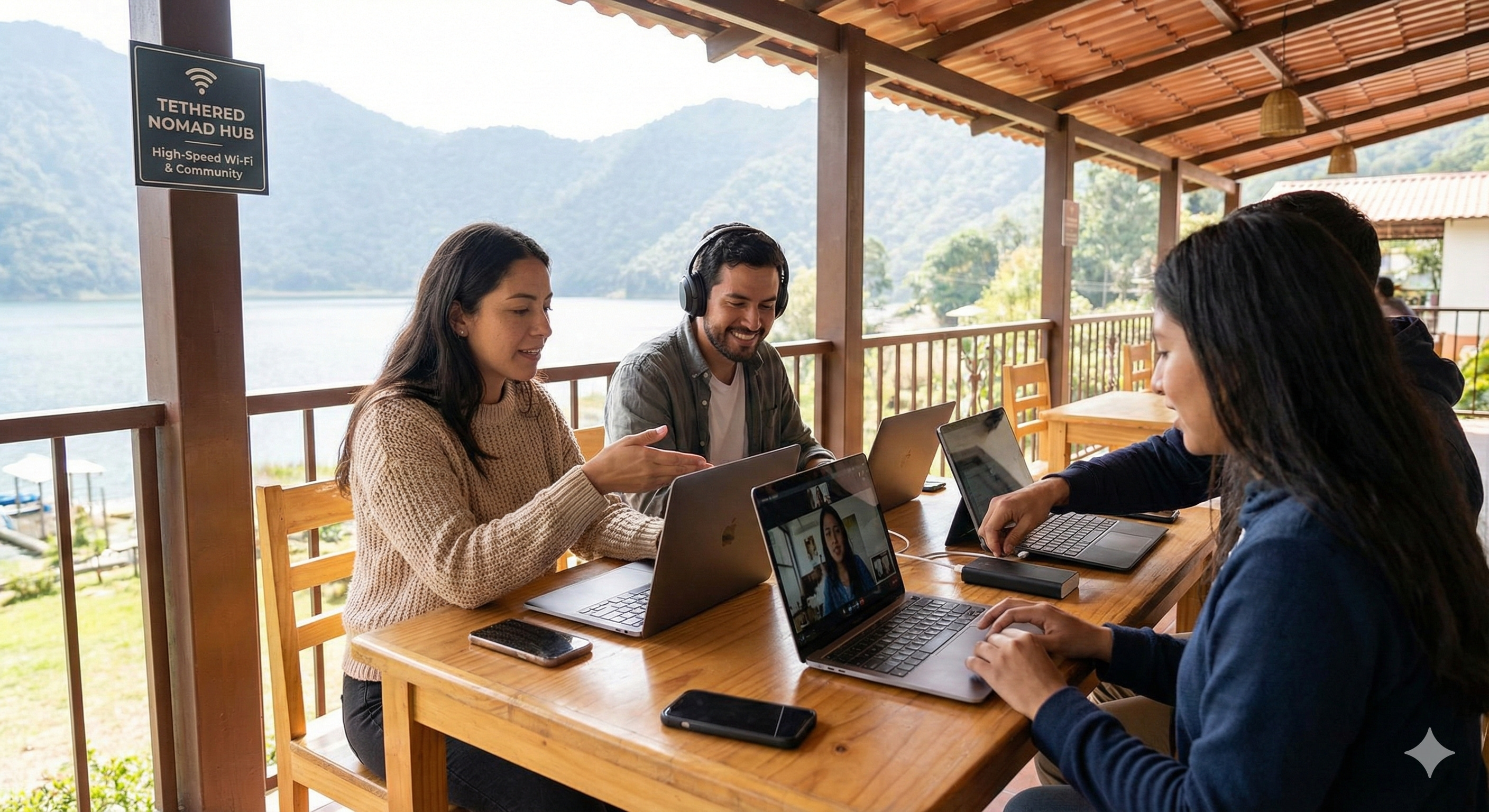
Balancing the demands of mandatory in-office days with the flexibility of remote work is central to navigating tethered nomadism. Hybrid workers often face challenges that affect both physical and mental wellness, including increased surveillance, rigid schedules, and the stress of constant connectivity. These factors can lead to fatigue and burnout if not addressed with intentional work-life balance strategies. Understanding the essence of these challenges helps individuals craft sustainable routines that honor their well-being while meeting professional expectations. Proactive strategies are critical for managing remote fatigue and maintaining continuous personal growth within this hybrid framework. Setting clear boundaries between work and personal time prevents overwork and promotes mental clarity. Flexible working hours enable individuals to align their peak productivity periods with work demands, reducing stress. Prioritizing mental health through initiatives such as mindfulness, regular breaks, and physical movement supports long-term resilience. Additionally, cultivating a strong support system among like-minded peers fosters mutual encouragement and accountability.

The future of tethered nomadism is shaping up to be a dynamic blend of expanding digital tools and evolving workplace cultures. As hybrid workforce trends continue to advance, companies are increasingly integrating remote work benefits with controlled office environments. This blend aims to balance employee autonomy with organizational productivity, acknowledging that flexibility and structure can coexist when thoughtfully managed. Emerging technologies will further empower hybrid workers to navigate these blended models with greater ease and confidence. Technological advancements will play a critical role in this evolution. Enhanced digital transformation initiatives are expected to introduce smarter collaboration platforms and AI-driven tools that support seamless communication and community building. These innovations will enable workers to maintain personal autonomy while staying connected to their teams and organizational goals. Additionally, as global workforce integration grows, companies will adopt more inclusive remote work policies that accommodate diverse cultural expectations and time zones, fostering richer, more vibrant professional ecosystems. This evolving landscape also highlights the rise of innovative coworking models and localized hubs, designed to support hybrid workers’ need for both mobility and community. These spaces will serve as physical anchors that complement remote work, providing opportunities for meaningful face-to-face interactions without sacrificing the freedom of location independence. Organizations that embrace these trends will witness improved employee engagement, retention, and overall well-being in a work environment that adapts to changing expectations.
Navigating the world of tethered nomadism offers both challenges and opportunities for hybrid workers. By defining and understanding this hybrid model, individuals can leverage its potential benefits while addressing inherent constraints. Tethered nomadism encourages a blend of productivity, community, and flexibility, each managed through smart work-life strategies.
The future of work continues to evolve, pushing hybrid workers to adopt new techniques and technologies. For those committed to adapting, this model promises a balanced approach to professional and personal fulfillment. Embracing tethered nomadism opens doors to a flexible and rewarding work life.
Tethered nomadism combines remote mobility and fixed office presence. Key elements include flexibility, technology dependence, structured work-life balance strategies, and remote tools to manage obligations.
Benefits include improved work-life balance and structured work environments. Challenges involve reduced geographic flexibility and communication complexities due to mandatory office days and increased surveillance.
Enhancing productivity involves strategic time management, ergonomic workspace setup, effective communication, time zone management, and stress reduction techniques. These strategies help balance remote freedom with structured obligations.
Essential tools include video conferencing software, project management solutions, and cybersecurity measures. These technologies ensure efficient communication, digital security, and seamless remote collaboration.
The Journey app fosters genuine social connections, promotes community engagement, and supports personal and professional growth, which are crucial in mitigating isolation in hybrid work settings.
Companies utilize flexible scheduling, coworking spaces, and technology integration to achieve positive outcomes. These strategies enhance employee satisfaction and performance, despite hybrid model challenges.
Effective strategies include flexible hours, mental health initiatives, setting clear boundaries, reducing remote fatigue, and engaging with supportive communities through tools like the Journey app.
Future trends involve greater integration of digital tools, evolving remote work policies, global workforce integration, and innovative coworking models. Companies aim to balance productivity with employee autonomy as the work landscape evolves.