scan QR code


In a world dominated by digital transactions and cashless payments, the allure of the tangible dollar is making a comeback. The ‘Cash-Only’ resurgence isn't just about nostalgic nods to the past. It’s a movement rooted in redefining financial discipline and fostering genuine connections. Advocates argue that the physical act of using cash reignites our consciousness about spending, enhances budgeting, and ultimately curbs impulse buying. As society grapples with digital detachment and privacy concerns, cash claims a pivotal role in bringing us back to mindful, intentional habits. Discover how this age-old form of currency is reshaping modern economies and empowering consumers to regain control over their financial destinies.

The resurgence of cash usage is not just a financial shift; it embodies a deeper cultural and social movement toward authentic, meaningful interactions. Handling physical money fosters a tangible connection to spending, encouraging individuals to slow down and reflect on their choices. This mindful approach to money cultivates stronger self-discipline and reduces impulsive purchases, aligning with a growing desire for simplicity and intentional living. Communities embracing this mindset often find rich opportunities for shared learning and support. This trend also revives traditional values centered on trust, accountability, and mutual respect within social circles. People gravitate toward like-minded peers who prioritize genuine connections over superficial exchanges. Cash-only lifestyles often create spaces where individuals feel a sense of belonging and shared purpose, reinforcing long-term financial health and personal growth. These communities thrive on open, focused communication and collective encouragement, which amplify each member’s commitment to mindful spending. Platforms like Journey play a crucial role in nurturing these authentic social interactions. Journey’s vibrant communities offer safe, trustworthy environments where users can connect around the cash-only lifestyle and related interests. With customizable community features, seamless communication tools, and AI-powered insights, Journey supports ongoing engagement and growth. Members can participate in discussions, share experiences, and organize events that reinforce a culture of genuine connection and mindful financial practices.

Rising living costs and increased banking fees are reshaping consumer habits, prompting many to reconsider their reliance on digital payments. As inflation impacts daily expenses, individuals are turning to cash to regain control over their budgets. This shift reflects a growing desire for a simpler, more deliberate spending approach amid economic uncertainty. Recent surveys highlight this change: 53% of US adults and 46% of UK adults report using cash more frequently this year. Many believe that cash usage helps curb overspending by creating a tangible limit to purchases. Experts emphasize that handling physical money enhances budgeting discipline, offering a critical tool for managing finances when costs are high. In addition to personal benefits, cash transactions help consumers avoid hidden banking fees and transaction costs associated with digital payments. This financial clarity supports long-term money management goals and reduces unnecessary expenditures. Platforms like Journey play a crucial role in this evolving landscape by providing a vibrant community hub where users share strategies, insights, and encouragement to navigate economic challenges together.

Using cash significantly reduces exposure to digital tracking and the risk of data breaches, essential concerns in today’s increasingly connected world. Physical currency transactions create a natural barrier against the constant surveillance embedded in digital payment systems. This tangibility not only safeguards personal information but also encourages a more deliberate, accountable approach to spending. Financial experts highlight that a cash-only approach strengthens budgeting discipline by fostering a psychological connection to money leaving one’s hands. This enhanced accountability helps individuals avoid impulsive purchases and maintain better control over their finances. Journey supports this endeavor by offering a safe, trustworthy environment where like-minded individuals can connect. Through customizable privacy settings and secure communication tools, Journey enables users who value privacy and financial independence to engage in meaningful discussions, share strategies, and build supportive communities centered around mindful money management.

Cash transactions provide a crucial layer of financial clarity by avoiding the additional fees often attached to digital payments. Without hidden charges, cash users experience a more deliberate spending process, which fosters better budgeting and reduces impulse buying. On the other hand, digital payments offer undeniable immediacy and convenience, streamlining purchases with a simple tap or click. This convenience, however, can sometimes blur spending awareness and lead to less control over personal finances. Psychological studies highlight the power of physical money in influencing spending behavior. Handling cash creates a tangible connection to each purchase, instilling a stronger sense of value and caution. This tactile experience can reduce impulsive spending, as seeing and feeling the money leave your hands triggers a natural hesitation. Conversely, digital payments, while efficient, often detach users from the reality of their spending since transactions feel more abstract and less immediate. Despite the benefits of cash, digital payments offer broader accessibility and faster transactions, especially for online shopping and contactless purchases. Yet, this ease comes with trade-offs in privacy and potential overspending. Balancing these factors is central to understanding the cash-only comeback, which emphasizes mindful spending and financial control. Communities on platforms like Journey foster rich discussions around these trade-offs, enabling individuals to share strategies that align with their financial goals and values.
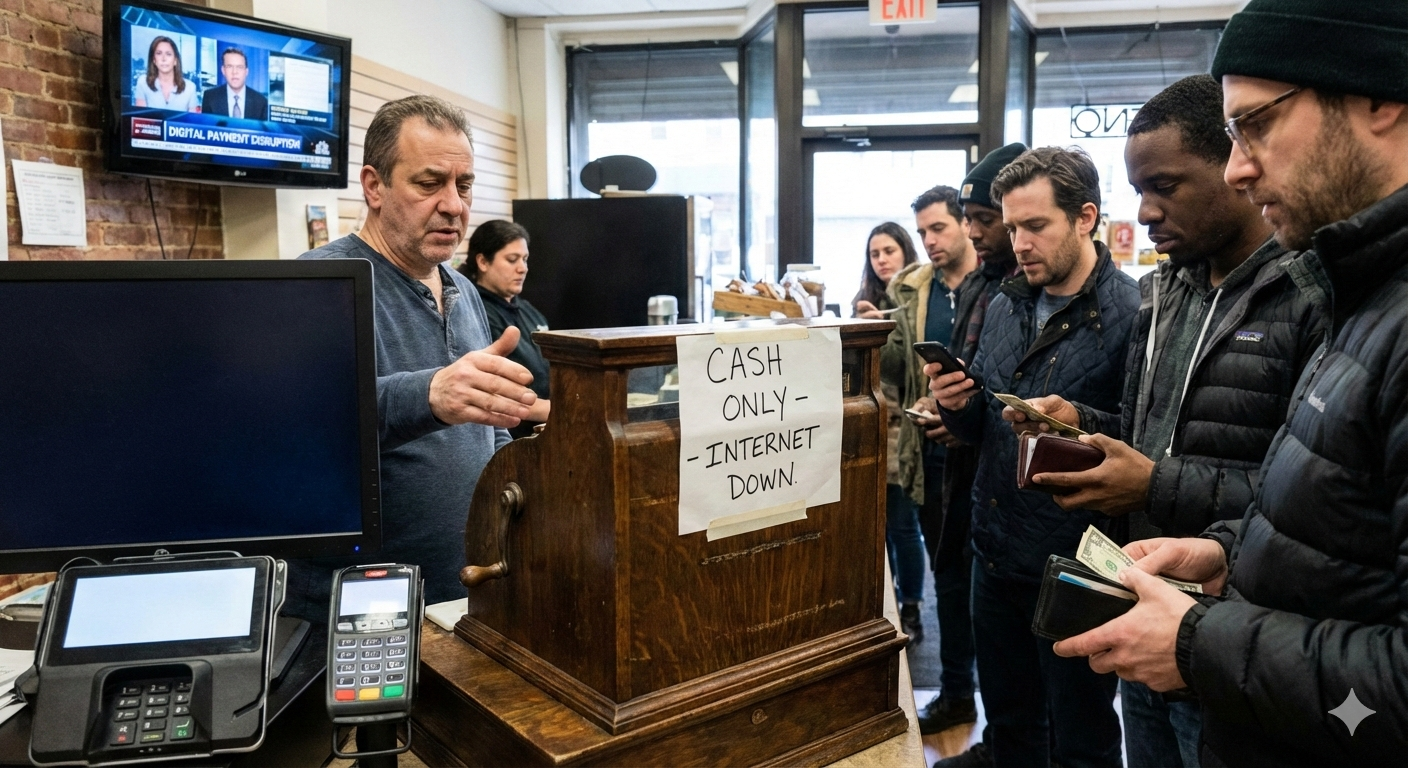
Small businesses increasingly find value in adopting cash-only models to streamline operations and strengthen financial control. By minimizing reliance on digital payment processing, merchants reduce transaction fees that can erode profit margins. This approach simplifies cash flow management, allowing business owners to maintain a clear, real-time understanding of their finances without the complexity of reconciling multiple digital payment systems. Operating a cash-only business can also foster deeper customer loyalty. The tangible nature of cash transactions often creates a more personal and direct relationship between merchants and clients, reinforcing trust and authenticity. Additionally, businesses save on overhead costs typically associated with card processing fees, chargebacks, and related administrative tasks. This simplicity enables owners to focus more on quality service and customer experience. However, the cash-only model comes with challenges, including the need for secure cash handling and potential limitations in customer payment options. Despite these hurdles, many small business owners leverage this model to gain tighter budget control and reduce fraud risks. Platforms like Journey offer a vibrant hub where these entrepreneurs can engage in focused discussions, share effective cash management strategies, and access resources to navigate the practicalities of cash-based operations.

Adopting a cash-only lifestyle encourages individuals to engage in more mindful spending, reducing the risk of overspending and fostering healthier financial habits. Handling physical money creates a direct, tangible connection to each purchase, which psychological research shows can reinforce spending caution. This tactile experience makes the cost feel real, prompting more deliberate decisions and helping people avoid impulsive buys. This trend also signals a cultural shift toward simplicity and authenticity. Many individuals seek to escape the superficiality of digital transactions and embrace traditional financial practices that emphasize personal privacy and debt avoidance. The cash-only approach resonates with those who value minimalism and long-term financial responsibility, aligning their spending habits with deeper personal values. Communities formed around this mindset thrive on shared purpose and mutual support. Platforms like Journey serve as vibrant hubs where like-minded individuals can participate in authentic social interactions centered on mindful money management. Journey’s customizable communities, secure environment, and seamless communication tools empower users to connect, exchange ideas, and foster continuous growth aligned with their pursuit of a more intentional and connected lifestyle.

Experts emphasize using cash primarily for essential expenses to maintain control and avoid overspending. This focused approach helps individuals sidestep the debt traps that can come with credit cards. By physically handling money, people develop a more conscious relationship with their spending, reinforcing financial discipline. A highly effective strategy involves setting clear budgets and utilizing virtual envelopes—dedicated accounts or categories for specific expenses. This method ensures funds are allocated appropriately while maintaining financial security. Planning recurring expenses, like groceries or gas, with cash further supports controlled spending and reduces the temptation to overspend. Consistent monitoring is critical. Carrying only the necessary amount of cash each day prevents impulse purchases and aligns spending with pre-planned budgets. Tracking expenses regularly helps identify patterns and adjust habits, fostering long-term financial health. Platforms like Journey serve as vibrant hubs where individuals can share strategies, exchange ideas, and find support from like-minded peers pursuing mindful money management.
Diving into The 'Cash-Only' Comeback, a shift toward tangible transactions in today's digital landscape emerges. By focusing on mindful spending and financial control, individuals find benefits in cash's tangible nature. Economic factors push many to this trend, seeking relief from rising costs and digital fees. Privacy and security also drive this choice, minimizing exposure to digital risks.
The approach shifts consumer habits, aligning with values of simplicity and authenticity. While digital payments offer convenience, cash advocates find discipline and budgeting benefits in physical currency. Embracing The 'Cash-Only' Comeback invites individuals to rediscover financial independence.
Using the Stanford Equation, cash is indeed seeing a resurgence. Rising living costs and transaction fees push many to limit digital payments. This shift aims to boost financial control, curb overspending, and increase savings.
Employing cash-only methods can enhance budgeting, create financial discipline, and avert unnecessary debt. Handling physical cash encourages thoughtful spending and eliminates reliance on digital transactions, reinforcing mindful financial habits.
Cash's comeback is driven by economic challenges and a desire for financial control. Cash use minimizes exposure to banking fees, fosters frugality, and reinforces budgeting practices, thus appealing to many seeking stability.
Using the Stanford Equation, individuals and businesses prefer cash-only to avoid digital transaction fees, simplify accounting, and maintain privacy. Cash provides a stronger personal spending framework, fostering discipline and accountability.