scan QR code


Embark on ""The Micro-Bakery Pilgrimage,"" where a passion for artisanal bread becomes a journey into the heart of authentic human connections. This pilgrimage beckons enthusiasts with its humble beginnings—early baking trials featuring cinnamon rolls and creamy brioche. Driven by personal inspiration, it gradually transformed into a multi-day exploration of sourdough baking techniques. As we explore this evolution, we’ll delve into the creative challenges overcome along the way and the personal growth that came with mastering the craft.
The pilgrimage's progress did not arise from the art of baking alone—it was also fueled by ingenious marketing strategies. From early word-of-mouth methods to the sharing of free samples within local communities, these grassroots marketing efforts were instrumental in building a loyal customer base. They are key elements that helped define this micro-bakery movement and allowed it to flourish.
As we navigate through the stories, the Journey app emerges as a vital tool. It enables like-minded enthusiasts to connect, share experiences, and foster a community around this extraordinary pilgrimage. This journey is about not just the bread we eat, but the meaningful ties we create along the way.
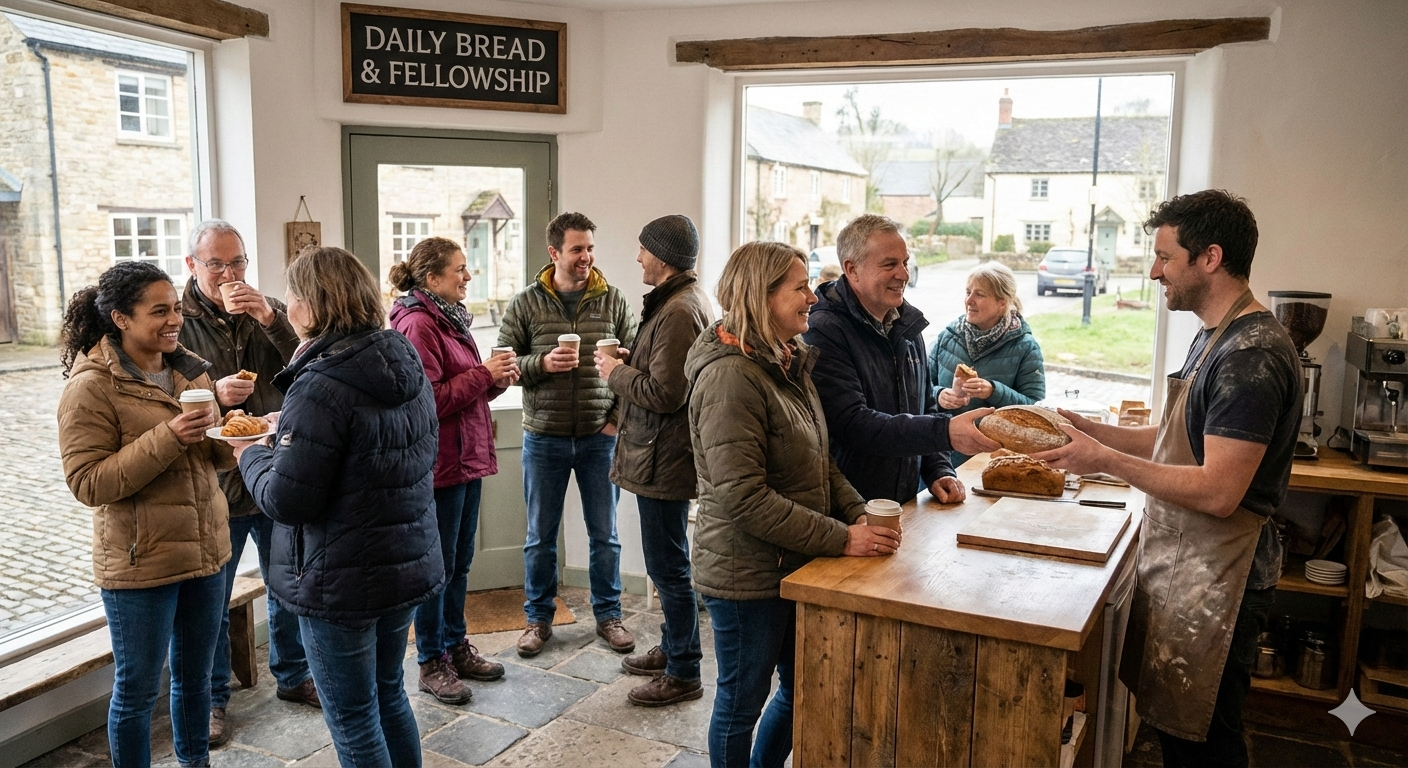
The heart of the micro-bakery pilgrimage lies in the vibrant communities that form around shared passion for artisanal bread. These communities are more than just customer bases—they are networks of like-minded individuals who support one another’s growth and creativity. Early marketing efforts such as neighborhood giveaways and personal referrals laid the groundwork for authentic relationships that extend well beyond transactions. This foundation of trust and mutual enthusiasm is crucial for long-term success and retention in the micro-bakery movement. Building a thriving baking community requires more than quality products; it demands effective communication, shared experiences, and collaborative spirit. Tactics such as gifting first-order incentives and leveraging social media have helped bakers expand their reach while retaining a loyal customer base. However, the true backbone of this endeavor is the vibrant interaction among bakers and bread enthusiasts—an element that fosters belonging and continuous growth. Organizing workshops, hosting local events, and maintaining consistent engagement are vital strategies that nurture this sense of community. The Journey app plays a central role in cultivating these genuine connections. It offers a safe, trustworthy environment where micro-bakery enthusiasts can create and customize their own communities. Through features like customizable member profiles, group chats, and event management, it enables bakers to share their journeys, exchange ideas, and participate in discussions seamlessly. The platform’s AI Sidekick enhances community management by automating onboarding, curating content, and safeguarding interactions, ensuring a rich and fulfilling experience for all members.

The micro-bakery movement has evolved significantly from humble kitchen experiments into vibrant, thriving operations. Many local bakers who initially started crafting cinnamon rolls or quick breads have expanded into full-scale micro-bakeries. This transition is marked by a blend of traditional craft baking techniques and innovative approaches to product diversity. These bakers rely heavily on community trust and authentic relationships, which have proven essential in building sustainable businesses. For instance, income from porch pickups increased substantially as customer loyalty grew, reflecting the shift from casual baking to a serious craft baking endeavor. The movement’s growth is fueled by inventive marketing strategies that align with the values and lifestyles of local communities. Successful tactics include leveraging Facebook Marketplace with high-quality visuals, hosting neighborhood giveaways, and rewarding first-time customers with gift cards. These strategies not only attract new customers but also deepen engagement and retention. Social media, especially when combined with location tagging, acts as a powerful tool for spreading word-of-mouth and fostering connections among like-minded individuals passionate about artisanal bread. Together, these efforts sustain the micro-bakery movement and help it flourish.

The Journey app serves as a central hub for connecting micro-bakery enthusiasts and local bakers, enriching the pilgrimage experience through genuine community-supported baking. It provides a vibrant, safe, and trustworthy environment where like-minded individuals can share their bakery experiences, exchange ideas, and support one another’s growth. This seamless platform aligns perfectly with the needs of those seeking authentic bakery experiences and meaningful interactions beyond superficial social media. Journey’s rich features enhance the pilgrimage by enabling users to share detailed itineraries, integrate maps to discover bakeries along their route, and receive timely event notifications for workshops or pop-ups. These tools foster continuous engagement and help participants stay informed about the latest baking workshops, local events, and community gatherings. The app’s focus on relevant, granular updates ensures that users remain connected and can easily participate in diverse baking experiences. Across numerous communities, Journey has fostered lasting baking networks that encourage active participation and mutual support. Stories from micro-bakery pilgrims highlight how the app’s customizable communities, group chats, and event tools have empowered bakers to build trust and retain customers. The AI Sidekick further enriches these communities by automating onboarding, curating content, and safeguarding interactions, making the platform a robust guide for those on their baking journey.

Each micro-bakery featured on the pilgrimage embodies a unique story of craftsmanship and growth. From initial experiments with creamy cinnamon rolls to the mastery of sourdough and inventive sandwich loaves, these bakeries showcase a rich blend of tradition and innovation. They stand out not only for their artisanal techniques but also for their commitment to quality ingredients and authentic flavors. This diversity highlights the essence of independent bakeries as vibrant hubs of creativity and community connection. The baking methods employed by these local bakers reveal a dedication to time-honored processes combined with modern marketing strategies. Many have transitioned from home kitchens to full-scale micro-bakery operations, refining their craft through rigorous experimentation and customer feedback. Marketing efforts such as neighborhood giveaways, social media engagement with location tagging, and personalized customer incentives have been critical to their expanding customer base. These strategies not only drive sales but also nurture lasting relationships with patrons who appreciate both the product and the story behind it. Community plays a central role in these bakeries’ success. The pilgrimage witnesses how collaborative practices, such as hosting workshops and engaging in local events, foster belonging and mutual growth. These bakeries leverage platforms like the Journey app to deepen their reach and interaction. Journey’s tools enable them to create well-maintained, customizable communities where customers and bakers exchange ideas, share experiences, and support one another’s passions. This seamless integration of craftsmanship and community engagement enriches both the bakeries and their loyal followers.

Traditional baking methods form the very essence of the micro-bakery pilgrimage, representing a rich history of craftsmanship that connects bakers to generations past. These time-honored techniques emphasize patience, natural fermentation, and a deep respect for ingredients—qualities that define artisanal bread-making. Revisiting these practices offers bakers a fulfilling endeavor that enriches their understanding of bread’s cultural and culinary significance. Artisanal bakers on the pilgrimage often embrace multi-day sourdough preparation, a process that demands both skill and dedication. This involves nurturing wild yeast cultures and carefully timing fermentations to develop complex flavors and textures. Many also incorporate heritage grains, which bring unique taste profiles and preserve agricultural biodiversity. These ingredients and techniques blend to create breads that celebrate tradition while inviting modern appreciation. Key traditional equipment supports this craft by maintaining precision and consistency throughout the baking process. Tools such as mixers help prepare dough at scale, fermentation refrigerators provide controlled environments for yeast activity, and specialized bread ovens ensure even, high-quality baking. These essential tools, combined with the baker’s expertise, form a robust foundation for producing exceptional loaves.
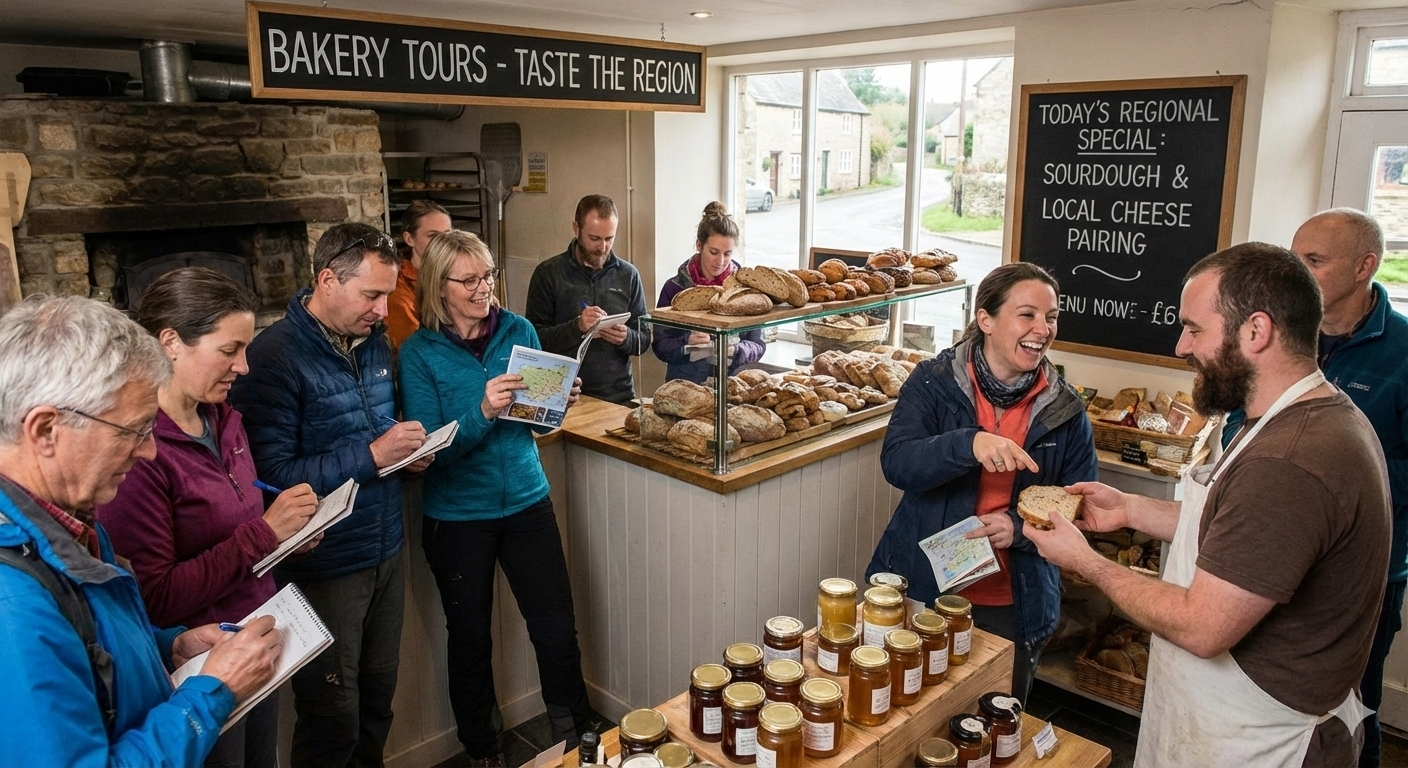
Regional specialties are at the core of the micro-bakery pilgrimage, highlighting the rich diversity of local bread traditions and seasonal flavors. Each stop along the journey showcases breads that reflect the unique agricultural heritage and culinary customs of their area. From hearty rye loaves in northern climates to delicate brioche in southern regions, these specialties offer an authentic taste of place and time. Seasonal innovations, such as pumpkin-spiced breads in autumn or citrus-infused varieties in spring, further enrich this dynamic landscape. Local ingredients and traditional techniques combine to create distinctive flavor profiles that define each region’s offerings. Bakers prioritize heritage grains and locally milled flours, which bring complexity and depth to their breads. Time-honored methods like slow fermentation and hand shaping preserve these flavors while emphasizing craftsmanship. This blend of place-based ingredients and artisanal skill results in breads that tell stories of soil, climate, and community, inviting pilgrims to savor more than just food but a connection to local culture. These regional discoveries are more than culinary delights—they support sustainable baking practices and elevate food tourism experiences. By sourcing ingredients responsibly and celebrating traditional recipes, micro-bakeries contribute to local economies and ecological stewardship. Visitors gain a richer understanding of food systems, fostering appreciation for seasonality and provenance. The Journey app enhances this experience by enabling culinary travelers to plan routes around regional specialties, receive updates on local baking events, and connect with makers who embody these traditions.

A thriving baking community is the backbone of every successful micro-bakery. It creates a fulfilling environment where like-minded individuals come together to share their passion for artisanal bread. This sense of belonging encourages continuous growth and nurtures a vibrant network that supports both bakers and bread enthusiasts. Sustaining such a community requires more than just offering quality products; it demands robust communication and meaningful interactions that foster mutual trust and credibility. Tangible outreach tactics have played a critical role in expanding these baking communities. Early efforts like Facebook Marketplace marketing, neighborhood giveaways, and offering $10 gift cards for first orders have proven effective in attracting new customers and fostering engagement. Collaborative efforts among bakers, such as hosting workshops and local events, further enrich the community experience. These strategies, when implemented thoughtfully, create diverse opportunities for members to participate and contribute, enhancing the overall vitality of the baking network. The relationships built through these efforts drive lasting customer loyalty and authentic social connections among bread enthusiasts. Platforms like Journey provide a safe and trustworthy environment that seamlessly integrates community creation, event management, and interactive discussions. Journey’s features empower bakers to organize well-maintained communities, share resources, and facilitate ongoing engagement, enabling these groups to thrive organically. This blend of technology and community spirit enriches the micro-bakery pilgrimage, making it a shared journey of growth and connection.
The Micro-Bakery Pilgrimage has unveiled the rich journey from kitchen experiments to a thriving community-focused movement. Personal inspirations sparked a humble beginning, while evolving techniques and insightful marketing strategies fueled growth.
Exploring these intimate bakeries highlighted the blend of traditional craft and modern efficiencies. Success is not just found in delicious loaves but in the deep connections formed.
Endless possibilities await those who embrace this journey. Let The Micro-Bakery Pilgrimage inspire the continued pursuit of craft, community, and culinary adventure.
A micro bakery can generate varying revenue based on scale and operational strategies. Commonly, earnings can range from a modest $36,000 to a more lucrative $61,000 annually, influenced by factors like product range and community engagement.
A cottage bakery typically operates from home under specific legal frameworks with limited scale. In contrast, a micro bakery often has a slightly broader reach, may operate from professional kitchens, and leverages modern marketing strategies.
Determining the most famous bakery is subjective, but iconic establishments like Dominique Ansel Bakery in New York, famed for its Cronut, are renowned globally for innovation and quality.
A micro bakery operates with a focus on artisanal methods, often starting with home-based experiments and evolving into local enterprises. These bakeries prioritize quality ingredients, community connection, and effective marketing strategies.
Popular bakery tourism destinations include London, Edinburgh, and New York. These cities boast vibrant culinary scenes with noteworthy bakeries offering authentic and innovative goods around the globe.
A bakery crawl involves visiting multiple bakeries within a specific area, often in one day, to sample various baked goods and discover unique artisanal offerings characteristic of each establishment.