scan QR code


In a world where connectivity and experiences reign supreme, the pop-up economy is cutting a bold new path in retail. Characterized by its agility and adaptability, this retail phenomenon has transformed how brands engage with consumers. It shifts the focus from lengthy commitments and hefty expenses to short-term, impactful engagements. From market testing to eye-catching product launches, pop-up shops embrace a strategy that is both versatile and rewarding. With roots in the vibrant seasonal markets of Europe and gaining momentum in Los Angeles in the late 1990s, the pop-up model now stands at the forefront of retail innovation. Let's delve into how this spirited approach is reshaping the way brands connect with their audience.
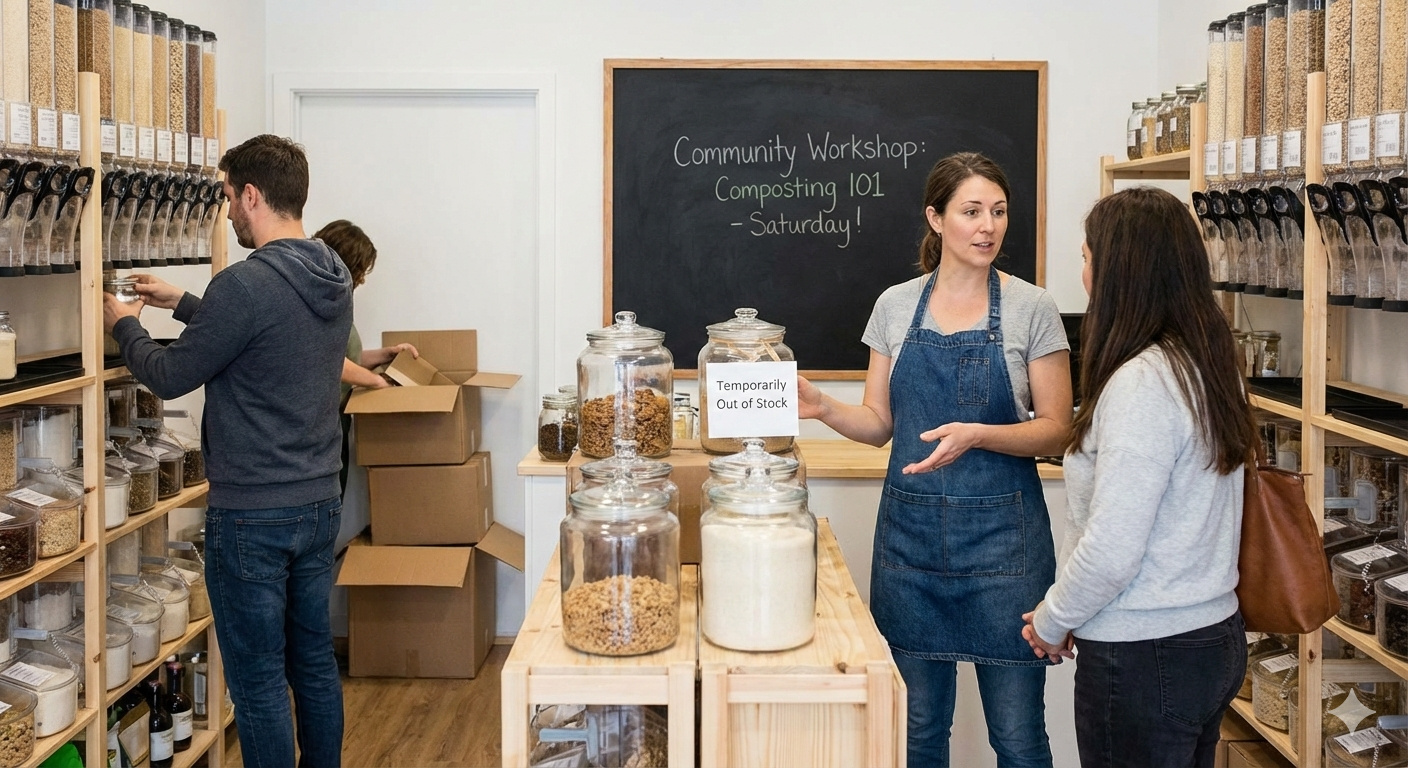
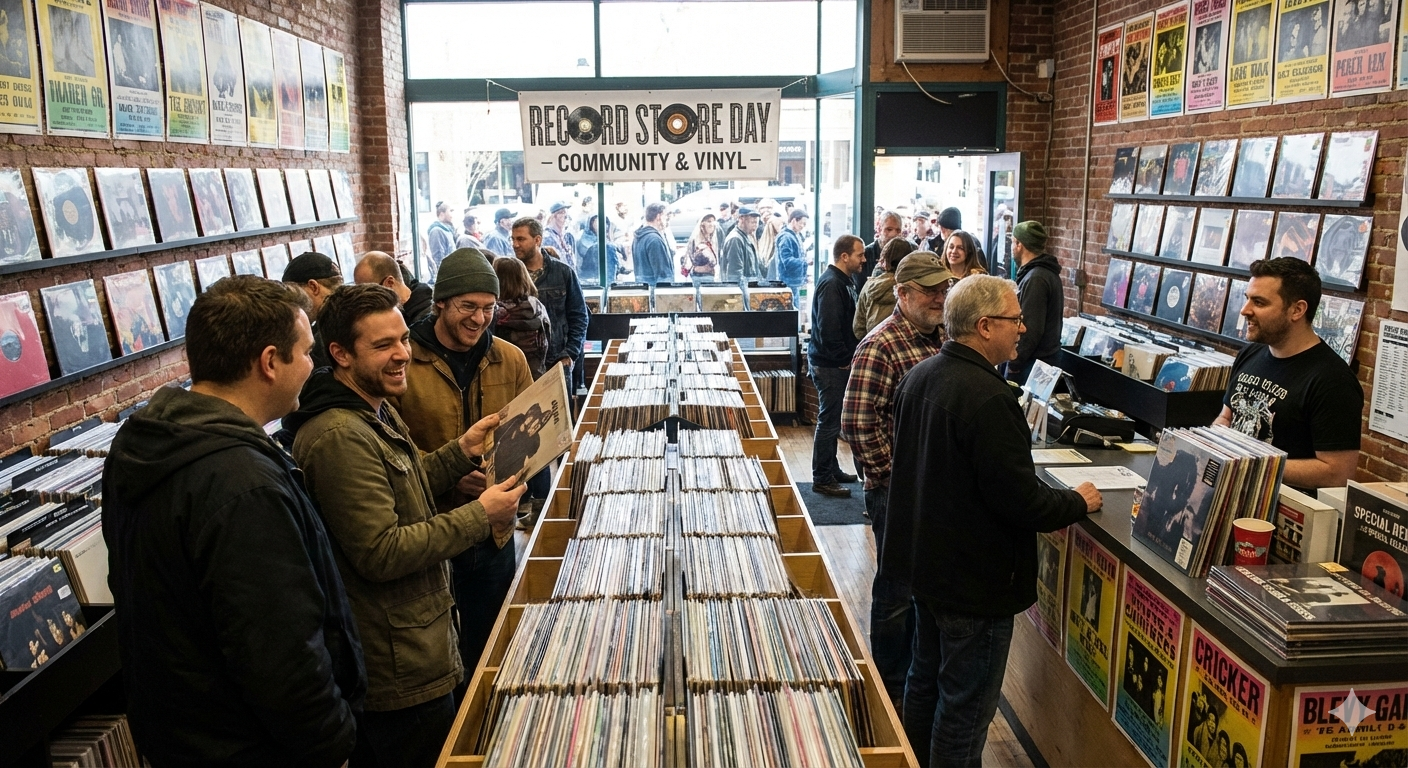
The pop-up economy represents a pivotal shift in retail innovation, centered on temporary, flexible storefronts designed to engage consumers in fresh, authentic ways. Emerging from the tradition of European seasonal markets and gaining traction with modern iterations since the late 1990s in Los Angeles, this economy disrupts conventional retail by offering brands a low-risk, high-reward platform to test ideas and build meaningful connections. This dynamic retail approach enables businesses to launch products, gauge market response, and generate buzz without committing to long-term leases or costly infrastructure. Such agility aligns perfectly with the evolving consumer desire for unique experiences and direct brand interaction. Temporary retail spaces become vibrant hubs where brands and customers meet, fostering mutual engagement and real-time feedback. Key features of the pop-up economy include:

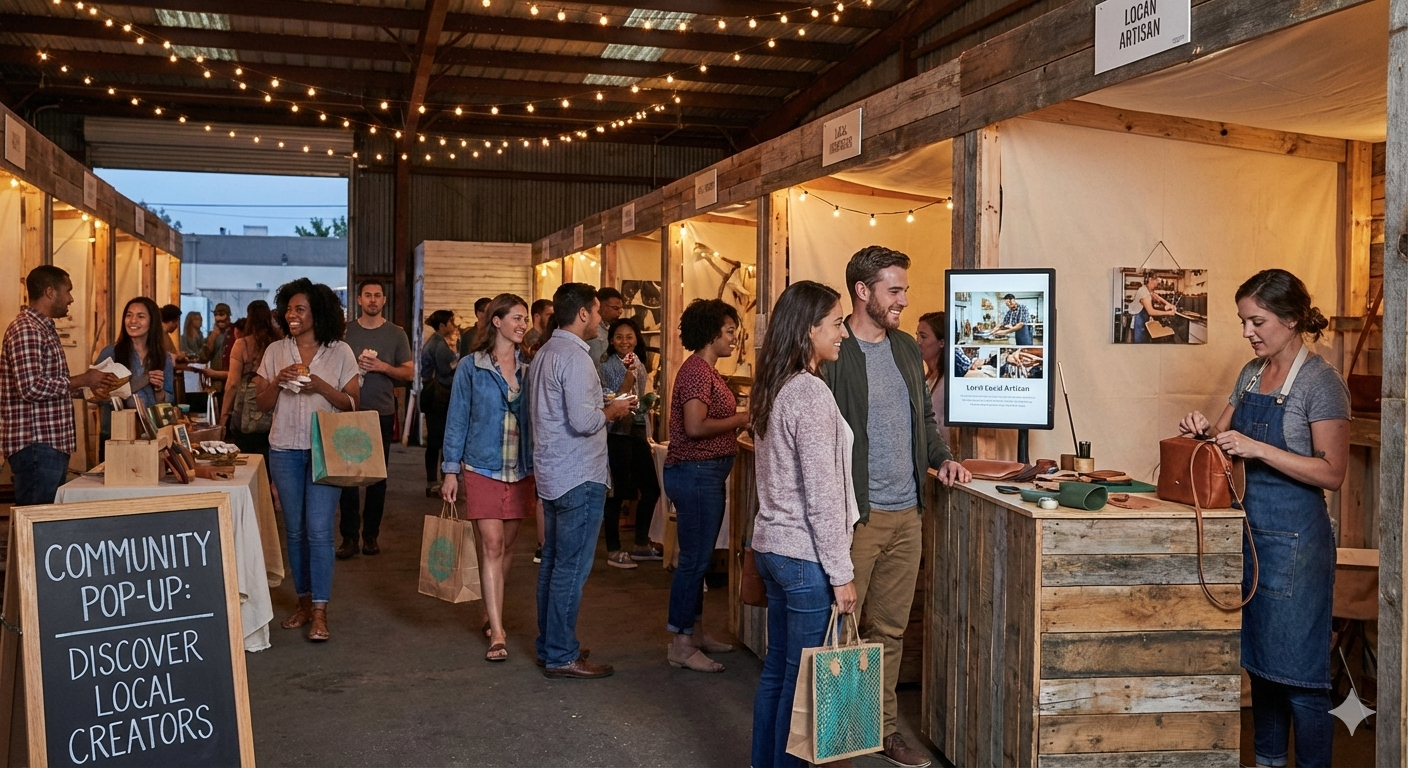
Temporary retail spaces serve as the backbone of the pop-up economy, providing brands with a versatile and cost-effective platform to engage consumers directly. These spaces act as vibrant hubs that boost retail foot traffic by creating unique, memorable consumer experiences. They enable brands to test markets rapidly and activate their presence in diverse locations without the burden of long-term leases. This agility allows businesses to adjust strategies based on immediate feedback, fostering deeper connections with their audience. The Journey app complements this evolving retail landscape by offering powerful tools that guide businesses in identifying optimal locations and crafting effective pop-up marketing strategies. Through Journey’s community creation and engagement features, brands can cultivate lasting relationships beyond physical interactions. Journey’s robust analytics and insights empower businesses to track consumer responses, enrich community engagement, and organically grow vibrant networks that extend the essence of pop-up experiences into ongoing, meaningful connections. Advantages of temporary retail spaces include:

Mobile commerce trends are reshaping the retail landscape by seamlessly blending digital convenience with physical retail experiences. Pop-up shops increasingly harness e-commerce integration, enabling consumers to make instant purchases while interacting with temporary retail spaces. This fusion enhances consumer engagement by allowing brands to collect granular data on buying behaviors in real time, providing a richer understanding of customer preferences beyond traditional retail metrics. The Journey app plays a central role in this evolving ecosystem by offering robust tools that support the intersection of online and offline retail. Through Journey’s intuitive analytics and community-building features, brands can monitor consumer behavior closely and foster meaningful interactions that extend beyond the pop-up’s physical existence. This encourages authentic connections and sustained engagement, empowering brands to nurture communities of like-minded individuals who share a passion for their products and values. By leveraging Journey’s platform, pop-up retailers can transform fleeting encounters into ongoing, vibrant relationships. The app’s seamless integration of mobile accessibility, real-time feedback, and community interaction enables businesses to optimize pop-up strategies, align with consumer expectations, and continuously refine their approach. This dynamic blend of retail innovation and technology highlights the importance of cultivating genuine engagement in a rapidly changing market.
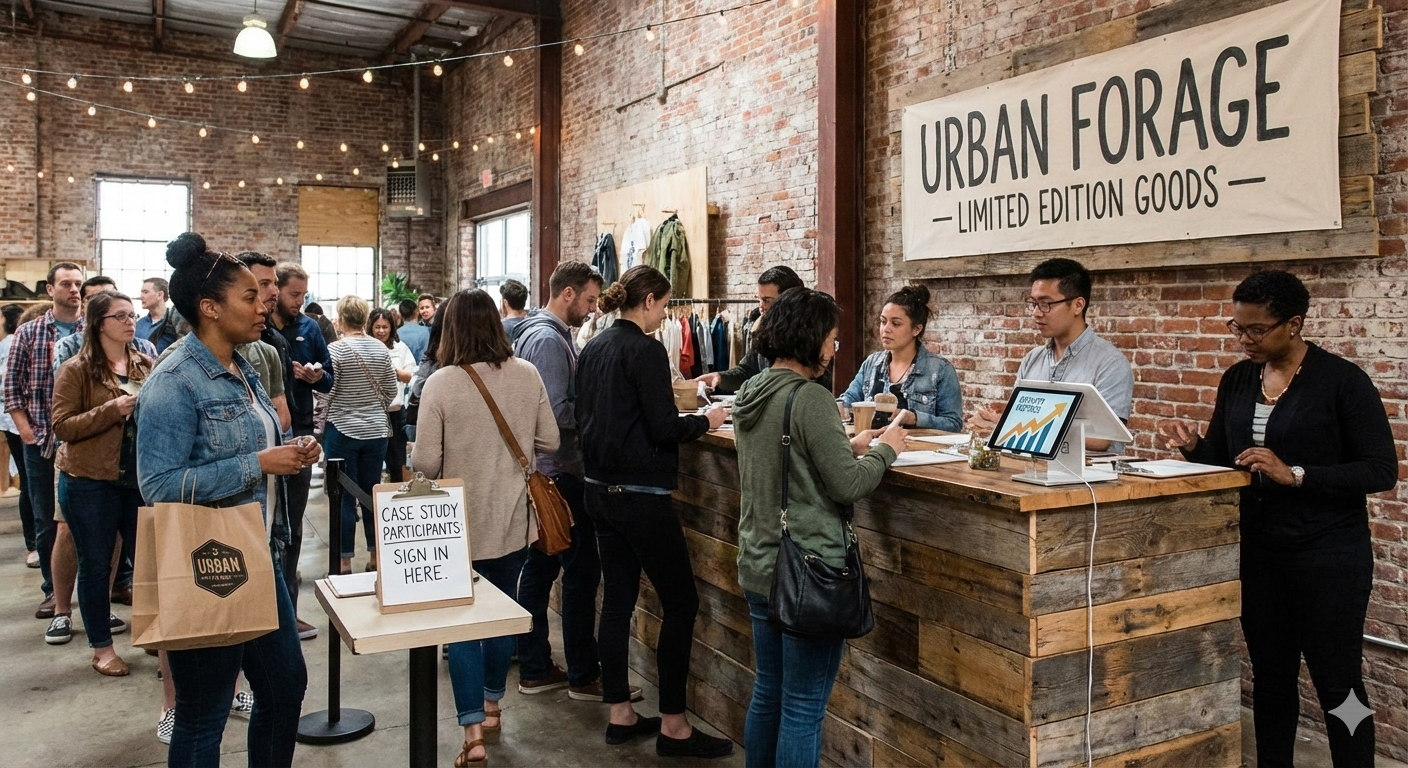
Pop-up shops have become vibrant hubs for brands to test markets while fostering authentic consumer connections. A standout example is Lego's augmented reality collaboration in Soho, London. By integrating Snapchat technology, Lego transformed a temporary boutique into an immersive experience, allowing customers to explore and purchase the entire streetwear collection digitally. This innovative design not only enhanced brand awareness but also created a rich consumer experience that bridged physical and digital engagement. Such pop-ups serve as incubators for creative retail strategies, enabling businesses to leverage FOMO and generate buzz in cost-effective ways. Startups benefit significantly from platforms like Journey, which supports community-driven retail initiatives by providing robust tools for cultivating genuine connections. Journey helps pop-up retailers organize focused discussions, gather real-time feedback, and expand their reach organically. Its AI-powered community management fosters continuous engagement and aligns well with the pop-up economy’s essence of meaningful interaction. By integrating these features, brands can refine their strategies and retain loyal customers beyond the temporary retail window. Key case study examples include:

The pop-up economy presents a vibrant opportunity for brands to engage with consumers through flexible, short-term retail spaces. Its benefits are central to retail innovation hubs, offering businesses a cost-efficient method to enter markets quickly without the long-term commitments traditional retail demands. By leveraging temporary retail spaces, brands can enhance visibility and create urgency, often resulting in a meaningful boost in sales. This dynamic approach supports rapid market feedback, enabling businesses to adapt their strategies based on real-time consumer responses. Such agility is crucial in today’s fast-paced retail environment, fostering rich, authentic connections with diverse audiences. However, this endeavor is not without its challenges. Logistical hurdles, including setup, staffing, and supply chain management, can complicate execution, especially within limited operational windows. The brief duration of pop-up shops demands precise planning and swift execution to maximize impact before the opportunity closes. Intense competition for prime locations and consumer attention adds another layer of complexity, requiring brands to continuously innovate their approach. Understanding these challenges is critical for businesses seeking to thrive in this fast-evolving landscape. Platforms like Journey play a pivotal role in overcoming these obstacles by providing robust tools that guide community creation and engagement around pop-up initiatives. Journey’s ecosystem encourages meaningful participation, helping brands and their audiences interact beyond the physical pop-up event. By fostering ongoing discussions, sharing updates, and organizing focused groups, Journey supports the mutual growth of brand communities. This seamless integration of digital and physical retail experiences enriches the pop-up economy’s essence—authentic, fulfilling connections that extend far beyond a temporary storefront. Key benefits and challenges include:

The future of the pop-up economy is set to revolve around the seamless integration of innovative technologies and enhanced data-driven strategies. Augmented reality (AR) and interactive storefronts are becoming central to retail innovation, offering consumers immersive experiences that blend the digital and physical worlds. These new formats enable brands to showcase products in captivating ways, enriching consumer interaction and fostering deeper emotional connections. Such innovations are crucial in retaining consumer attention in a crowded market and aligning with evolving expectations for engaging retail environments. AI-driven consumer insights are transforming retail market research by providing granular data on shopper behavior and preferences. This data empowers brands to adapt their pop-up strategies with a precision previously unattainable, enabling real-time adjustments and personalized brand launch strategies. Platforms like Journey play a pivotal role by offering robust tools that help brands harness these insights. Journey’s AI Sidekick supports community owners by delivering personalized recommendations, organizing focused discussions, and facilitating vibrant, engaged communities. This fosters continuous growth and enriches the brand-consumer relationship beyond the temporary retail space. E-commerce integration will continue to shape retail adaptability, allowing pop-up shops to serve as dynamic hubs that drive both physical foot traffic and online sales. Instant mobile purchasing, coupled with community-driven engagement, creates a rich ecosystem where customers can interact meaningfully with brands. Journey’s platform enhances this blend by enabling seamless communication, event organization, and content sharing within communities. This integrated approach supports both short-term retail success and long-term brand loyalty by nurturing authentic connections in a safe, trustworthy environment.
Embracing the pop-up economy means stepping into an innovative retail landscape where temporary spaces and mobile commerce trends redefine consumer engagement. Entrepreneurs leverage flexibility, agile market testing, and cost efficiencies to enhance brand visibility and buzz. However, challenges like logistical management and competition require strategic oversight. Yet, as technology continues to evolve, the pop-up economy is poised for growth. With platforms like Journey aiding in community building and strategic location finding, brands can confidently navigate these changes. The pop-up economy's future remains bright, full of potential for innovation and success.
Pop-up stores can be profitable by offering unique, time-limited experiences. They typically have lower costs and increased consumer engagement, allowing for effective market testing and brand exposure without long-term financial commitments.
A pop-up market refers to temporary retail spaces where vendors set up short-term storefronts to sell products. This model allows for flexible marketing, consumer engagement, and testing of new markets or products.
In business, a pop-up involves using temporary retail spaces to market products, engage customers, and build brand awareness. These short-term setups draw consumers by offering exclusive and limited-time products or experiences.
Bubble up economics relates to stimulating economic growth by increasing demand at lower income levels. It contrasts with trickle-down economics by focusing on grassroots spending and consumer purchasing power to drive growth.
Temporary retail spaces boost the pop-up economy by providing increased visibility, low operational costs, and flexibility. They offer agile market testing and enhanced consumer interaction, driving brand success and innovation.
Mobile commerce trends integrate digital convenience with pop-up shops for seamless purchases and data collection. This blend enhances consumer engagement and market responsiveness, promoting dynamic retail strategies with real-time analytics.
Benefits include cost efficiency, rapid market feedback, and enhanced brand visibility. Challenges involve logistical hurdles, limited duration constraints, and managing increased competition effectively to optimize retail strategies.