scan QR code


In a nation as diverse as the United States, fostering meaningful civic connections is vital to shaping empowered communities. USA Civic Leadership Initiatives aim to cultivate such connections by bridging gaps in civic engagement and developing essential leadership skills. These initiatives play a crucial role in enhancing community involvement and upholding civic responsibility, ensuring individuals are not just spectators but active participants in the democratic process. By engaging in these programs, citizens can drive meaningful change and strengthen the nation's civic fabric.
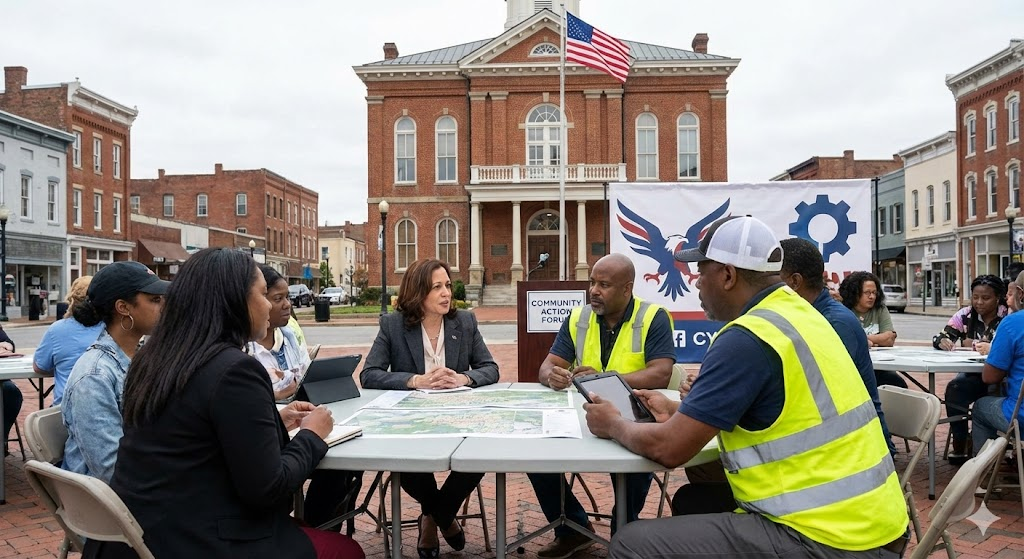
USA Civic Leadership Initiatives serve as a vital backbone for cultivating leadership development, civic responsibility, and community involvement across diverse populations. These initiatives empower individuals to engage actively in civic life by providing structured opportunities to learn, lead, and contribute meaningfully. At their core, they foster a culture where shared purpose and collective action drive long-term community impact and strengthen democratic participation nationwide. Key components of these initiatives include:
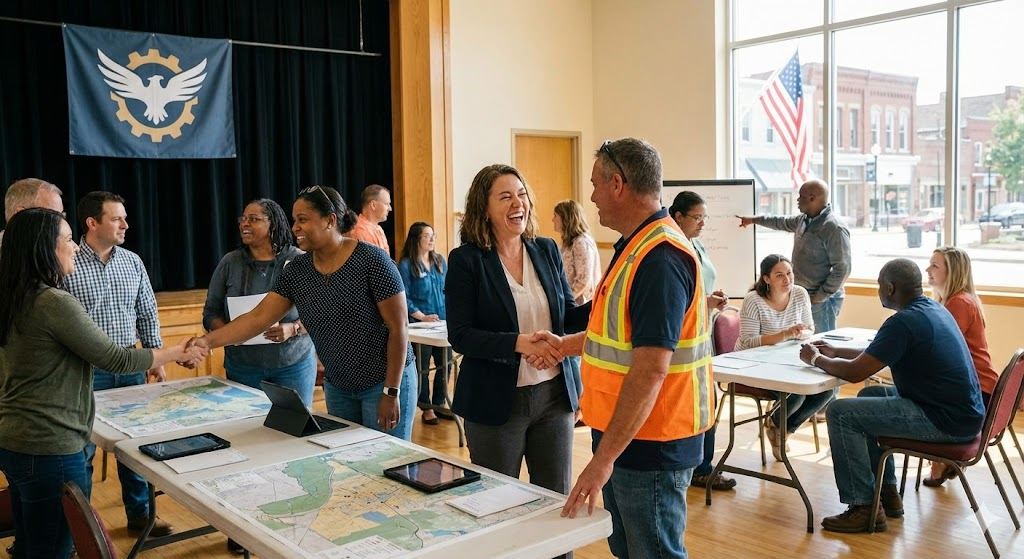
Structured programs form the backbone of USA Civic Leadership Initiatives, providing a rich and fulfilling framework for individuals committed to public service careers. These initiatives offer robust leadership skills workshops and government leadership training that equip participants with the critical tools needed to navigate and influence civic systems effectively. The essence of these programs lies in cultivating a deep understanding of policy advocacy and civic education, enabling diverse communities to engage with confidence and purpose. Notable examples include the Civic Leadership Engagement Roadmap (CLER), which features a comprehensive curriculum with one-on-one coaching, mastermind peer groups, and networking opportunities. Programs like “It’s On Us” highlight collaborative efforts between non-profit organizations and community platforms that enhance civic power and participation. These projects foster leadership development by connecting seasoned leaders and emerging changemakers, guiding them through meaningful civic involvement. Together, these initiatives empower participants to pursue meaningful public service careers and become effective advocates for policy change. Platforms such as Journey complement these efforts by offering a seamless and safe environment for community creation, discussion, and resource sharing. Journey’s customizable communities and AI-powered tools enrich engagement, helping leaders organize, communicate, and expand their impact within vibrant networks focused on civic growth and collaboration.
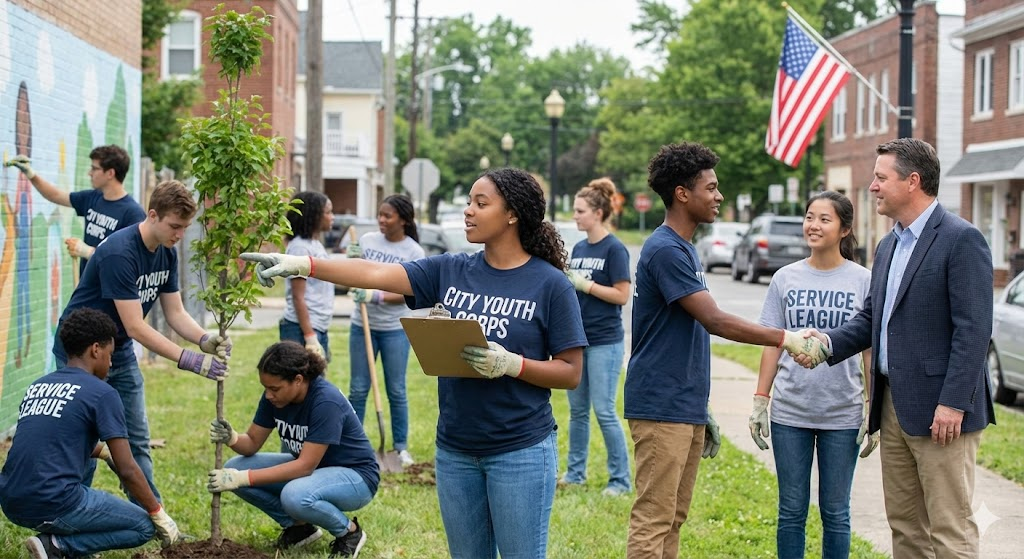
Youth leadership stands as a central pillar within USA Civic Leadership Initiatives, offering young individuals their first meaningful exposure to civic education and grassroots movements. These initiatives integrate youth by providing them with opportunities to develop critical leadership skills through hands-on involvement in community service projects and volunteer opportunities. By fostering early engagement, these programs cultivate a new generation prepared to actively shape their communities and participate in democratic processes. Successful youth leadership programs and volunteer opportunities that have enriched community involvement include:

Civic education forms the backbone of effective civic engagement, empowering individuals with the knowledge and skills needed to participate meaningfully in their communities. Educational training and workshops within USA Civic Leadership Initiatives cultivate this foundation by offering structured learning experiences that deepen understanding of government systems and civic responsibilities. These programs emphasize practical skills, enabling participants to contribute confidently to local, state, and federal efforts. Key training modules and educational workshops focus on:
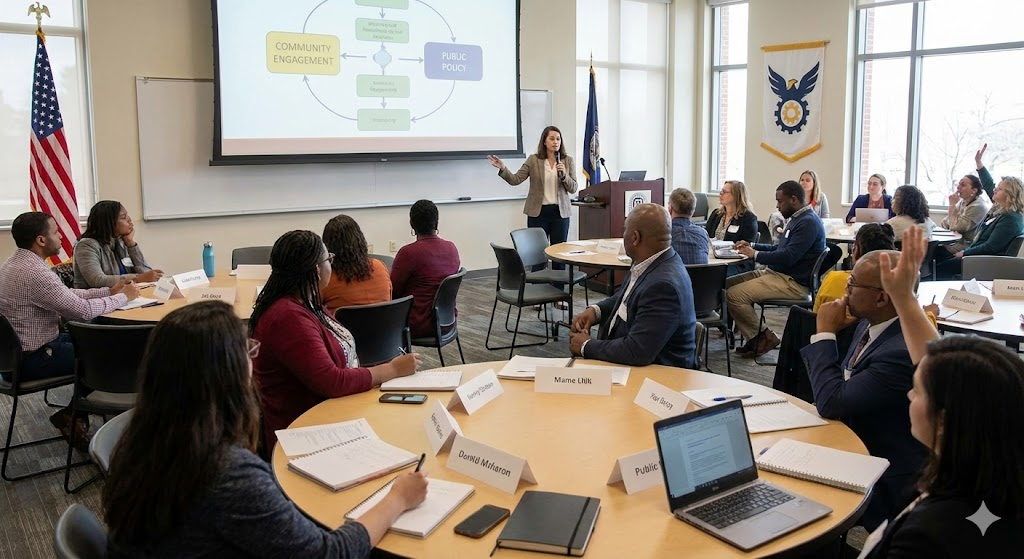
Collaborative leadership between local governance bodies and nonprofit organizations forms the backbone of many successful USA Civic Leadership Initiatives. These partnerships create a hub where diverse stakeholders come together, leveraging their unique strengths and resources to foster civic responsibility and community coalition building. By aligning their goals and strategies, government agencies and nonprofits implement public policy initiatives more effectively, ensuring long-term impact and robust community involvement. Specific examples of these collaborative efforts include platforms like Community Platform and Form 990 Online, which support organizational transparency and partnership building. Community Platform offers locally customized websites that enable mapping of community assets and needs, facilitating seamless interaction among stakeholders. Form 990 Online simplifies nonprofit reporting, improving accountability and trust with government partners. Together, these tools highlight how partnerships can enhance civic engagement and streamline coalition efforts across sectors. Civic technology plays a crucial role in enriching these partnerships by providing safe, well-maintained environments that encourage participation and communication. Platforms such as Journey exemplify this by offering customizable communities where government leaders, nonprofit staff, and citizens can connect authentically. Journey’s AI Sidekick supports collaborative leadership by automating moderation, recommending relevant content, and facilitating focused group chats. This vibrant ecosystem nurtures mutual trust and continuous growth, empowering all participants to contribute meaningfully toward shared civic goals.

Graduates from programs like the Civic Leadership Engagement Roadmap (CLER) have demonstrated remarkable achievements, including advancing state legislation, securing gubernatorial appointments, and driving impactful grassroots movements. These milestones illustrate the robust effectiveness of leadership development efforts in fostering civic responsibility and engagement. Participants often share that the knowledge and networks gained through these programs have been crucial in guiding their endeavors toward meaningful community change. Impact metrics across various initiatives highlight significant progress: increased voter registration rates, enhanced community service participation, and improved public policy outcomes demonstrate the tangible benefits of these programs. This data underscores the critical role of structured civic leadership programs in shaping effective public engagement and policy advocacy.
These success stories serve as a motivating force, inspiring others to participate actively in civic life and pursue leadership roles. Platforms like Journey further enrich this ecosystem by providing a safe and trustworthy environment where community members can track and celebrate these achievements. Journey’s customizable communities and AI-powered tools support continuous interaction and mutual encouragement, fostering a vibrant culture of growth and sustained civic impact.

Digital transformation is reshaping civic engagement, making participation more accessible and dynamic. Emerging technologies and platforms are enabling individuals to connect, learn, and lead in ways that were previously unimaginable. The rise of apps like CivLead highlights how technology fosters deeper civic involvement by offering tools that support strategic planning, collaboration, and inclusive decision-making. This wave of innovation is expanding the reach of civic initiatives and enhancing their impact across diverse communities. Key future trends shaping USA Civic Leadership Initiatives include:
Exploring the landscape of USA Civic Leadership Initiatives reveals transformative opportunities for civic engagement and leadership development. From educational training and youth programs to strategic partnerships and digital innovations, the breadth of these initiatives encourages individuals to actively shape their communities.
These programs foster community involvement, mentoring, and advocacy, ensuring that leadership skills are continuously nurtured. Through digital platforms, like the Journey app, participants gain powerful tools to enhance their impact.
As civic initiatives evolve, they continue to inspire positive change, promising a future rich in empowerment and active citizenship across the nation.
Civic participation in the US includes activities such as voting, attending public meetings, community volunteering, and engaging in advocacy efforts to influence public policy and decision-making.
Leadership initiatives often include structured programs such as workshops, mentoring, and community projects designed to develop skills and prepare individuals for leadership roles in civic activities.
The four pillars of civic engagement typically include community involvement, leadership development, public policy advocacy, and civic education aimed at fostering active and informed participation in civic life.
Civic leaders in America work to inspire and organize individuals and communities toward positive change, often involving efforts in policy advocacy, community service projects, and leadership development activities.