scan QR code


Civic engagement is a cornerstone of democracy, yet millions of eligible American voters remain on the sidelines, especially during midterm elections. In 2016, nearly 92 million eligible voters did not cast their ballots, underscoring a significant challenge to democratic participation. This blog post will delve into the intricacies of voting awareness in America. It underscores the essential nature of understanding why civic duty extends beyond casting a vote. Engaging in the political process amplifies collective voices and drives meaningful change. By illuminating the barriers and facilitating conversations through platforms like Journey, individuals can build community connections that bolster voter participation and civic awareness. Explore the mechanisms to overcome voter suppression, enhance voter registration processes, and utilize digital tools to foster genuine connections within communities, ultimately leading to increased voter turnout and a revitalized democratic process. Dive into this comprehensive exploration to learn how you, too, can contribute to a more informed electorate and a more robust civic culture.
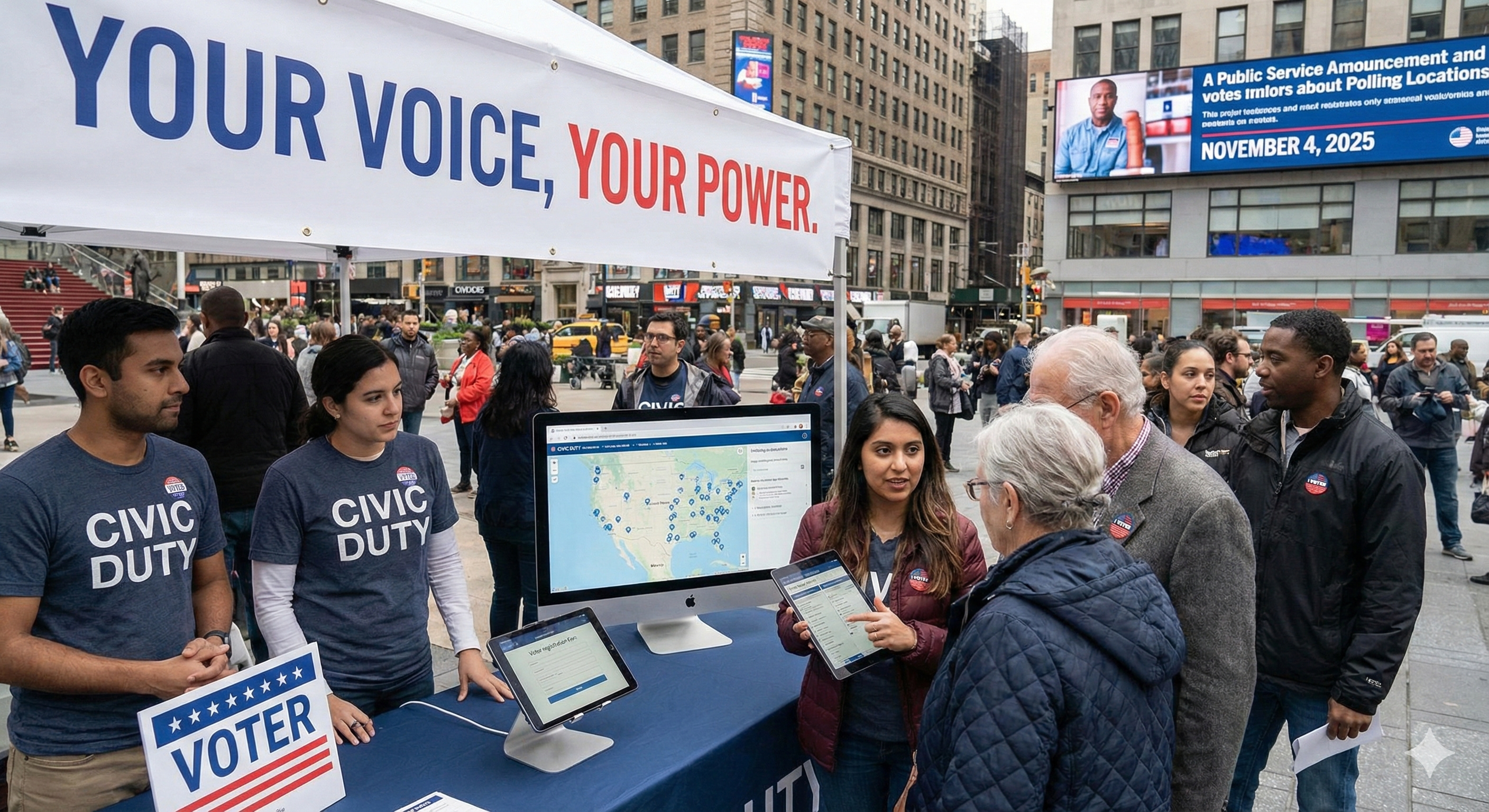
Nearly 92 million eligible Americans did not vote in the 2016 presidential elections, highlighting a critical gap in voting awareness in America. Voter participation rates have hovered between 54-64% in presidential elections and are even lower during midterms, underscoring the pressing need for increased civic engagement. This low turnout limits the power of citizens to influence political change and weakens the foundation of a healthy democracy. Civic engagement is the backbone of a thriving democratic society. It fosters political awareness and a sense of civic duty, encouraging individuals to participate in shaping policies that affect their lives. When more people vote, governments better reflect the diverse interests and needs of their communities, leading to stronger, more effective leadership. The Journey app plays a crucial role in enhancing voting awareness by providing a vibrant, well-maintained platform for like-minded individuals to connect and engage. Journey supports the creation of communities centered around civic dialogue and voter mobilization, offering robust tools for organizing discussions, sharing resources, and fostering mutual support. These communities enable users to participate in continuous conversations about the importance of voting and civic responsibility, enriching their understanding and commitment to political participation. By leveraging Journey’s customizable community features and AI-powered engagement tools, users can discover relevant updates, contribute meaningful content, and connect with others who share their passion for civic growth. This seamless interaction builds a sense of belonging and empowers individuals to take collective action, ultimately strengthening the democratic process through increased voter participation.
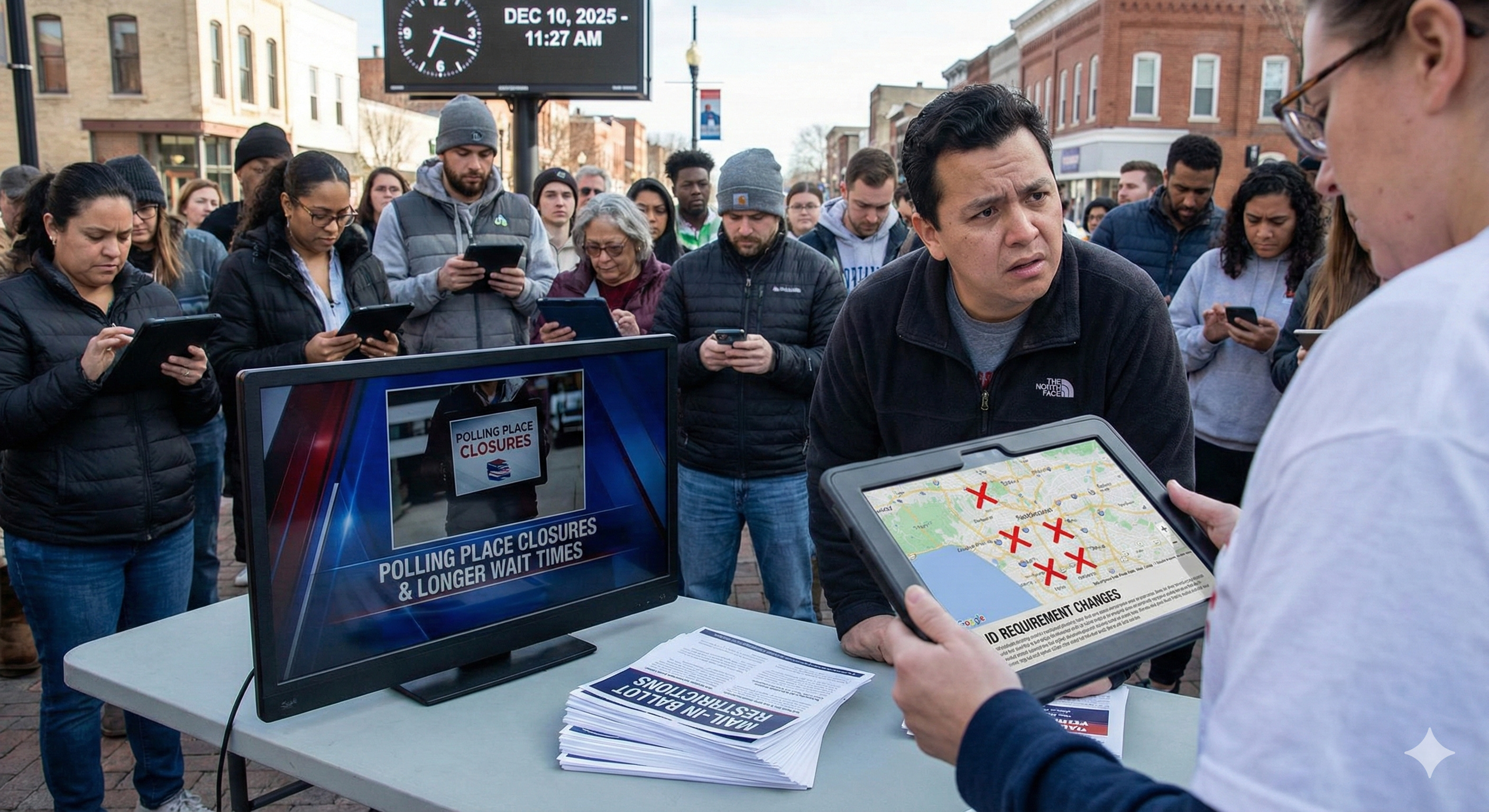
Voting awareness in America faces critical barriers rooted in structural and legal challenges that directly impact voter participation. Voter suppression tactics, such as stringent voter ID laws and limited polling locations, create logistical hurdles that disproportionately affect minority voter issues. These obstacles hinder voting accessibility by making registration and casting a ballot more difficult for many eligible individuals. Historical disenfranchisement continues to cast a long shadow, with millions of voters excluded through policies targeting marginalized communities. For example, restrictive voter ID requirements often disproportionately affect low-income and minority populations who may lack easy access to the required identification. Limited polling places further exacerbate these challenges by increasing wait times and reducing convenience, which discourages participation. Addressing these barriers requires a robust, multifaceted approach that enhances voter registration processes and removes systemic obstacles. The Journey app supports this endeavor by fostering vibrant, trustworthy communities where individuals can engage in rich discussions about voting challenges and share resources. Journey’s customizable community tools enable users to organize advocacy efforts, promote voter education, and build mutual support networks that empower members to overcome voting suppression tactics. This safe and well-maintained environment encourages continuous interaction and collective growth, making it an essential hub for advancing voting accessibility and awareness.
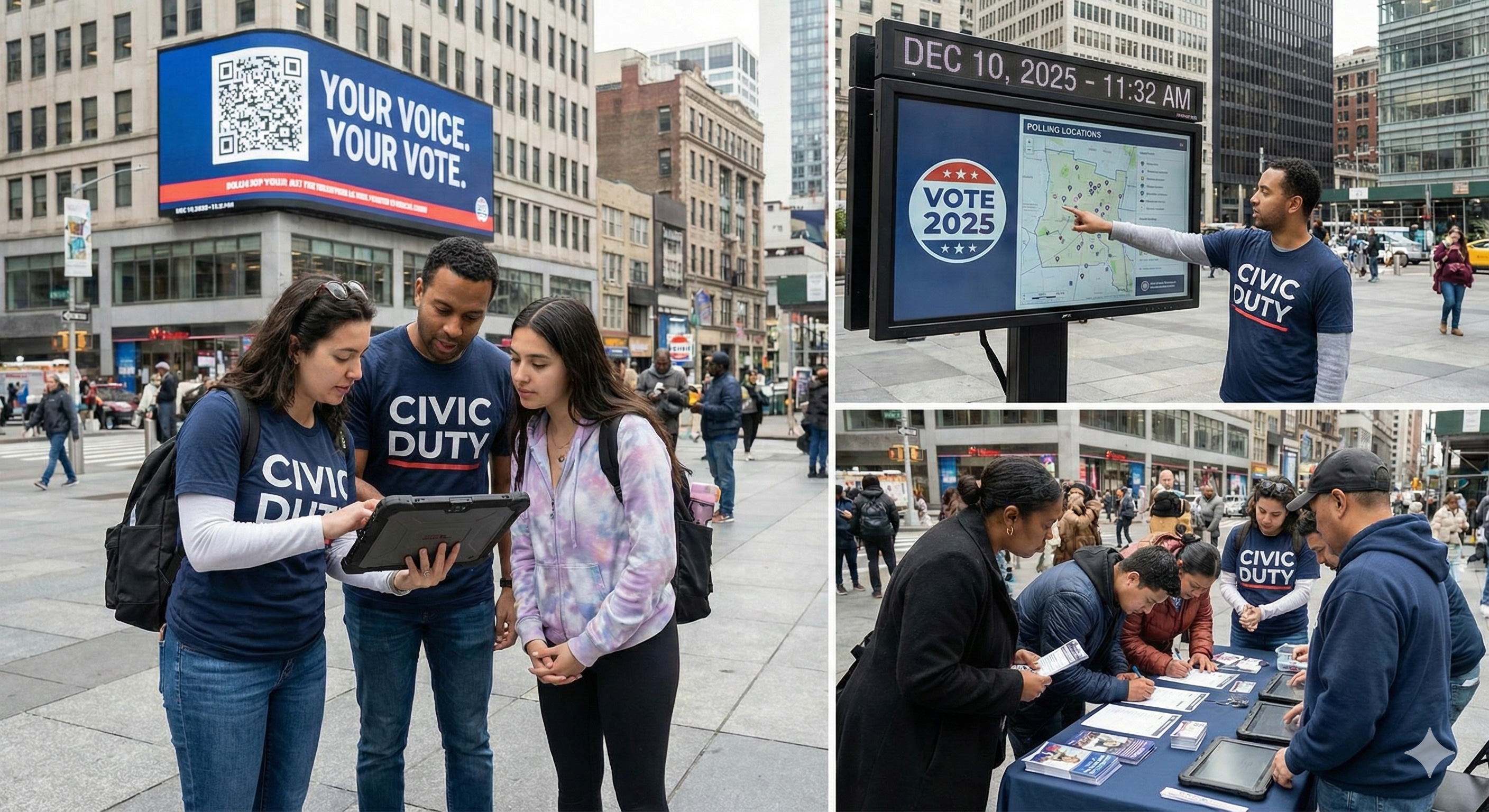
Increasing voter participation requires a blend of actionable strategies that address education, outreach, and accessibility. Effective voter registration efforts and civic engagement initiatives form the backbone of this endeavor, fostering a vibrant democratic process. Key strategies to boost voting awareness and turnout include:

Automatic voter registration (AVR) stands as a crucial innovation with the potential to add over 22 million new voters in its first year alone. By seamlessly registering eligible citizens when they interact with government agencies, AVR removes barriers that traditionally hinder voter registration. Washington state exemplifies the positive impact of such innovations, combining AVR with same-day registration and preregistration for youth, resulting in significant boosts in voter participation. Online voter registration further streamlines the process, making it accessible to diverse populations, especially younger and transient voters who benefit from digital convenience. These voting innovations not only simplify registration but also broaden voting eligibility awareness, fostering a more inclusive democratic process. Journey supports this endeavor by serving as a vibrant, safe, and trustworthy hub for education and engagement around AVR and related initiatives. The platform’s customizable communities enable users to share updates, resources, and experiences about automatic and online voter registration. With AI-powered tools, Journey guides users through registration options and helps organize focused discussions that enrich understanding and encourage active participation. By leveraging Journey’s robust features—such as community feeds, group chats, and event management—individuals and organizers can effectively coordinate outreach campaigns and voter education programs. This fosters meaningful connections among like-minded individuals committed to strengthening voting awareness and expanding civic engagement through modern registration innovations.
Preregistration for 16- and 17-year-olds has emerged as a crucial strategy in fostering early political activism and increasing youth voting rates. By allowing younger individuals to register ahead of time, states enable a seamless transition into active voters once they reach eligibility. This approach embeds civic responsibility early, nurturing long-term engagement. Digital voting platforms and online voter registration simplify the process, especially for younger, transient voters who often face challenges with traditional registration methods. These tools reduce friction, making it easier for youth to participate without logistical barriers. Social media plays a central role in mobilizing young voters by providing vibrant spaces for political discourse, awareness campaigns, and peer-driven encouragement. The Journey app enhances these efforts by offering a safe, well-maintained environment where youth can create and join communities aligned with their political interests and passions. Journey’s customizable community creation tools enable focused discussions on voting rights, election updates, and activism opportunities. With AI-powered features, the platform supports personalized content discovery, helping users stay informed and motivated. Group chats and event tools on Journey facilitate collaboration among young voters, enabling them to organize virtual meetups, share resources, and coordinate advocacy campaigns. This rich interaction fosters a strong sense of belonging and mutual support, empowering youth to take meaningful action. By blending digital innovation with authentic community engagement, Journey serves as a central hub that guides and sustains youth participation in voting and civic life, enriching the democratic fabric with fresh energy and diverse voices.
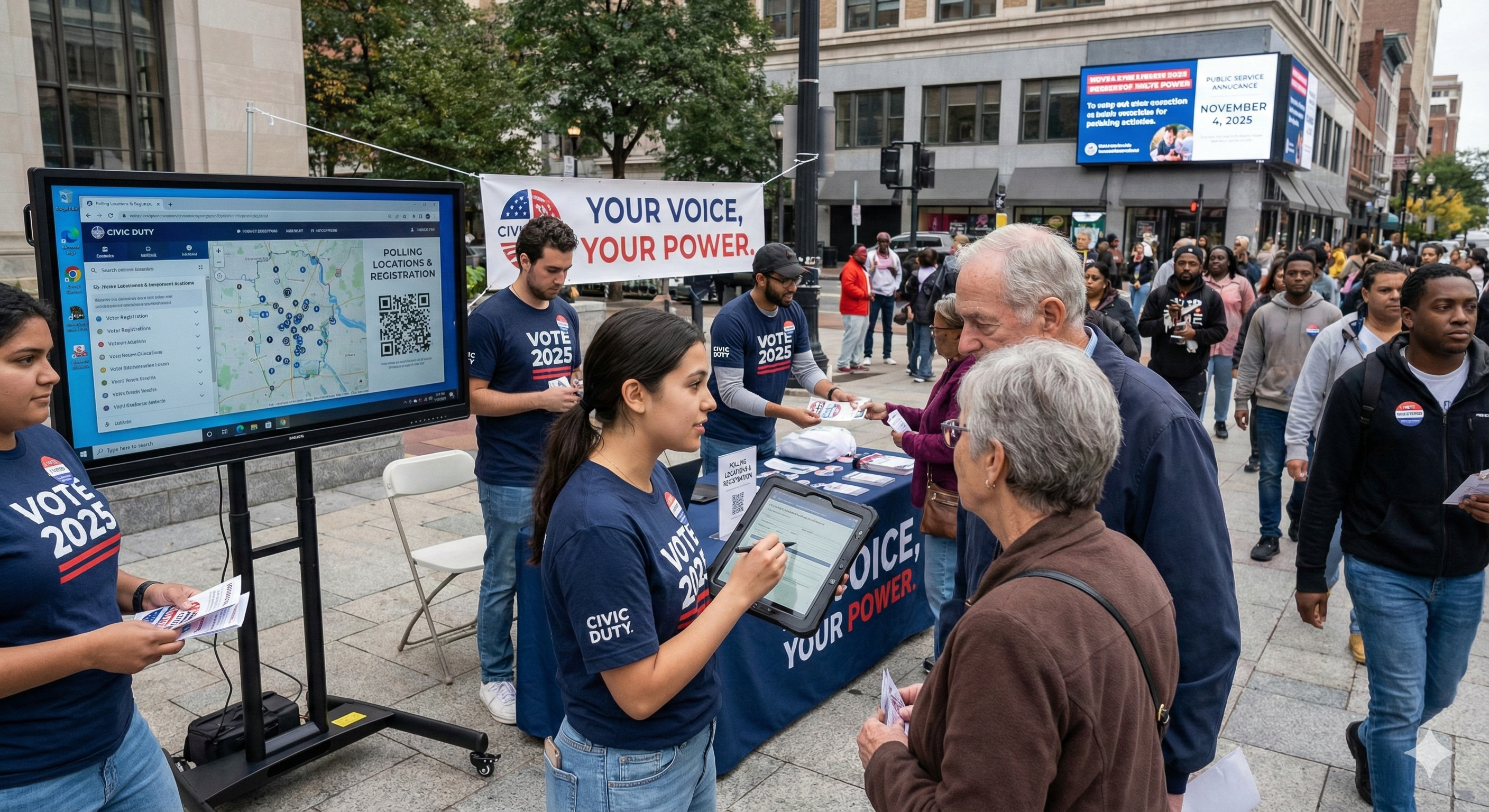
Since 2000, midterm election participation rates have lingered between 41-48%, reflecting a long-term decline compared to presidential elections, which typically see turnout between 54-64%. This persistent gap underscores the challenges within the US voting system, where voter engagement fluctuates and often falls short of representing the full electorate. Historical voting trends reveal that barriers such as disenfranchisement and cumbersome registration processes have contributed to this decline. Reforms aimed at revitalizing voter participation have proven crucial. Initiatives like same-day registration have increased accessibility, while restoring voting rights to formerly incarcerated individuals could reintegrate over six million potential voters, bringing diverse voices back into the democratic fold. These reforms address structural inequities and work toward a more inclusive national election landscape. Journey supports this civic revival by providing a safe, trustworthy environment where community members can explore historical and contemporary voting reforms. Through customizable forums and resource libraries, Journey enables individuals to engage in focused discussions, share relevant updates, and organize voter education campaigns. Its AI-powered tools guide users in discovering timely information and connecting with like-minded individuals committed to fostering an informed electorate. By leveraging Journey’s vibrant community features, users gain access to a rich interaction hub that promotes continuous learning and collective growth. This environment encourages sustained participation and nurtures the essence of democracy—an engaged citizenry empowered to shape the future through informed voting.

Grassroots community engagement is crucial in boosting voting awareness and participation across America. Local networks and community voting forums create vital spaces where individuals can share ideas, experiences, and resources about voting procedures. Community surveys have demonstrated that addressing voter concerns through targeted outreach significantly increases turnout by building trust and relevance within neighborhoods. Enhanced polling places with better signage, accessible parking, and accommodations for people with disabilities create a welcoming environment that fosters civic pride. Mobile polling stations, deployed near community events or transit hubs, further remove logistical barriers, making voting more convenient for busy or underserved populations. Transparent communication about ballot tracking and election security reassures voters, strengthening confidence in the democratic process. Journey supports this endeavor by providing a safe, trustworthy platform for organizing and sustaining local voter engagement campaigns. Its community creation and customization tools enable organizers to build vibrant, focused groups tailored to specific neighborhoods or demographics. Journey’s AI Sidekick facilitates rich interaction by recommending relevant content, welcoming new members, and helping coordinate events or discussions. Through group chats, event management, and a searchable member directory, Journey enables like-minded individuals to connect authentically, share updates, and collaborate on “get out the vote” initiatives. This seamless blend of technology and community nurtures a sense of belonging, empowering users to participate actively in civic society. Journey’s secure environment safeguards trust and credibility, making it an essential hub for fostering continuous growth and meaningful voter engagement at the local level.

Effective voting awareness initiatives hinge on implementing robust strategies that foster inclusive participation and safeguard election integrity. Proven approaches like same-day voter registration have demonstrated measurable impacts, with over 1.2 million registrations occurring in 2016 alone. Similarly, vote-at-home models increase accessibility and convenience, empowering voters to participate on their terms. Key best practices to elevate voting awareness include:
The exploration of Voting Awareness in America highlights the importance of civic engagement as a cornerstone of democracy. Overcoming barriers, such as voter suppression and logistical challenges, is essential for increasing participation. By implementing strategies like voter education and community outreach, more citizens can be empowered to vote. Automatic voter registration offers promising potential, especially when digital platforms engage younger voters. Acknowledging historical trends provides context for necessary reform. Strengthening community networks ensures voter awareness grows, creating a more active electorate. With these efforts, genuine connections can drive meaningful change in America's political landscape.
A: The most recognized voter registration organizations include When We All Vote, Vote.org, and Rock the Vote. These organizations aim to boost voter turnout through education, registration drives, and mobilization efforts.
A: Vote.org is a legitimate and effective nonprofit organization dedicated to increasing voter registration, participation, and turnout across the United States by using technology and other efficient tools.
A: Resources for voter education include nonpartisan platforms like Ballotpedia and local election offices. These provide important information on voting, candidates, and the election process to help educate and engage voters.
A: When We All Vote is a nonpartisan organization founded to increase participation in every election. It emphasizes voter registration, engagement, and education, particularly for underrepresented communities.
A: Voting is a fundamental right in the United States, protected under the Constitution. It is essential for a functioning democracy, ensuring citizens have a voice in their government and hold leadership accountable.
A: Current voting issues include voter suppression tactics like strict ID laws, limited polling places, and misinformation. These issues can deter or disenfranchise eligible voters, particularly in minority communities.
A: Voting is a right because it is integral to democratic governance, allowing citizens to influence government decisions, express their views, and drive change. It is foundational to ensuring equal representation in a democracy.