scan QR code


In a world where travel's impact on nature becomes increasingly scrutinized, regenerative travel emerges as a beacon of hope. Unlike conventional tourism, which often stutters at sustainable steps, regenerative travel dives deeper into rejuvenating nature's richest havens. These biodiversity hotspots, like Ecuador's breathtaking landscapes teeming with unique species, exemplify the essence of nature's grandeur. Here, on only 0.2% of Earth’s land, lies biodiversity's splendor—rainforests and distinctive islands awaiting mindful exploration.
Regenerative travel is a call to action for those eager to contribute beyond enjoying the view. It underlines an indispensable shift towards nurturing ecosystems and empowering local communities. Traveling eco-responsibly goes further by treading lightly; it minimizes our carbon footprints which are vital in problem-solving environmental crises. Imagine wandering through these vibrant locales, not just as a tourist but as a supporter of local conservation.
Embracing regenerative travel means engaging in practices that breathe life back into environments. It's about actively participating in ecosystem restoration, fostering community growth, and protecting cultures and wildlife that shape our planet's identity. Consider these benefits: ecosystem restoration, bolstered community empowerment, the safeguarding of age-old cultures, and vigilant wildlife protection. Each trip across these biodiverse corridors becomes not just a journey, but a commitment to preserving the beauty of our world for generations to come.
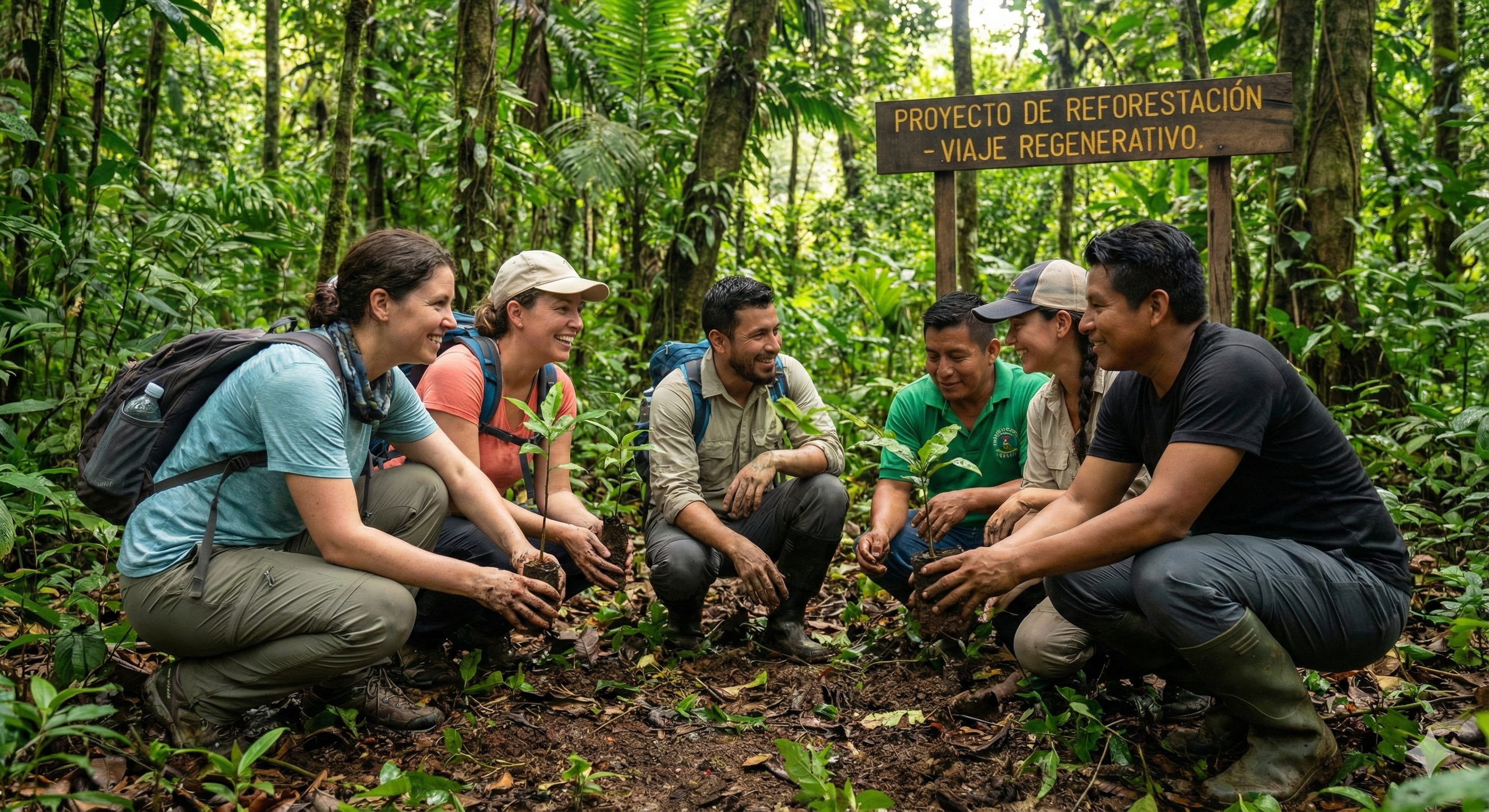
Regenerative travel in biodiversity hotspots is an endeavor that transcends traditional sustainable tourism. It involves immersing oneself in regions like Ecuador, where a mere 0.2% of Earth’s landmass contains incredibly rich ecosystems—from lush rainforests to unique island habitats. This form of travel actively supports local conservation and community empowerment, creating a fulfilling experience that benefits both travelers and the environments they explore. Protecting these diverse ecosystems is crucial for maintaining global biodiversity. Areas such as the Amazon rainforest and the Galápagos Islands host myriad species and ecological processes that are vital for planetary health. Regenerative travel recognizes the importance of these environments and seeks to restore and preserve them through direct action and mindful presence. Eco-friendly travel is central to this approach, promoting practices that minimize carbon footprints and encourage positive environmental impact. Regenerative travel actively contributes to ecosystem restoration, supports local communities, preserves cultural heritage, and protects wildlife. It fosters long-term benefits that extend beyond the immediate travel experience.
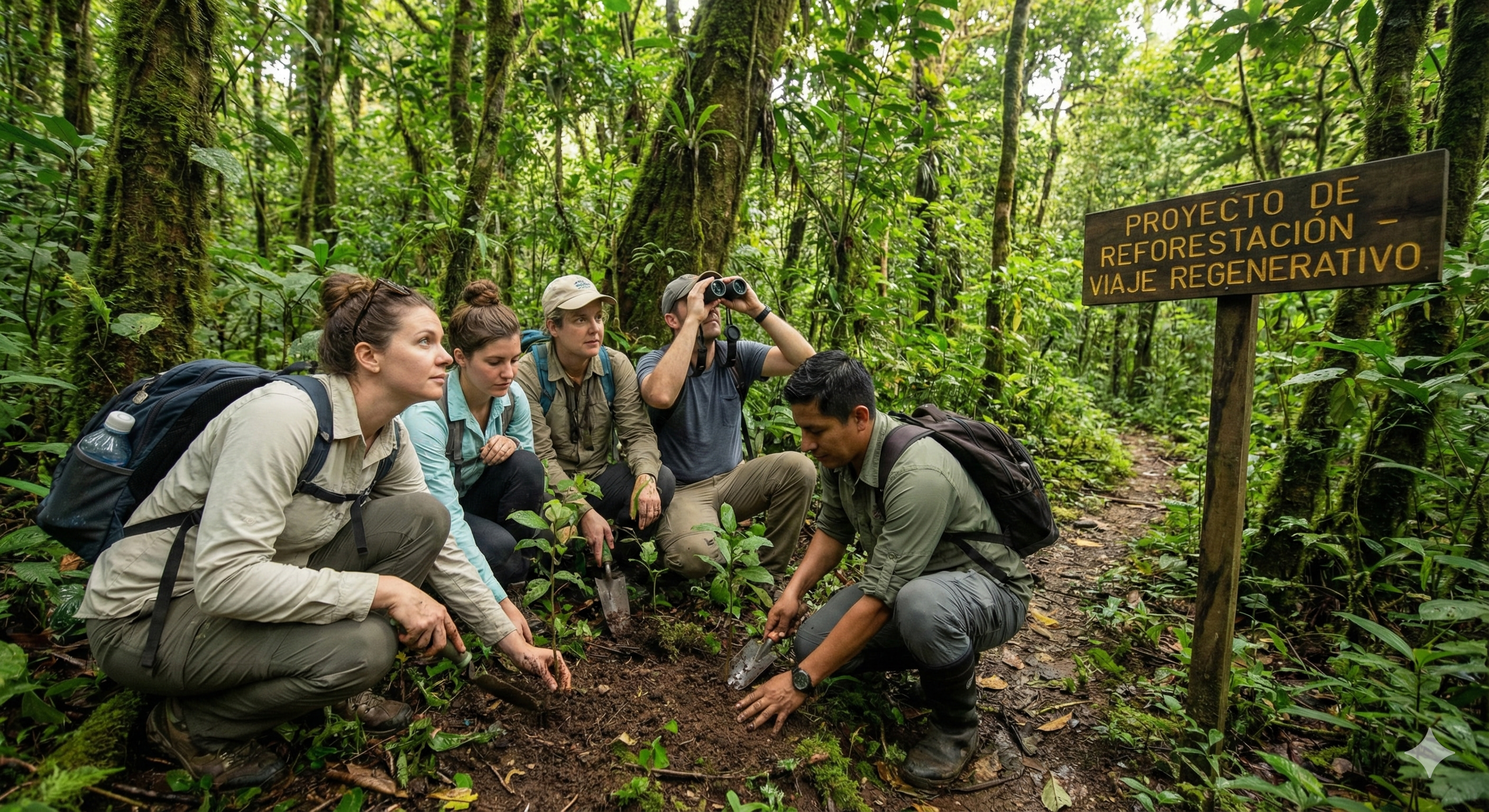
Ecuador stands out as a premier biodiversity hotspot, featuring the iconic Galápagos Islands alongside a mosaic of diverse mainland ecosystems. This unique blend fosters rich habitats that are crucial to global biodiversity preservation. Meanwhile, the Amazon rainforest and South America’s Patagonia represent critical regions where conservation and regenerative travel efforts converge to protect vast landscapes and endangered species. These biodiversity hotspots offer travelers opportunities to engage deeply with nature preservation while supporting local communities. Digital platforms like Journey play a central role in enabling travelers to connect with like-minded individuals, local conservation projects, and community initiatives. Journey’s seamless tools foster vibrant community engagement, providing a safe and trustworthy environment to share experiences, resources, and updates from these rich ecosystems.
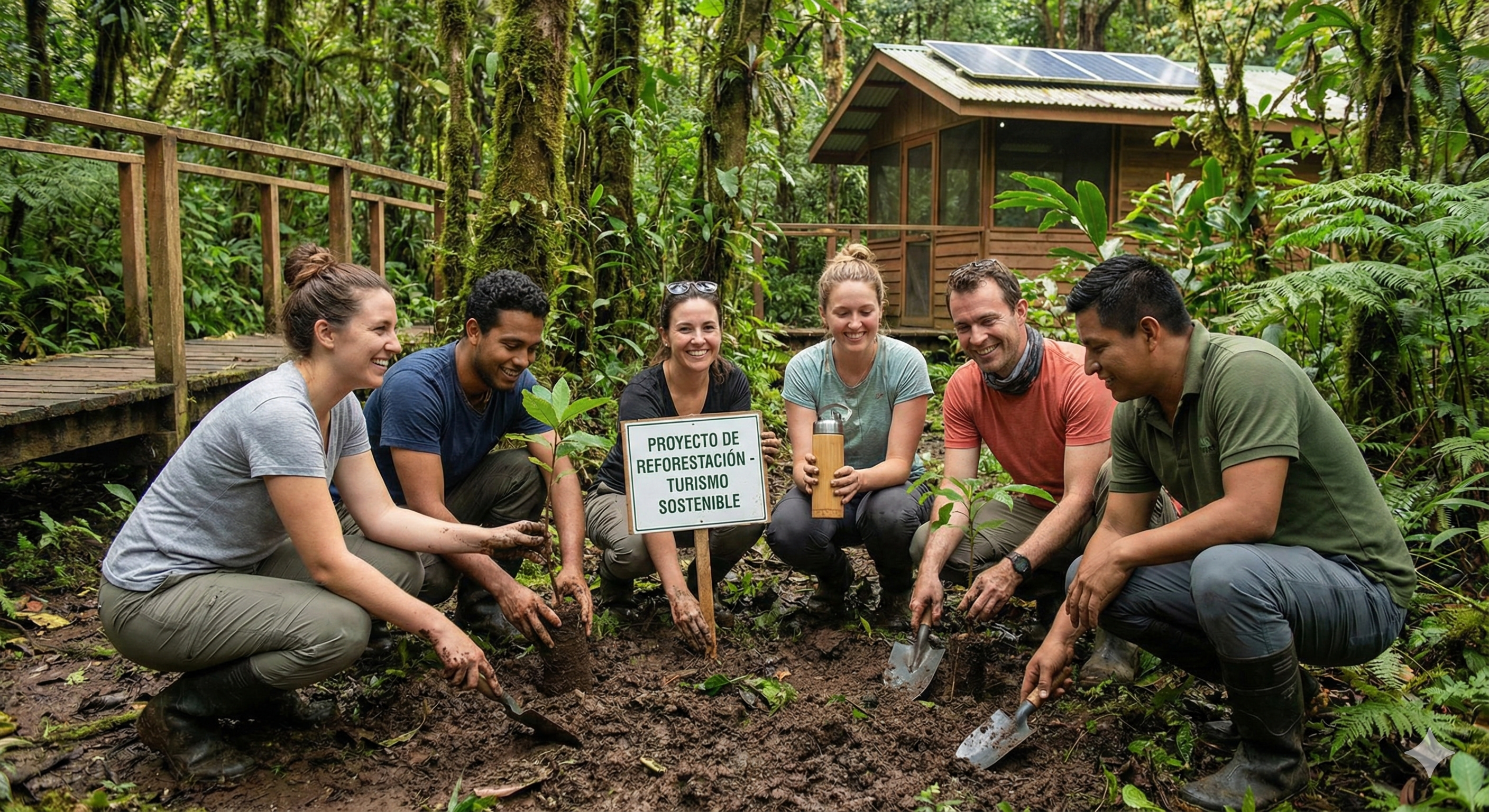
Sustainable tourism is essential in biodiversity hotspots to reduce environmental impact while fostering enriching travel experiences. By adopting eco-friendly travel practices, travelers help preserve delicate ecosystems and support long-term conservation goals. Innovations such as electric buses and micromobility solutions like bikesharing play a critical role in lowering emissions and minimizing carbon footprints during exploration. Practical eco-friendly travel tips include choosing low-impact transportation, supporting local businesses, and minimizing waste. Using public electric transit or shared micro-mobility options not only cuts pollution but also enriches travelers’ connections with the places they visit. These actions align with responsible tourism principles that emphasize respect for nature and local communities. Responsible travel ethics call for mindful decision-making and intentional behavior. Travelers should prioritize well-maintained trails, avoid disturbing wildlife, and engage with local cultures in ways that honor traditions. Low-impact travel methods preserve biodiversity and enable future generations to experience these vital regions. Travelers can plan and execute low-impact trips by following these steps:

Regenerative travel thrives on meaningful community involvement, respecting indigenous cultures, and preserving local heritage. In biodiversity hotspots, travelers encounter rich traditions that have sustained communities for generations. These initiatives encourage visitors to honor cultural practices, fostering mutual respect and understanding. For example, in regions with vibrant indigenous histories, regenerative travel supports efforts to safeguard languages, ceremonies, and artisanal crafts. This approach nurtures a deeper connection to place and people, enriching the travel experience beyond the surface. Community-based tourism plays a crucial role in supporting local economies by creating opportunities for artisans, guides, and small businesses. Travelers benefit from authentic cultural experiences while contributing directly to the well-being of host communities. This mutual exchange helps retain traditional knowledge and empowers residents to shape tourism in ways that align with their values. Digital platforms like Journey serve as central hubs where travelers and locals connect authentically. Journey’s seamless tools enable users to discover local hosts and cultural ambassadors, participate in vibrant discussions, and organize events that enhance community engagement. By fostering genuine social interactions, Journey supports a safe, trustworthy environment that amplifies the essence of regenerative travel.
-4%20(3).png)
Conservation efforts lie at the heart of regenerative travel, focusing on restoring habitats and protecting wildlife in biodiversity hotspots. Initiatives like Fundación Rewilding Argentina exemplify this commitment by safeguarding over 1,850,000 acres of critical land and sequestering vast amounts of carbon dioxide. Such projects not only conserve ecosystems but also serve as models for scaling regenerative actions worldwide. In diverse regions such as the Amazon rainforest and South Africa’s biosphere reserves, targeted conservation projects actively restore habitats and monitor endangered species. These efforts support biodiversity by reversing ecological damage and fostering resilient environments where flora and fauna can thrive. Regenerative travel encourages visitors to participate in or support these initiatives, creating a positive feedback loop that benefits both the environment and local communities. The benefits of these regenerative efforts extend beyond immediate conservation. They enhance ecosystem health, promote wildlife recovery, and empower communities to steward their natural heritage. Travelers engaging through platforms like Journey gain access to vibrant, trustworthy communities centered on conservation. Journey’s integrated features—such as customizable member profiles, group chats, and event organization tools—enable like-minded individuals to share experiences, resources, and updates, fostering continuous learning and mutual support in conservation efforts.
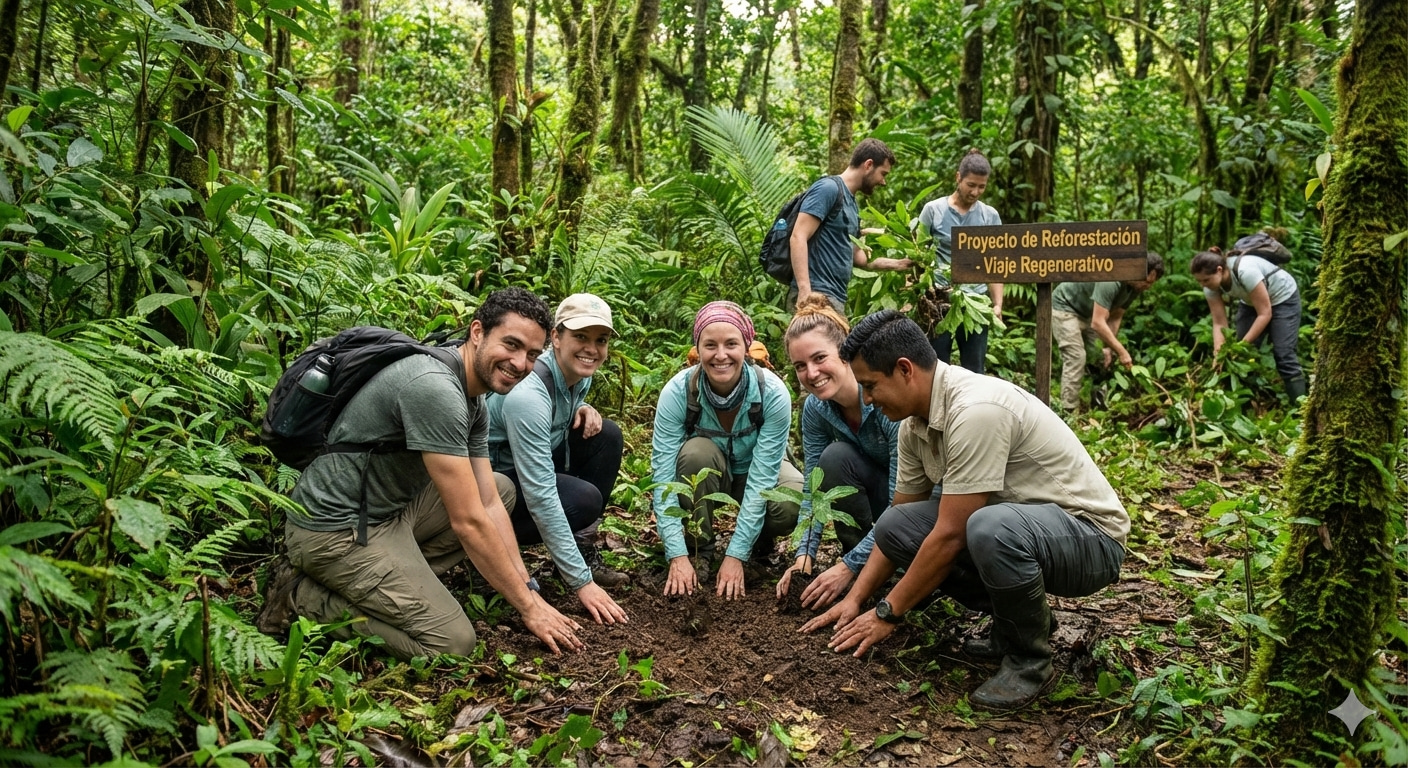
The Regenerative Travel Impact Awards 2025 highlights hotels that masterfully blend luxury with sustainability, setting a new standard for responsible travel within biodiversity hotspots. These accommodations invest substantially in conservation efforts while offering guests rich, immersive experiences. For instance, andBeyond Sossusvlei Desert Lodge has balanced comfort and ecological responsibility by dedicating over USD 600,000 toward sustainability systems. This commitment not only enhances guest experiences but also safeguards the delicate desert ecosystem. Eco-friendly accommodations like these exemplify how regenerative travel supports long-term environmental health and community well-being. By choosing such lodgings, travelers actively participate in preserving biodiversity while enjoying the unique cultures and landscapes of their destinations. Platforms like Journey amplify these opportunities by connecting travelers with sustainable lodging options and curated eco-tourism activities. Journey’s robust community creation and engagement tools foster vibrant discussions on responsible travel practices, enabling like-minded individuals to share insights, resources, and experiences in a safe and trustworthy environment.

Regenerative travel has become a crucial force in global biodiversity conservation, driving measurable environmental impact across some of the planet’s most critical ecosystems. Fundación Rewilding Argentina stands as a prime example, having protected over 1,850,000 acres of vital habitat while sequestering 264 million metric tonnes of carbon dioxide equivalent. Such large-scale conservation projects demonstrate how regenerative travel initiatives actively support ecosystem restoration and reduce carbon footprints. Beyond Argentina, regions like Ecuador’s diverse landscapes, the Amazon rainforest, and African biodiversity hotspots have witnessed enhanced conservation outcomes fueled by travelers’ commitment to responsible, eco-conscious exploration. This growing movement not only benefits natural habitats but also empowers local communities to steward their environments for the long term. By engaging with conservation projects, travelers contribute directly to wildlife protection and habitat renewal efforts. Platforms like Journey amplify this positive impact by providing a safe, trustworthy community hub where eco-conscious individuals can share their experiences, resources, and measurable contributions. Journey’s integrated tools enable users to track their carbon footprint reductions, participate in community challenges, and support local conservation projects, fostering a vibrant network of like-minded individuals united by shared goals.

Regenerative tourism is evolving rapidly, driven by a global shift toward travel sustainability and eco-sustainability. Travelers increasingly seek authentic experiences that not only minimize environmental impact but actively contribute to restoring ecosystems and empowering local communities. This growing demand aligns with innovative community-led conservation projects emerging across biodiversity hotspots worldwide. Technology plays a crucial role in this transformation by integrating sustainable travel practices with digital tools that enhance planning, engagement, and impact tracking. Digital platforms have become central hubs for eco-conscious travelers, offering granular access to resources, experiences, and like-minded individuals. Tools designed for seamless community creation and management enable users to connect authentically with others who share regenerative tourism values. These platforms foster continuous learning and enable travelers to organize meaningful interactions, share updates, and participate in discussions focused on conservation and responsible travel. The integration of AI-powered insights further supports informed decision-making, helping travelers align their trips with sustainability goals and local needs. Journey exemplifies this technological convergence by providing a robust, safe, and trustworthy environment for community building and sustainable trip planning. Its customizable community creation tools allow individuals and groups to establish vibrant spaces dedicated to regenerative travel topics. Journey’s AI Sidekick enhances engagement by curating relevant content, moderating discussions, and facilitating connections through group chats, event organization, and direct messaging. This integrated approach nurtures genuine social interactions, empowering users to deepen their understanding and contribute meaningfully to biodiversity preservation. Travelers can leverage digital platforms like Journey to make more informed, eco-friendly travel decisions by following these steps:
Regenerative travel in biodiversity hotspots offers transformative experiences.
By actively contributing to conservation and communities, travelers become vital to preserving these ecological treasures.
Eco-friendly and responsible tourism practices bolster efforts to protect diverse and vulnerable ecosystems.
Journey and similar platforms connect travelers with regions needing conservation, creating meaningful relationships.
The convergence of technology and sustainability in travel promises an impactful future.
Regenerative travel nurtures biodiversity and enriches all involved, setting a hopeful example for sustainable tourism's potential.
Regenerative travel focuses on improving ecosystems and empowering local communities. Unlike sustainable tourism that aims to minimize damage, regenerative travel actively contributes to restoration and enhancement of the environment and cultures.
Biodiversity regeneration involves restoring ecosystems to their natural states. This includes regenerating plant and animal life, promoting ecological balance, and ensuring ecosystems thrive for the long term.
Regenerative travel examples include visiting Ecuador’s diverse ecosystems, restoring native forests in the Amazon, and engaging in wildlife conservation in Patagonia. These activities enhance local biodiversity and support communities.
Regenerative tourism goes beyond sustainability by actively restoring environments and empowering communities. Sustainable tourism focuses on reducing negative impacts, while regenerative tourism contributes to ecological and social renewal.
Yes, regenerative travel is a growing trend as more travelers seek meaningful experiences that contribute positively to the environment and local communities. It aligns with increasing global interest in sustainability.
Key destinations include the Galápagos Islands, the Amazon Rainforest, Patagonia, East African reserves, and Oceania’s isolated islands. These areas offer rich biodiversity and opportunities for conservation-focused travel.
Regenerative tourism aids conservation by funding habitat restoration, supporting wildlife preservation, and fostering sustainable community projects. Travelers often engage directly in initiatives like reforestation or species monitoring.
The Journey app connects travelers with local conservation projects, sustainable accommodations, and cultural experiences. It enables users to easily participate in eco-friendly activities and track their positive impact.