scan QR code


Urban recreation communities have emerged as vibrant hubs for connecting city dwellers through a tapestry of shared experiences and meaningful engagements. These communities offer a diverse array of city activities that not only enrich the lives of residents but also foster authentic connections and a sense of belonging. By participating in urban recreation, individuals can experience a boost in public health, social cohesion, and even property values. Whether it's through fitness classes, after-school programs, or cultural events, these communities play a pivotal role in enhancing the overall quality of life. Dive into the world of urban recreation and discover how it inspires genuine relationships and elevates community living.
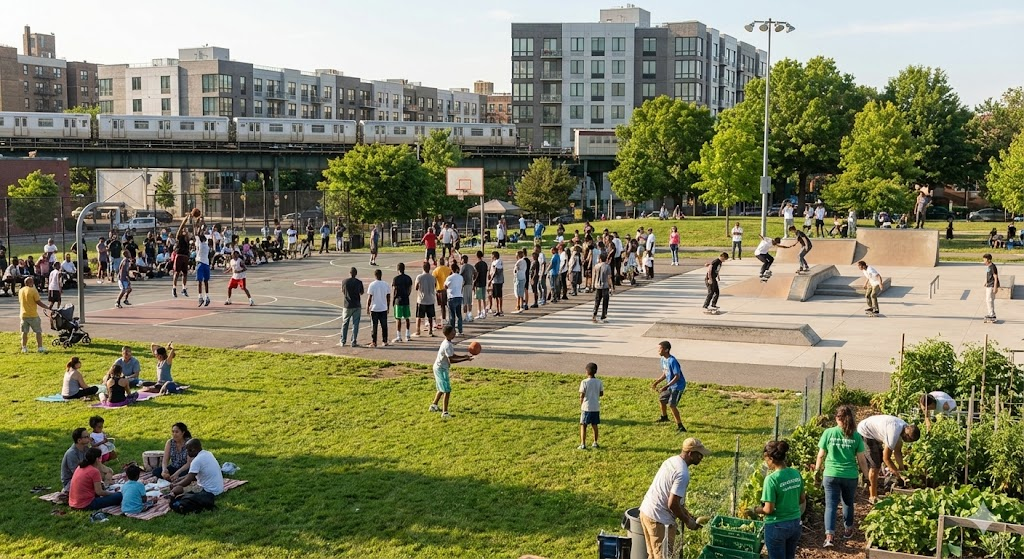
Urban recreation communities serve as vibrant hubs where individuals come together to engage in fulfilling city activities. These communities are crucial for enhancing public health, fostering social cohesion, and even raising local property values by roughly 10%. Central to these benefits are inclusive programs such as fitness classes, afterschool activities, and cultural events that cater to diverse interests and bring people closer. Key advantages of urban recreation communities include:
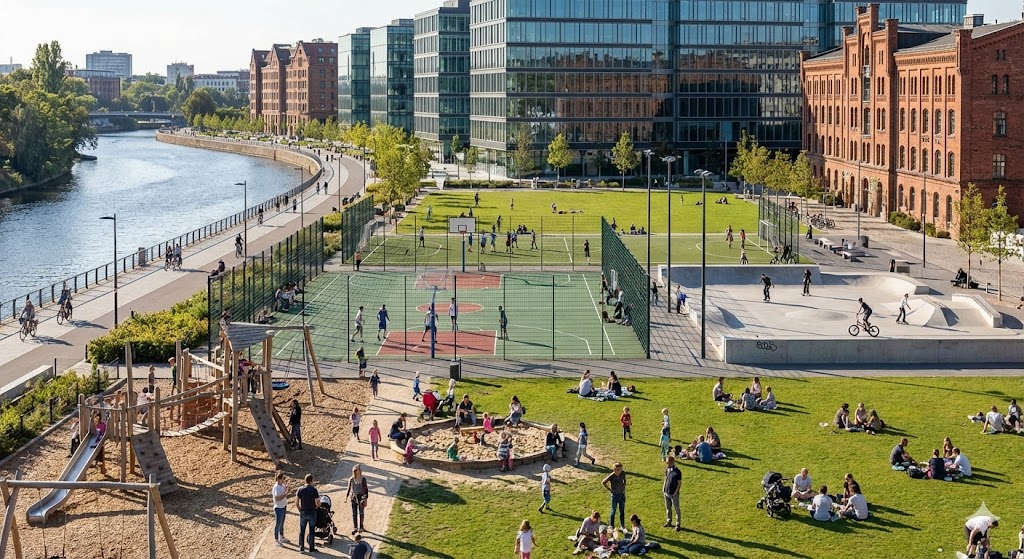
Urban parks and recreational facilities form the backbone of vibrant city life, offering well-maintained spaces where community members can engage in a variety of fulfilling activities. These urban green spaces not only provide serene environments for relaxation and exercise but also serve as hubs for accessible fitness classes, outdoor sports, and cultural events. Their presence enhances neighborhood vitality and directly contributes to increasing local home values by approximately 10%, reflecting the crucial role these amenities play in community well-being. Key benefits of parks and recreational facilities include:

Community events are the essence of urban recreation, serving as vibrant hubs that foster genuine interactions among residents. From lively urban cultural festivals to spirited local sports leagues and family fun nights, these gatherings offer much more than entertainment—they create safe, welcoming spaces where individuals connect, share experiences, and build lasting bonds. This rich tapestry of events enriches the community by offering diverse opportunities to participate and contribute, fostering a sense of belonging that goes beyond casual acquaintance. Cultural festivals highlight the diversity within urban communities, showcasing art, music, and traditions that invite residents to explore new ideas and perspectives. Local sports leagues provide structured opportunities for teamwork and healthy competition, encouraging mutual support and shared goals. Family-oriented community gatherings further strengthen social ties by creating inclusive environments where people of all ages engage in meaningful activities. These events collectively promote public safety by increasing active presence and mutual care, turning neighborhoods into vibrant, resilient spaces. Platforms like Journey play a crucial role in expanding the reach and impact of these community events. Journey’s robust tools enable organizers to seamlessly create, promote, and manage events while supporting effective communication among participants. The app’s integrated environment encourages interaction through customizable community feeds, group chats, and direct messaging, enabling like-minded individuals to discover and engage with activities that resonate with their passions. By prioritizing authentic connections over superficial interactions, Journey helps urban recreation communities grow organically, enriching every member’s experience and fostering continuous, meaningful engagement.
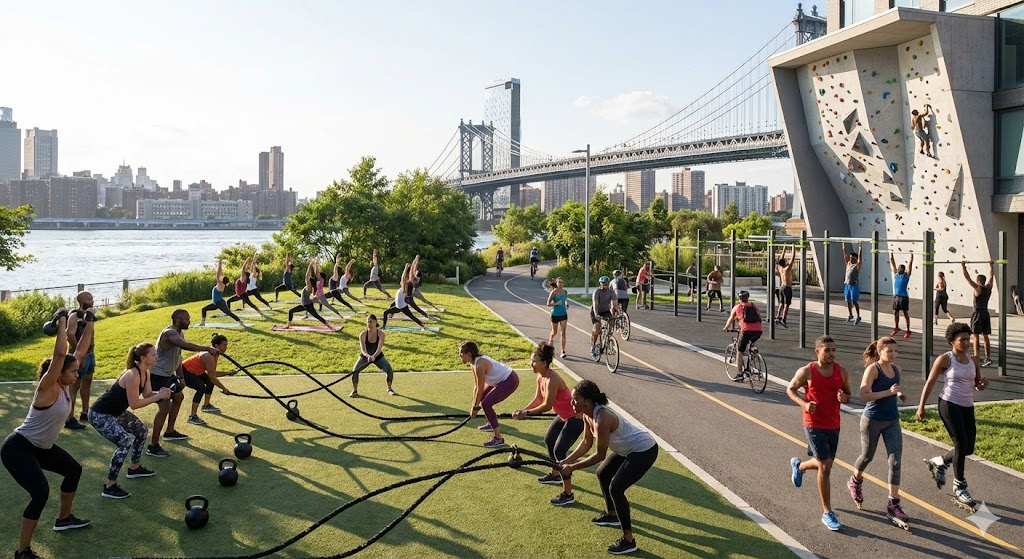
Urban recreational facilities serve as crucial hubs where individuals can pursue physical health and wellness through various well-maintained programs. Regular participation in activities such as fitness classes and urban yoga sessions contributes to lower blood pressure, delays the onset of diabetes, reduces heart disease risk, and enhances overall longevity. These programs are designed to cater to diverse wellness goals, making them central to community well-being. Key wellness activities commonly found in urban recreation communities include:

Technological advancements have become the backbone of modern urban recreation centers, streamlining operations and enriching community engagement. Online registration systems and digital signage enable seamless facility check-ins and real-time updates, improving user experience while reducing administrative overhead. These innovations empower recreation managers to efficiently organize events and programs, fostering continuous participation and growth within the community. The integration of recreation management software supports diverse urban programs, including urban creative labs, indoor game centers, and organized sports activities. These platforms provide robust tools that cater to both staff and participants, enhancing discoverability and interaction across multiple digital channels. The Journey app exemplifies this trend by offering an integrated environment where community owners can effortlessly manage event scheduling, facilitate communication, and promote programs within a safe and trustworthy space. Journey's AI Sidekick further supports these efforts by automating moderation, personalized onboarding, and content recommendations, ensuring vibrant and active communities.
By leveraging these integrated technologies, urban recreation communities can expand their reach and retain engagement more effectively. Journey’s platform aligns resources, experiences, and communication tools, creating a granular and seamless interface that encourages participation and authentic connections. This fusion of technology and community-building ensures that urban recreational programs remain dynamic, accessible, and responsive to the evolving needs of their members.
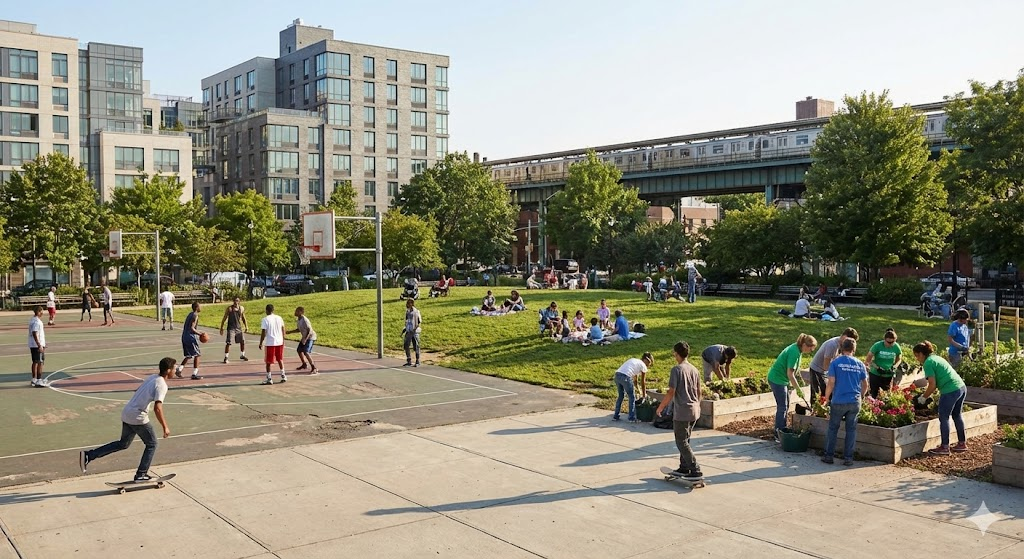
Urban recreation centers thrive as vibrant hubs where cultural diversity and family bonds blossom through shared experiences. These centers organize a myriad of activities including art workshops, community theater performances, family fun nights, and urban cultural festivals. Such events are critical in fostering a sense of belonging and pride, while enhancing public safety by encouraging active participation and mutual care among residents. Typical family and cultural events that enrich urban recreation communities include:
Exploring the myriad benefits of urban recreation communities reveals how these spaces foster improved health, social ties, and community pride. Urban parks and facilities offer accessible fitness opportunities and enhance local property values. Engaging events strengthen cultural and social bonds, creating vibrant urban spaces.
Integration of technology, through platforms like the Journey app, streamlines access to these amenities. Enriching family and cultural experiences are accessible through organized events and innovative programming.
An active urban recreation community invites residents to improve their quality of life. These spaces offer a foundation for vibrant, supportive communities.
An urban recreation community is a network of people in a city who participate in activities like sports, arts, and cultural events. These activities enhance community well-being and social connectivity.
Recreation centers are vital because they boost public health, improve social cohesion, and increase property values. They offer programs that include fitness, after-school activities, and cultural events, benefiting all community members.
Urban recreation examples include public parks, community centers, and cultural festivals. These spaces offer fitness classes, sports leagues, art workshops, and social events that enrich urban life and foster community engagement.
Community centers typically feature multi-purpose rooms, fitness studios, cultural event spaces, and sports facilities. These spaces enable varied community activities, supporting both physical fitness and social interaction.
Modern recreation centers provide accessible programs and use technology for efficient management. They offer fitness classes, sports activities, cultural events, and digital integration for easy scheduling and community interaction.
The three types of recreation are physical, cultural, and social. Physical includes sports and fitness; cultural involves arts and theater, and social includes events like festivals and community gatherings.
Parks and facilities enrich community life by offering accessible fitness, sports, and cultural activities. They increase local home values and create serene urban green spaces that promote healthier living environments.